


Cogne–Pila Cable Car: Environmental and Economic Impacts
The debate around the proposed Cogne–Pila–Aosta cable-car link is far from over. While the Cogne municipal council recently voted unanimously to support the motion, the project raises deeper questions that go well beyond tourism and mobility to environmental and economic impacts.
UPDATE – October 2026: The Pila–Cogne cable car project has moved forward. Nine initial alternatives have now been narrowed down to three, with Alternative 3 emerging as the preferred option and estimated costs of €150–190 million. Read our latest update on the Pila–Cogne cable car project.
At its core, the project forces the Aosta Valley to confront a defining issue for Alpine regions today:
How do you balance economic development with environmental protection and cultural identity?
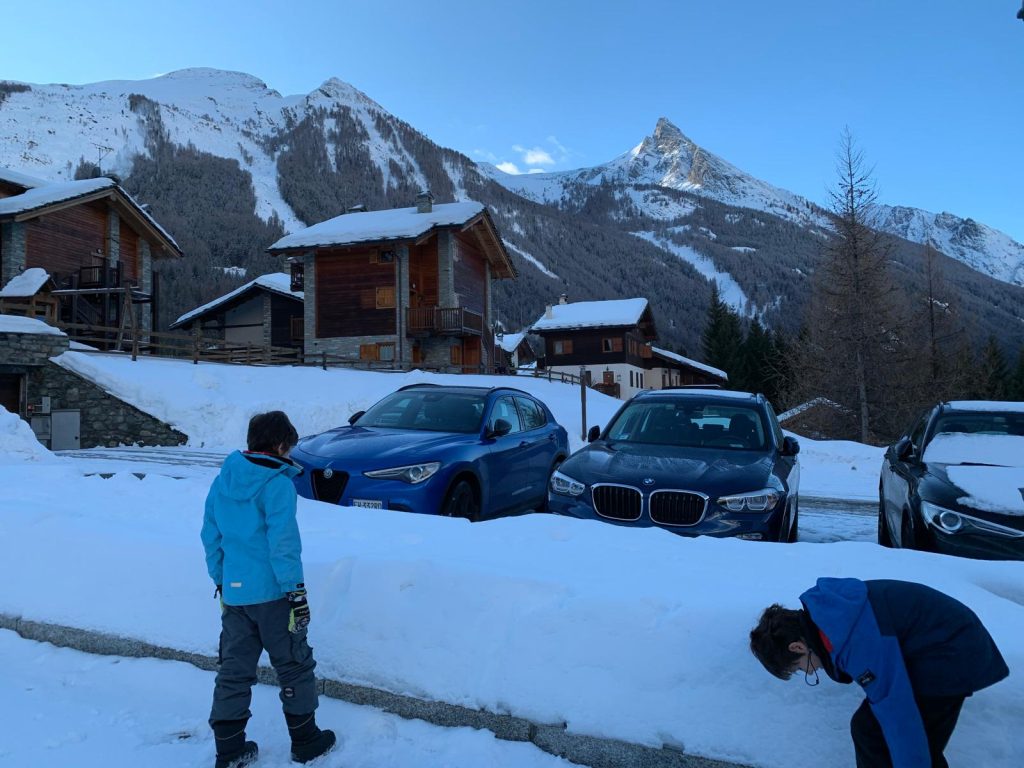
🌱 1. Environmental Concerns: A Delicate Alpine Balance
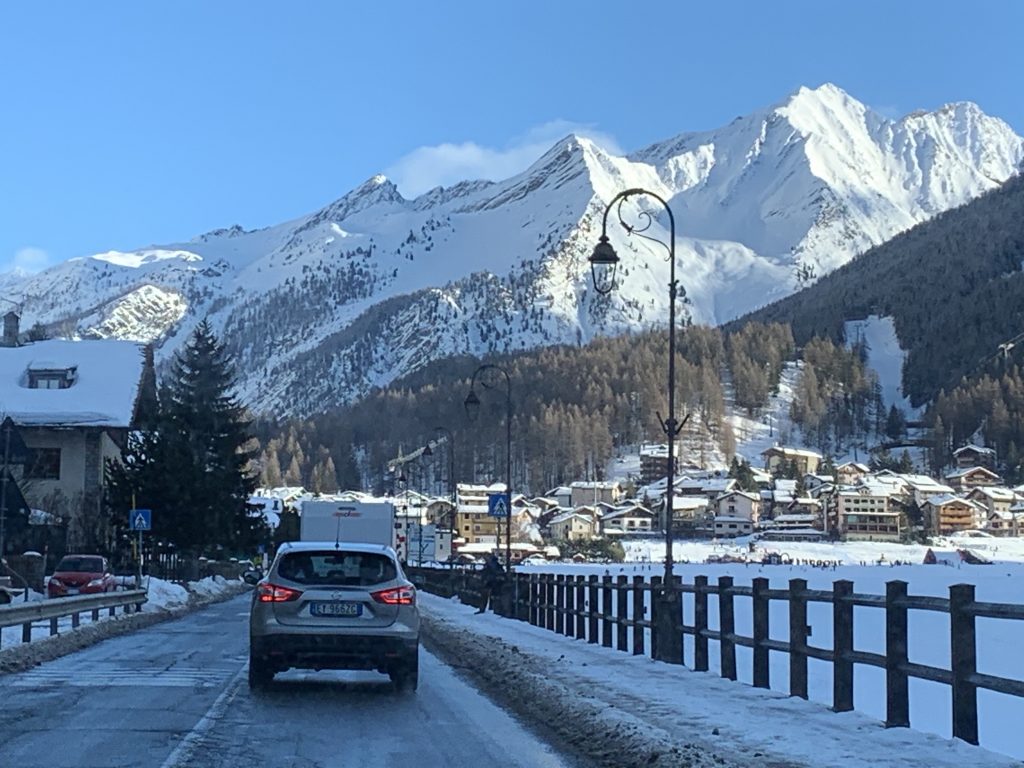
Cogne is not a typical resort village. It sits at the entrance to Gran Paradiso National Park, one of Italy’s oldest and most protected natural areas. Its landscape, wildlife corridors, silence, and sense of pristine isolation are not accidents — they are the result of decades of careful restrictions, zoning, and community values.
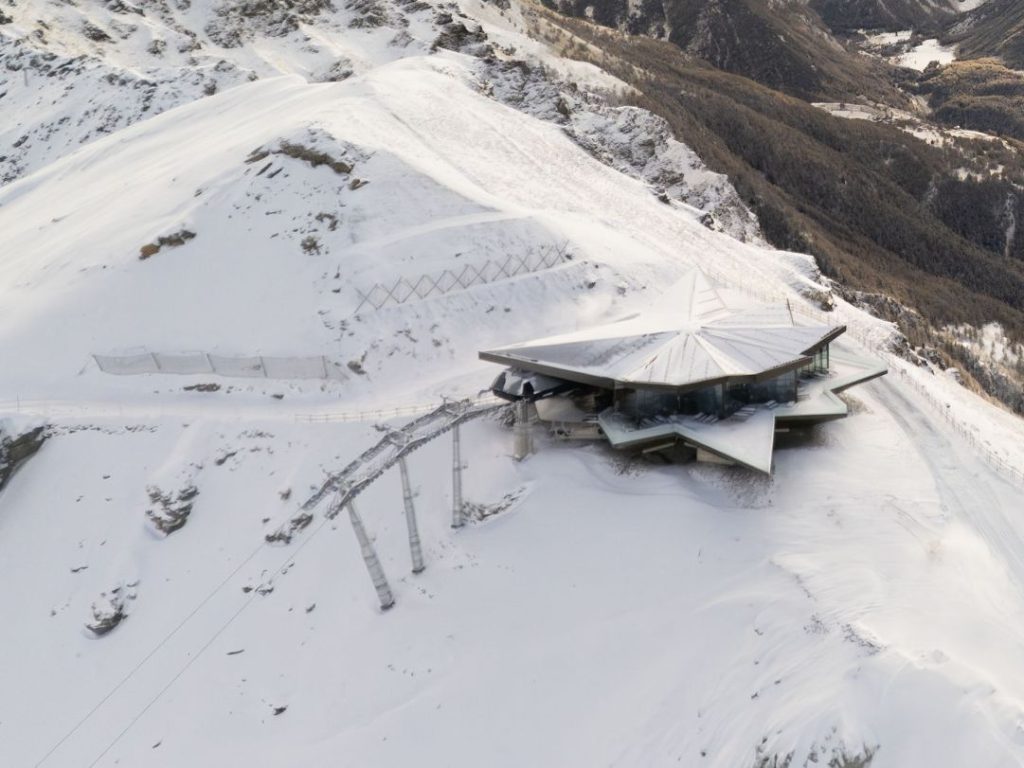
Building a cable-car system in or near this protected environment raises several key concerns:
🦌 Wildlife Impact
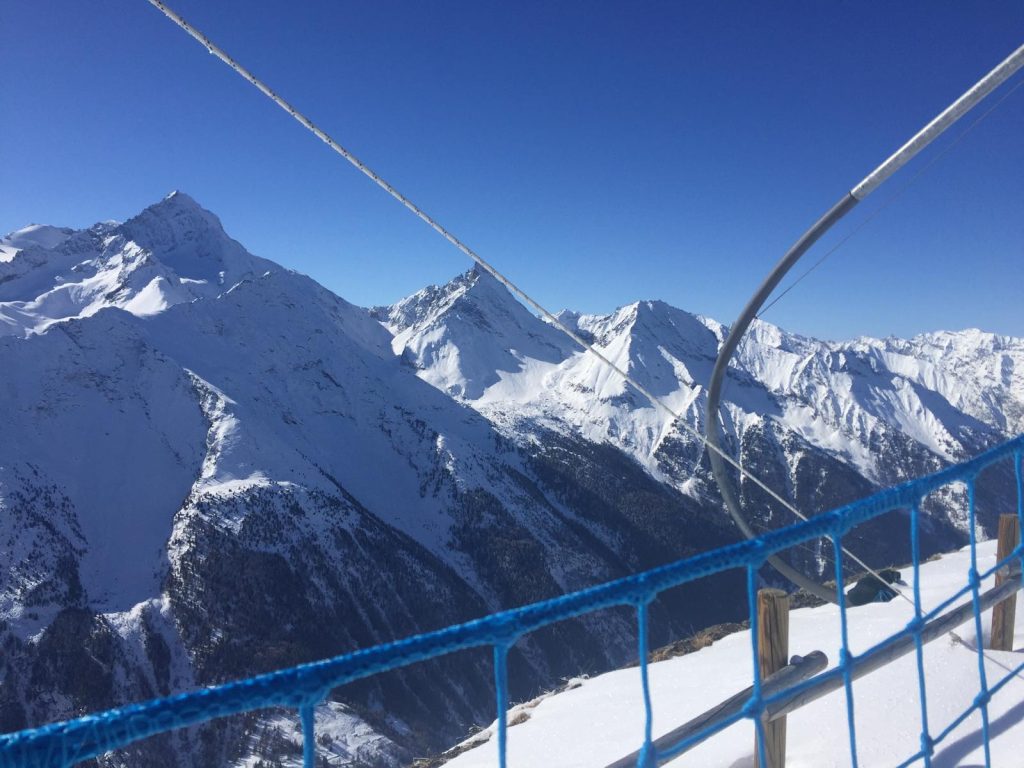
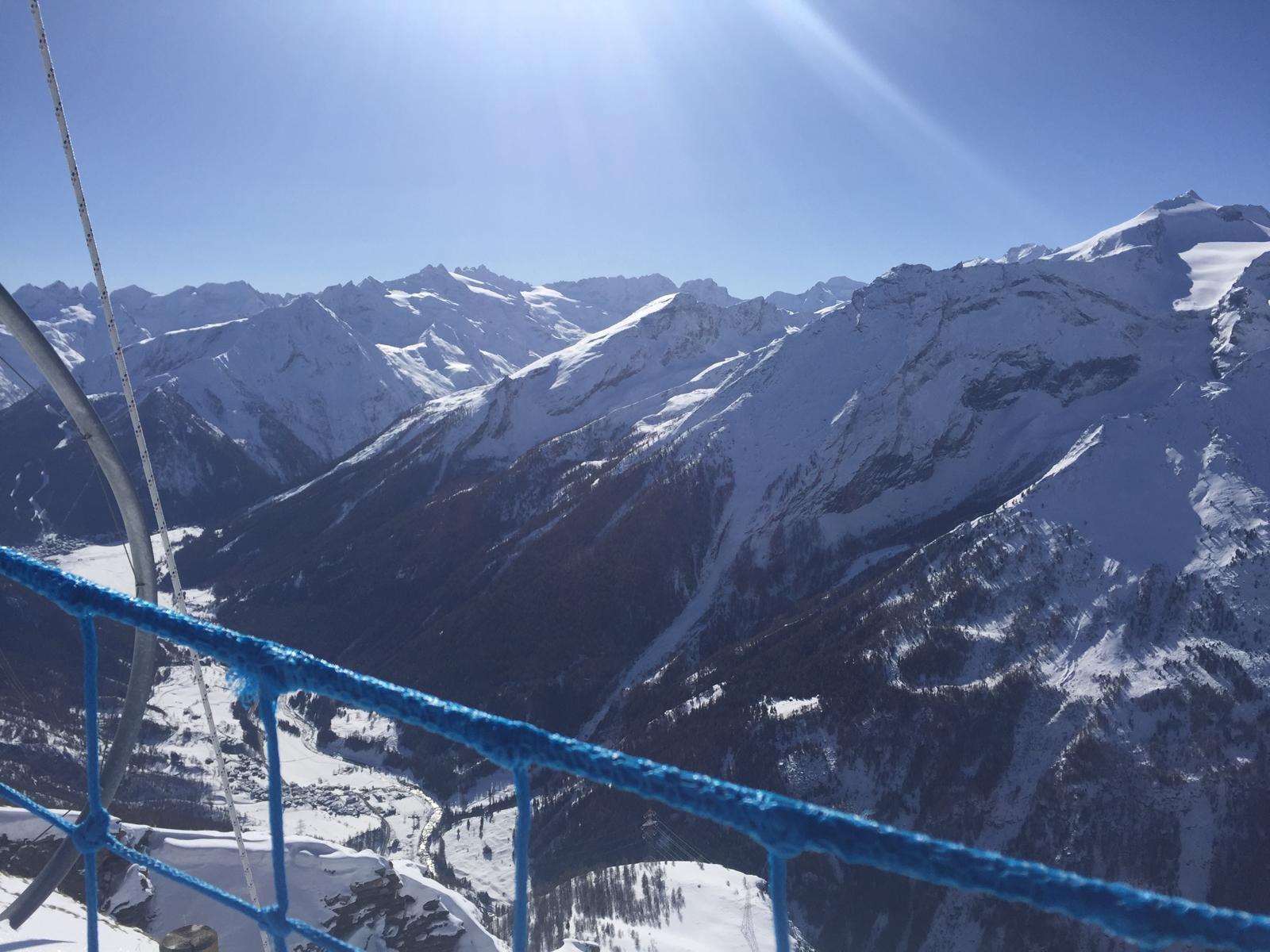
Alpine ecosystems are fragile. Any infrastructure — pylons, cables, stations — may disrupt animal movement patterns, especially for species like ibex, chamois, and foxes that rely on quiet corridors.
 Subscribe to The-Ski-Guru here.
You must be logged in to post a comment.