

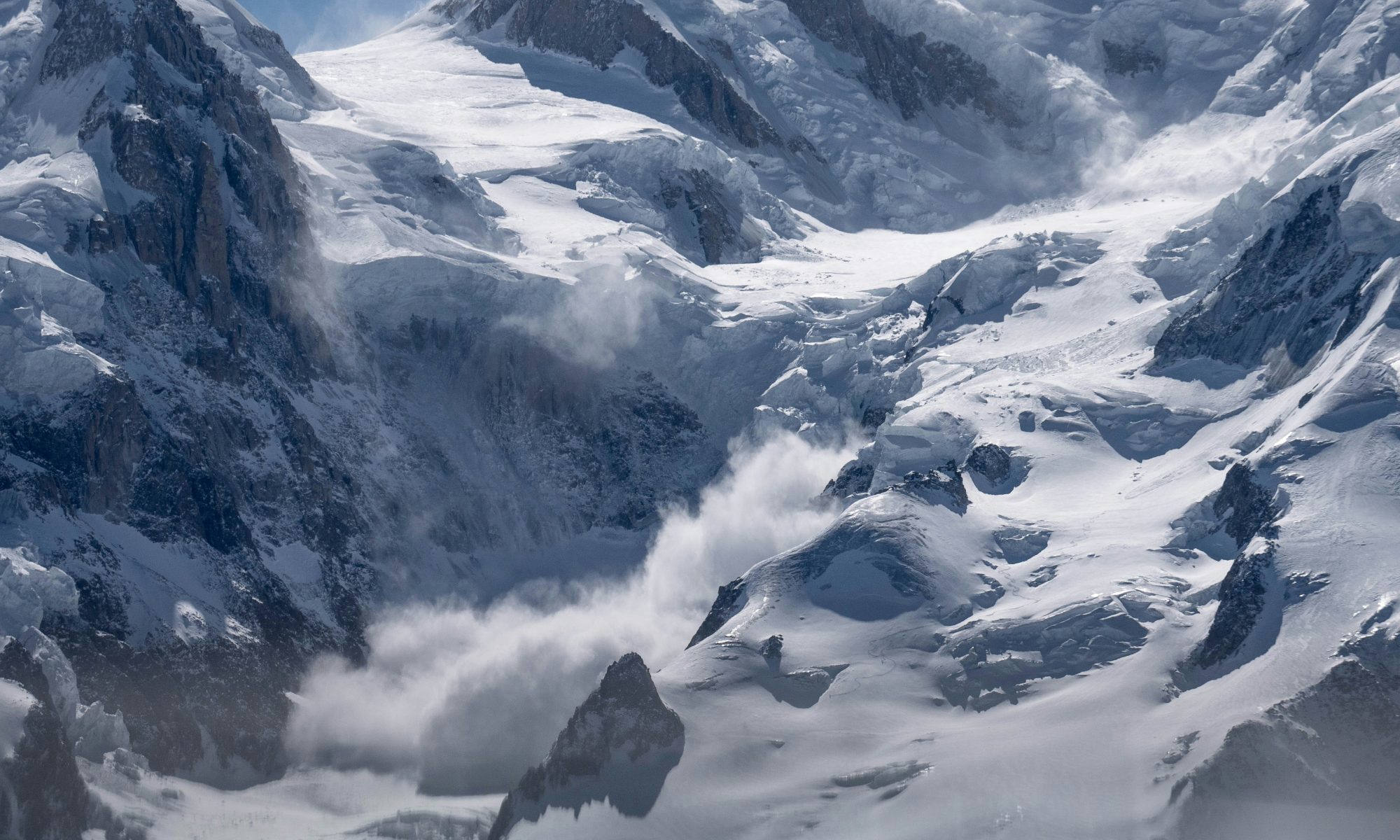
Level 5 avalanche danger is classified as “Very High” on the European Avalanche Danger Scale. It represents the most extreme level of avalanche risk and is issued only in rare and severe conditions.
When authorities declare Level 5, widespread natural avalanches are expected — including large, destructive slides that can reach valley floors and infrastructure.
Many accidents occur during periods shaped by extreme weather in the Alps, particularly when conditions change rapidly.
The European Avalanche Danger Scale (1–5)
Avalanche danger in Europe is rated from 1 to 5:
1 – Low
2 – Moderate
3 – Considerable
4 – High
5 – Very High
Level 5 is the highest and rarest classification.
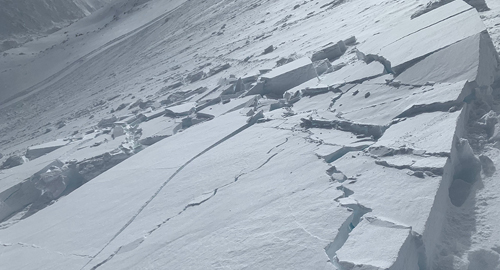
What Happens at Level 5?
Under Level 5 conditions:
- Numerous natural avalanches are expected
- Very large and destructive avalanches are likely
- Avalanches may reach roads, forests, ski runs and buildings
- Travel in alpine terrain becomes extremely dangerous
- Even low-angle slopes may be unstable
Unlike Level 4, where human-triggered avalanches are very likely, Level 5 means the snowpack is so unstable that avalanches occur naturally and widely without human involvement.
What Level 5 Means for Skiers and Visitors
At Level 5:
✔ Off-piste travel should be avoided entirely
✔ Backcountry touring is strongly discouraged
✔ Some ski resorts may close terrain or entire sectors
✔ Roads and mountain passes may shut due to avalanche risk
✔ Controlled blasting and mitigation efforts intensify
Authorities may issue emergency alerts during Level 5 situations.

How Level 5 Differs From Level 4
Level 4 (“High”) already indicates serious instability and likely natural avalanches.
However:
 Subscribe to The-Ski-Guru here.
You must be logged in to post a comment.