Avalanche Above Pila: Two Ski Mountaineers Rescued at Punta Valletta

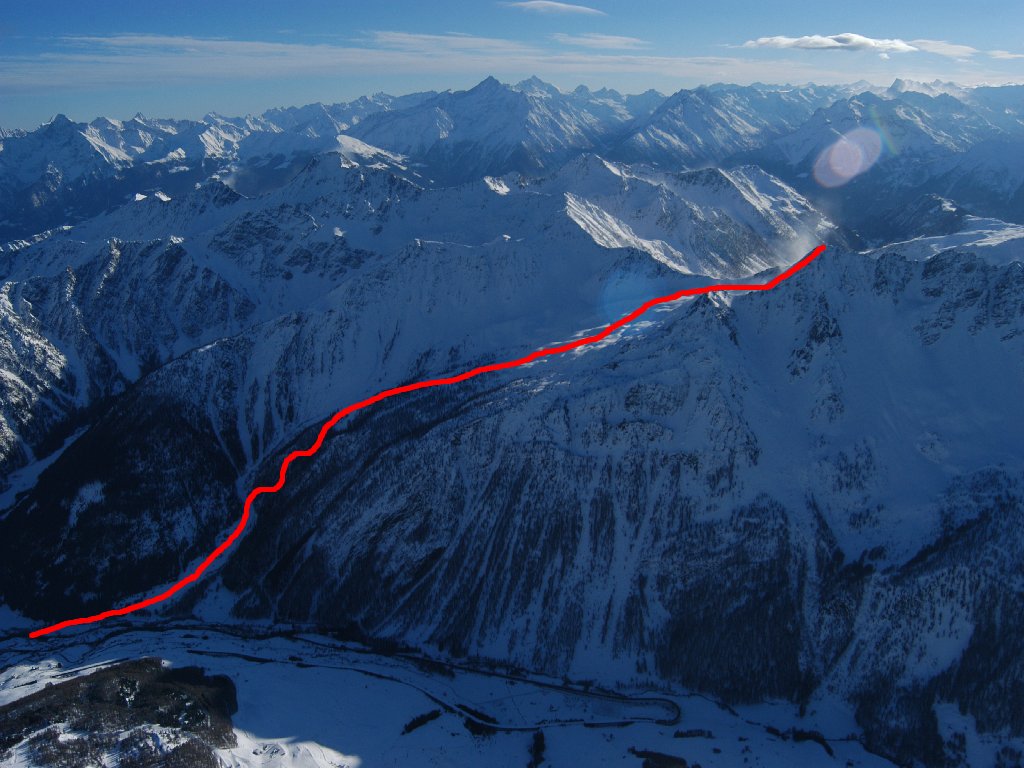
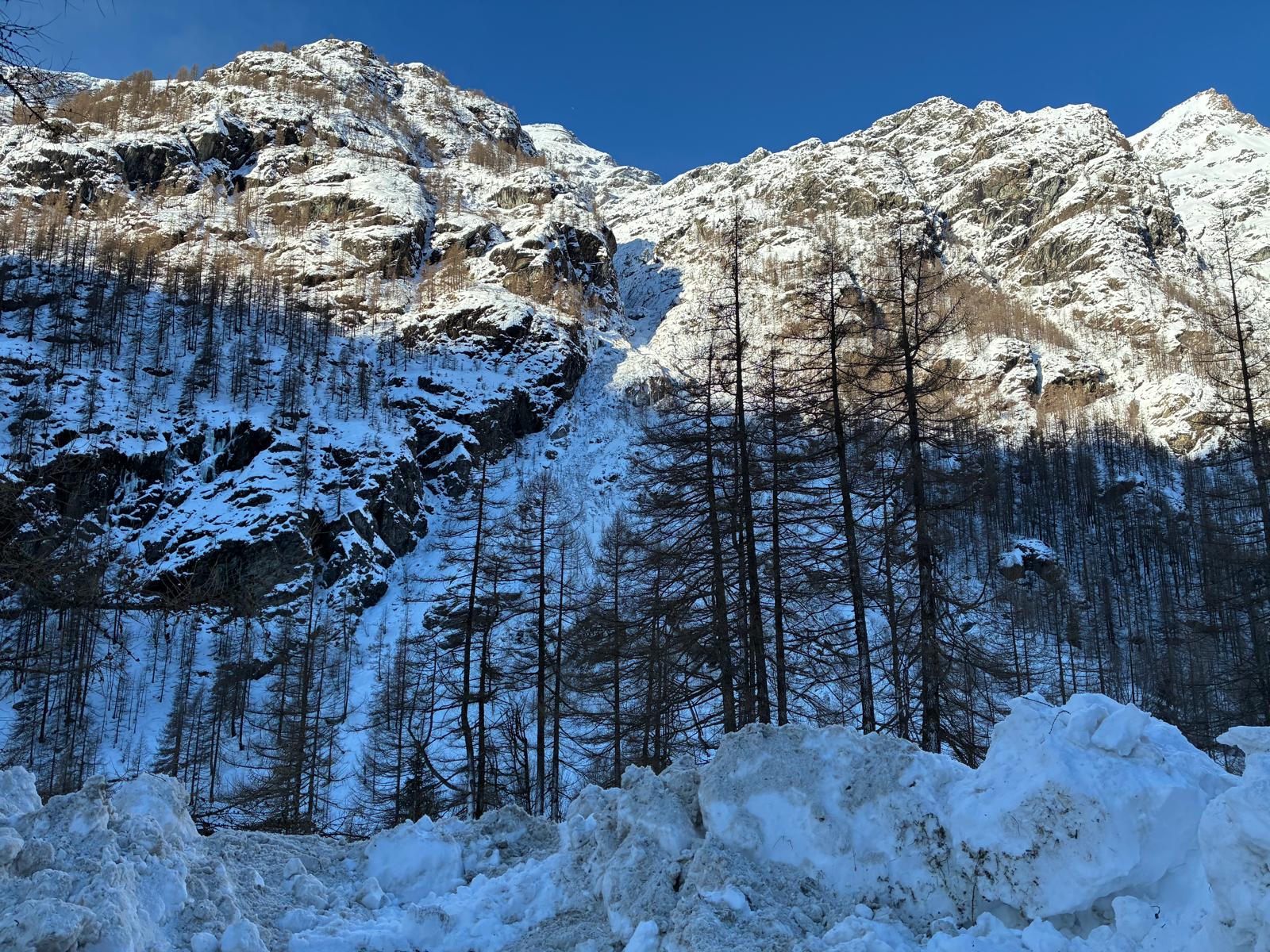
Punta Valletta. Pila. Photo: Lovevda.

An avalanche occurred today at Punta Valletta, above the resort of Pila in the Aosta Valley, involving two ski mountaineers.

According to local reports, the avalanche was triggered shortly after 14:15. Both skiers were caught and temporarily buried.

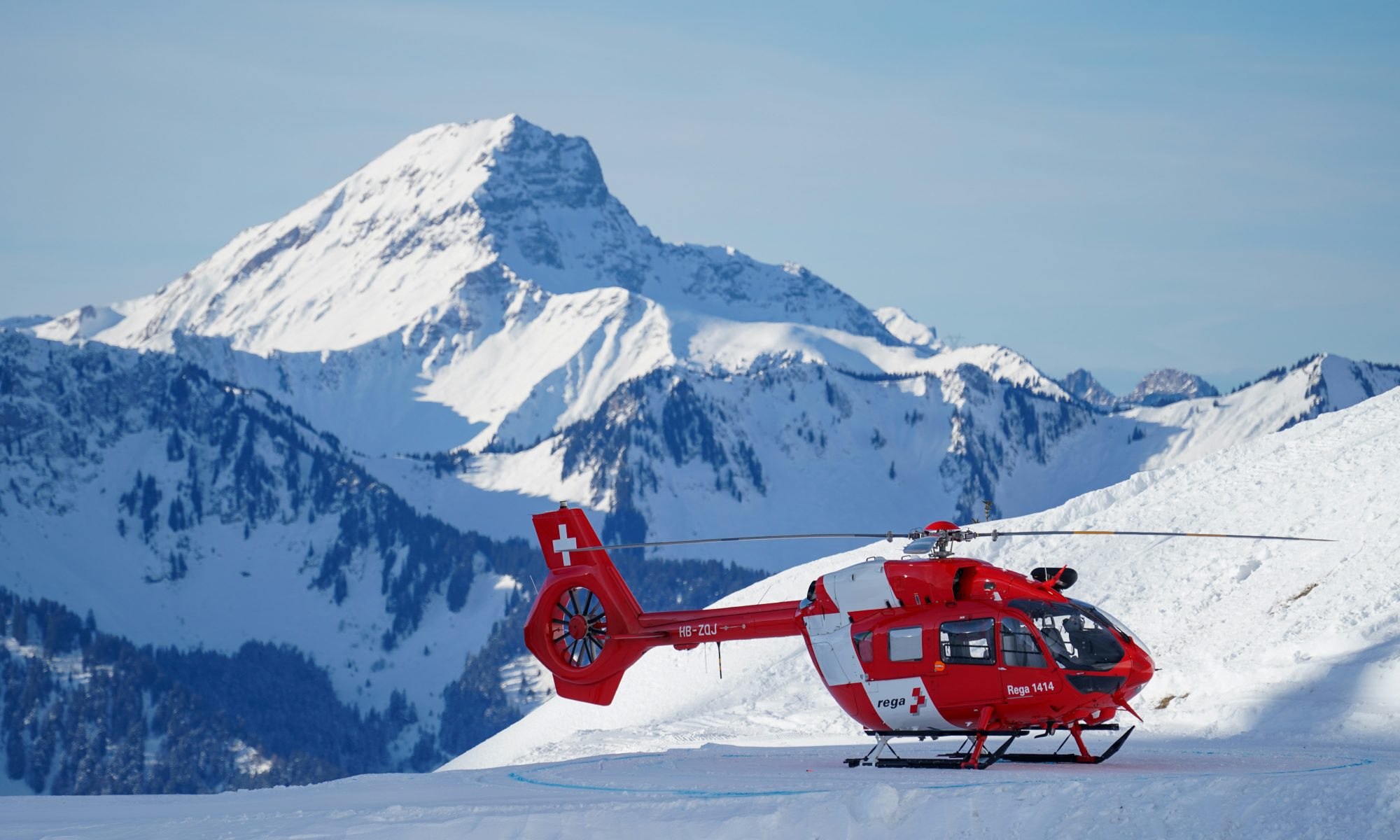
They were rescued by the Soccorso Alpino Valdostano and transported by helicopter to the Ospedale Parini in Aosta. Fortunately, neither sustained serious injuries and they were expected to be discharged.

This incident forms part of the broader February 2026 avalanche cycle across the Alps, which saw widespread Level 4 and Level 5 danger across multiple countries.


What Happened at Punta Valletta?

Punta Valletta is a well-known ski touring objective above Pila, frequently accessed by experienced ski mountaineers seeking terrain beyond the marked ski area boundaries.

While full technical details of the snowpack at the exact release point have not yet been officially published, the incident once again highlights how unstable layers and wind-loaded slopes can persist even when conditions appear manageable.

This event follows several other avalanche incidents reported across the region this February. For a broader overview, see our full coverage:
Aosta Valley Avalanche Incidents – February 2026. 
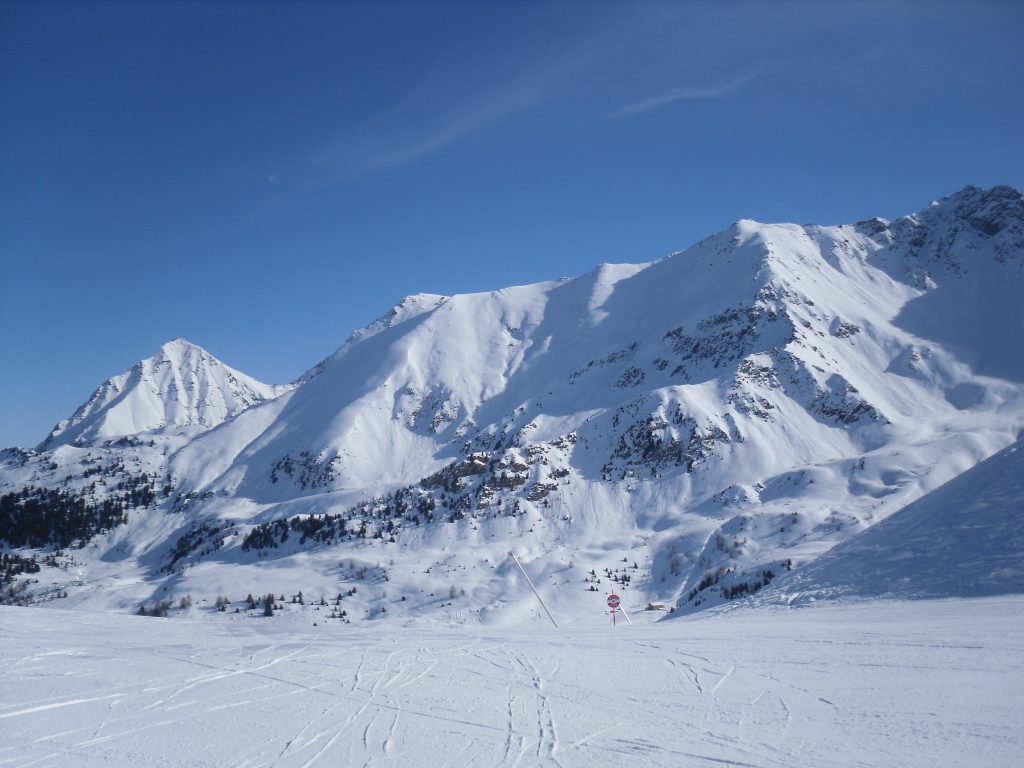

Pila ski resort. Photo: Snow-Forecast.com

Continue reading “Avalanche Above Pila: Two Ski Mountaineers Rescued at Punta Valletta”
Hiker Rescued After Large Avalanche in Gressoney-La-Trinité (Aosta Valley)

Avalanche in Gressoney. Photo: Aosta Sera.

A dramatic rescue operation unfolded on 13 February 2026 after a 44-year-old hiker was caught by a large avalanche above Gressoney-La-Trinité in the Aosta Valley. Trapped for around three hours under about 1.5 metres of snow, the man managed to call Italy’s emergency number 112 before losing movement — a call that would become the critical lifeline leading to his survival. 

Rescue teams, including Alpine rescuers, the Guardia di Finanza avalanche dog unit, vigili del fuoco (firefighters), forest rangers, drones and specialised search crews, worked through challenging conditions to locate and extract him. When finally freed, his body temperature was around 27 °C and he was suffering from severe cold exposure. He was flown to the hospital in Aosta and is now reported to be in stable condition. 

This incident forms part of the broader February 2026 avalanche cycle across the Alps, which saw widespread Level 4 and Level 5 danger across multiple countries.


Continue reading “Hiker Rescued After Large Avalanche in Gressoney-La-Trinité (Aosta Valley)”

Avalanche Warnings Ignored in the 2025–26 Ski Season: When Rescuers Risk Their Lives to Save Others

Photo: Yoshiki 787. Unsplash. Avalanche Warnings Ignored in the 2025–26 Ski Season: When Rescuers Risk Their Lives to Save Others.

🔹 TL;DR – Read This First

The 2025–26 winter season has seen unusually unstable snowpacks across both the Alps and North America.
Despite repeated avalanche warnings from ski patrols, mountain guides and rescue services, many skiers and snowboarders continue to go off-piste during high-risk periods — sometimes ignoring advice, challenging warnings, or reacting aggressively when asked to turn back.

When accidents happen, the same professionals who tried to prevent these decisions are forced to carry out complex and dangerous rescue operations, often in extremely unstable terrain. Respecting avalanche bulletins and closures doesn’t just protect skiers — it protects the rescuers who put their lives at risk to save others.

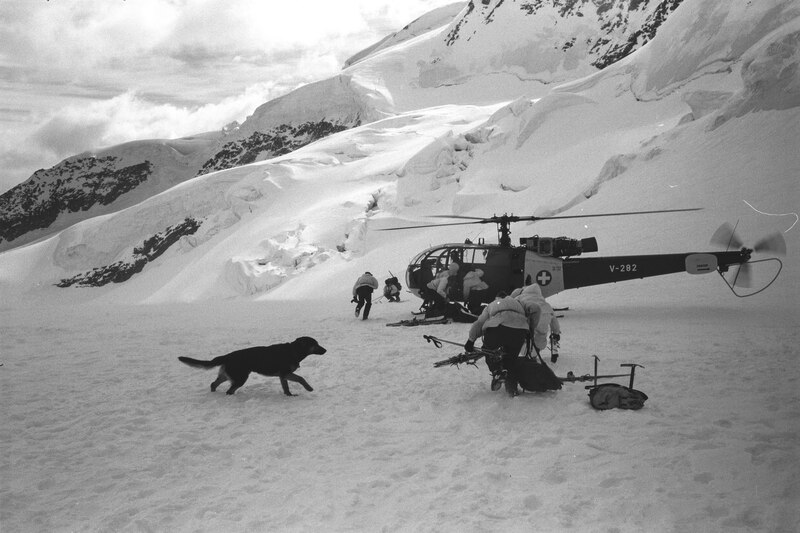
Photo: Herbert Maeder. Wikipedia Commons. Marco e Rosa Hutte. 1974. Avalanche Warnings Ignored in the 2025–26 Ski Season: When Rescuers Risk Their Lives to Save Others.

A Season Marked by Persistent Avalanche Danger

This winter has been characterised by fragile snowpacks, with weak layers buried under fresh snowfall across large parts of the Alps and several mountain regions in North America. Avalanche danger ratings have repeatedly reached considerable or high levels, particularly after storms, wind events, or rapid temperature changes.

Continue reading “Avalanche Warnings Ignored in the 2025–26 Ski Season: When Rescuers Risk Their Lives to Save Others”