

The Alps in a Wilder Weather Era: Climate Extremes, Pollution and Adaptation

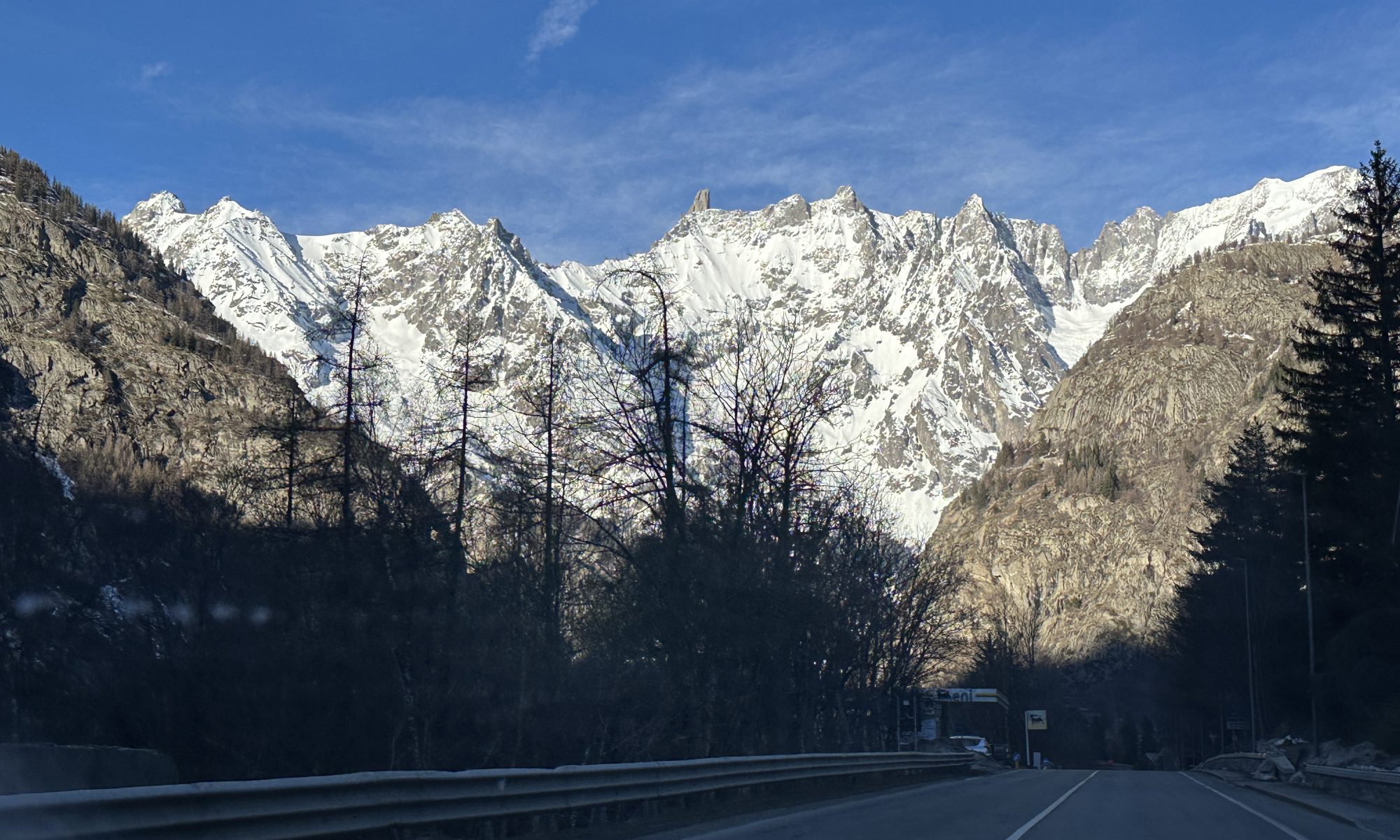
SS26 towards the Mont Blanc Tunnel with the Catena de Monte Bianco on the background. Photo: The-Ski-Guru.

Introduction

Weather patterns are becoming more volatile worldwide, with scientists increasingly pointing to sharper swings, clustered extremes, and less predictable seasons as a key signal of climate change.

In the Alps, however, these changes are not just visible — they are amplified by geography, altitude, and human infrastructure.

From pollution trapped in valleys like Chamonix to increasing avalanche cycles and rockfall risks, the region offers a clear picture of how global climate signals translate into real-world mountain impacts — and how Alpine regions are beginning to adapt.


A Global Signal — With Alpine Consequences

Recent climate analysis points to a shift away from stable seasonal patterns toward more erratic and extreme weather behaviour.

Continue reading “The Alps in a Wilder Weather Era: Climate Extremes, Pollution and Adaptation”

Swiss Alps Avalanche Danger Reaches Level 4 After Heavy Snowfall

Snowy conditions - photo Remi Jacquaint - Unsplash.

Heavy snowfall across parts of the Swiss Alps has pushed avalanche danger to Level 4 (High) in several regions south of the main Alpine ridge.

According to Swiss authorities, large amounts of fresh snow have accumulated in a short period, creating unstable snowpack conditions across mountainous areas. The highest snowfall totals were reported in Bosco-Gurin in the canton of Ticino, where 116 centimetres of snow fell within 24 hours.

The heavy snowfall has significantly increased the risk of avalanches, particularly on steep slopes where wind has transported fresh snow and created unstable slabs.

Continue reading “Swiss Alps Avalanche Danger Reaches Level 4 After Heavy Snowfall”