Eurotunnel EES update: new cameras approved ahead of ski season

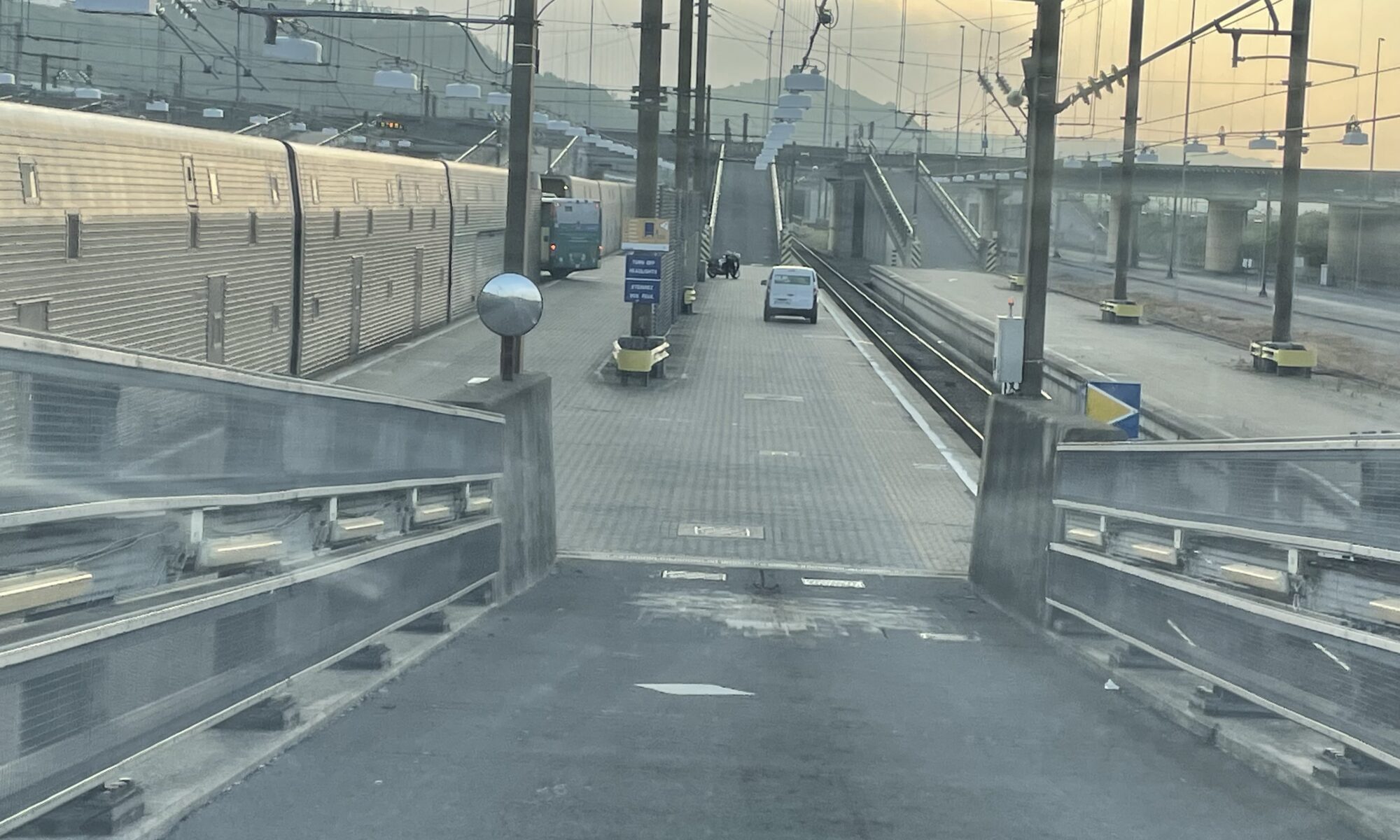
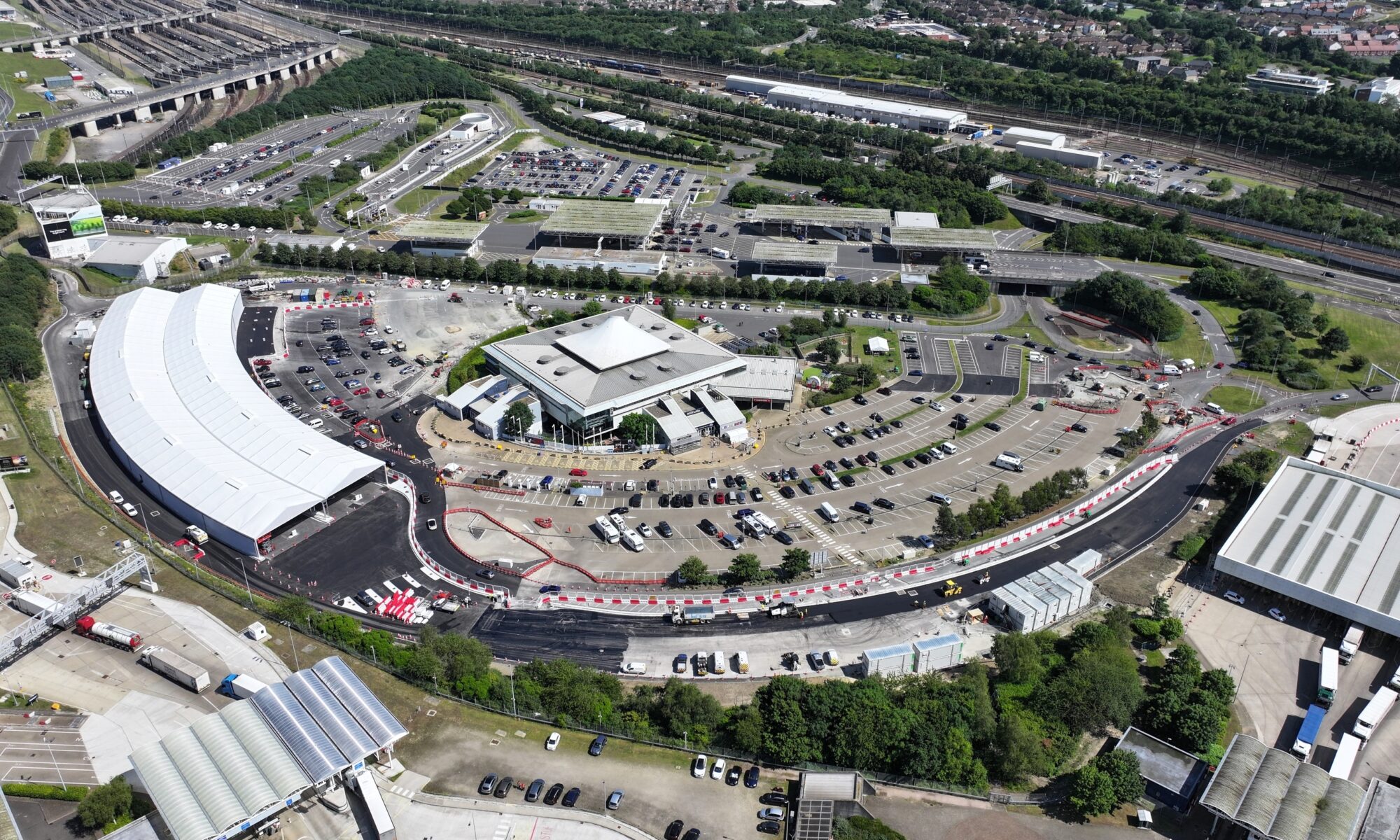
Folkestone terminal ready for EES. Photo: LeShuttle Eurotunnel.

British skiers planning to drive to the Alps this winter have a new development to follow at the Channel Tunnel. Camera technology designed to streamline the EU’s Entry/Exit System checks has been approved for Eurotunnel’s terminals at Folkestone and Calais.

However, approval does not mean the new procedure is already operating. Technical work remains, and there is still no confirmed launch date for the camera-supervised biometric checks.

For anyone organising a Christmas or February half-term ski trip, the announcement is a step towards managing the additional border procedures. It is too early to promise shorter queues.

Continue reading “Eurotunnel EES update: new cameras approved ahead of ski season”

Britons and Americans in France Can Use PARAFE E-Gates Again

Photo: CDG Airport. John Cameron. Unsplash.

France has confirmed that eligible British and American passport holders can once again use PARAFE automated e-gates at French borders, restoring access to a system that had been temporarily disrupted during the rollout of the EU’s new Entry/Exit System.

The confirmation is especially relevant for Britons and Americans living in France, as well as for frequent travellers using French airports, Eurostar terminals, ferry ports and the Channel Tunnel at a time when border processing has become a much bigger travel issue. I have already written about Eurotunnel delays and the new EU Entry/Exit System, and this latest update adds another practical layer for travellers moving between the UK, France and the wider Schengen area.

Continue reading “Britons and Americans in France Can Use PARAFE E-Gates Again”

Eurotunnel, Dover and the New EU EES: What UK Drivers to the Alps Should Know This Summer

Getting onboard the Eurotunnel from Folkestone to Calais.

UK travellers driving to France, the Alps or onward to Italy and Switzerland may need to allow extra time at Channel crossings this summer, as the EU’s new Entry/Exit System continues to bed in at major UK-France border points.

The EU Entry/Exit System, known as EES, became fully operational on 10 April 2026. It replaces manual passport stamping for non-EU short-stay travellers with a digital record of entry and exit, including passport data and, where required, biometric information such as facial images and fingerprints.

For many mountain travellers, the practical question is not the technology itself, but whether it could add time at the border. Eurotunnel LeShuttle explains that EES records biometric data and border-crossing details for non-EU nationals entering or leaving the Schengen Area, while Getlink has said the system began with a gradual rollout at Eurotunnel terminals before extending to passenger vehicles.

Continue reading “Eurotunnel, Dover and the New EU EES: What UK Drivers to the Alps Should Know This Summer”

🚗 Eurotunnel Half-Term Travel: No EES This Weekend & When to Arrive

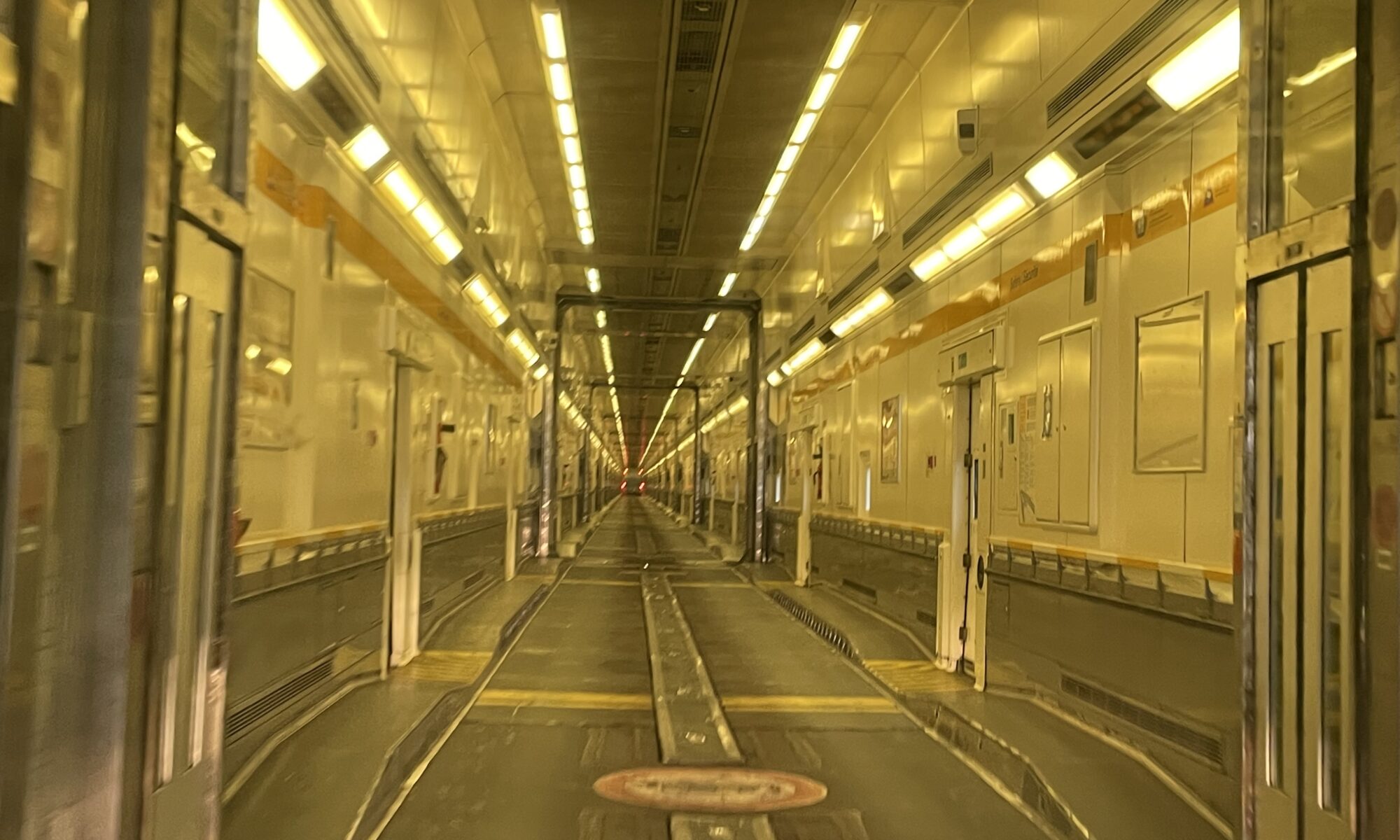
Back inside the Eurotunnel that took us to England. Our trip to the mountains for our summer holidays.

Eurotunnel has confirmed that the EU Entry-Exit System (EES) biometric checks will not be implemented for private car passengers this coming half-term weekend.


Update: Official avalanche bulletins now confirm rising instability in parts of the Alps following heavy snowfall and strong winds.

What this means for travellers

For drivers using Eurotunnel LeShuttle between Folkestone and Calais, border controls continue as normal, with passport stamping still in place and no biometric registration required for car passengers at this stage.

The biggest risk this weekend is misjudging arrival times, not EES.

Continue reading “🚗 Eurotunnel Half-Term Travel: No EES This Weekend & When to Arrive”

🛂 What the EU Entry/Exit System (EES) Means for Travellers (Updated)

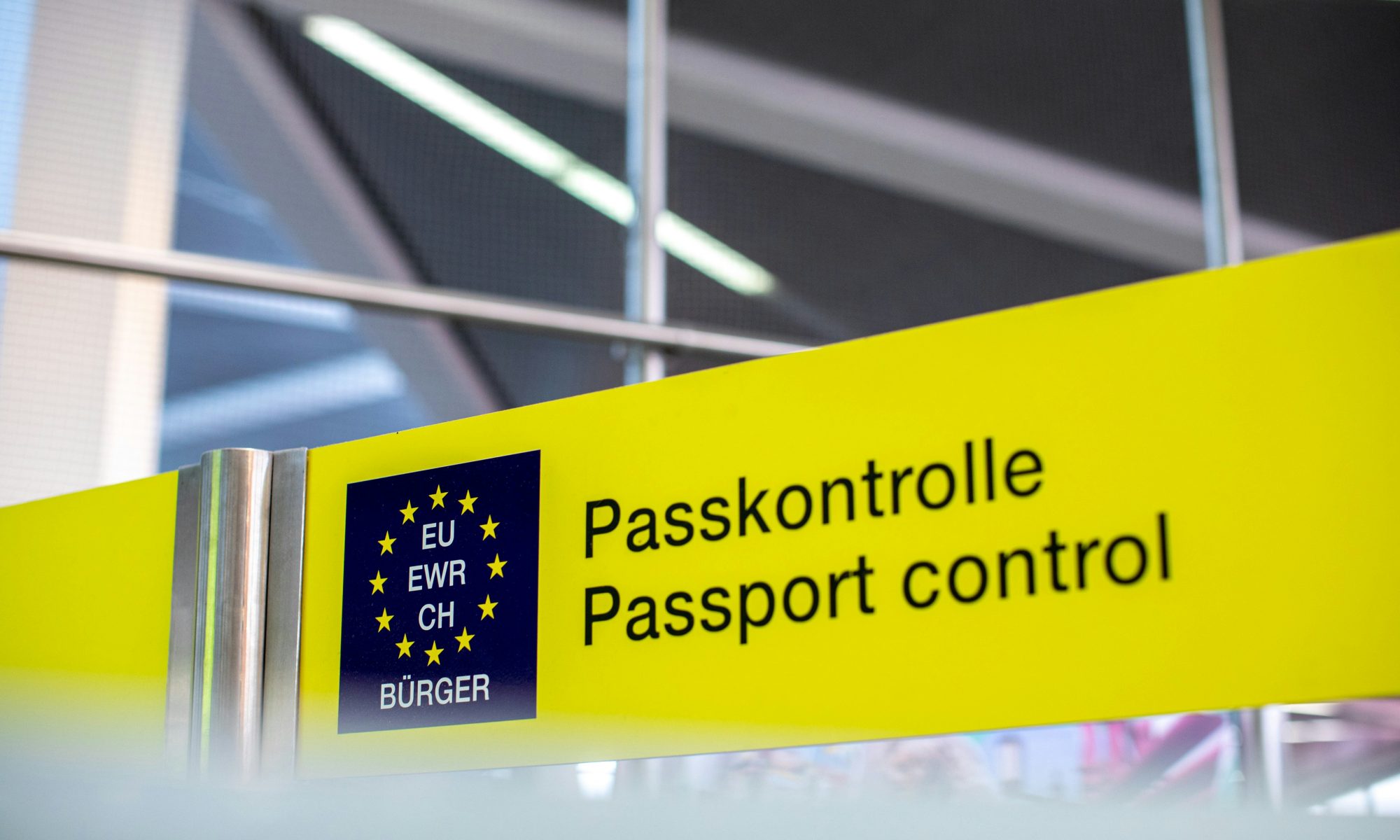
Airport in the EU. Photo: Daniel Schludi. Unsplash. 🛂 What the EU Entry/Exit System (EES) Means for Travellers (Updated).


The Entry/Exit System (EES) is a new digital border control system adopted by the European Union to register and monitor the movements of non-EU nationals entering and exiting the Schengen Area.

It replaces traditional passport stamping with an electronic system that records biometric information, specifically fingerprints and a facial image, alongside passport data.

The system is being rolled out in phases and is expected to become fully operational across the Schengen Area during 2026, following a period of gradual implementation.


Travel Disruption Concerns and Phased Rollout

In early 2026, EU authorities confirmed that full enforcement of EES would be introduced gradually, following concerns about long queues and border congestion during peak travel periods.

Continue reading “🛂 What the EU Entry/Exit System (EES) Means for Travellers (Updated)”