Aosta Valley Avalanche Alert: Wet Snow Slides Reach Valley Floors (27 Feb 2026)

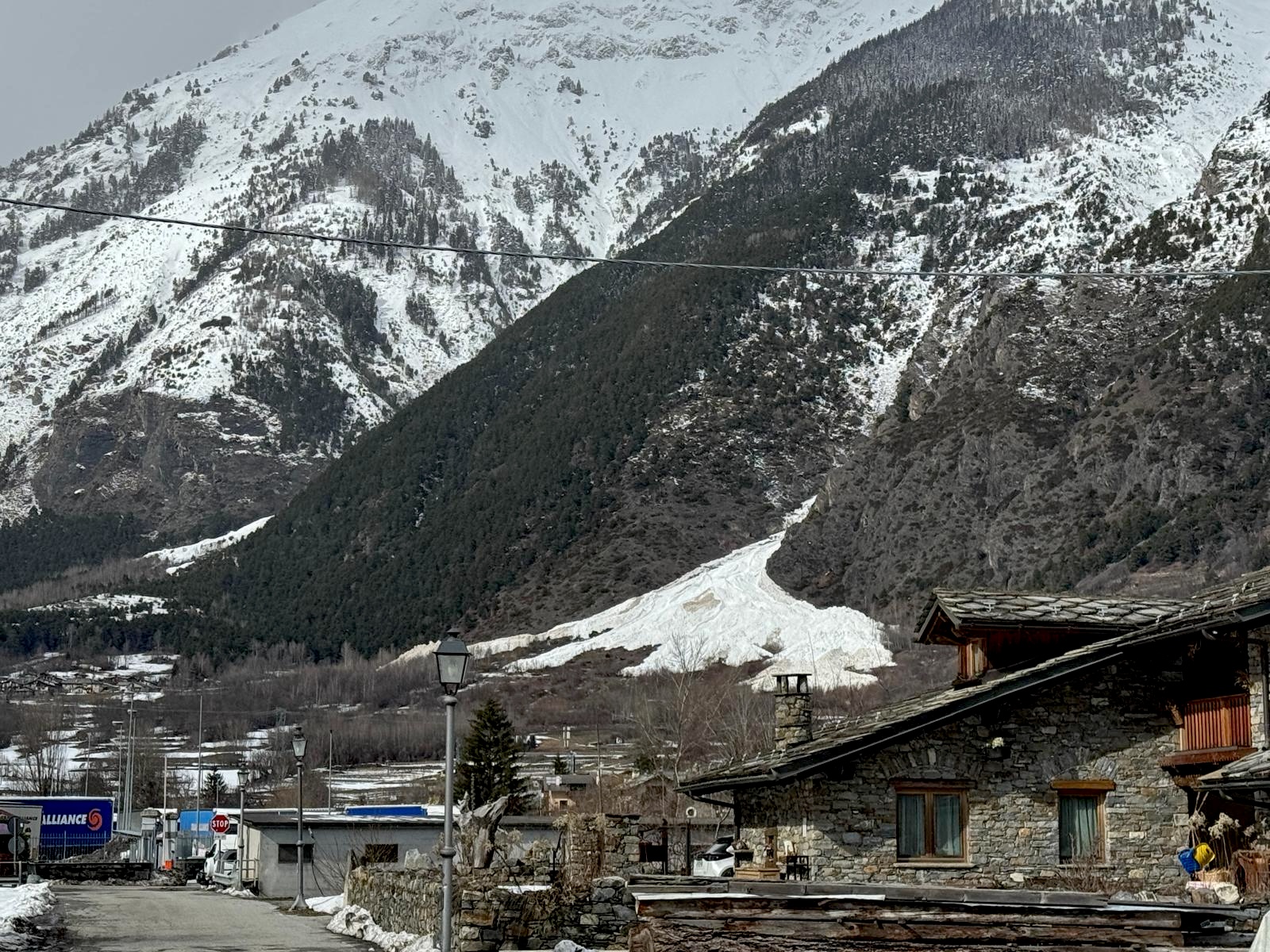
Wet snow avalanche descending toward Lavancher near Morgex, Aosta Valley, February 2026

Following a week of heavy snowfall and strong winds, the Aosta Valley has entered a new avalanche phase characterised by large spontaneous releases and widespread wet snow instability.

According to the official bulletin issued on 27 February 2026, numerous avalanches have reached valley bottoms, affecting accessibility and prompting evacuations. Fatal accidents during this period underline once again the seriousness of the current winter conditions.

This update reflects the ongoing evolution of the February 2026 Alpine avalanche cycle.


New Spontaneous Avalanche Cycle

Heavy snowfall combined with wind loading triggered:

  • Large spontaneous avalanches
  • Events involving significant powder cloud components
  • Several avalanches reaching valley floors

In multiple cases, infrastructure and access routes were affected.

Continue reading “Aosta Valley Avalanche Alert: Wet Snow Slides Reach Valley Floors (27 Feb 2026)”
La Chapelle-d’Abondance Avalanche – Two Ski Tourers Killed in Haute-Savoie

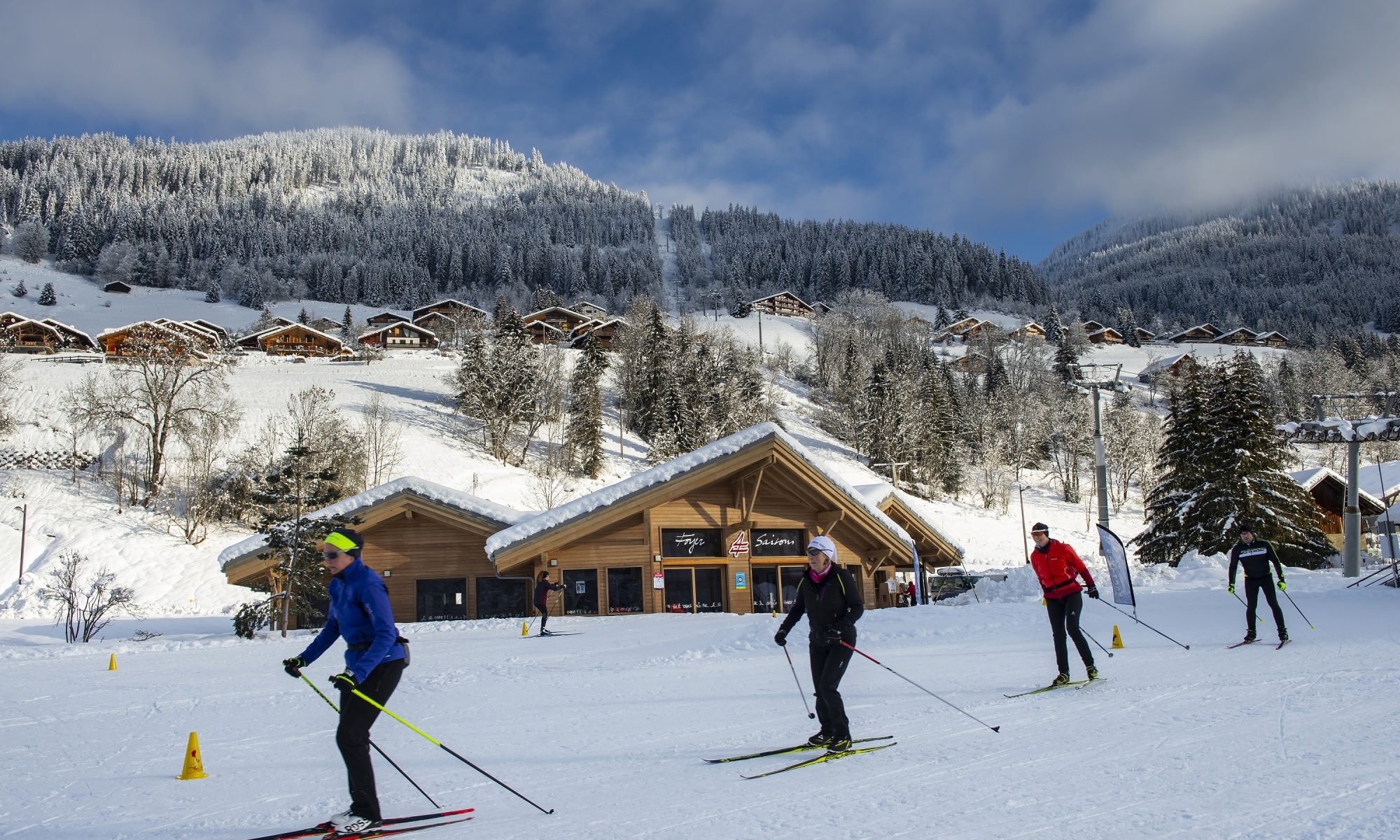
La Chapelle d'Abondance. Photo: Auvergne Rhône Alpes Tourisme.

Two female ski tourers lost their lives in an avalanche near La Chapelle-d’Abondance, in Hautes-Savoie, on Sunday, 22 February 2026, according to regional French media including Le Dauphiné Libéré.

The accident occurred in backcountry terrain above the village in the northern French Alps, an area popular with ski touring enthusiasts during winter conditions.

Emergency services were deployed to the scene, but the two women could not be revived.

This incident forms part of the broader February 2026 avalanche cycle across the Alps, which saw widespread Level 4 and Level 5 danger across multiple countries.

This event is part of a wider pattern of extreme weather in the Alps, where increasingly unstable conditions are affecting snowpack and safety.

La Chapelle-d’Abondance lies in the Abondance Valley, part of the wider Portes du Soleil region in Haute-Savoie, close to the Swiss border.

While the resort area offers managed pistes, the surrounding terrain includes steep backcountry slopes that can become unstable following snowfall and wind transport.

Continue reading “La Chapelle-d’Abondance Avalanche – Two Ski Tourers Killed in Haute-Savoie”

February 2026 Avalanche Cycle Across the Alps: Fatalities, Level 4 & Level 5 Alerts

Avalanche in Lavancher- Morgex, Aosta Valley. Photo: The-Ski-Guru.

February 2026 Avalanche Cycle Across the Alps

Fatalities, Level 4 & Level 5 Alerts Across France, Italy and Switzerland

Updated: 25 February 2026

Repeated Level 4 (Strong) and, in some regions, Level 5 (Very Strong) avalanche danger ratings were issued across multiple Alpine regions during the second half of February 2026 according to the European avalanche danger scale, following intense snowfall, wind loading and rapid temperature fluctuations.

Fatal incidents have now been reported in France, Italy (including Aosta Valley and Lombardy), Austria and Switzerland during a period of widespread structural instability in the snowpack.

This cycle reflects broader shifts linked to extreme weather in the Alps, with more volatile snowfall and rapid warming phases.

Similar patterns are being reported beyond Europe, including recent fatal avalanches in northern British Columbia under Considerable danger ratings.

And now, another is re-emerging, as shown in recent wind slab avalanche activity across the French Alps following a new storm cycle.

This page consolidates confirmed events, official warnings and the broader cross-border pattern observed during this cycle.


Overview of the February 2026 Avalanche Cycle

The instability phase developed following:

• Multi-day snowfall events (locally 80–100 cm)
• Strong wind transport forming slab layers
• Persistent weak layers buried earlier in the season
• Rapid warming periods reducing stability

Between 20–25 February, several Alpine regions simultaneously recorded elevated danger ratings and fatal incidents.

Continue reading “February 2026 Avalanche Cycle Across the Alps: Fatalities, Level 4 & Level 5 Alerts”

Avalanche on Becca di Nana, Aosta Valley – Ski Tourer Killed in Val d’Ayas

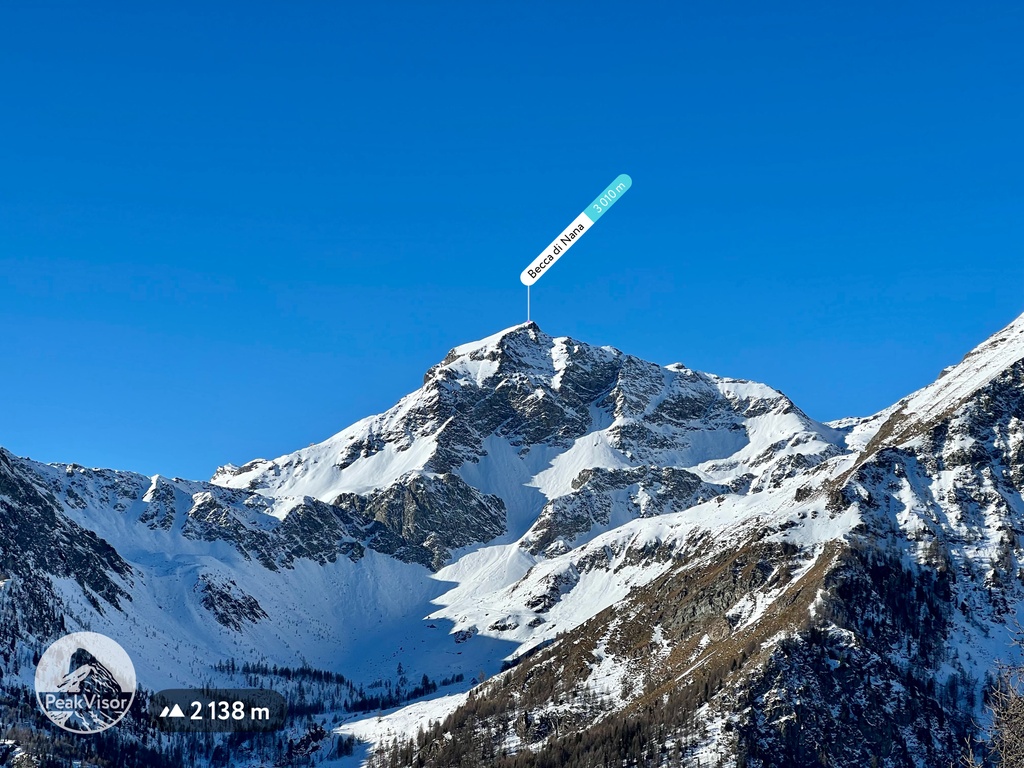
Becca di Nana. Peakvisor.

A ski mountaineer has died after being caught in an avalanche on Becca di Nana in Val d’Ayas, Aosta Valley, on 22 February 2026.

The victim, identified in Italian media as a 50-year-old man from Lombardy, had set out alone for a ski tour in the high-altitude terrain above Champoluc. When he failed to return, his wife alerted emergency services.

This incident forms part of the broader February 2026 avalanche cycle across the Alps, which saw widespread Level 4 and Level 5 danger across multiple countries.

Rescue Operation at 3,000 Metres

Mountain Rescue teams from the Valle d’Aosta Alpine Rescue Service (Soccorso Alpino Valdostano) and the Guardia di Finanza located the victim at approximately 3,000 metres on the slopes of Becca di Nana.

Continue reading “Avalanche on Becca di Nana, Aosta Valley – Ski Tourer Killed in Val d’Ayas”

Luciano Capasso Killed in Avalanche Near St. Moritz

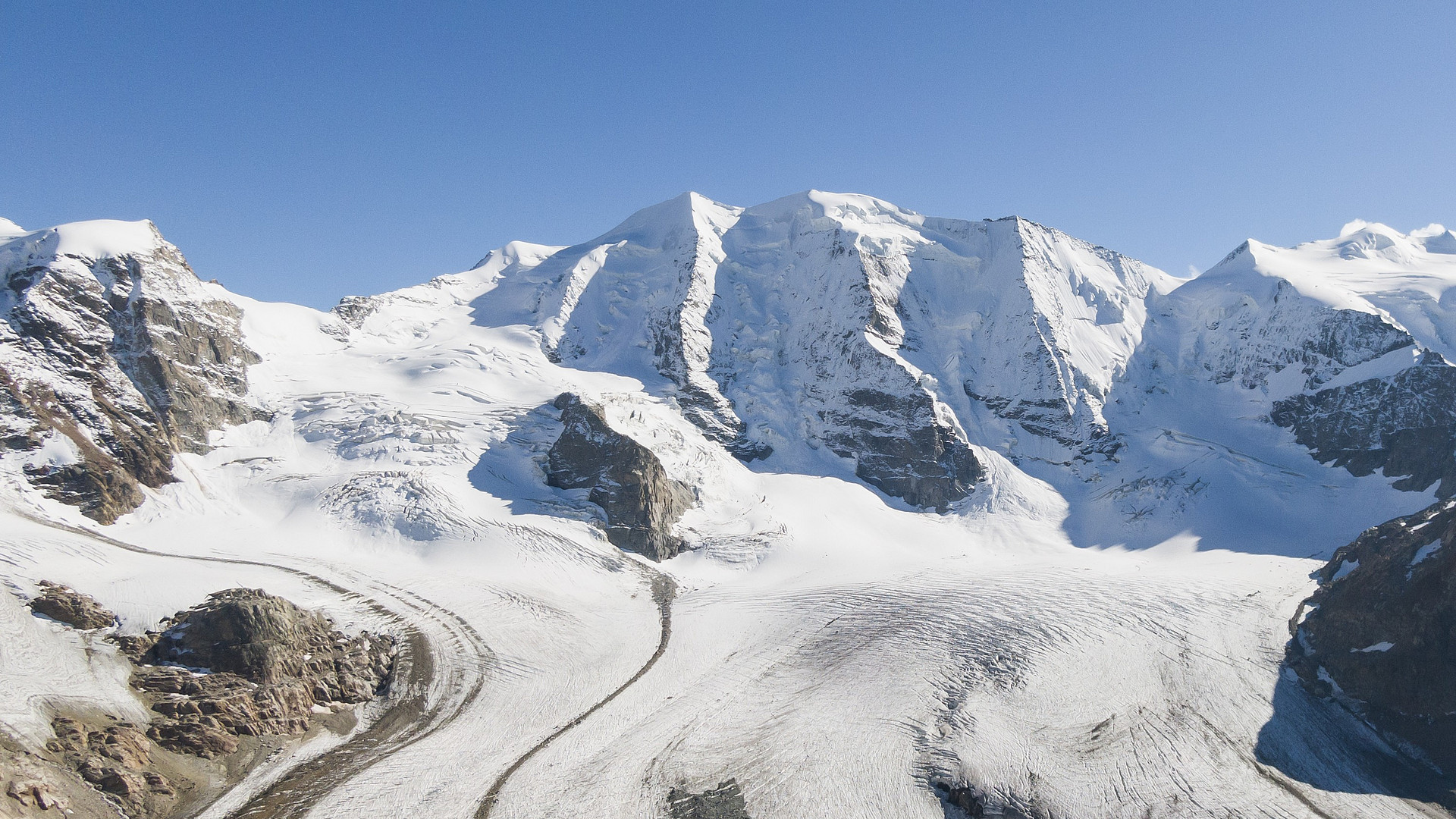
Corvatsch-Diavolezza- Lagarb. Photo credit: Corvatsch-diavolezza.

Luciano Capasso, a 25-year-old Italian resident of St. Moritz, has been confirmed dead after being caught in an avalanche during Level 4 (“Strong”) avalanche danger conditions while on a solo mountain excursion above the resort.

Capasso, originally from Qualiano near Naples, had been living and working in the Swiss Alpine town, where he was employed at the renowned Badrutt’s Palace Hotel.

He had set out alone for a hike in the high-altitude terrain near Fuorcla Trovat, in the Upper Engadin region.

This incident forms part of the broader February 2026 avalanche cycle across the Alps, which saw widespread Level 4 and Level 5 danger across multiple countries.


Avalanche Reported as Cause

Initial reports referenced severe snowstorm conditions. Subsequent reporting from Italian and Swiss media indicates that Capasso was caught in an avalanche during a period classified as Level 4 (“Strong”) on the European avalanche danger scale.

Continue reading “Luciano Capasso Killed in Avalanche Near St. Moritz”

What Level 4 Avalanche Danger Means

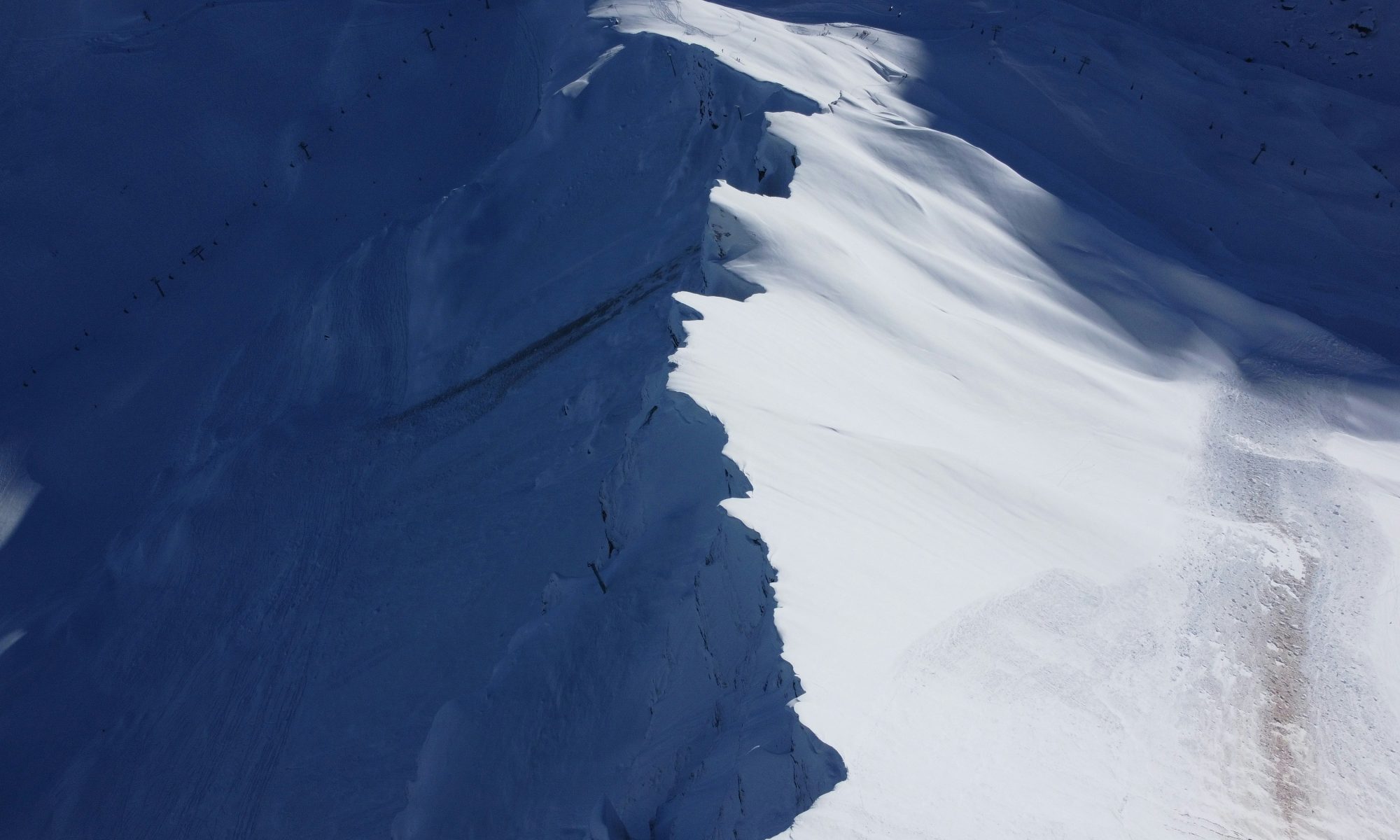
Photo: Kokex 1213. Unsplash. Engelberg, Switzerland.

Level 4 avalanche danger is classified as “High” on the European Avalanche Danger Scale. It indicates a very unstable snowpack and a significant probability of both natural and human-triggered avalanches.

Level 4 is part of the European Avalanche Danger Scale used across the Alps, which helps skiers and mountaineers understand snow stability and avalanche risk.

When authorities issue Level 4, off-piste and backcountry travel become highly risky.

Many accidents occur during periods shaped by extreme weather in the Alps, particularly when conditions change rapidly.


The European Avalanche Danger Scale (1–5)

Avalanche danger in Europe is rated from 1 to 5:

1 – Low
2 – Moderate
3 – Considerable
4 – High
5 – Very High

Level 4 is the second-highest rating and represents serious instability.


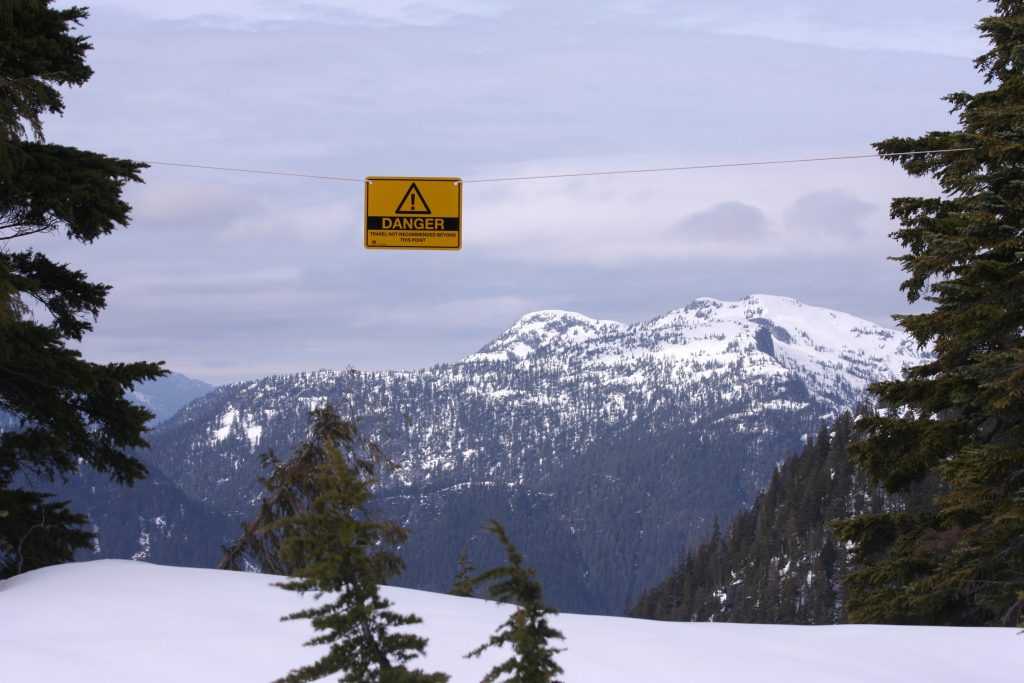
Mont Seymour. Veronica Dudarev. Unsplash.

What Happens at Level 4?

Under Level 4 conditions:

  • Natural avalanches are likely
  • Human-triggered avalanches are very likely
  • Large avalanches may occur on many steep slopes
  • Weak layers in the snowpack are widespread
  • Wind loading often increases instability

Avalanches can occur even with minimal additional loading — meaning a single skier or snowboarder can trigger a slide.

Continue reading “What Level 4 Avalanche Danger Means”