February 2026 Avalanche Cycle Across the Alps: Fatalities, Level 4 & Level 5 Alerts

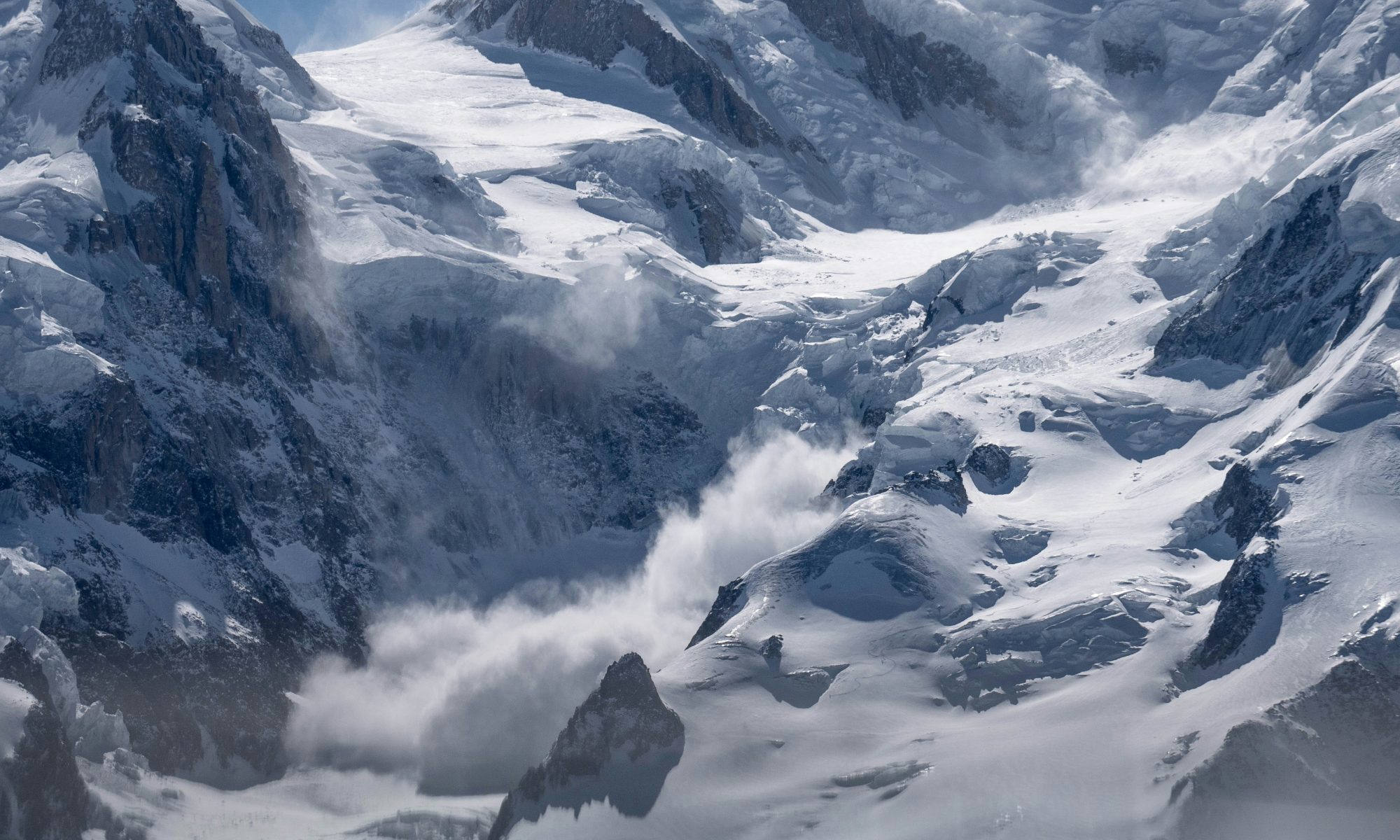
Avalanche in Lavancher- Morgex, Aosta Valley. Photo: The-Ski-Guru.

February 2026 Avalanche Cycle Across the Alps

Fatalities, Level 4 & Level 5 Alerts Across France, Italy and Switzerland

Updated: 25 February 2026

Repeated Level 4 (Strong) and, in some regions, Level 5 (Very Strong) avalanche danger ratings were issued across multiple Alpine regions during the second half of February 2026 according to the European avalanche danger scale, following intense snowfall, wind loading and rapid temperature fluctuations.

Fatal incidents have now been reported in France, Italy (including Aosta Valley and Lombardy), Austria and Switzerland during a period of widespread structural instability in the snowpack.

This cycle reflects broader shifts linked to extreme weather in the Alps, with more volatile snowfall and rapid warming phases.

Similar patterns are being reported beyond Europe, including recent fatal avalanches in northern British Columbia under Considerable danger ratings.

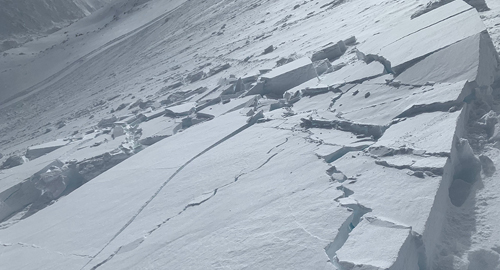
And now, another is re-emerging, as shown in recent wind slab avalanche activity across the French Alps following a new storm cycle.

This page consolidates confirmed events, official warnings and the broader cross-border pattern observed during this cycle.


Overview of the February 2026 Avalanche Cycle

The instability phase developed following:

• Multi-day snowfall events (locally 80–100 cm)
• Strong wind transport forming slab layers
• Persistent weak layers buried earlier in the season
• Rapid warming periods reducing stability

Between 20–25 February, several Alpine regions simultaneously recorded elevated danger ratings and fatal incidents.
Continue reading “February 2026 Avalanche Cycle Across the Alps: Fatalities, Level 4 & Level 5 Alerts”

What Level 5 Avalanche Danger Means

Avalanche in Chamonix. Stock photo: Krzysztof Kowalik. Unsplash.

Level 5 avalanche danger is classified as “Very High” on the European Avalanche Danger Scale. It represents the most extreme level of avalanche risk and is issued only in rare and severe conditions.

When authorities declare Level 5, widespread natural avalanches are expected — including large, destructive slides that can reach valley floors and infrastructure.

Many accidents occur during periods shaped by extreme weather in the Alps, particularly when conditions change rapidly.


The European Avalanche Danger Scale (1–5)

Avalanche danger in Europe is rated from 1 to 5:

1 – Low
2 – Moderate
3 – Considerable
4 – High
5 – Very High

Level 5 is the highest and rarest classification.


Wind slab. Scottish Avalanche Information Service. Sais.gov. Foehn Winds and Rising Avalanche Risk in the Alps: What Skiers Need to Know.
Wind slab. Scottish Avalanche Information Service. Sais.gov.

What Happens at Level 5?

Under Level 5 conditions:

  • Numerous natural avalanches are expected
  • Very large and destructive avalanches are likely
  • Avalanches may reach roads, forests, ski runs and buildings
  • Travel in alpine terrain becomes extremely dangerous
  • Even low-angle slopes may be unstable

Unlike Level 4, where human-triggered avalanches are very likely, Level 5 means the snowpack is so unstable that avalanches occur naturally and widely without human involvement.


What Level 5 Means for Skiers and Visitors

At Level 5:

✔ Off-piste travel should be avoided entirely
✔ Backcountry touring is strongly discouraged
✔ Some ski resorts may close terrain or entire sectors
✔ Roads and mountain passes may shut due to avalanche risk
✔ Controlled blasting and mitigation efforts intensify

Authorities may issue emergency alerts during Level 5 situations.


Skiing in Courmayeur. Aretu Wall. In my shop here.

How Level 5 Differs From Level 4

Level 4 (“High”) already indicates serious instability and likely natural avalanches.

However:

Continue reading “What Level 5 Avalanche Danger Means”