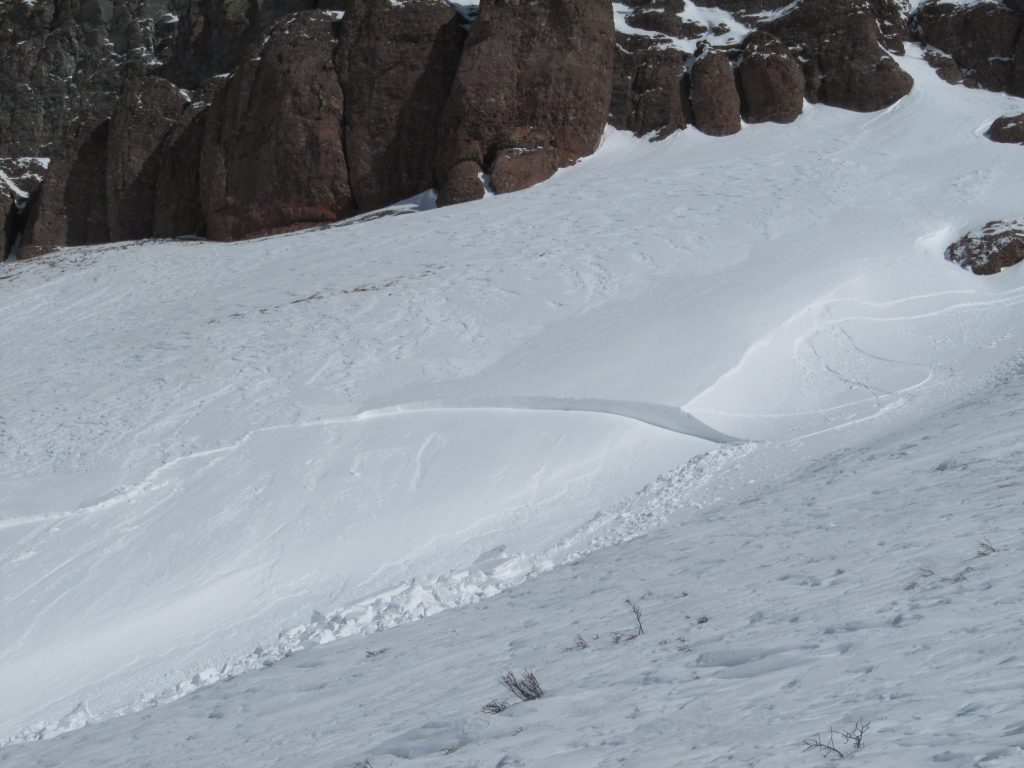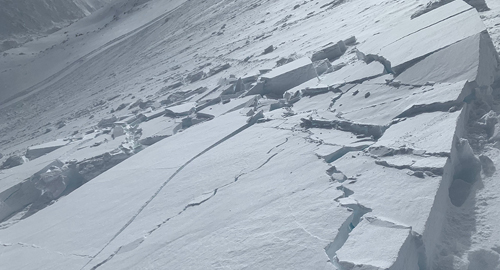
Natural D3 Avalanche Observed from Chairlift at Orcières (No Injuries)

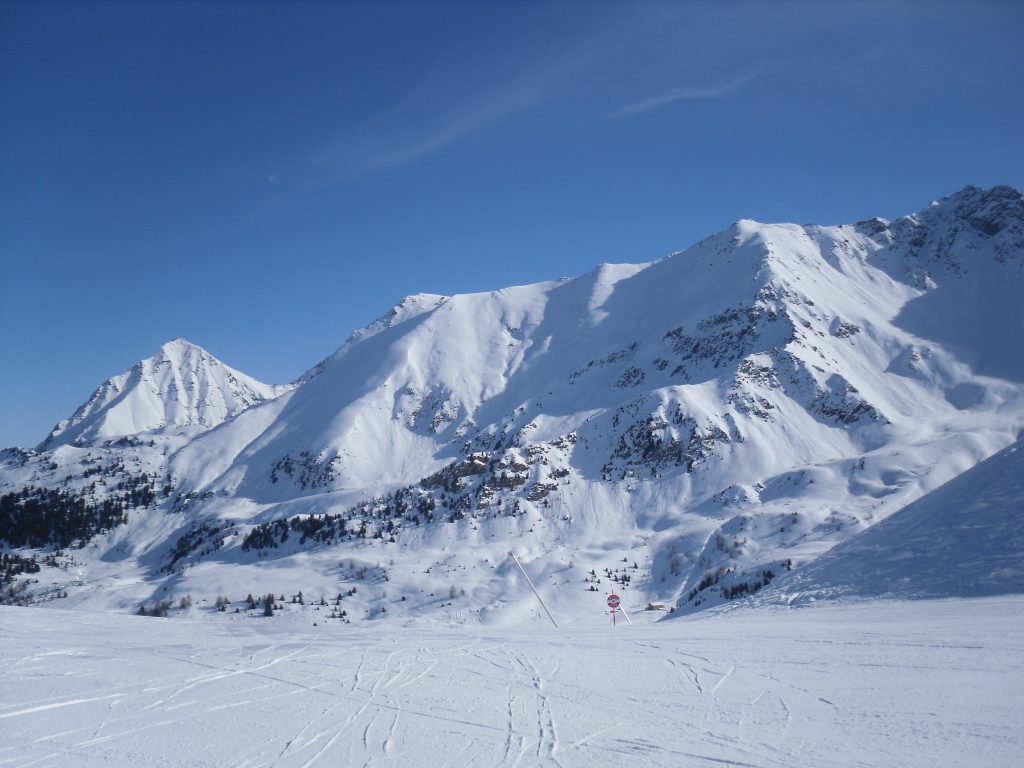
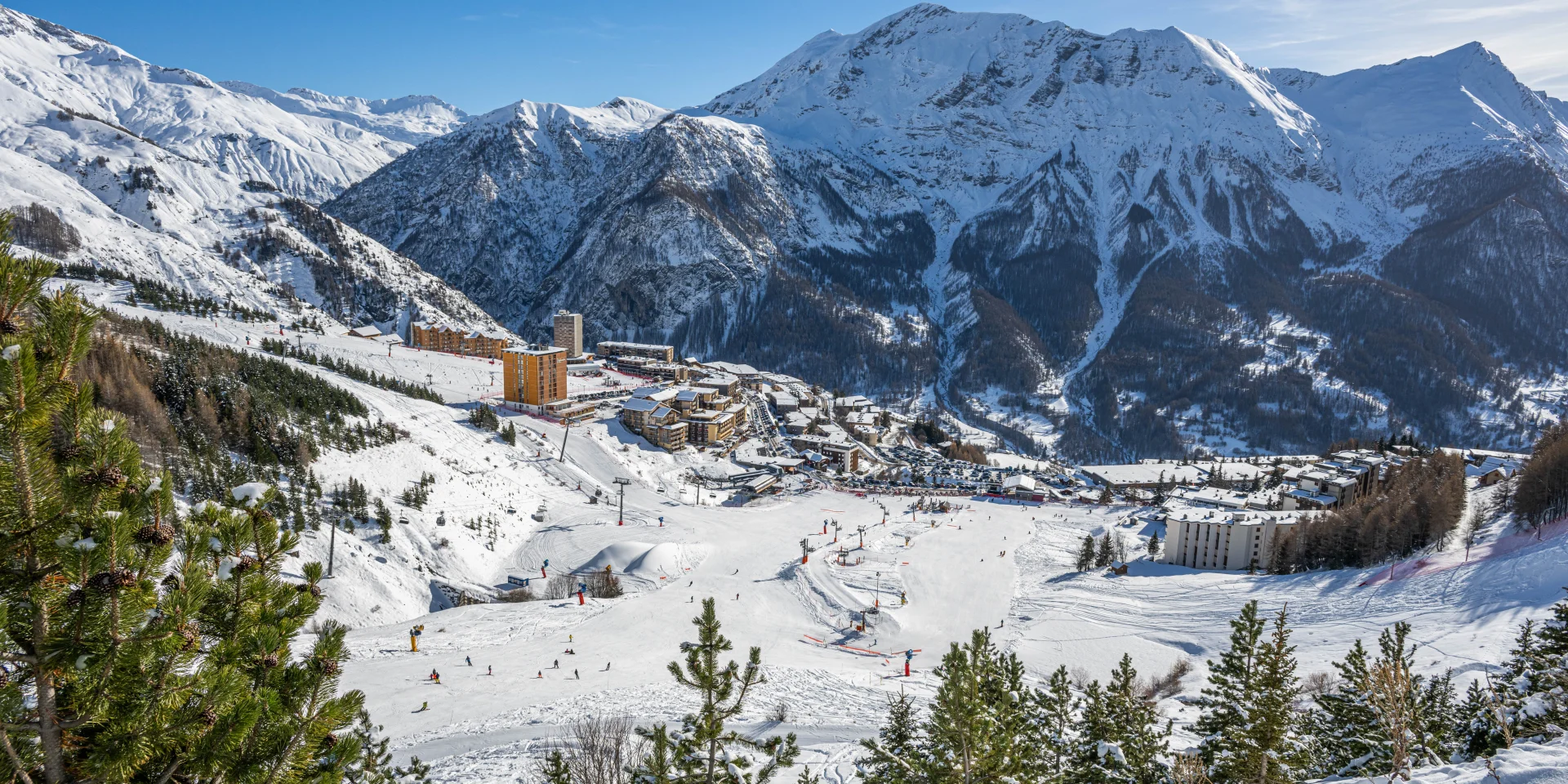
The resort of Orcières-Merlette 1850. Photo: Gilles Baron. Orcières.

Natural D3 Avalanche Observed from Chairlift at Orcières

A natural avalanche likely classified as Destructive Size 3 (D3) was observed at Orcières Merlette 1850 in the Hautes-Alpes during the current Alpine instability cycle.

The slide occurred on steep terrain beneath an operating chairlift. No skiers were caught and no injuries have been reported.

This event adds to the ongoing February 2026 Alpine avalanche cycle affecting multiple French regions.

What Does D3 Mean?

On the North American destructive size scale, a D3 avalanche is capable of:

  • Destroying a wood-frame house

  • Breaking large trees

  • Damaging small buildings

  • Producing significant debris fields

While European bulletins primarily use the 1–5 danger scale, destructive size classifications provide additional context for the physical power of a slide.

Continue reading “Natural D3 Avalanche Observed from Chairlift at Orcières (No Injuries)”
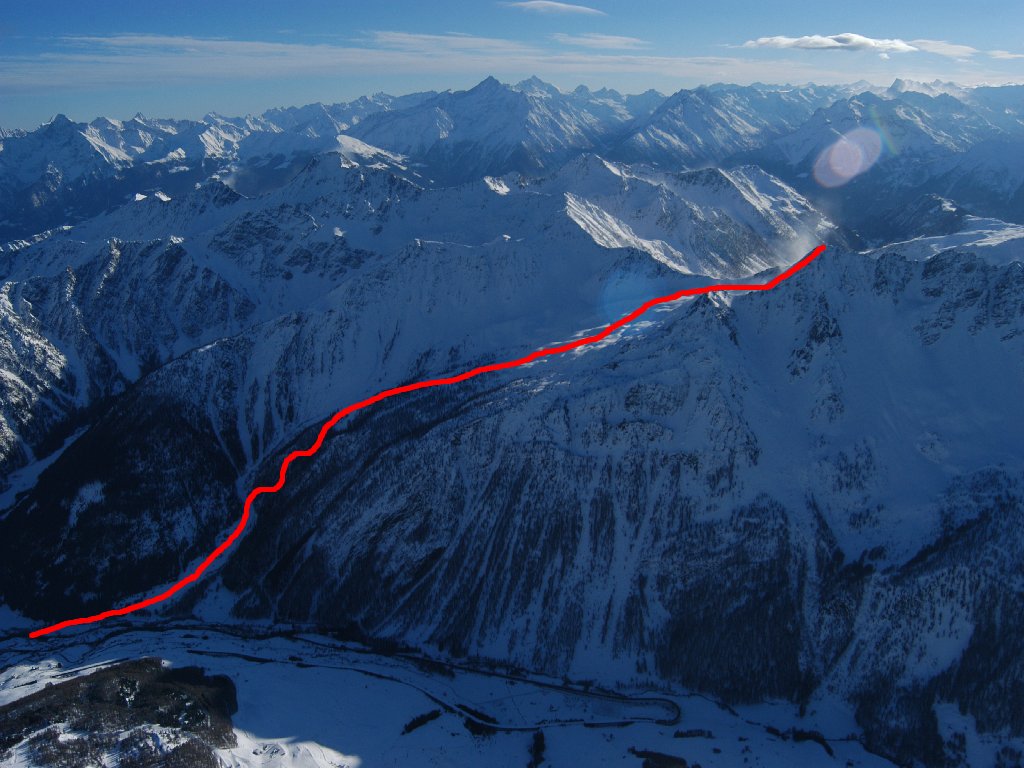
Avalanche Above Pila: Two Ski Mountaineers Rescued at Punta Valletta

Punta Valletta. Pila. Photo: Lovevda.

An avalanche occurred today at Punta Valletta, above the resort of Pila in the Aosta Valley, involving two ski mountaineers.

According to local reports, the avalanche was triggered shortly after 14:15. Both skiers were caught and temporarily buried.

They were rescued by the Soccorso Alpino Valdostano and transported by helicopter to the Ospedale Parini in Aosta. Fortunately, neither sustained serious injuries and they were expected to be discharged.

This incident forms part of the broader February 2026 avalanche cycle across the Alps, which saw widespread Level 4 and Level 5 danger across multiple countries.


What Happened at Punta Valletta?

Punta Valletta is a well-known ski touring objective above Pila, frequently accessed by experienced ski mountaineers seeking terrain beyond the marked ski area boundaries.

While full technical details of the snowpack at the exact release point have not yet been officially published, the incident once again highlights how unstable layers and wind-loaded slopes can persist even when conditions appear manageable.

This event follows several other avalanche incidents reported across the region this February. For a broader overview, see our full coverage:
Aosta Valley Avalanche Incidents – February 2026. 


Pila ski resort. Photo: Snow-Forecast.com

Continue reading “Avalanche Above Pila: Two Ski Mountaineers Rescued at Punta Valletta”

Avalanche Fatality in Airolo, Switzerland: Winter 2026 Incident

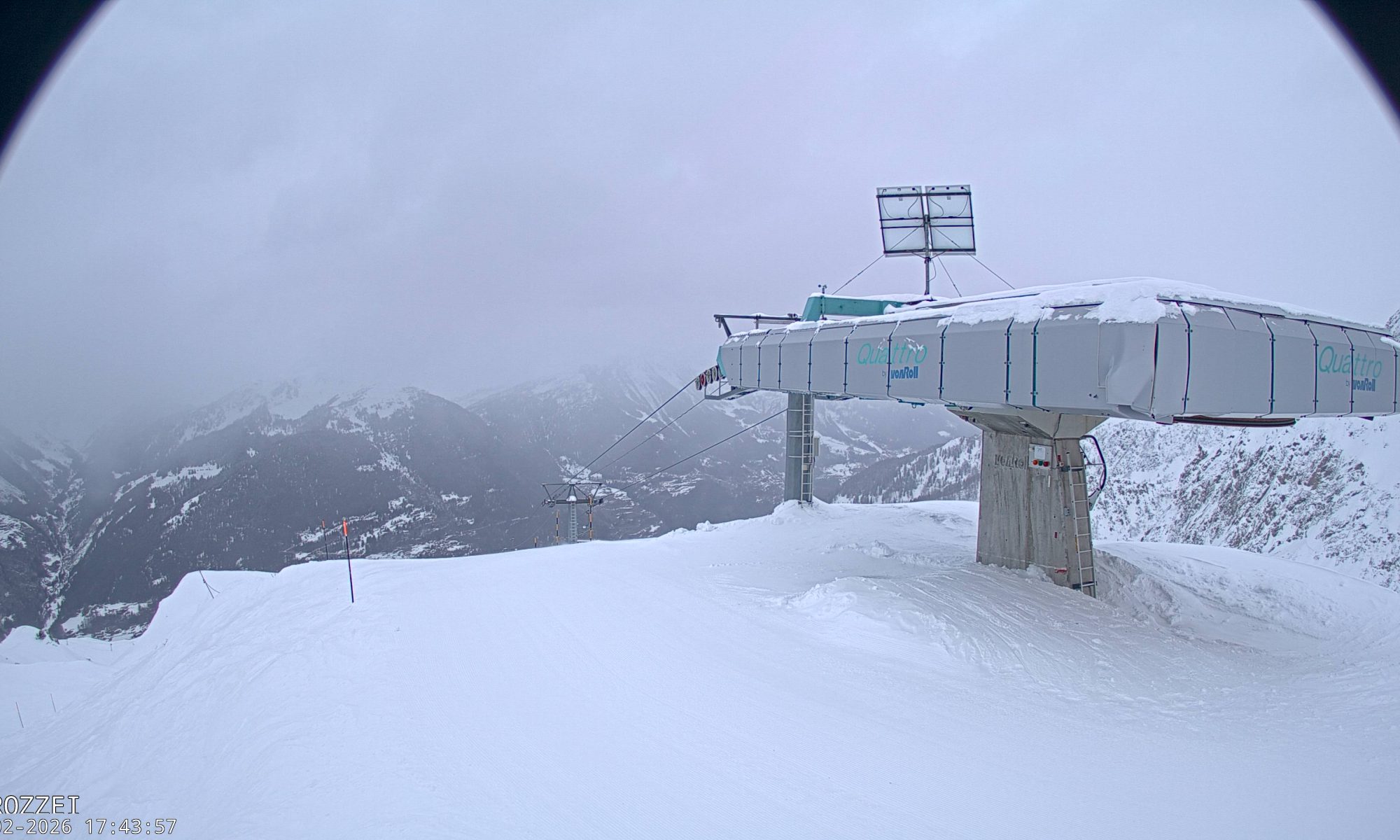
Photo webcam Airolo.ch

An avalanche fatality has been reported in Airolo, Switzerland, adding to a series of serious avalanche incidents across the western Alps during a period of heightened snow instability.

Authorities confirmed that one person died following an avalanche in the Airolo area. Further details about the circumstances and terrain are still emerging.

The incident comes amid elevated avalanche danger levels in multiple Alpine regions after recent heavy snowfall and wind transport.


📍 Incident Summary

Location: Airolo, Canton Ticino, Switzerland
Date: [Insert confirmed date]
Type: Avalanche
Casualties: 1 fatality confirmed
Terrain: Mountain terrain near Airolo (details pending official clarification)
Source: Swiss local reporting / authorities

More official information will be added as it becomes available.

Continue reading “Avalanche Fatality in Airolo, Switzerland: Winter 2026 Incident”

Hiker Rescued After Large Avalanche in Gressoney-La-Trinité (Aosta Valley)

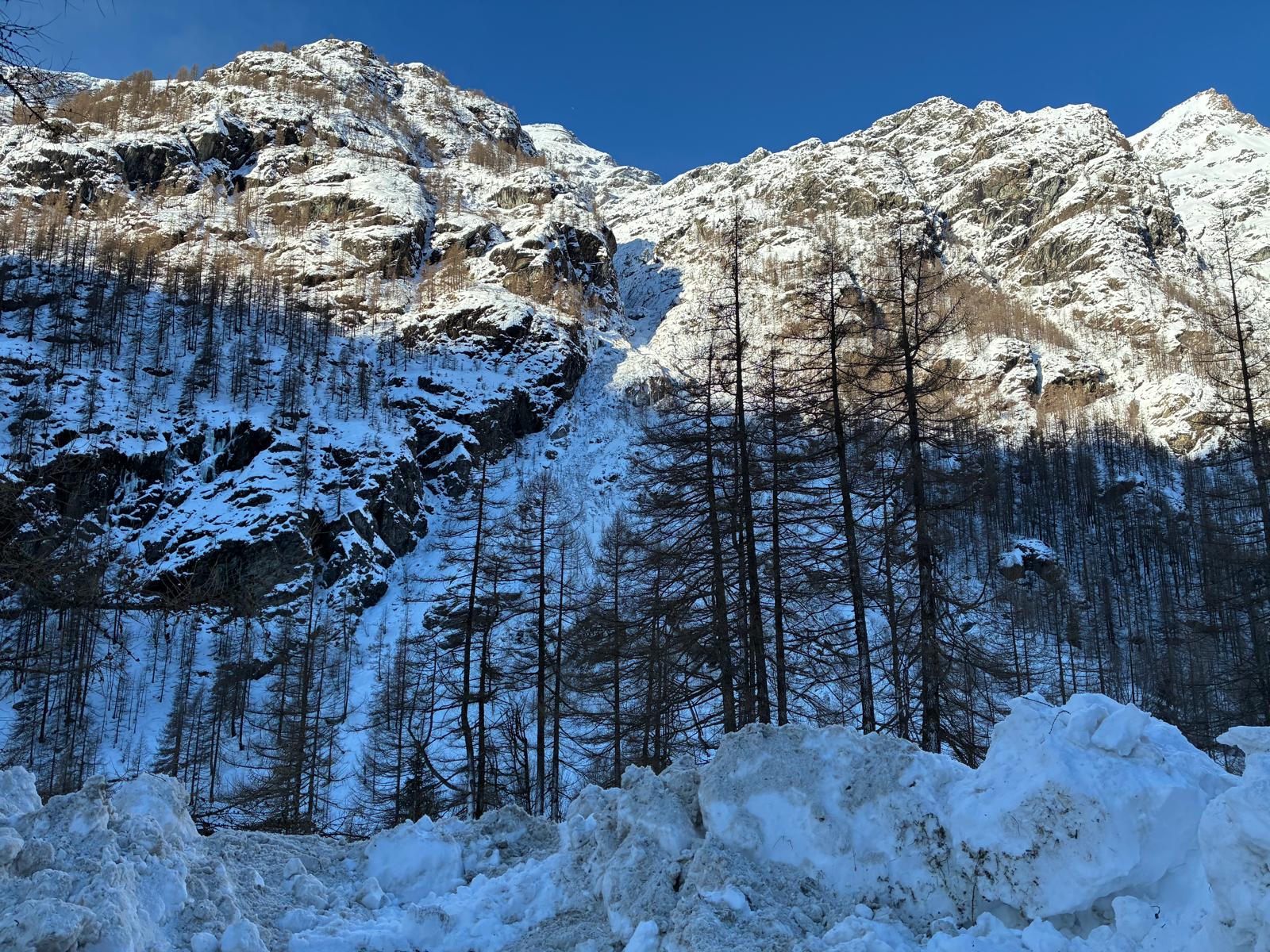
Avalanche in Gressoney. Photo: Aosta Sera.

A dramatic rescue operation unfolded on 13 February 2026 after a 44-year-old hiker was caught by a large avalanche above Gressoney-La-Trinité in the Aosta Valley. Trapped for around three hours under about 1.5 metres of snow, the man managed to call Italy’s emergency number 112 before losing movement — a call that would become the critical lifeline leading to his survival. 

Rescue teams, including Alpine rescuers, the Guardia di Finanza avalanche dog unit, vigili del fuoco (firefighters), forest rangers, drones and specialised search crews, worked through challenging conditions to locate and extract him. When finally freed, his body temperature was around 27 °C and he was suffering from severe cold exposure. He was flown to the hospital in Aosta and is now reported to be in stable condition. 

This incident forms part of the broader February 2026 avalanche cycle across the Alps, which saw widespread Level 4 and Level 5 danger across multiple countries.


Continue reading “Hiker Rescued After Large Avalanche in Gressoney-La-Trinité (Aosta Valley)”

How to Use Avalanche Bulletins to Plan Your Mountain Day (Step-by-Step)

Aineva report on 3rd February of the avalanche risk at the Valdigne of Monte Bianco (the Valley of Monte Bianco). How to Use Avalanche Bulletins to Plan Your Mountain Day (Step-by-Step).

Before heading off-piste, ski touring, snowshoeing, or entering uncontrolled terrain, checking the avalanche bulletin is not optional — it is one of the most important safety steps you can take.

Yet many skiers and riders still look only at the danger number, without fully understanding how to use the rest of the information to plan a safe mountain day.

This guide explains how to read and apply avalanche bulletins properly, what they can (and cannot) tell you, and where to find the official avalanche forecasts across Europe.


What an Avalanche Bulletin Is — and What It Is Not

An avalanche bulletin (or avalanche forecast) is a regional risk assessment, based on:

Continue reading “How to Use Avalanche Bulletins to Plan Your Mountain Day (Step-by-Step)”

Snowmass Ski Instructor Dies on the Slopes — Local Reports

Snowmass photo: Aspen Skiing Company. Snowmass Ski Instructor Dies on Mountain — Aspen Local News.

A long-time ski instructor at Snowmass Ski Area has died after an incident on the mountain on Thursday morning, according to multiple local news sources.

Aspen Daily News and the Aspen Times have both confirmed the death of an Aspen Skiing Company instructor at Snowmass Ski Area. Details remain limited as authorities continue to investigate and the family’s privacy is respected. 

Friends, colleagues and community members shared remembrances and tributes on social media, naming the instructor and acknowledging his longtime contribution to the local ski community. 


Local News Confirmation & Community Reaction

Aspen Daily News posted on Facebook that a ski instructor died on a Snowmass slope Thursday morning, confirming the news via the resort’s communications. 

Continue reading “Snowmass Ski Instructor Dies on the Slopes — Local Reports”

Why Skiing Alone Is Dangerous in the Mountains

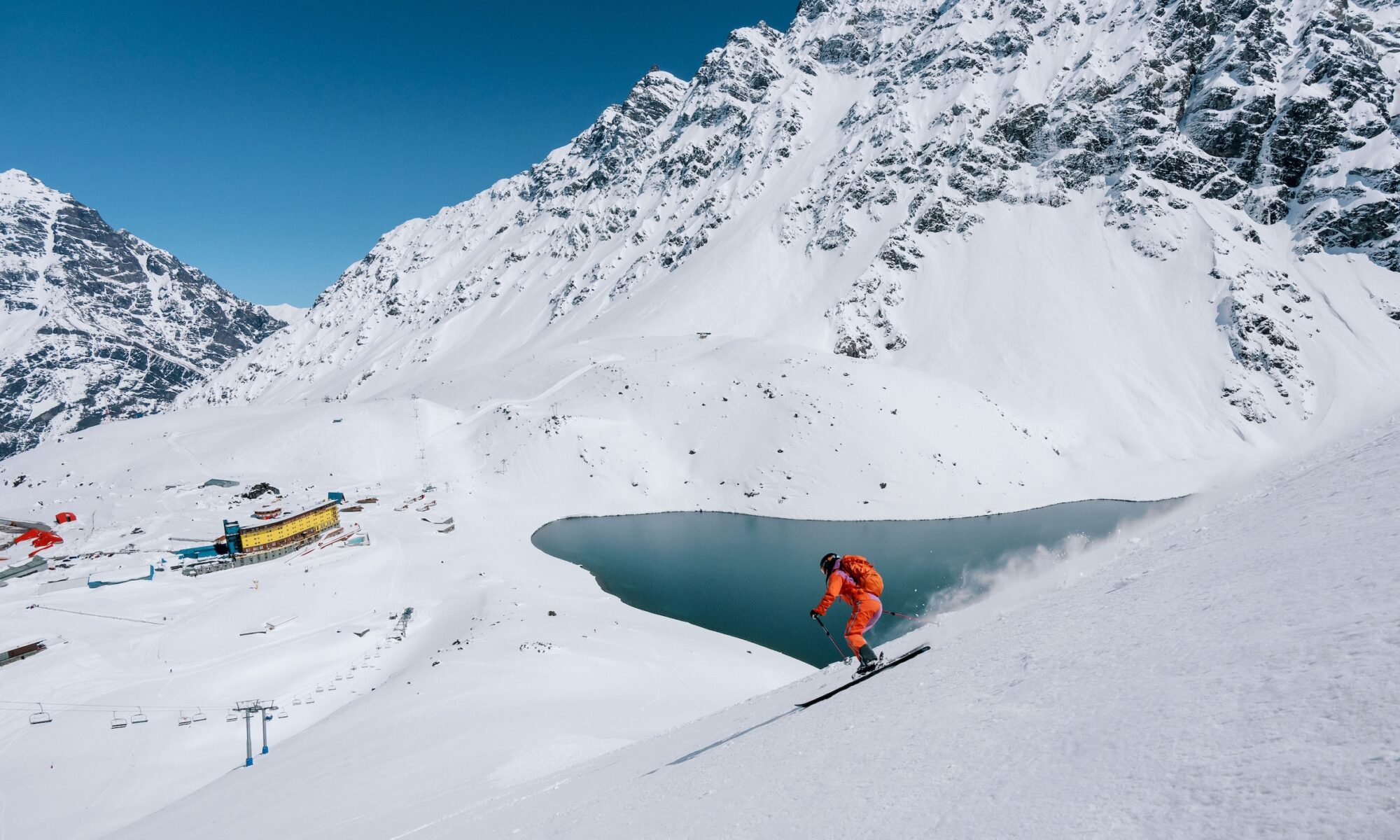
Skier coming down the slopes- views of the hotel and the Laguna del Inca. Photo by Tamara Susa. Courtesy Ski Portillo.

Why Skiing Alone Is Dangerous in the Mountains

Skiing alone is often seen as peaceful, efficient or even safer — fewer people, fewer variables, fewer mistakes. For experienced skiers in particular, solo skiing can feel controlled and familiar.

In reality, skiing alone is one of the strongest risk factors in fatal mountain accidents, whether caused by avalanches, collisions, falls or medical emergencies.

This article explains why skiing alone dramatically increases danger, even for skilled and cautious skiers.


The Most Critical Factor: No Immediate Help

When skiing alone, there is no margin for error.

In many mountain accidents:

  • The victim is unable to call for help
  • Injuries prevent movement or communication
  • Time becomes the decisive factor

Continue reading “Why Skiing Alone Is Dangerous in the Mountains”

Avalanche Awareness: What Every Skier Needs to Know

Avalanche signs- Photo credit: CPR.org. Avalanche Awareness: What Every Skier Needs to Know.

Avalanche Awareness: What Every Skier Needs to Know

Avalanches are one of the most serious and misunderstood dangers in the mountains. Every winter, experienced skiers, snowboarders and mountaineers are caught — often in familiar terrain, sometimes close to marked pistes, and frequently during days that do not feel dangerous.

Avalanche awareness is not about fear. It is about understanding risk, recognising patterns, and making better decisions in winter mountain environments.

This guide explains the essentials every skier should know: how avalanches form, who is most at risk, why forecasts matter, and where accidents most often happen — with links to more in-depth resources throughout.


Windslab avalanche. Photo: Andrew Temple. Colorado Avalanche Information Center. Avalanche Danger Levels Explained: What “Level 3 – Considerable” Really Means. Windslab avalanche. Photo: Andrew Temple. Colorado Avalanche Information Center. Continue reading “Avalanche Awareness: What Every Skier Needs to Know”
Avalanche Activity Across the Alps & Pyrenees: Widespread Instability Raises Concerns (11–12 January 2026)

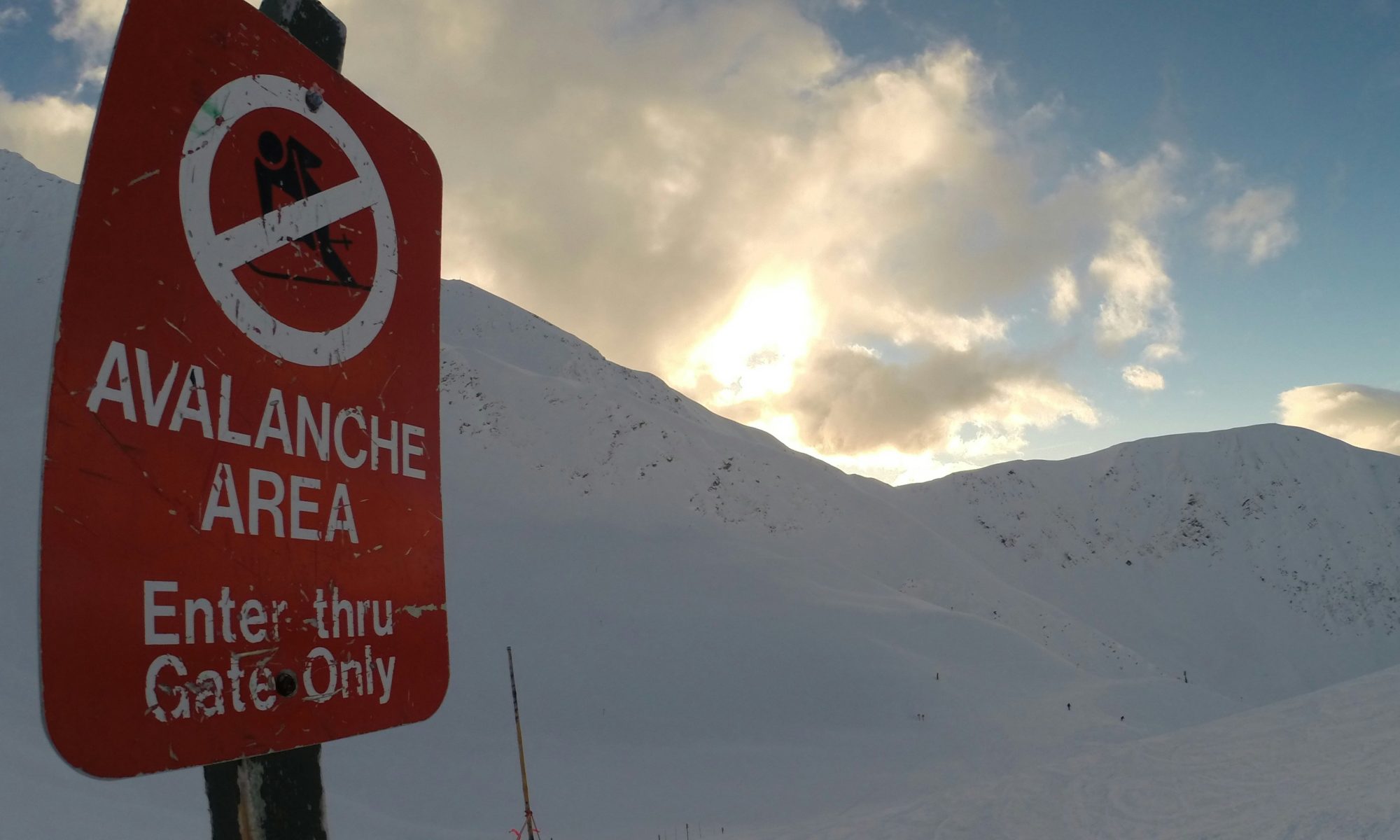
Avalanche danger sign. Photo: Bruce Warrington- Unsplash. Avalanche Activity Across the Alps & Pyrenees: Widespread Instability Raises Concerns (11–12 January 2026).

⚠️ A Concerning Weekend for Avalanche Safety in Europe’s Mountains

The weekend of 11–12 January 2026 saw a notable concentration of avalanche incidents and heightened warningsacross the Alps and the Pyrenees, affecting France, Italy, Switzerland and Austria.

Several skier-triggered avalanches, alongside spontaneous releases, confirm that snowpack instability remains widespread, particularly at higher elevations and on wind-loaded aspects.

This comes just days after fatal and serious avalanche incidents in the Aosta Valley, reinforcing the need for continued vigilance across all Alpine regions.

Continue reading “Avalanche Activity Across the Alps & Pyrenees: Widespread Instability Raises Concerns (11–12 January 2026)”

Foehn Winds and Rising Avalanche Risk in the Alps: What Skiers Need to Know

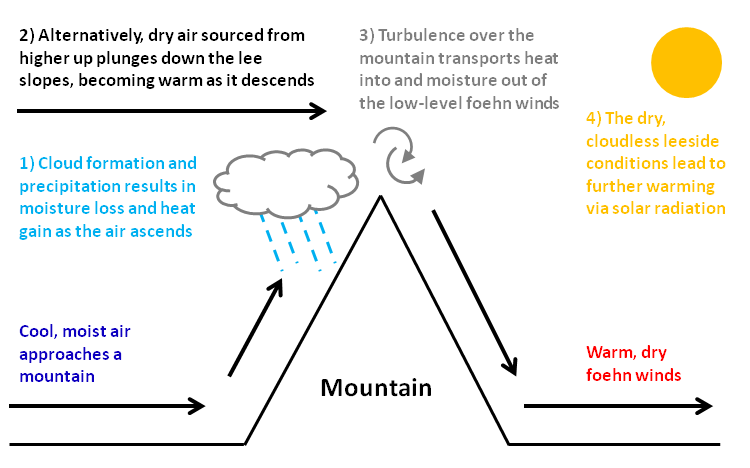
Foehn Wind graphic. Wikipedia. Foehn Winds and Rising Avalanche Risk in the Alps: What Skiers Need to Know.

🌬️ Why Foehn Winds Matter for Avalanche Safety

Foehn winds are a well-known meteorological phenomenon in the Alps, but their impact on avalanche risk is often underestimated by skiers and snowboarders.

While foehn conditions are sometimes associated with clear skies and warmer temperatures, they can significantly destabilise the snowpack, increasing the likelihood of dangerous slab avalanches, especially in off-piste and backcountry terrain.


What Are Foehn Winds?

Foehn winds are strong, dry downslope winds that occur when air masses cross the Alps and descend on the leeward side, warming rapidly as they lose moisture.

They are common across:

  • Italian Alps
  • Swiss Alps
  • Austrian Alps
  • French Alps

In Italy, foehn is often referred to as favonio, while in Austria and Germany it is known as Föhn.


Wind slab. Scottish Avalanche Information Service. Sais.gov. Foehn Winds and Rising Avalanche Risk in the Alps: What Skiers Need to Know.

Continue reading “Foehn Winds and Rising Avalanche Risk in the Alps: What Skiers Need to Know”