Schilthorn Completes Major Swiss Mountain Infrastructure Project as New Summit Facilities Open

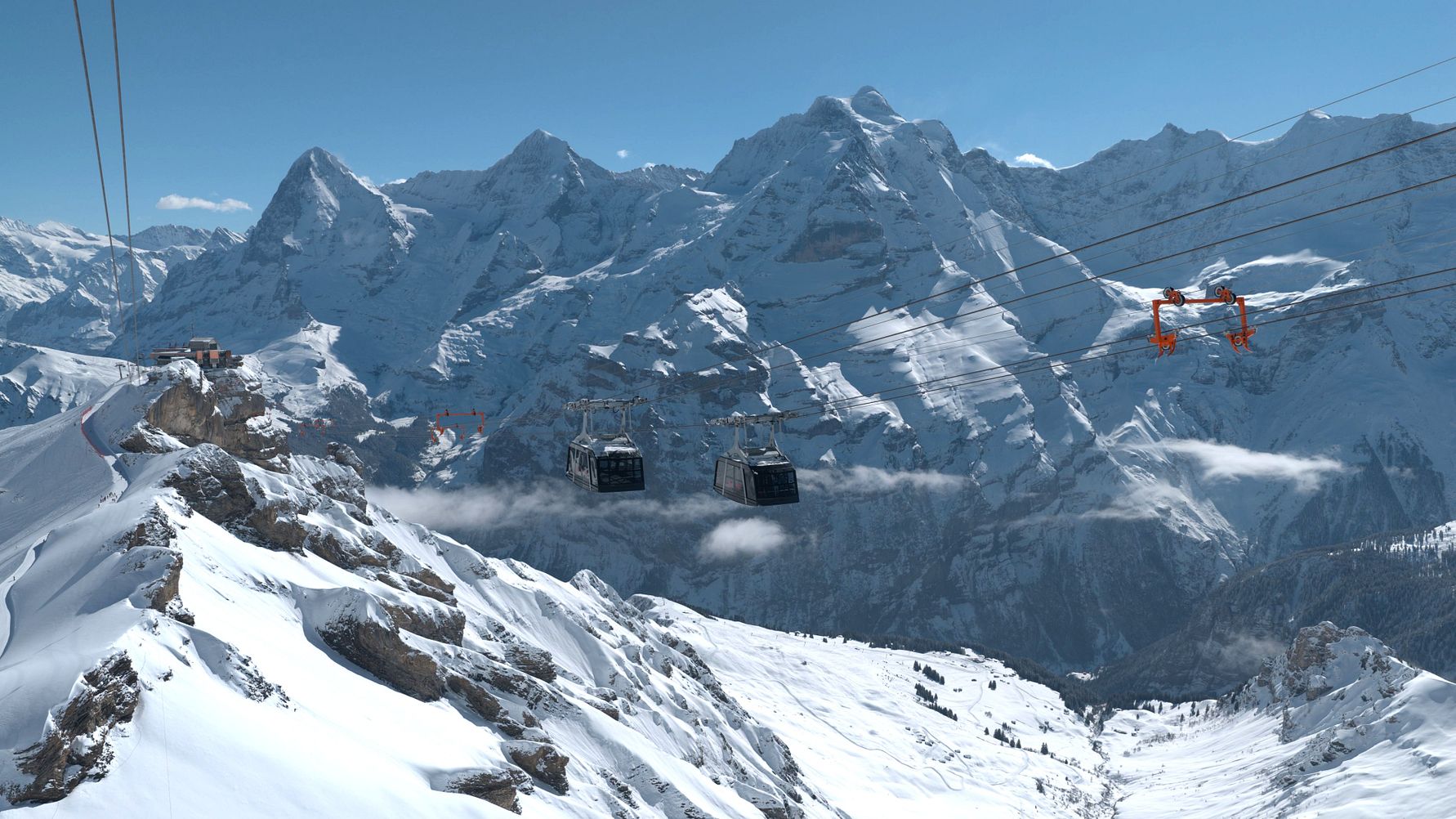
Funifor lifts in Schilthorn. Photo: Schilthorn Cableway Ltd.

One of the most ambitious lift infrastructure projects in the Swiss Alps has now reached completion, with the final section of the multi-year SCHILTHORNBAHN 20XX redevelopment entering service at the famous Schilthorn summit above Mürren.

The project has transformed access to the 2,970-metre peak overlooking the Bernese Oberland, with entirely new cable cars, stations and visitor facilities linking Stechelberg, Mürren, Birg and the summit. 

The redevelopment includes the reopening of the famous Piz Gloria summit complex, known worldwide as the James Bond filming location for On Her Majesty’s Secret Service, as well as new panoramic visitor areas, upgraded retail and hospitality facilities, and the completion of a modern Funifor cable car system designed to improve wind stability and year-round operations. 
Continue reading “Schilthorn Completes Major Swiss Mountain Infrastructure Project as New Summit Facilities Open”

New Ski Routes Into the Alps: Why Airport Access Is Becoming Part of the Alpine Battle

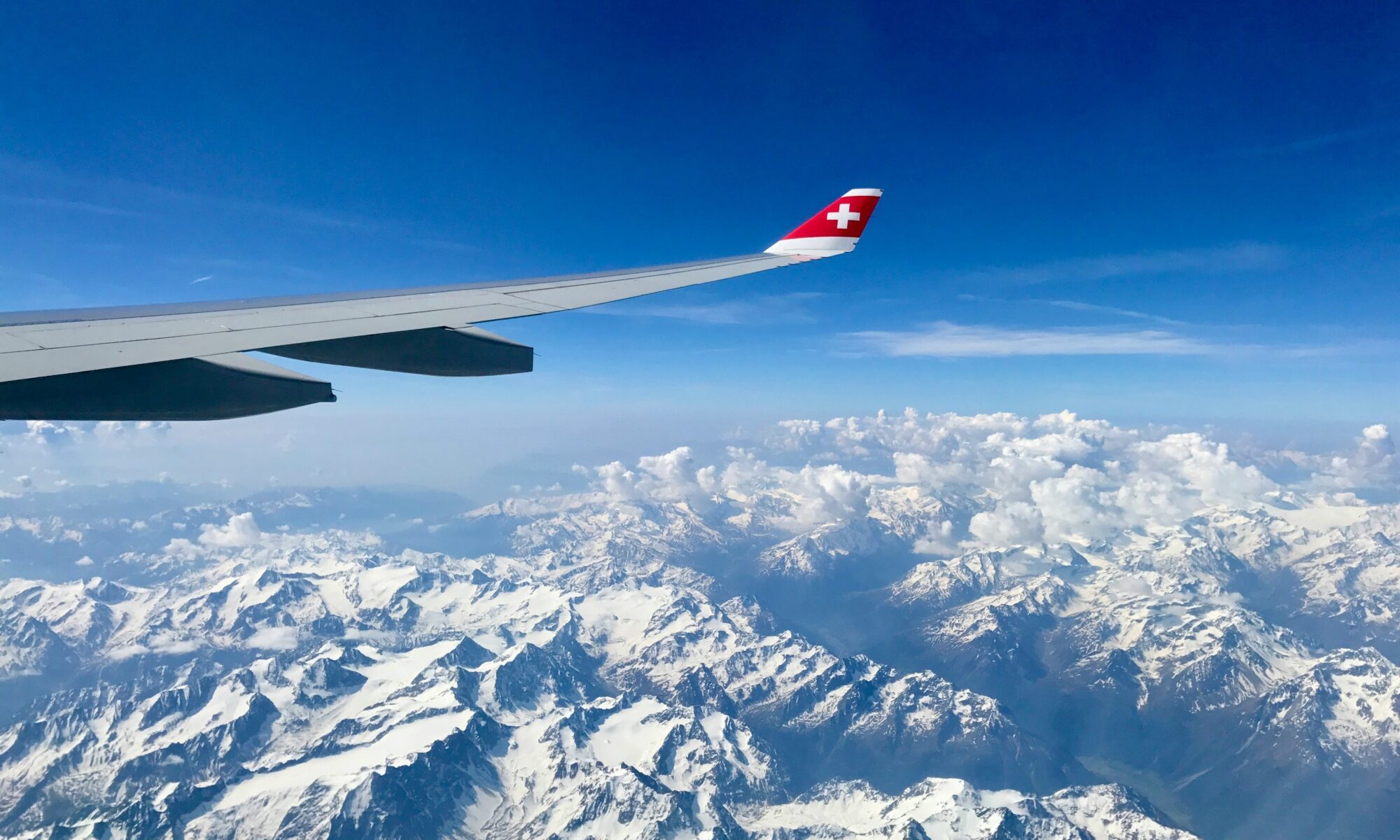
Photo: Devan Jhabak. Unsplash.

Alpine ski resorts are not only competing on snow reliability, lift investment and accommodation anymore. Increasingly, they are competing on access.

The latest signal comes from airBaltic, which has announced two new winter 2026/27 routes aimed squarely at ski traffic: Riga to Turin and Vilnius to Geneva. The Riga–Turin service is due to run weekly on Saturdays from 30 January to 20 March 2027, while Vilnius–Geneva is scheduled from 2 January to 20 March 2027. Both are expected to use Airbus A220-300 aircraft. 

That is only one piece of a much larger picture. Jet2.com has already put its biggest ever ski programme on sale for winter 2026/27, serving eight ski gateways: Chambéry, Geneva, Grenoble, Salzburg, Innsbruck, Lyon, Turin and Verona, with more than 180,000 ski seats. 

The airport map of the Alps is changing

For years, Geneva was the default airport for much of the western Alps. Munich and Zurich dominated the German-speaking Alpine arc. Milan served the Italian Alps and the Dolomites. But the picture is now more fragmented.

Turin is rising as a western Alps gateway. Grenoble and Chambéry remain highly seasonal but important for Saturday ski traffic. Bolzano is trying to position itself as a small, premium Dolomites airport through SkyAlps. Sion is more niche, but still strategically interesting for Valais. Aosta remains mostly a “what if” airport rather than a real commercial ski gateway.

Continue reading “New Ski Routes Into the Alps: Why Airport Access Is Becoming Part of the Alpine Battle”

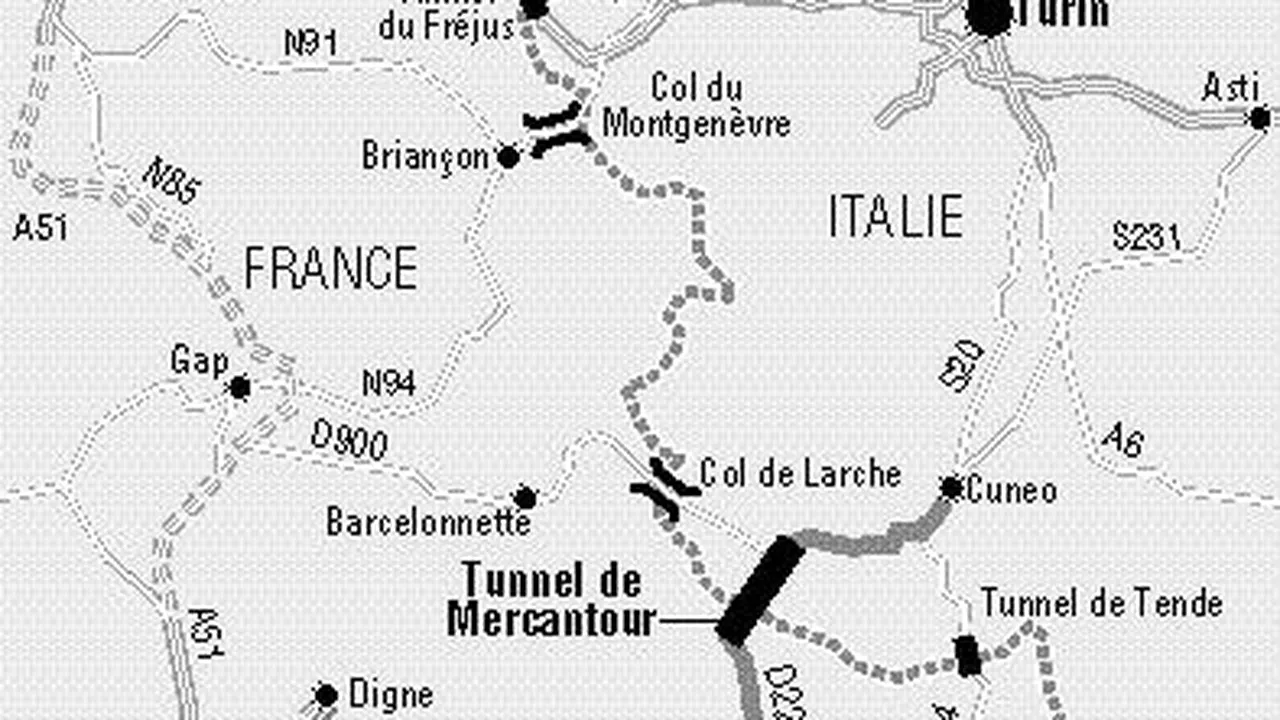
The “Ghost Tunnel” Project That Could Offer Another Route Between Piemonte and the French Riviera

Tunnel Mercantour. Les Echos.

A long-abandoned proposal for a new Alpine tunnel linking Piemonte with the French Riviera has unexpectedly returned to public discussion in Italy, reviving debate over mountain connectivity, infrastructure resilience, and the future of cross-border transport in the Alps.

The project, recently described by Italian media as the “ghost tunnel” of the Mercantour, would potentially create an additional connection between the Cuneo area in Piemonte and the Côte d’Azur region around Nice.

While the idea has existed for decades, it has never moved beyond the conceptual and political discussion stage. However, renewed attention has emerged as Alpine regions increasingly reassess the vulnerability of existing transport corridors.

Continue reading “The “Ghost Tunnel” Project That Could Offer Another Route Between Piemonte and the French Riviera”

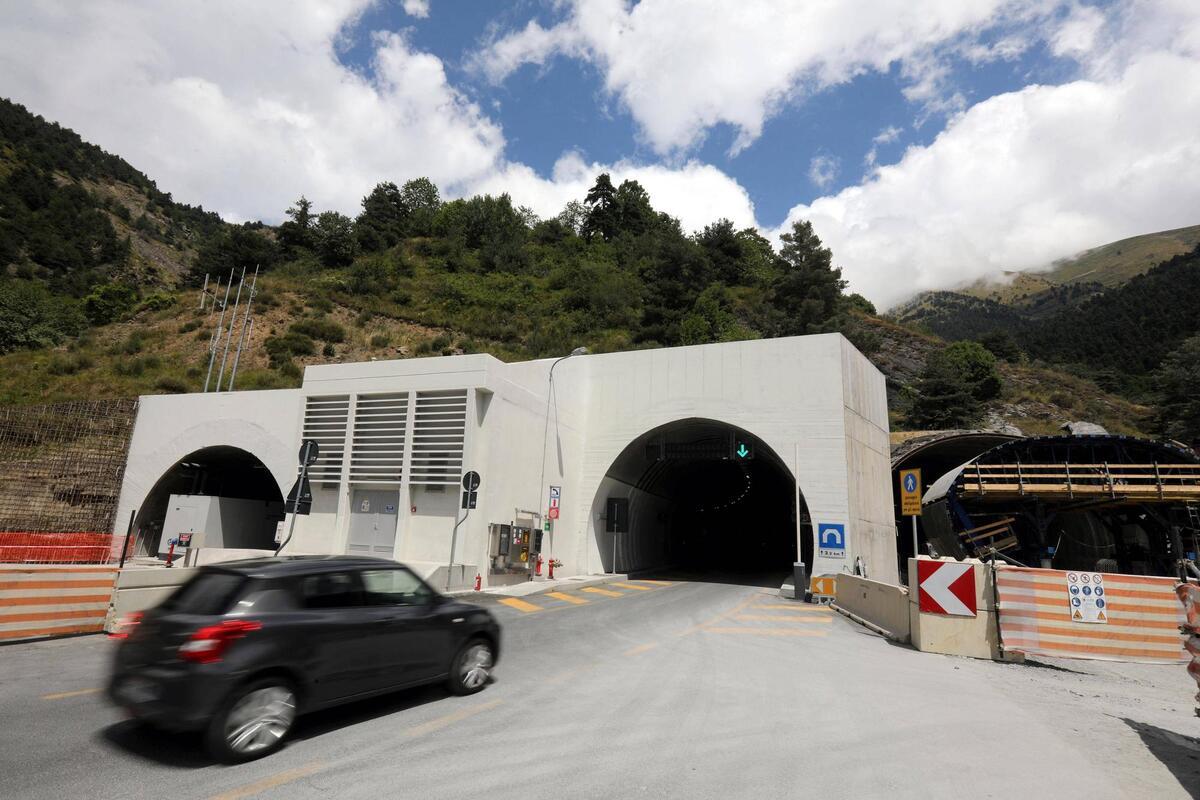
Why the Tenda Tunnel Has Become a Symbol of Alpine Infrastructure Fragility

Tenda Tunnel. Photo: Nice Matin.

The reopening delays and ongoing reconstruction saga surrounding the Col de Tende Road Tunnel have become far more than a local infrastructure story. Increasingly, the tunnel is being seen as a symbol of how vulnerable Alpine transport corridors have become in an era of extreme weather, ageing infrastructure, and growing pressure on mountain mobility.

The Tenda Tunnel links Piemonte in north-west Italy with the Roya Valley in France, connecting the Cuneo region and resorts such as Limone Piemonte with Nice and the Côte d’Azur. Opened in 1882, it remains one of the most important historic road crossings between Italy and southern France.

For decades, the route has been strategically important not only for local communities and freight transport, but also for tourism. The tunnel provides a key connection between the Mediterranean coast and the mountains of Piemonte, including ski destinations and outdoor tourism areas that depend heavily on reliable cross-border access.

Continue reading “Why the Tenda Tunnel Has Become a Symbol of Alpine Infrastructure Fragility”