La Chapelle-d’Abondance Avalanche – Two Ski Tourers Killed in Haute-Savoie

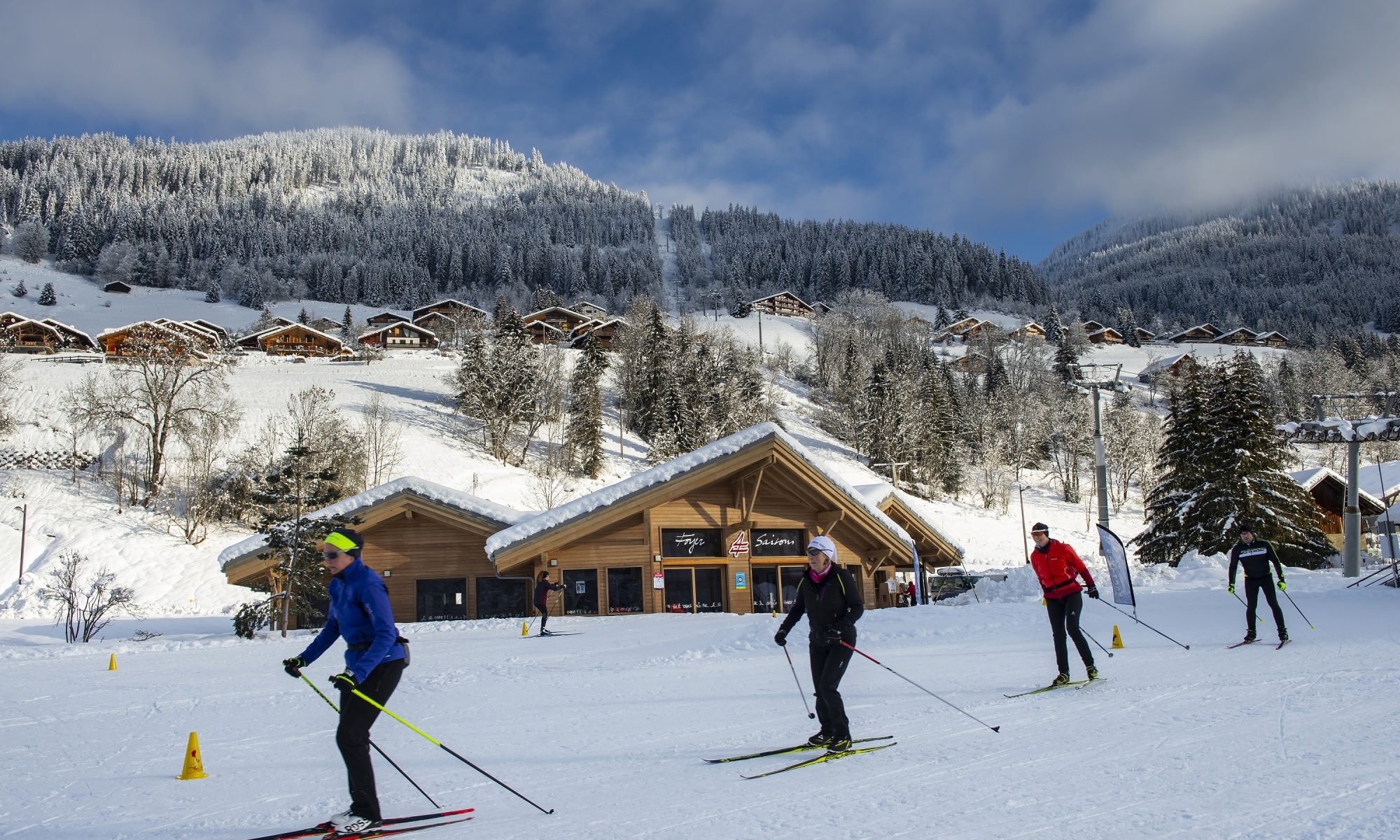
La Chapelle d'Abondance. Photo: Auvergne Rhône Alpes Tourisme.

Two female ski tourers lost their lives in an avalanche near La Chapelle-d’Abondance, in Hautes-Savoie, on Sunday, 22 February 2026, according to regional French media including Le Dauphiné Libéré.

The accident occurred in backcountry terrain above the village in the northern French Alps, an area popular with ski touring enthusiasts during winter conditions.

Emergency services were deployed to the scene, but the two women could not be revived.

This incident forms part of the broader February 2026 avalanche cycle across the Alps, which saw widespread Level 4 and Level 5 danger across multiple countries.

This event is part of a wider pattern of extreme weather in the Alps, where increasingly unstable conditions are affecting snowpack and safety.

La Chapelle-d’Abondance lies in the Abondance Valley, part of the wider Portes du Soleil region in Haute-Savoie, close to the Swiss border.

While the resort area offers managed pistes, the surrounding terrain includes steep backcountry slopes that can become unstable following snowfall and wind transport.

Continue reading “La Chapelle-d’Abondance Avalanche – Two Ski Tourers Killed in Haute-Savoie”
Avalanche on Becca di Nana, Aosta Valley – Ski Tourer Killed in Val d’Ayas

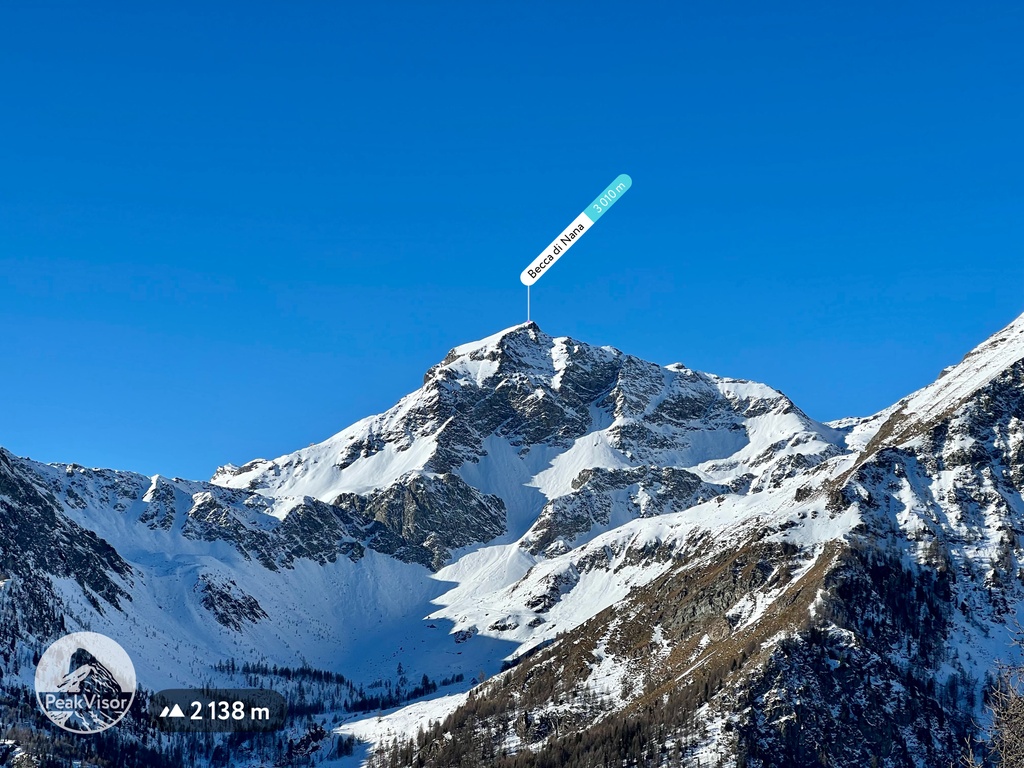
Becca di Nana. Peakvisor.

A ski mountaineer has died after being caught in an avalanche on Becca di Nana in Val d’Ayas, Aosta Valley, on 22 February 2026.

The victim, identified in Italian media as a 50-year-old man from Lombardy, had set out alone for a ski tour in the high-altitude terrain above Champoluc. When he failed to return, his wife alerted emergency services.

This incident forms part of the broader February 2026 avalanche cycle across the Alps, which saw widespread Level 4 and Level 5 danger across multiple countries.

Rescue Operation at 3,000 Metres

Mountain Rescue teams from the Valle d’Aosta Alpine Rescue Service (Soccorso Alpino Valdostano) and the Guardia di Finanza located the victim at approximately 3,000 metres on the slopes of Becca di Nana.

Continue reading “Avalanche on Becca di Nana, Aosta Valley – Ski Tourer Killed in Val d’Ayas”

What Level 5 Avalanche Danger Means

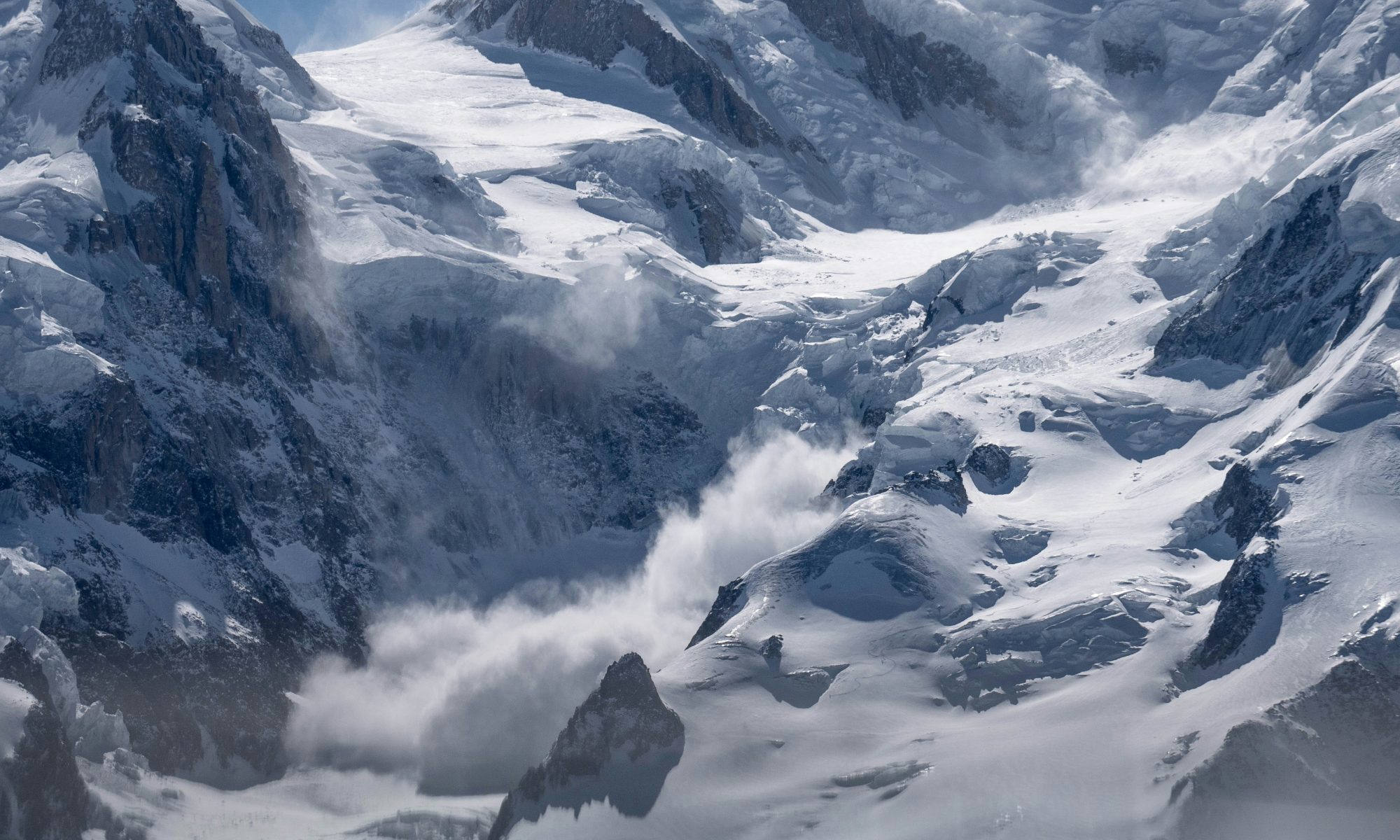
Avalanche in Chamonix. Stock photo: Krzysztof Kowalik. Unsplash.

Level 5 avalanche danger is classified as “Very High” on the European Avalanche Danger Scale. It represents the most extreme level of avalanche risk and is issued only in rare and severe conditions.

When authorities declare Level 5, widespread natural avalanches are expected — including large, destructive slides that can reach valley floors and infrastructure.

Many accidents occur during periods shaped by extreme weather in the Alps, particularly when conditions change rapidly.


The European Avalanche Danger Scale (1–5)

Avalanche danger in Europe is rated from 1 to 5:

1 – Low
2 – Moderate
3 – Considerable
4 – High
5 – Very High

Level 5 is the highest and rarest classification.


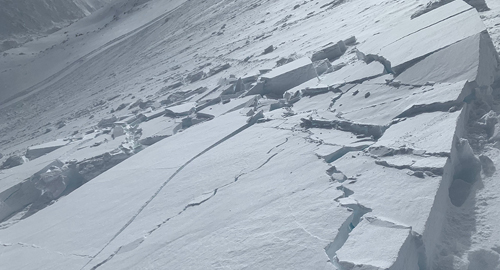
Wind slab. Scottish Avalanche Information Service. Sais.gov. Foehn Winds and Rising Avalanche Risk in the Alps: What Skiers Need to Know.
Wind slab. Scottish Avalanche Information Service. Sais.gov.

What Happens at Level 5?

Under Level 5 conditions:

  • Numerous natural avalanches are expected
  • Very large and destructive avalanches are likely
  • Avalanches may reach roads, forests, ski runs and buildings
  • Travel in alpine terrain becomes extremely dangerous
  • Even low-angle slopes may be unstable

Unlike Level 4, where human-triggered avalanches are very likely, Level 5 means the snowpack is so unstable that avalanches occur naturally and widely without human involvement.


What Level 5 Means for Skiers and Visitors

At Level 5:

✔ Off-piste travel should be avoided entirely
✔ Backcountry touring is strongly discouraged
✔ Some ski resorts may close terrain or entire sectors
✔ Roads and mountain passes may shut due to avalanche risk
✔ Controlled blasting and mitigation efforts intensify

Authorities may issue emergency alerts during Level 5 situations.


Skiing in Courmayeur. Aretu Wall. In my shop here.

How Level 5 Differs From Level 4

Level 4 (“High”) already indicates serious instability and likely natural avalanches.

However:

Continue reading “What Level 5 Avalanche Danger Means”

What Level 4 Avalanche Danger Means

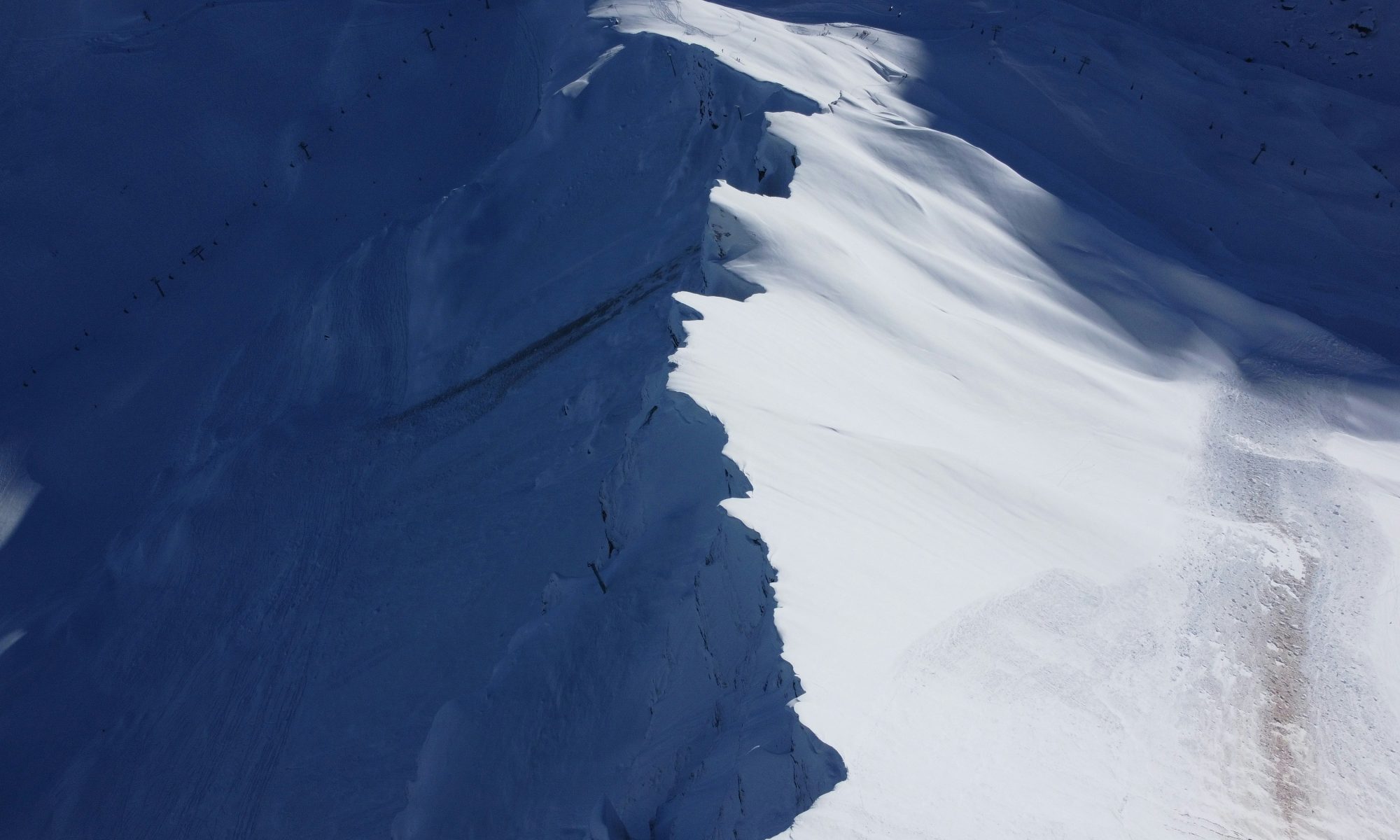
Photo: Kokex 1213. Unsplash. Engelberg, Switzerland.

Level 4 avalanche danger is classified as “High” on the European Avalanche Danger Scale. It indicates a very unstable snowpack and a significant probability of both natural and human-triggered avalanches.

Level 4 is part of the European Avalanche Danger Scale used across the Alps, which helps skiers and mountaineers understand snow stability and avalanche risk.

When authorities issue Level 4, off-piste and backcountry travel become highly risky.

Many accidents occur during periods shaped by extreme weather in the Alps, particularly when conditions change rapidly.


The European Avalanche Danger Scale (1–5)

Avalanche danger in Europe is rated from 1 to 5:

1 – Low
2 – Moderate
3 – Considerable
4 – High
5 – Very High

Level 4 is the second-highest rating and represents serious instability.


Mont Seymour. Veronica Dudarev. Unsplash.

What Happens at Level 4?

Under Level 4 conditions:

  • Natural avalanches are likely
  • Human-triggered avalanches are very likely
  • Large avalanches may occur on many steep slopes
  • Weak layers in the snowpack are widespread
  • Wind loading often increases instability

Avalanches can occur even with minimal additional loading — meaning a single skier or snowboarder can trigger a slide.

Continue reading “What Level 4 Avalanche Danger Means”

Crevasses & Glaciers: The Hidden Winter Danger

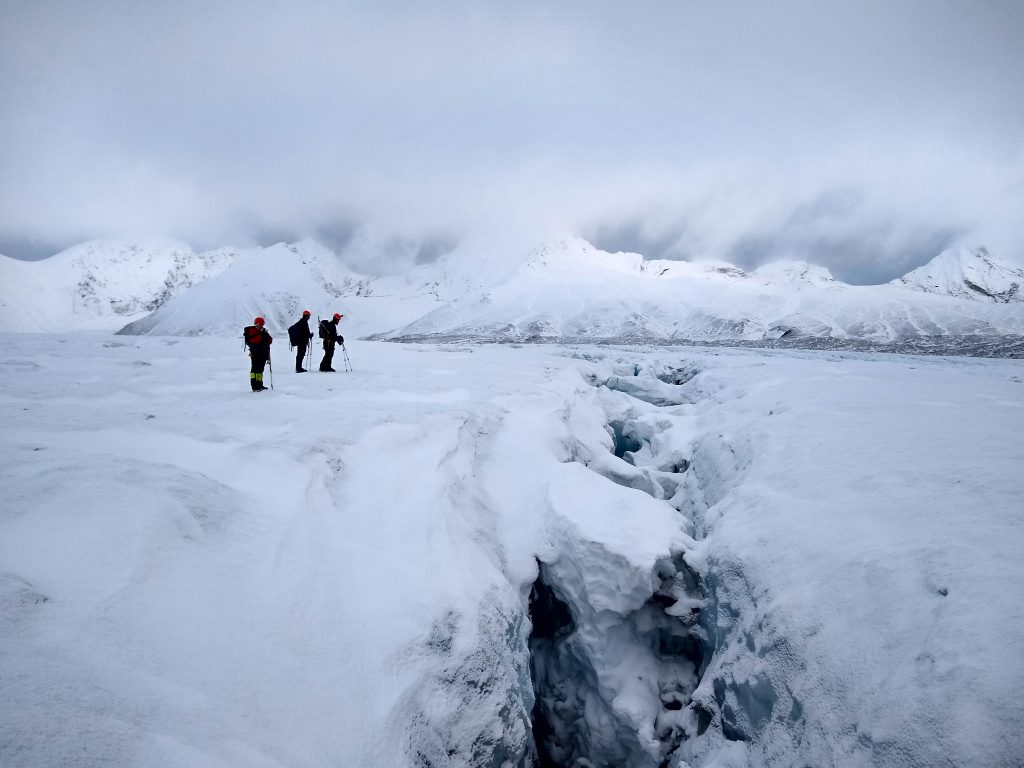
Crevasses in Passo dello Stelvio. Photo: Dario Morandotti. Unsplash. Crevasses & Glaciers: The Hidden Winter Danger.

Crevasses & Glaciers: The Hidden Winter Danger

Glaciers are often associated with summer mountaineering — ropes, harnesses and visible crevasses. In winter, however, glaciers can appear deceptively smooth, white and skiable.

This illusion of safety is one of the reasons crevasses and glaciers remain among the most underestimated winter dangers in the mountains.

This article explains why glaciers are still hazardous in winter, how crevasses behave under snow, and why even experienced skiers can fall victim to hidden traps.


Hansbreen Glacier, Svalsbard. Photo: Bartek Luks Aya. Unsplash. Crevasses & Glaciers: The Hidden Winter Danger.

Why Glaciers Are Still Dangerous in Winter

Snow does not remove crevasses — it hides them.

During winter:

  • Crevasses are covered by snow bridges
  • Surface terrain appears uniform
  • Visual warning signs are often absent

Snow bridges can collapse suddenly under the weight of a skier, snowboarder or group — often without warning.

Unlike avalanches, crevasse falls:

  • Are silent
  • Are highly localised
  • Often involve a single victim

Rescue is complex and time-critical.

Continue reading “Crevasses & Glaciers: The Hidden Winter Danger”

Why Skiing Alone Is Dangerous in the Mountains

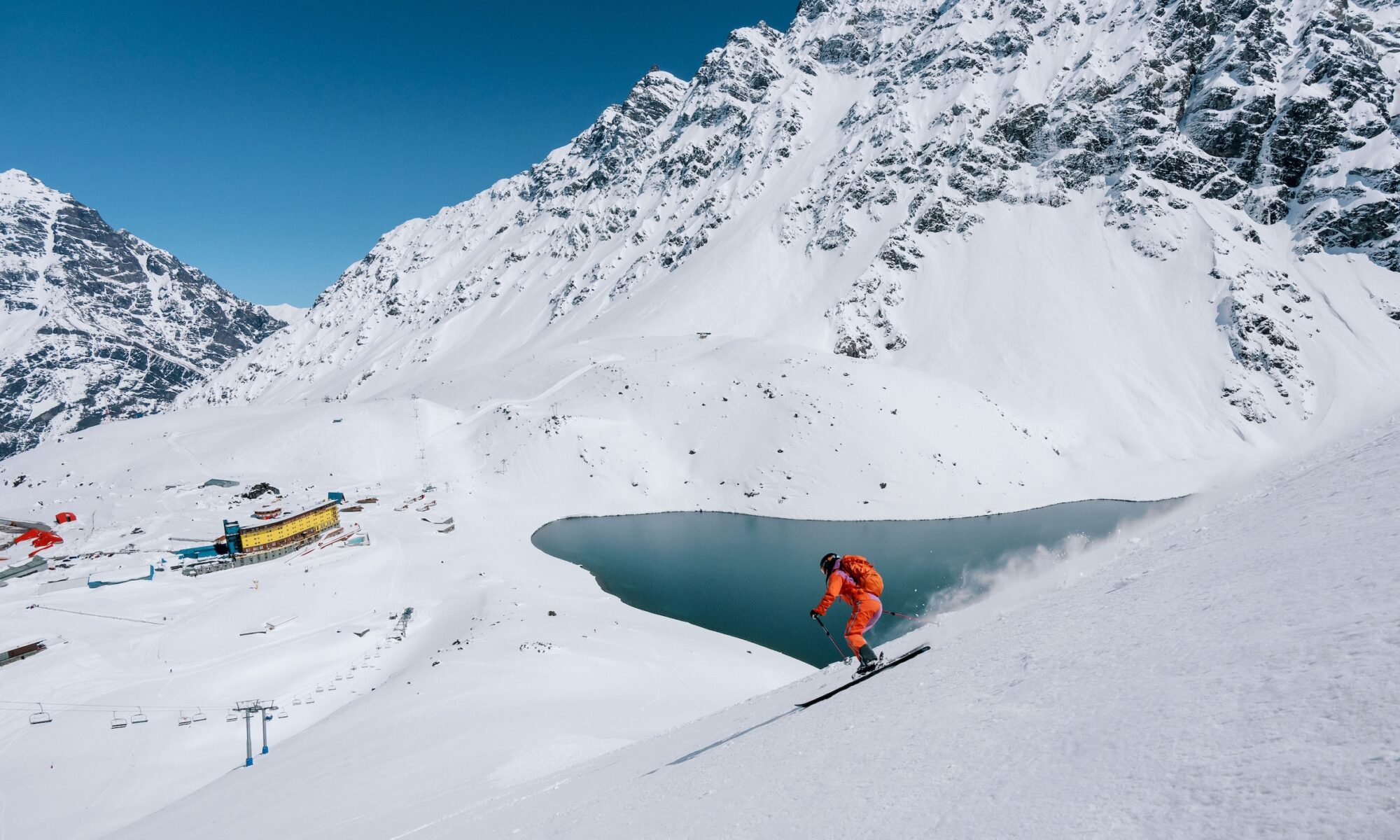
Skier coming down the slopes- views of the hotel and the Laguna del Inca. Photo by Tamara Susa. Courtesy Ski Portillo.

Why Skiing Alone Is Dangerous in the Mountains

Skiing alone is often seen as peaceful, efficient or even safer — fewer people, fewer variables, fewer mistakes. For experienced skiers in particular, solo skiing can feel controlled and familiar.

In reality, skiing alone is one of the strongest risk factors in fatal mountain accidents, whether caused by avalanches, collisions, falls or medical emergencies.

This article explains why skiing alone dramatically increases danger, even for skilled and cautious skiers.


The Most Critical Factor: No Immediate Help

When skiing alone, there is no margin for error.

In many mountain accidents:

  • The victim is unable to call for help
  • Injuries prevent movement or communication
  • Time becomes the decisive factor

Continue reading “Why Skiing Alone Is Dangerous in the Mountains”

Avalanche Activity Across the Alps & Pyrenees: Widespread Instability Raises Concerns (11–12 January 2026)

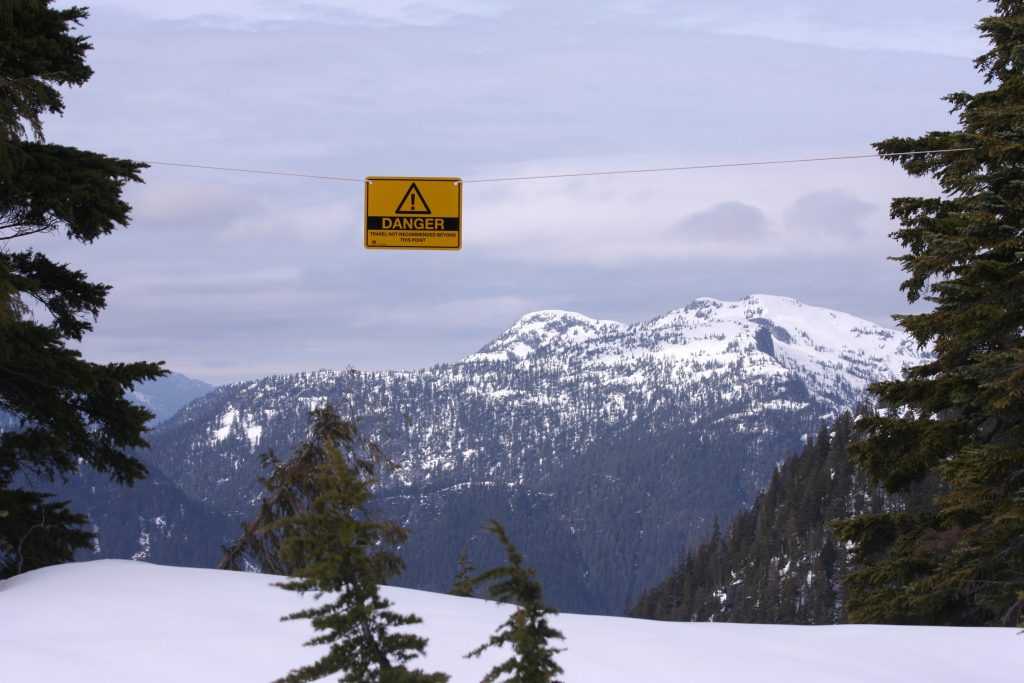
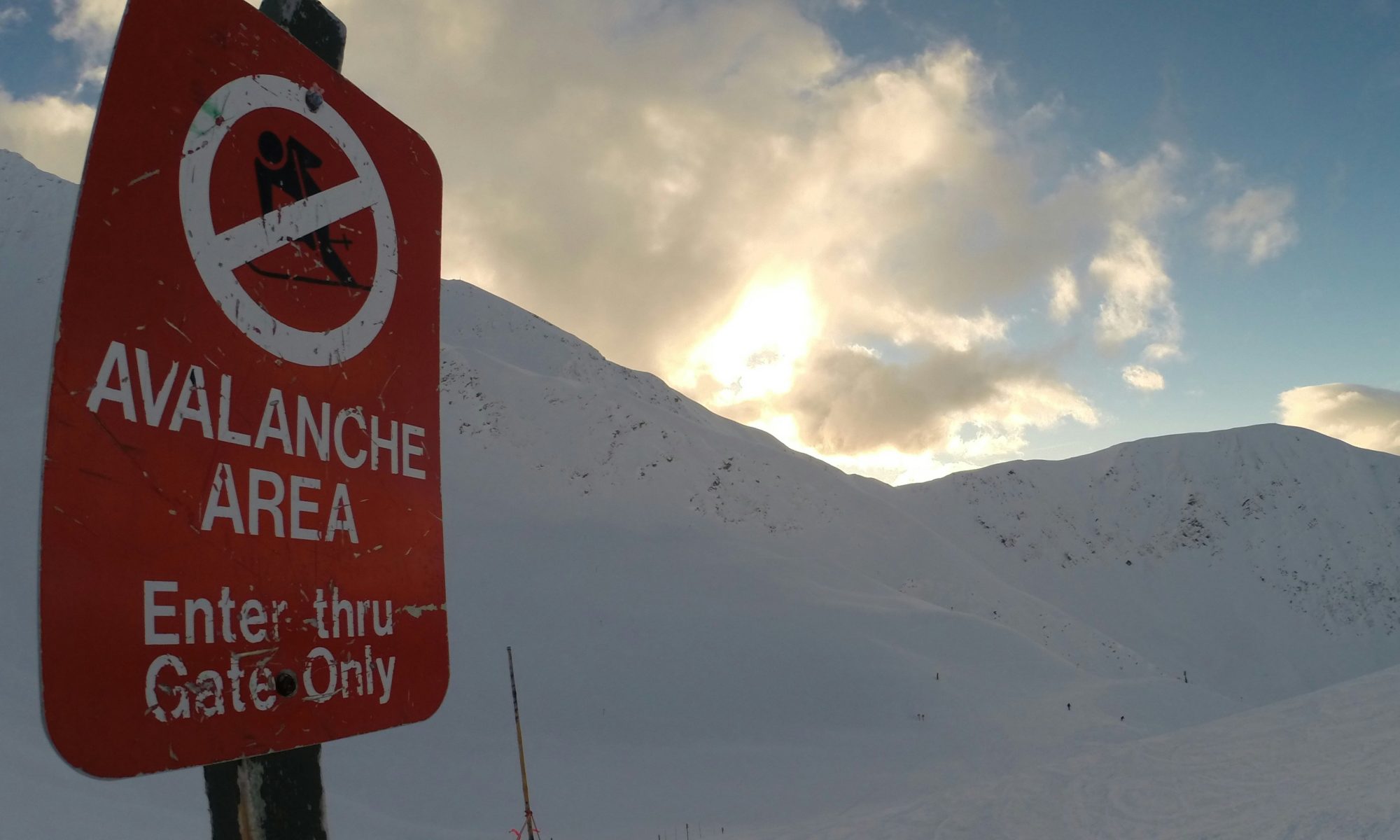
Avalanche danger sign. Photo: Bruce Warrington- Unsplash. Avalanche Activity Across the Alps & Pyrenees: Widespread Instability Raises Concerns (11–12 January 2026).

⚠️ A Concerning Weekend for Avalanche Safety in Europe’s Mountains

The weekend of 11–12 January 2026 saw a notable concentration of avalanche incidents and heightened warningsacross the Alps and the Pyrenees, affecting France, Italy, Switzerland and Austria.

Several skier-triggered avalanches, alongside spontaneous releases, confirm that snowpack instability remains widespread, particularly at higher elevations and on wind-loaded aspects.

This comes just days after fatal and serious avalanche incidents in the Aosta Valley, reinforcing the need for continued vigilance across all Alpine regions.

Continue reading “Avalanche Activity Across the Alps & Pyrenees: Widespread Instability Raises Concerns (11–12 January 2026)”

Foehn Winds and Rising Avalanche Risk in the Alps: What Skiers Need to Know

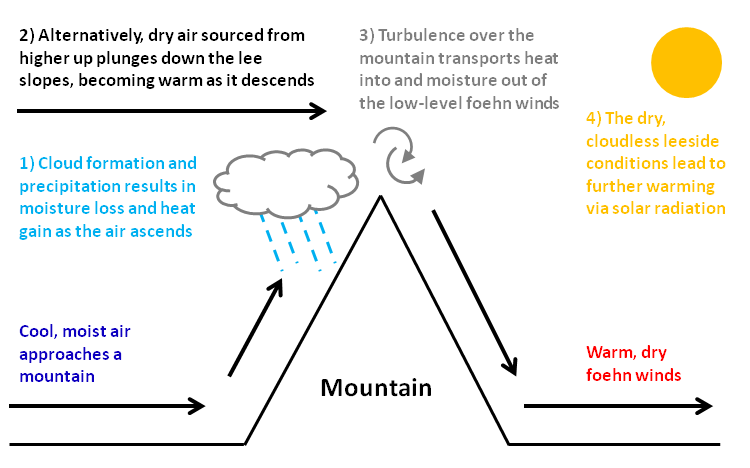
Foehn Wind graphic. Wikipedia. Foehn Winds and Rising Avalanche Risk in the Alps: What Skiers Need to Know.

🌬️ Why Foehn Winds Matter for Avalanche Safety

Foehn winds are a well-known meteorological phenomenon in the Alps, but their impact on avalanche risk is often underestimated by skiers and snowboarders.

While foehn conditions are sometimes associated with clear skies and warmer temperatures, they can significantly destabilise the snowpack, increasing the likelihood of dangerous slab avalanches, especially in off-piste and backcountry terrain.


What Are Foehn Winds?

Foehn winds are strong, dry downslope winds that occur when air masses cross the Alps and descend on the leeward side, warming rapidly as they lose moisture.

They are common across:

  • Italian Alps
  • Swiss Alps
  • Austrian Alps
  • French Alps

In Italy, foehn is often referred to as favonio, while in Austria and Germany it is known as Föhn.


Wind slab. Scottish Avalanche Information Service. Sais.gov. Foehn Winds and Rising Avalanche Risk in the Alps: What Skiers Need to Know.

Continue reading “Foehn Winds and Rising Avalanche Risk in the Alps: What Skiers Need to Know”