

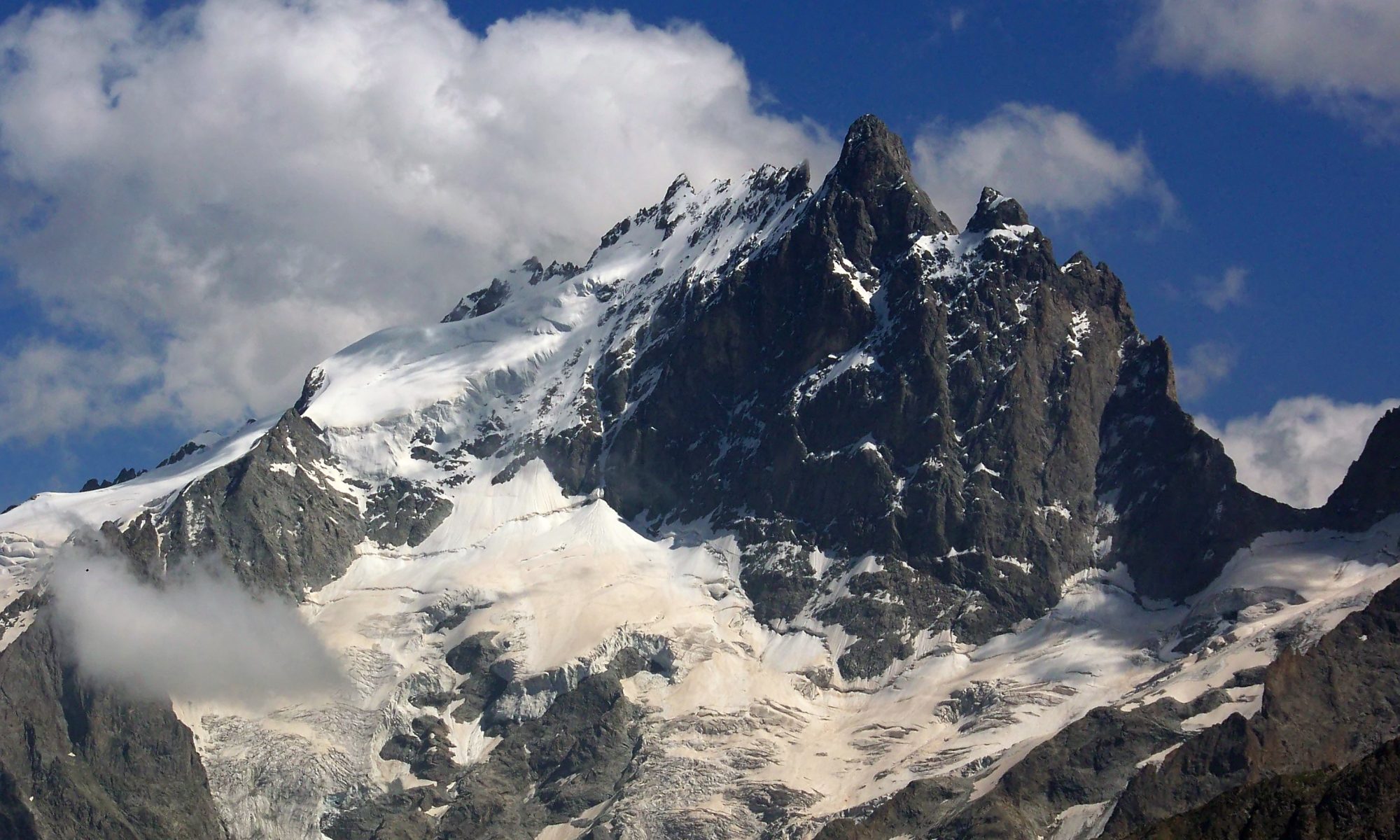
🧭 Introduction
In an Alpine world increasingly defined by lift networks, snowmaking and controlled pistes, La Grave stands apart.
This is not a conventional ski resort. There are no marked runs, no groomed pistes in the usual sense, and no fully avalanche-controlled ski area. Instead, La Grave offers direct access to high-alpine terrain where skiing and mountaineering often overlap — and where the consequences of mistakes can be severe.
📍 What La Grave Actually Is
La Grave is best understood not as a resort, but as a village with lift access into extreme terrain.
A single cable car (the Téléphérique des Glaciers de la Meije) rises from the village to over 3,200 metres, opening access to more than 2,000 metres of vertical descent. From there, skiers enter a vast area of ungroomed, glaciated slopes, couloirs and high-mountain faces.
There is almost no piste infrastructure. Routes are not marked, conditions are not standardised, and the terrain is left largely in its natural state.
👉 In simple terms:
La Grave is designed to access the mountain — not to make skiing safe.
While La Grave represents one of Europe’s most extreme lift-served environments, other models of access are emerging globally — including private ski developments like this recent project in Nevada’s Ruby Mountains.
 Subscribe to The-Ski-Guru here.