Alps Snow Forecast: Fresh November Snow Favours the Southwest

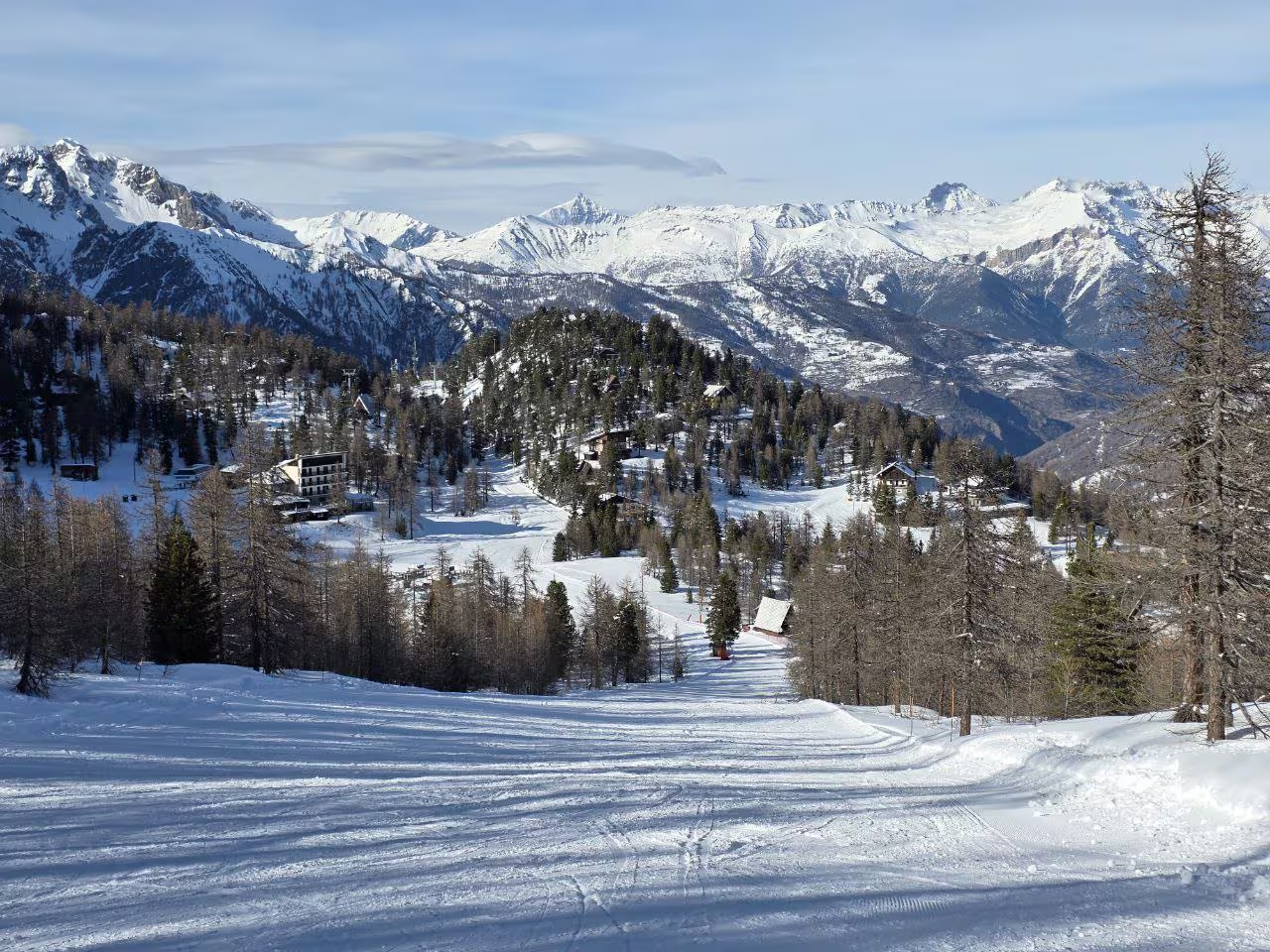
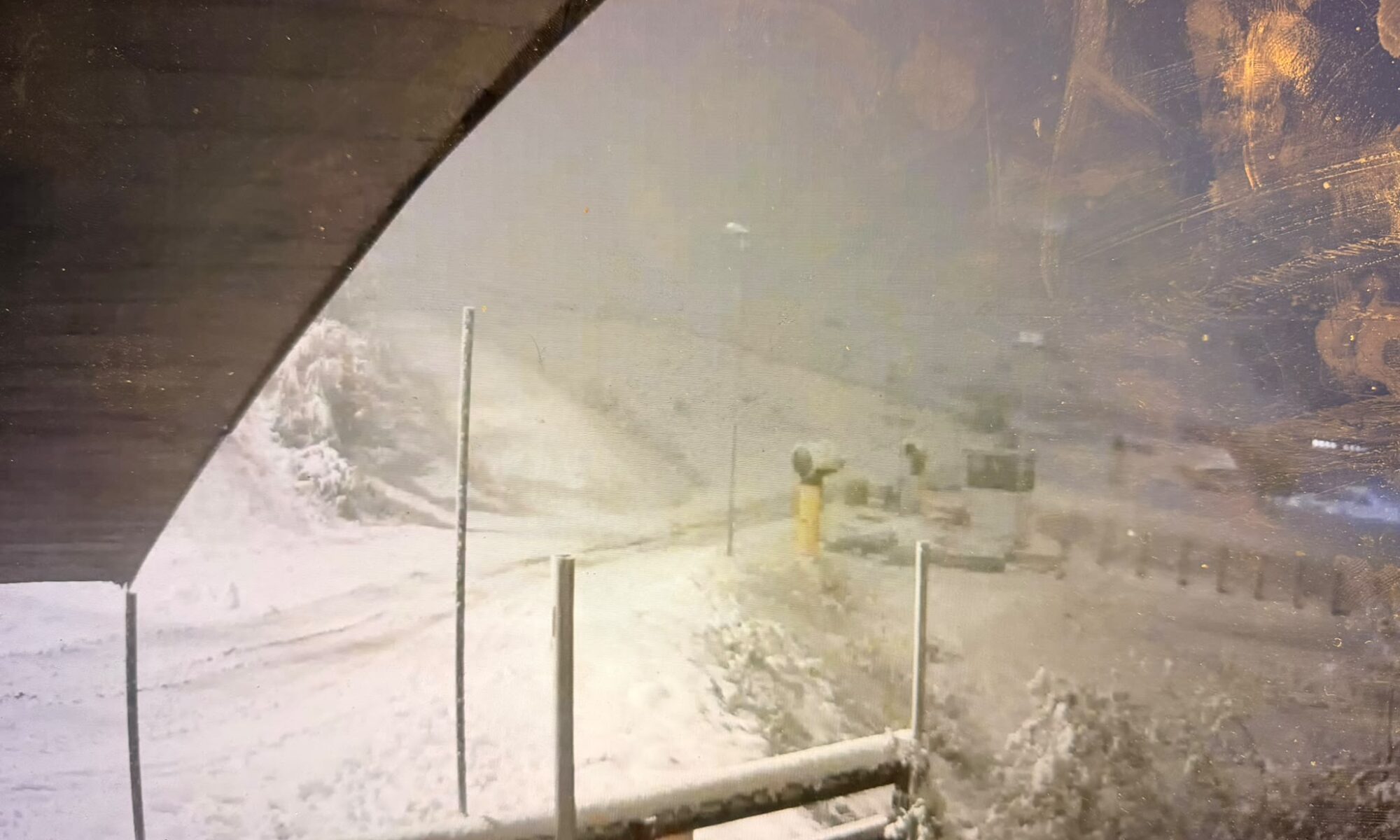
Prato Nevoso on 4th November 2026 in the evening with its new snow. Photo: webcam Skyline webcams.

Fresh snow is returning to parts of the Alps, with southern Piemonte and the southern French Alps best placed for this week’s snowfall. Here is the latest outlook for France, Italy, Switzerland, Austria, Germany and Slovenia.

By Martina Diez-Routh | The Ski Guru
4 November 2026

Fresh snow is returning to parts of the Alps as the winter season approaches, but the latest forecasts show considerable differences across the mountain range.

The strongest snowfall signal this week is concentrated in the far southwestern Alps, particularly southern Piemonte in Italy and neighbouring parts of the southern French Alps. Farther north and east, precipitation is expected to be lighter or more intermittent.

According to Weather to Ski’s update issued on 4 November, the most favoured southwestern areas could receive 20–30cm by Friday morning, with locally more than 40cm. These are forecast accumulations, rather than measured snow depths.

Our Europe winter 2026–27 snow forecast and snowmaking report examined the seasonal outlook and how resorts are preparing their snowmaking systems. This update turns to the shorter-range forecast: where snow is expected this week, at what altitude and how conditions could change afterwards.

An early November snowfall can occur within a season that ultimately averages warmer than normal. Seasonal outlooks describe conditions over several months; individual weather systems determine when and where snow actually falls.

Continue reading “Alps Snow Forecast: Fresh November Snow Favours the Southwest”
Alps and Pyrenees Snow Forecast: Fresh Snow and Falling Snow Levels

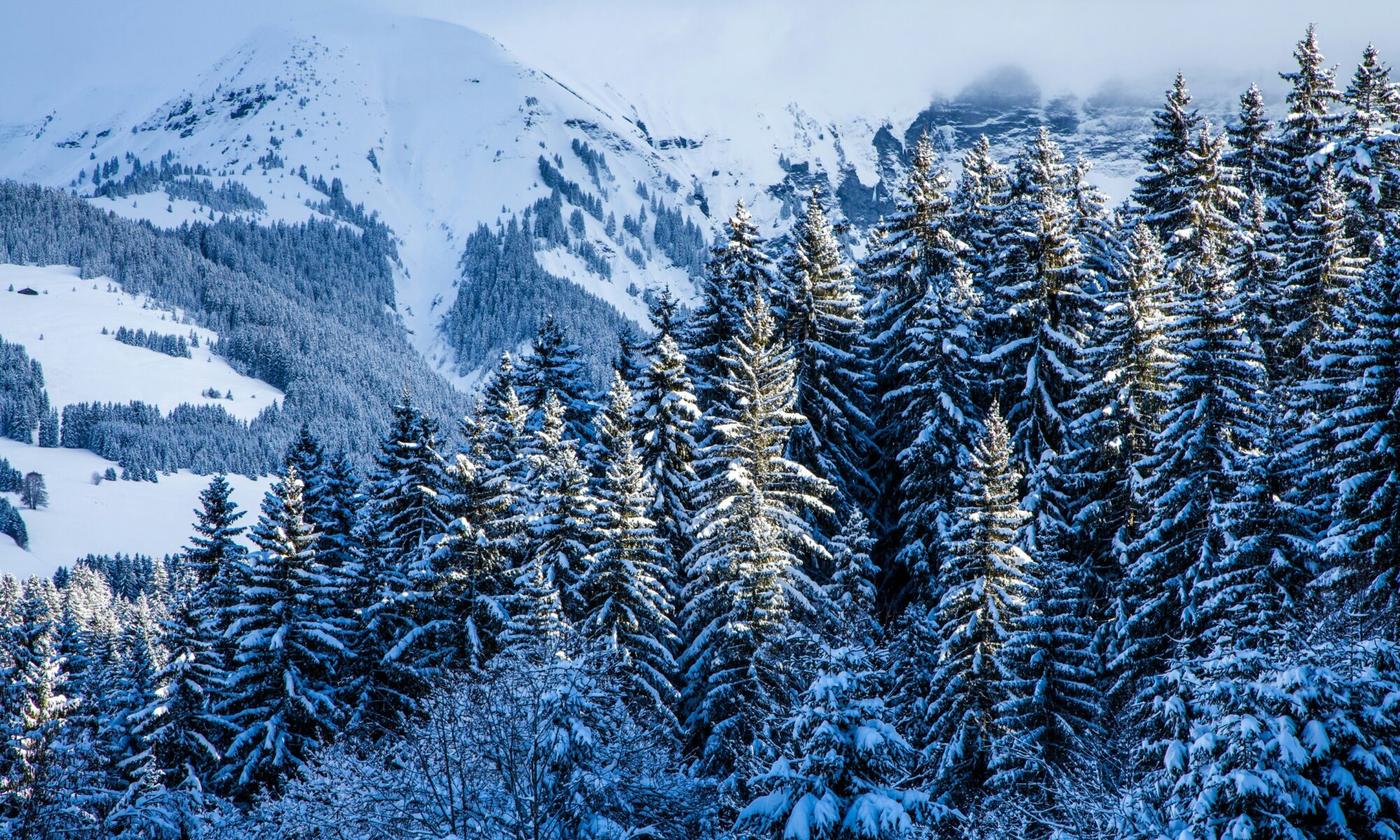
Snowy Megève. Photo credit: Mario la Pergola- Unsplash.

20 October 2026

Fresh snow is forecast for parts of the Alps this week, but elevation and timing will make a considerable difference. Official forecasts for several Italian Alpine regions show snow initially confined to higher slopes, followed by falling snow levels as colder air arrives.

In some areas, the colder conditions will reach the mountains as precipitation begins to ease. That means a lower snowline will not necessarily bring substantial accumulations to lower slopes.

The Catalan Pyrenees also have snow in the forecast, with AEMET predicting a falling snowline on Wednesday.

Continue reading “Alps and Pyrenees Snow Forecast: Fresh Snow and Falling Snow Levels”

Sestriere’s Forgotten Belvedere: A Tiny Survivor from the Birth of the Modern Ski Resort

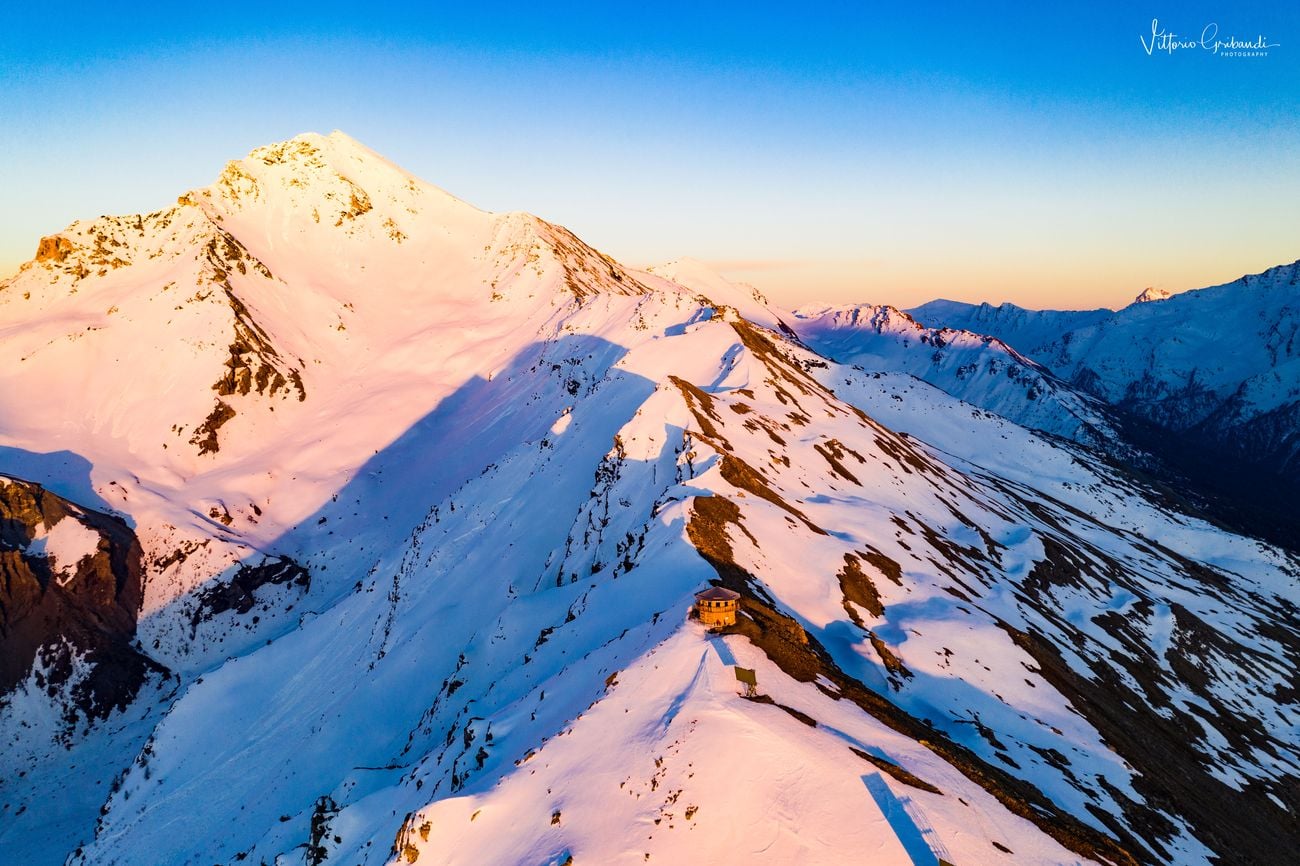
Il Belvedere on top of the mountain. Photo credit: Vittorio Gribaudi. Atribune.com

At 2,658 metres above Sestriere, a restored 1931 belvedere tells a much larger story: how an isolated Alpine plateau was transformed into one of Europe’s earliest purpose-built ski destinations.

High above Sestriere, on the summit of Monte Sises, stands a tiny concrete building surrounded by twelve square windows and an apparently limitless Alpine horizon.

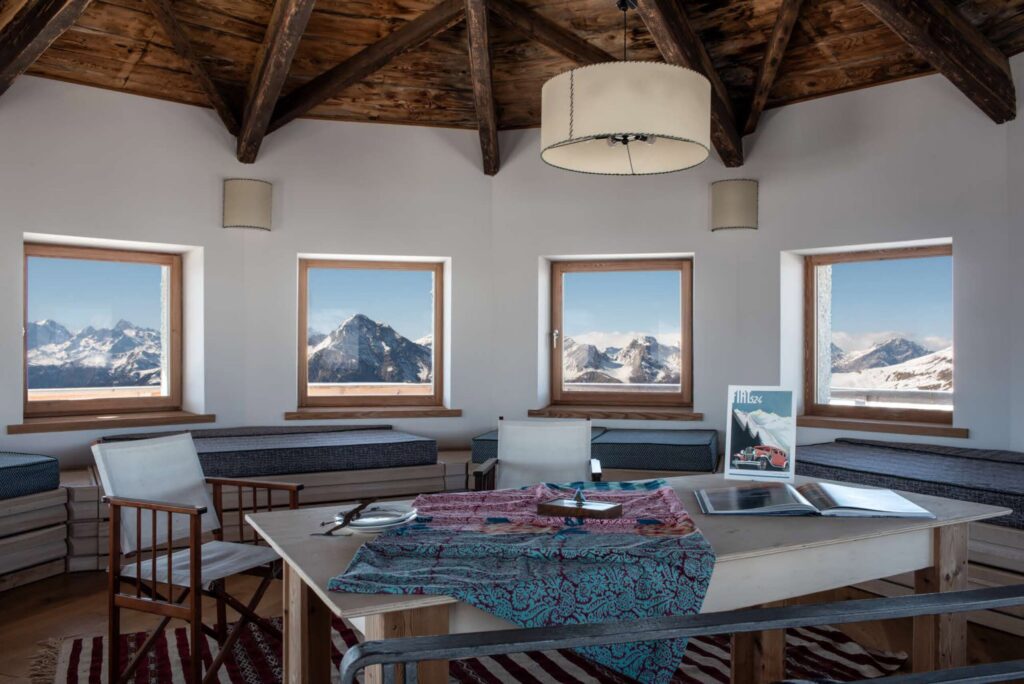
From inside, the view extends across the Rognosa di Sestriere and Monte Chaberton towards Monviso and the Écrins massif. Yet the building was never intended to be a hotel, restaurant or conventional mountain hut.

It was constructed simply as a place from which to look at the mountains.

Known as the Belvedere, the two-storey, twelve-sided structure dates from 1931 and survives from the earliest chapter in Sestriere’s development as a modern ski resort. After decades of abandonment, it has been carefully restored as a small private, largely self-sufficient mountain home.

Its story is about more than an extraordinary house. It is also a surviving fragment of the period when ski resorts, lifts lifts and purpose-built mountain architecture began to reshape the Alps.

Inside the small Belvedere. Photo: Marinella Paolina. Atribune.com

Continue reading “Sestriere’s Forgotten Belvedere: A Tiny Survivor from the Birth of the Modern Ski Resort”

Monviso Rockfall Raises Questions Over Stability of the Italian Alps Landmark

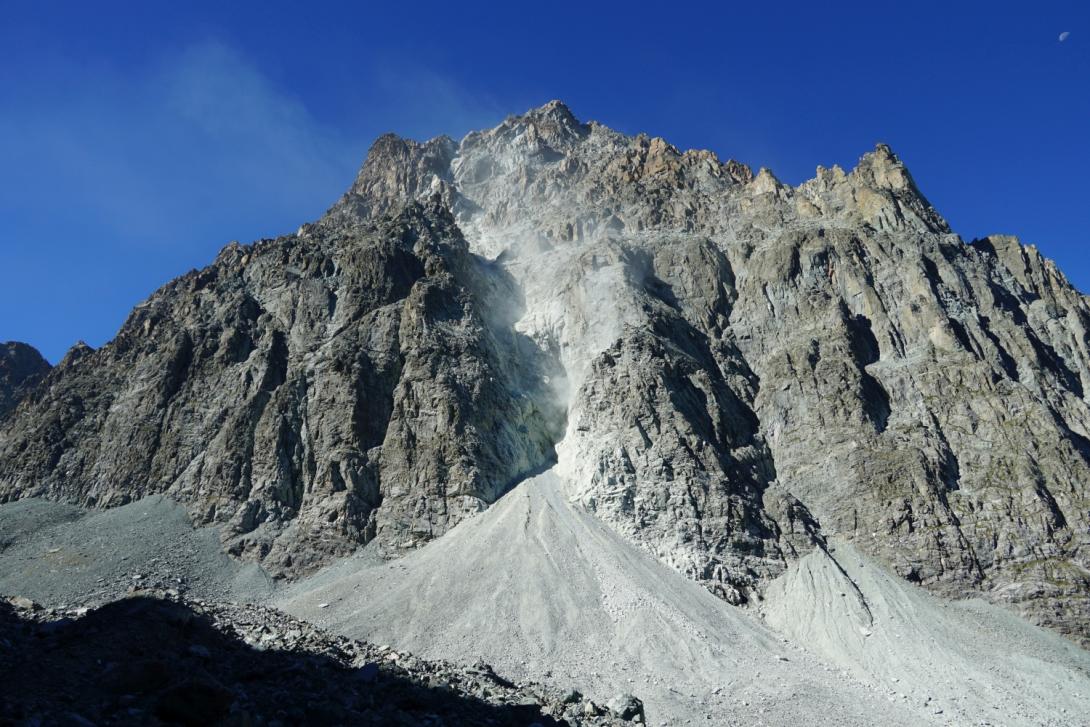
Canalone del Monviso. Photo credit: Arpa.Piemonte.it

A rockfall on Monviso’s northeast face sent thousands of cubic metres of debris down the mountain on 1 September. No one was injured and the nearby Quintino Sella refuge and its access trail were not hit by the main collapse, but repeated failures on the same face have prompted authorities to examine how the mountain is evolving.


UPDATE — 18 September 2026: New Rockfall and Regional Action

A second significant rockfall on Monviso and new temperature data have prompted the Regione Piemonte to begin a wider assessment of the mountain, including its trails, refuge access and long-term monitoring.

At the first official Tavolo Monviso, held on 16 September, ARPA Piemonte revealed that between 10 June and 10 September temperatures at its monitoring station above 3,300 metres on Monviso did not fall below 0°C.

ARPA identifies thermal stress as a probable factor in the recent rockfalls and degradation of permafrost as a possible contributing factor within a rock mass that is already heavily fractured. However, the agency continues to stress that individual rockfalls need to be assessed on their specific geological and environmental conditions.

The meeting followed another rockfall during the night of 13–14 September, this time from the Torrioni Sari on Monviso’s southern side. Regional authorities say preliminary observations suggest that this event may have been larger than the 1 September collapse on the northeast face, although further surveys are needed to determine its scale.

The two events on different sides of the mountain have led authorities to broaden their assessment from individual rockfall sites to the Monviso massif as a whole.

Access to the mountain is also under review

The Regione Piemonte is now considering additional surveys, including drone inspections, an assessment of the most exposed trails and possible alternative routes to mountain refuges.

One proposal being examined is an alternative access route to the Rifugio Quintino Sella. Improved trail signage and temporary restrictions in particularly exposed areas are also being considered.

This does not currently amount to a general closure or restriction on access to Monviso.

Continue reading “Monviso Rockfall Raises Questions Over Stability of the Italian Alps Landmark”

Bardonecchia Train Disruption: Buses Replace Trains Until 9 October

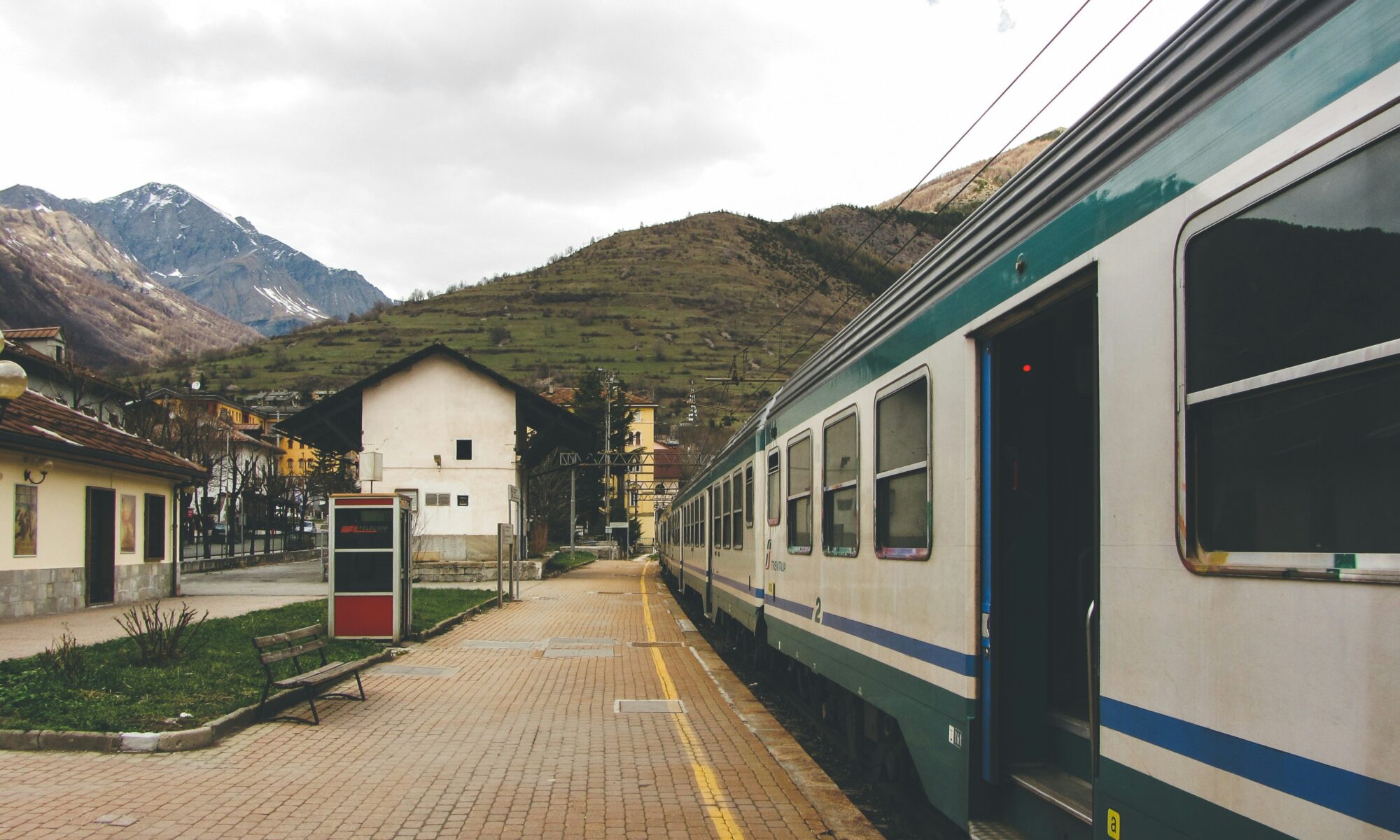
Bardonecchia train station. Photo credit: Casey Lovegrove. Unsplash.

Bardonecchia train disruption is affecting travellers from 10 August to 9 October 2026, with replacement buses operating between Bussoleno and Bardonecchia while major railway maintenance takes place.

The disruption comes at one of the busiest periods of the summer season in the Italian Alps and has prompted criticism from local authorities and tourism operators, who argue that the timing could affect visitors who have already booked their holidays.

According to Trenitalia, rail traffic between Bussoleno and Bardonecchia will be suspended from 10 August until 9 October 2026 while extraordinary maintenance work is carried out along the Torino–Modane railway.

Regional SFM3 services are being modified, with replacement buses operating for affected sections of the journey.

Continue reading “Bardonecchia Train Disruption: Buses Replace Trains Until 9 October”

Vialattea and Bardonecchia Deepen Their Partnership Ahead of Winter 2026/27

Photo credit: Via Lattea, Sestrieres sPa

When Vialattea and Bardonecchia first announced they would work more closely together, many skiers wondered whether it was simply a marketing exercise. A year later, the picture is becoming much clearer.

The launch of the 2026/27 season pass campaign shows that the partnership is evolving into a genuine long-term strategy, offering more shared benefits while allowing each ski area to retain its own identity.

Season passes officially went on sale on 4 July, with the winter season scheduled to run from 5 December 2026 to 11 April 2027. However, the bigger story is not the dates themselves, but the continued development of the Vialattea // Bardo concept.

Continue reading “Vialattea and Bardonecchia Deepen Their Partnership Ahead of Winter 2026/27”

Low Water Reserves Raise Fresh Summer Drought Concerns Across Europe’s Mountain Regions

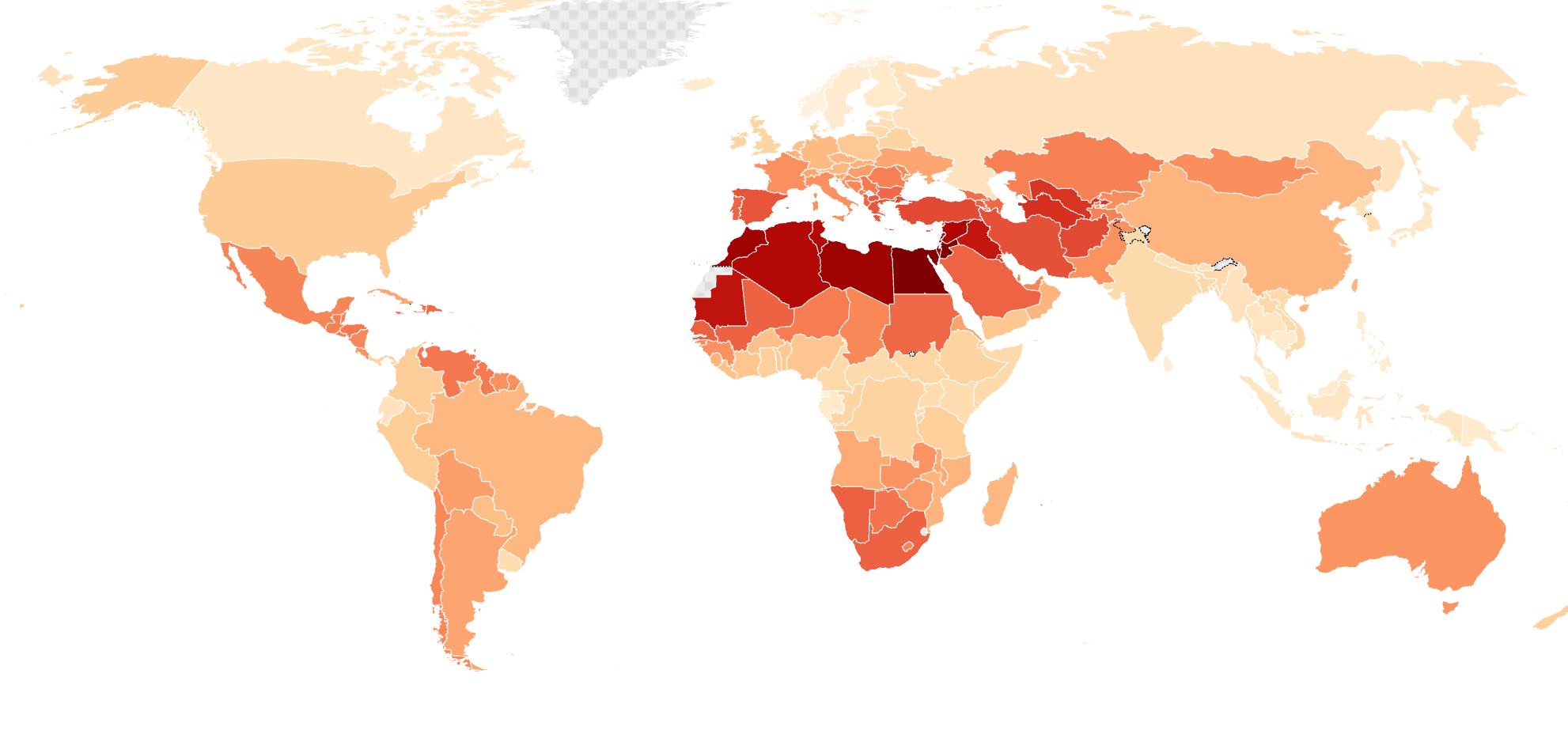
Increase of drought in the world. Infographic: Openpolis.it

Low Water Reserves Raise Summer Drought Concerns Across the Alps

Switzerland is entering summer 2026 with unusually low water reserves following one of the driest springs in recent years, prompting questions about whether parts of the Alps could face drought conditions later this summer.

According to SwissInfo and MeteoSwiss, rainfall during spring was significantly below average in many areas, while reservoir levels and river flows are lower than normally expected at the start of June.

The concern extends beyond Switzerland. Several Alpine regions experienced a winter marked by long dry periods, reduced snow accumulation and an early start to the spring melt season. While conditions vary between regions, mountain authorities and meteorologists are closely monitoring water availability heading into the peak summer months.

Continue reading “Low Water Reserves Raise Fresh Summer Drought Concerns Across Europe’s Mountain Regions”

Are Fragmented Alpine Ski Resorts Becoming Unsustainable?

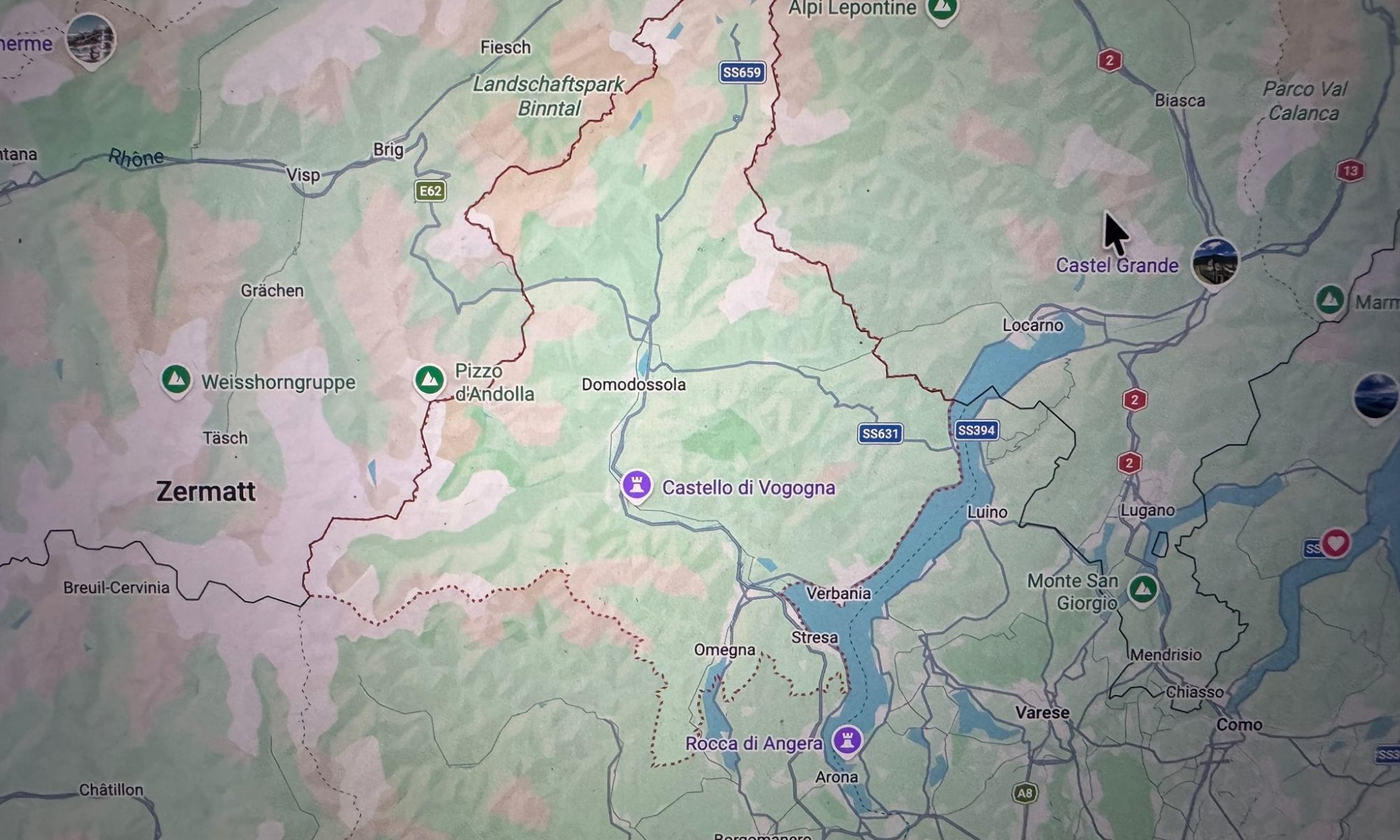
Verbano-Cusio-Ossola. Google Maps.

Across the Alps, a growing number of ski destinations are facing the same difficult question: can smaller mountain municipalities still afford to develop and modernise ski infrastructure on their own?

Two recent stories from northern Italy suggest the Alpine ski industry may be entering a new phase — one defined less by endless expansion and more by consolidation, selective investment and regional cooperation.

In Lombardy, the municipality of Valfurva recently abandoned plans for a new lift connection linking the valley more directly to Bormio’s ski area. The proposed project, intended to connect the S. Antonio/S. Nicolò area with the Bormio slopes, had already secured part of its public funding but ultimately failed to move forward because the remaining financing and permitting timelines proved too difficult to complete. Local officials described the decision as “painful, but inevitable.”

Continue reading “Are Fragmented Alpine Ski Resorts Becoming Unsustainable?”

The “Ghost Tunnel” Project That Could Offer Another Route Between Piemonte and the French Riviera

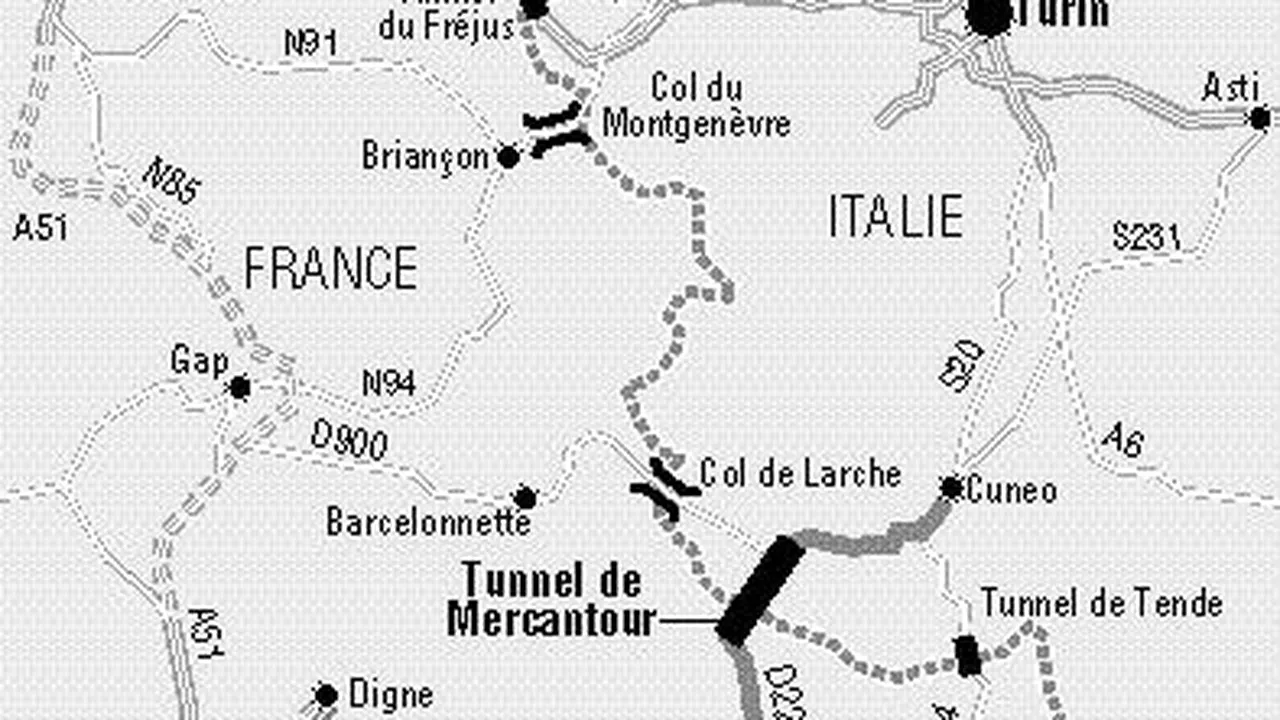
Tunnel Mercantour. Les Echos.

A long-abandoned proposal for a new Alpine tunnel linking Piemonte with the French Riviera has unexpectedly returned to public discussion in Italy, reviving debate over mountain connectivity, infrastructure resilience, and the future of cross-border transport in the Alps.

The project, recently described by Italian media as the “ghost tunnel” of the Mercantour, would potentially create an additional connection between the Cuneo area in Piemonte and the Côte d’Azur region around Nice.

While the idea has existed for decades, it has never moved beyond the conceptual and political discussion stage. However, renewed attention has emerged as Alpine regions increasingly reassess the vulnerability of existing transport corridors.

Continue reading “The “Ghost Tunnel” Project That Could Offer Another Route Between Piemonte and the French Riviera”

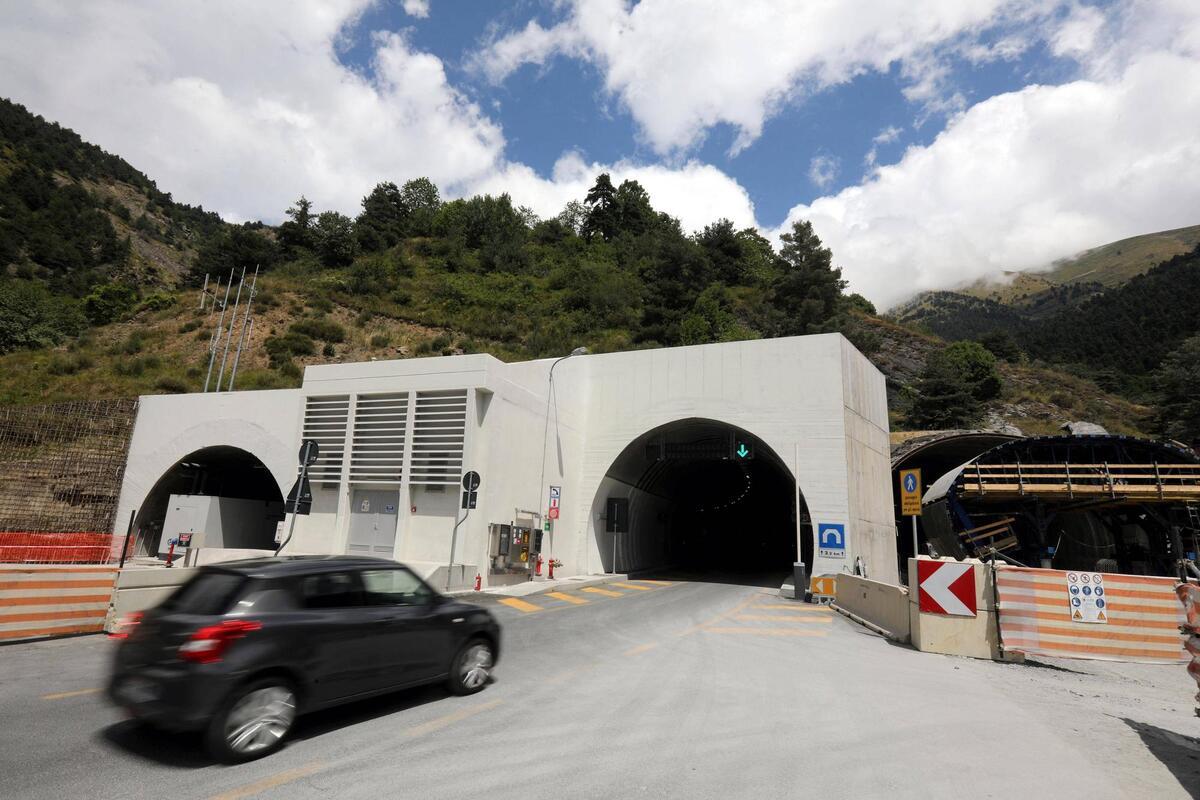
Why the Tenda Tunnel Has Become a Symbol of Alpine Infrastructure Fragility

Tenda Tunnel. Photo: Nice Matin.

The reopening delays and ongoing reconstruction saga surrounding the Col de Tende Road Tunnel have become far more than a local infrastructure story. Increasingly, the tunnel is being seen as a symbol of how vulnerable Alpine transport corridors have become in an era of extreme weather, ageing infrastructure, and growing pressure on mountain mobility.

The Tenda Tunnel links Piemonte in north-west Italy with the Roya Valley in France, connecting the Cuneo region and resorts such as Limone Piemonte with Nice and the Côte d’Azur. Opened in 1882, it remains one of the most important historic road crossings between Italy and southern France.

For decades, the route has been strategically important not only for local communities and freight transport, but also for tourism. The tunnel provides a key connection between the Mediterranean coast and the mountains of Piemonte, including ski destinations and outdoor tourism areas that depend heavily on reliable cross-border access.

Continue reading “Why the Tenda Tunnel Has Become a Symbol of Alpine Infrastructure Fragility”