

Where Do Ski Resort Workers Live? Aosta Valley and Haute-Savoie Look for Answers

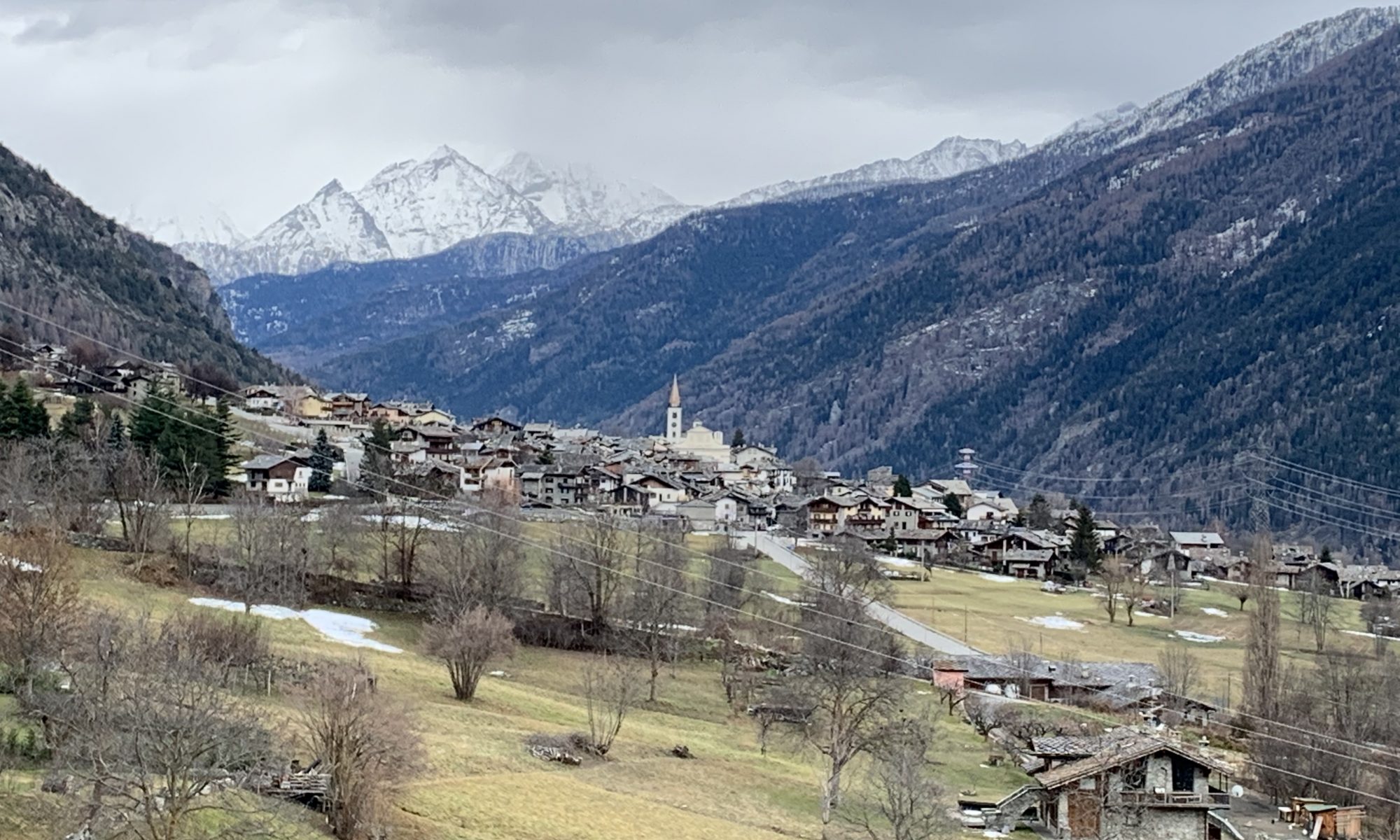
A view of La Salle, in the Valdigne of the Aosta Valley, from the distance of Tsantamerla. Photo: The Ski Guru

The people who check you into your hotel, serve lunch on the mountain and keep the lifts running all need somewhere to live for the season. In the upper Aosta Valley and across the border in Haute-Savoie, local authorities are looking at how to make that easier. One proposal on the Italian side is to turn an existing public building into accommodation for seasonal workers.

A shared problem on both sides of Mont Blanc

On 28 October 2026, representatives from Italy’s Valdigne and France’s Arve Valley met in Courmayeur to discuss seasonal worker housing. The meeting was part of Parcours+ SAISON, a cross-border project backed by the EU’s Interreg France–Italy ALCOTRA programme. 

Continue reading “Where Do Ski Resort Workers Live? Aosta Valley and Haute-Savoie Look for Answers”

Housing the Workforce: The Growing Constraint on Mountain Tourism from Aspen to the Alps

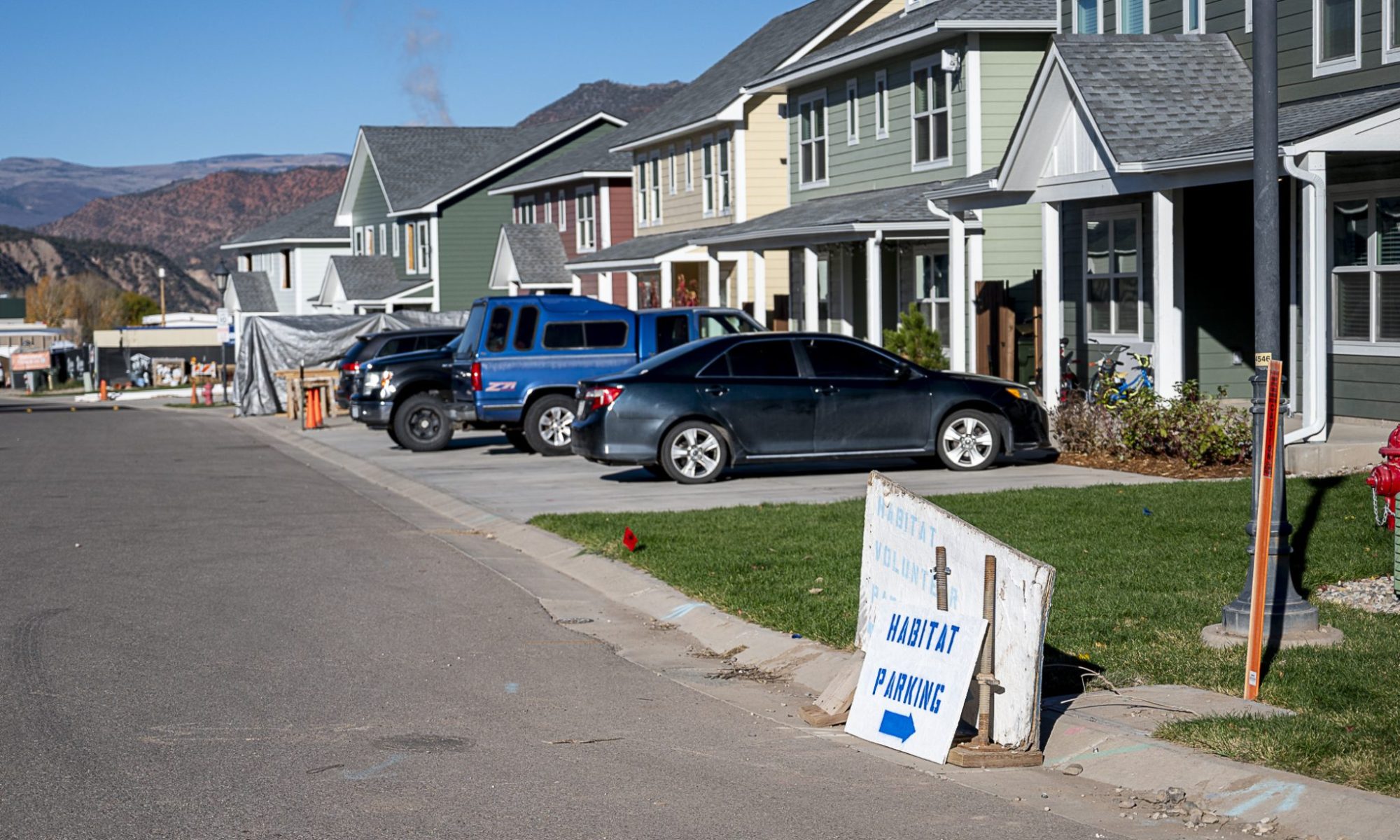
Homes built by Habitat for Humanity Vail Valley. Stratton Flats Neighborhood in Gypsum Photo: Ben Roof/Special to the Summit Daily

The conversation around ski destinations has long focused on snow, infrastructure, and demand. Yet across North America and Europe, a different constraint is becoming increasingly visible: whether the people who operate these destinations can still afford to live within reach of them.

What appears at first as a local issue in individual resorts is, in reality, a structural challenge affecting mountain tourism globally. From Aspen to Zermatt, from Whistler to Cortina d’Ampezzo, the same question is emerging in different forms: who can still afford to live where tourism takes place, and how far can they be pushed away before the system begins to strain.

In North America, the issue is often framed directly as workforce housing. In Aspen, one of the most developed housing systems in ski tourism has been in place for decades, yet demand continues to exceed supply. Access to subsidised housing remains competitive, with strict qualification systems and long waiting lists. The conclusion is difficult to avoid: even a mature, highly structured model does not fully resolve the imbalance between housing supply and workforce demand.

Continue reading “Housing the Workforce: The Growing Constraint on Mountain Tourism from Aspen to the Alps”

Colorado immigration lawyers alarmed by leaked ICE memo claiming power to enter homes without a judge’s warrant

Photo: US Immigration and Customer Enforcement. Colorado immigration lawyers alarmed by leaked ICE memo claiming power to enter homes without a judge’s warrant.

Immigration lawyers in Colorado are raising alarms after new reporting revealed a leaked internal ICE memo that allegedly claims federal immigration officers can forcibly enter private homes using only an administrative warrant—rather than a warrant signed by a judge.

The memo—reported by major national outlets and analyzed by Colorado journalists and legal experts—has triggered a fast-moving debate about Fourth Amendment protections and what, exactly, immigration agents can lawfully do at someone’s front door.


What the leaked memo allegedly says

According to reporting by The Associated Press and The Washington Post, the memo is dated May 12, 2025 and signed by Acting ICE Director Todd Lyons. The documents describe a policy position that ICE officers may use an administrative warrant (internal DHS/ICE paperwork) to enter a residence to arrest a person with a final order of removal—and may use “reasonable” force if entry is refused.

Continue reading “Colorado immigration lawyers alarmed by leaked ICE memo claiming power to enter homes without a judge’s warrant”