Skier Found Dead Outside Boundary at Whistler Blackcomb After Going Missing

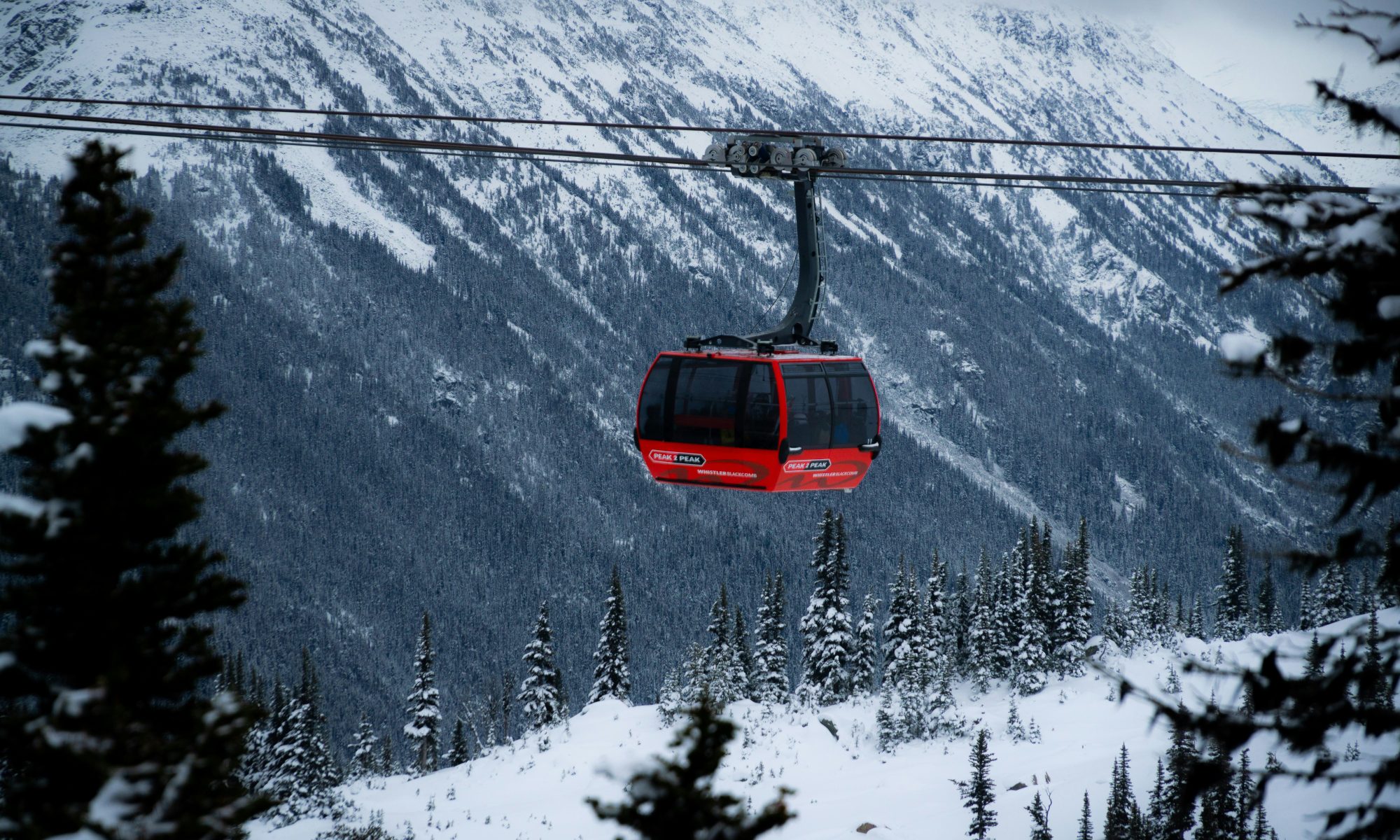
Whistler Peak 2 Peak Gondola. Photo: Yin Yin Low. Unsplash.

The Whistler Blackcomb skier death follows the discovery of a 78-year-old Vancouver man who had been missing for several days after skiing at the resort.

The man was found on 5 March 2026 outside the ski-area boundary at Whistler Blackcomb, one of the largest ski resorts in North America located in British Columbia, Canada.

He had last been seen skiing on 28 February, prompting a search operation after he failed to return.

Crossing ski-area boundaries is a factor in a number of mountain incidents each winter, particularly at large resorts where backcountry terrain is easily accessible from lift-served areas. Even a short distance beyond the boundary can place skiers in uncontrolled terrain where avalanche mitigation, route marking and rapid rescue response are no longer guaranteed.

Authorities say the death is not considered suspicious, and early reports suggest the skier may have unintentionally crossed the resort boundary.

Related news:
Rockslide closes Peak Express area at Whistler Blackcomb (March 2026)

Continue reading “Skier Found Dead Outside Boundary at Whistler Blackcomb After Going Missing”
Ski Catastrophic Injuries Rise in the U.S. — What European Safety Data Reveals About Real Risks on the Slopes

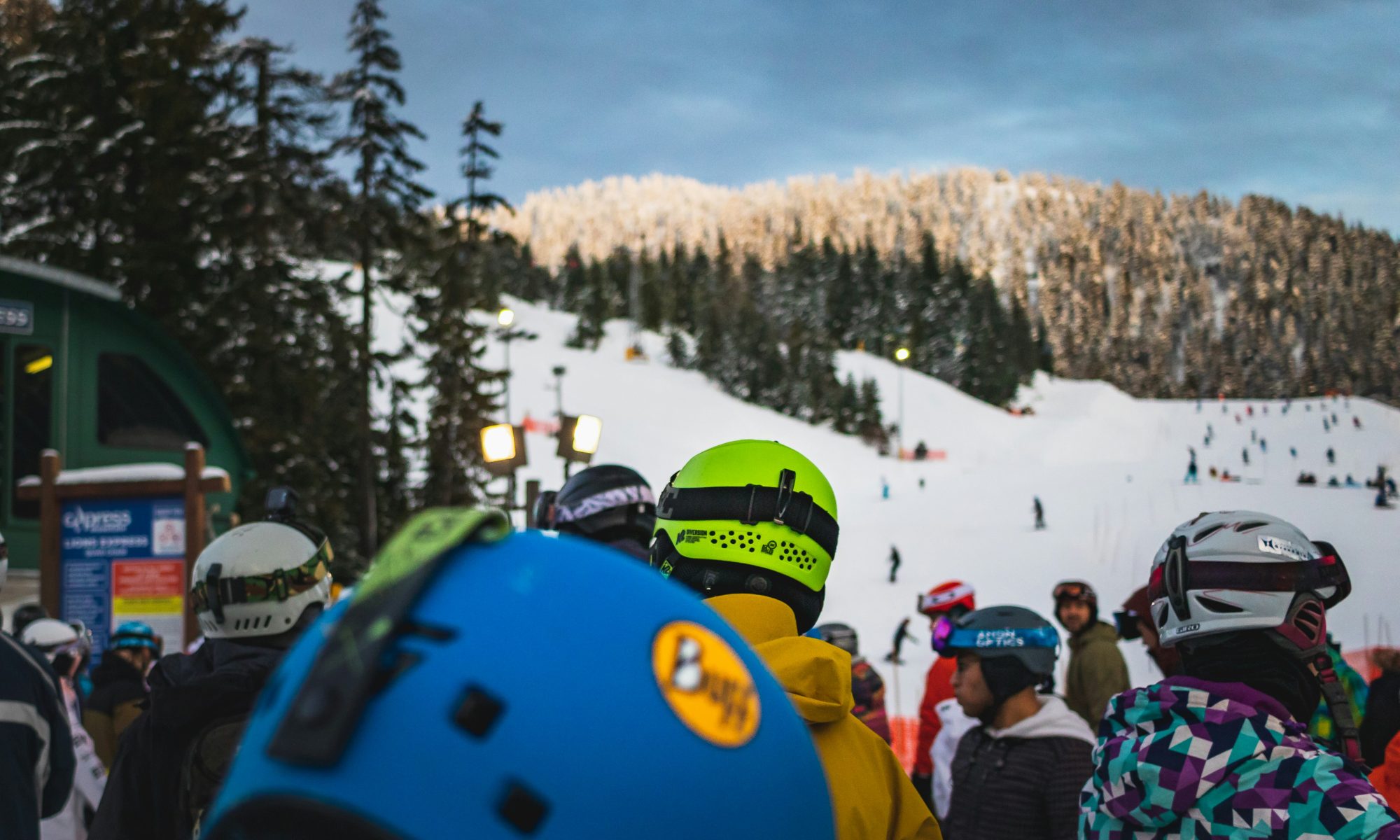
Crowded ski resort piste. Unsplash. Greg Rosenke.

New safety data shows ski catastrophic injuries increased in the United States during the 2024–2025 winter season, prompting renewed discussion about skier behaviour, safety equipment, and the structural pressures facing modern ski areas.

But when these figures are compared with European injury statistics from France, Switzerland, Austria, and Italy, a more complex picture emerges.

Across the Alps, researchers and mountain medical organisations consistently highlight the same factors behind serious ski accidents: speed, collisions, terrain choices, crowding, and human behaviour — far more than helmet usage alone.


Key Ski Safety Statistics

Recent data from North America and Europe provides a clearer picture of the real risks on the slopes.

Continue reading “Ski Catastrophic Injuries Rise in the U.S. — What European Safety Data Reveals About Real Risks on the Slopes”

Snowmass Ski Instructor Dies on the Slopes — Local Reports

Snowmass photo: Aspen Skiing Company. Snowmass Ski Instructor Dies on Mountain — Aspen Local News.

A long-time ski instructor at Snowmass Ski Area has died after an incident on the mountain on Thursday morning, according to multiple local news sources.

Aspen Daily News and the Aspen Times have both confirmed the death of an Aspen Skiing Company instructor at Snowmass Ski Area. Details remain limited as authorities continue to investigate and the family’s privacy is respected. 

Friends, colleagues and community members shared remembrances and tributes on social media, naming the instructor and acknowledging his longtime contribution to the local ski community. 


Local News Confirmation & Community Reaction

Aspen Daily News posted on Facebook that a ski instructor died on a Snowmass slope Thursday morning, confirming the news via the resort’s communications. 

Continue reading “Snowmass Ski Instructor Dies on the Slopes — Local Reports”

Why Skiing Alone Is Dangerous in the Mountains

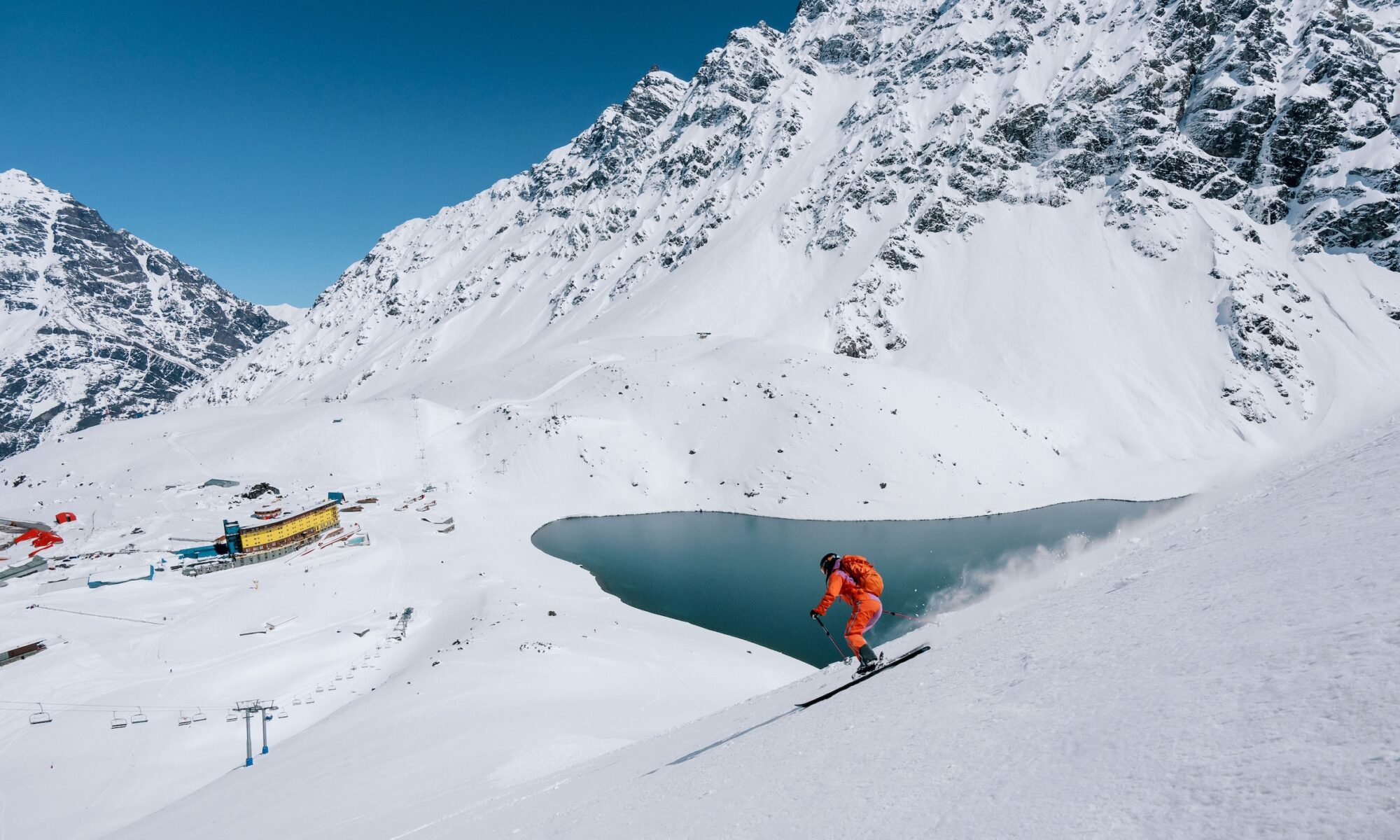
Skier coming down the slopes- views of the hotel and the Laguna del Inca. Photo by Tamara Susa. Courtesy Ski Portillo.

Why Skiing Alone Is Dangerous in the Mountains

Skiing alone is often seen as peaceful, efficient or even safer — fewer people, fewer variables, fewer mistakes. For experienced skiers in particular, solo skiing can feel controlled and familiar.

In reality, skiing alone is one of the strongest risk factors in fatal mountain accidents, whether caused by avalanches, collisions, falls or medical emergencies.

This article explains why skiing alone dramatically increases danger, even for skilled and cautious skiers.


The Most Critical Factor: No Immediate Help

When skiing alone, there is no margin for error.

In many mountain accidents:

  • The victim is unable to call for help
  • Injuries prevent movement or communication
  • Time becomes the decisive factor

Continue reading “Why Skiing Alone Is Dangerous in the Mountains”