The new 3.6-kilometre gondola will connect two ski resorts in Spain’s Aragonese Pyrenees, creating a combined ski destination with more than 100 kilometres of slopes. However, the publicly funded project continues to face environmental opposition.
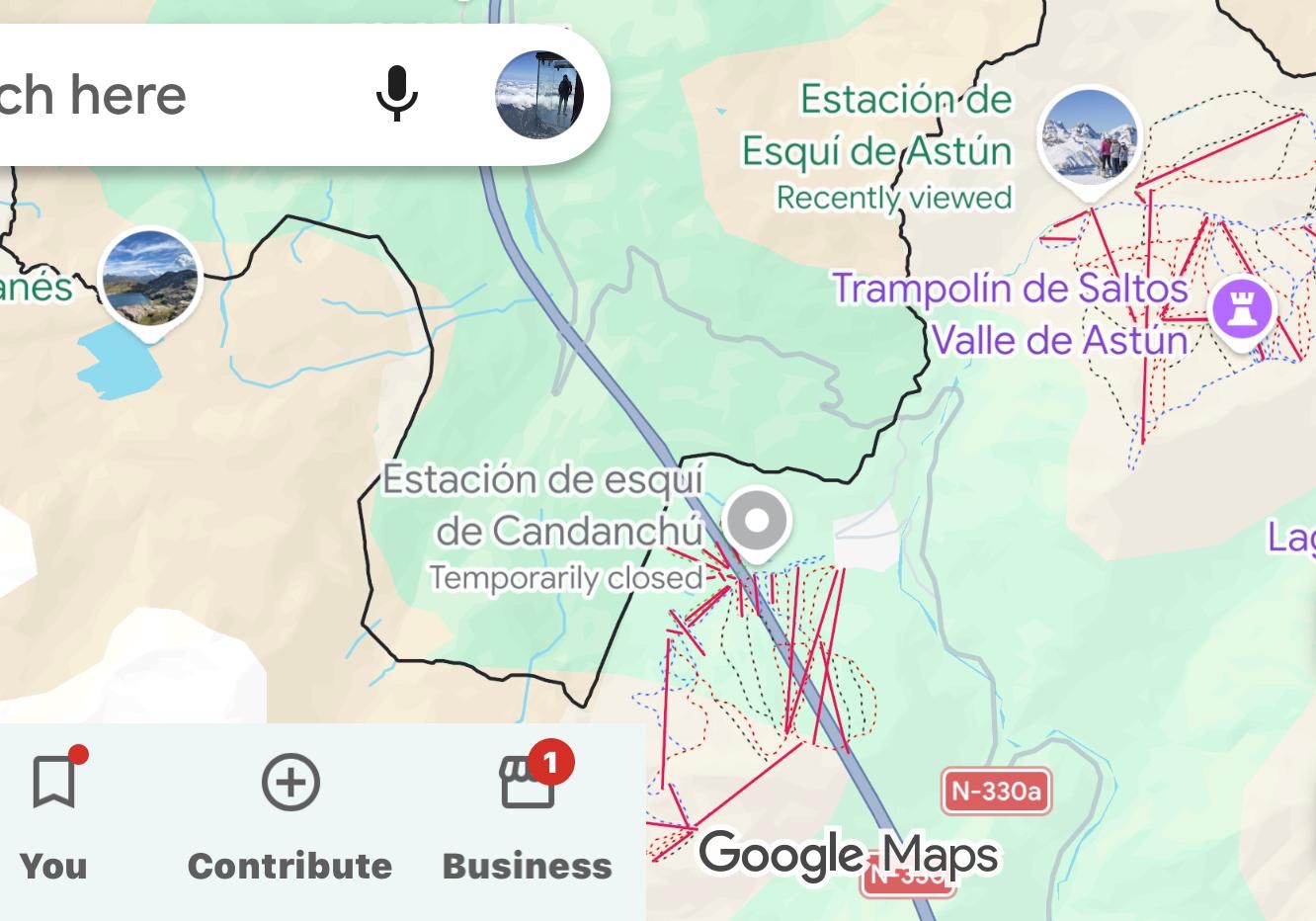
Construction of the new gondola linking Astún and Candanchú, two established ski resorts in Spain’s Aragonese Pyrenees, is approaching the halfway point, with the first lift towers being installed ahead of the winter season.
According to Aragón Noticias, approximately 50% of the construction work has now been completed. The project is scheduled to become operational towards the end of 2027, in time for the 2027/28 ski season.
The new connection represents one of the most significant current infrastructure developments in the Spanish Pyrenees, aiming to improve access between the two resorts and strengthen the year-round tourism offer of the Aragón Valley.
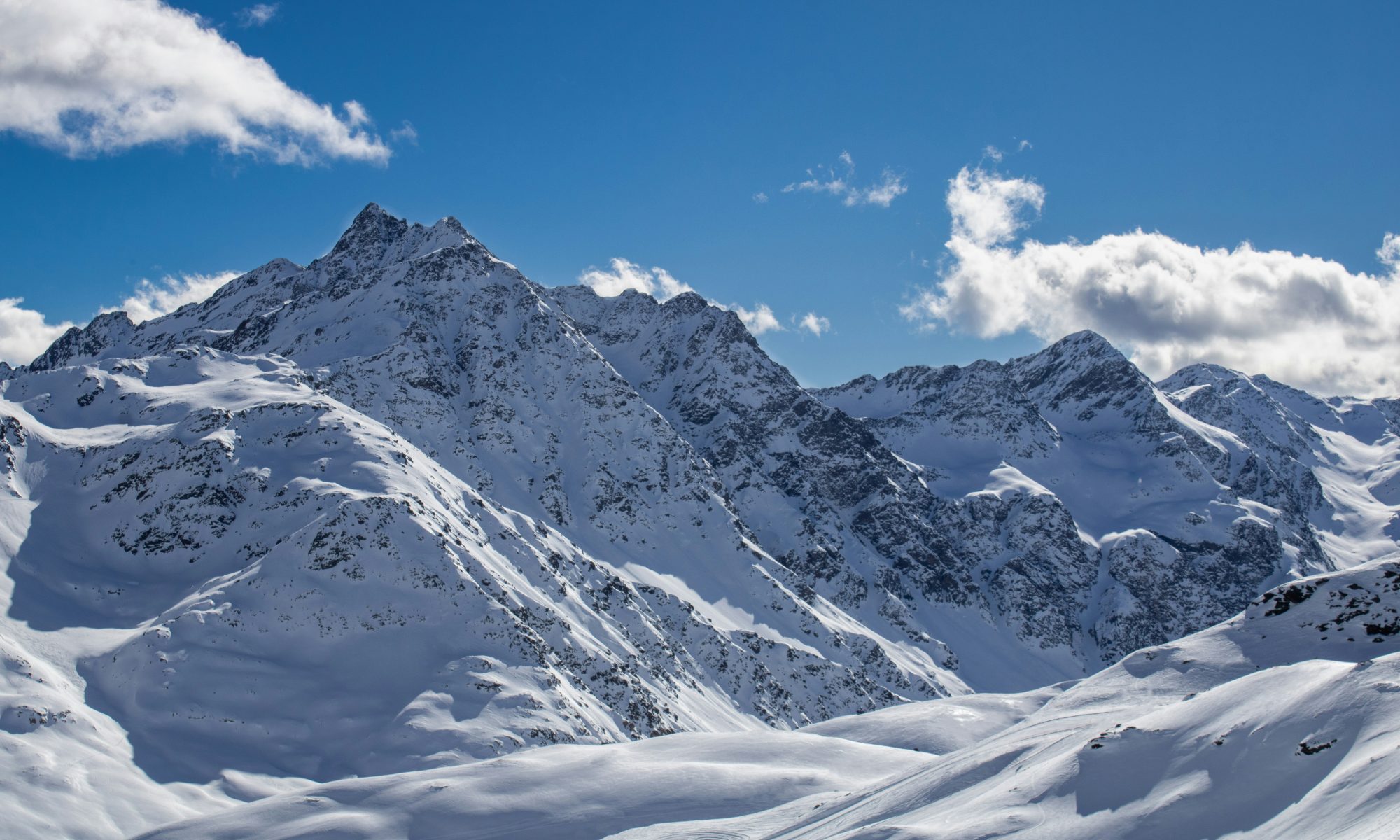
Not every Alpine resort is rushing into new ski lift expansion ahead of the Milan-Cortina 2026 Winter Olympics. In Alta Valtellina, the municipality of Valfurva has officially abandoned plans for a new lift connection that would have provided direct access from the lower Valfurva valley to the Bormio ski area.
The proposed “S. Antonio/S. Nicolò – Località Cimino” lift and return piste would have linked Valfurva more directly to Bormio’s slopes, in what had been presented as part of a broader vision of greater integration between the ski areas of Alta Valtellina.
According to local reports and comments from Valfurva mayor Luca Bellotti, the decision was ultimately driven by a combination of timing, financing and permitting issues. The project, valued at more than €9 million, had already secured approximately €4.5 million in public funding through Italy’s Fondo Comuni Confinanti, but the remaining financing was never fully secured. The municipality also faced extremely tight deadlines tied to the funding programme, requiring feasibility documentation to be completed by September.
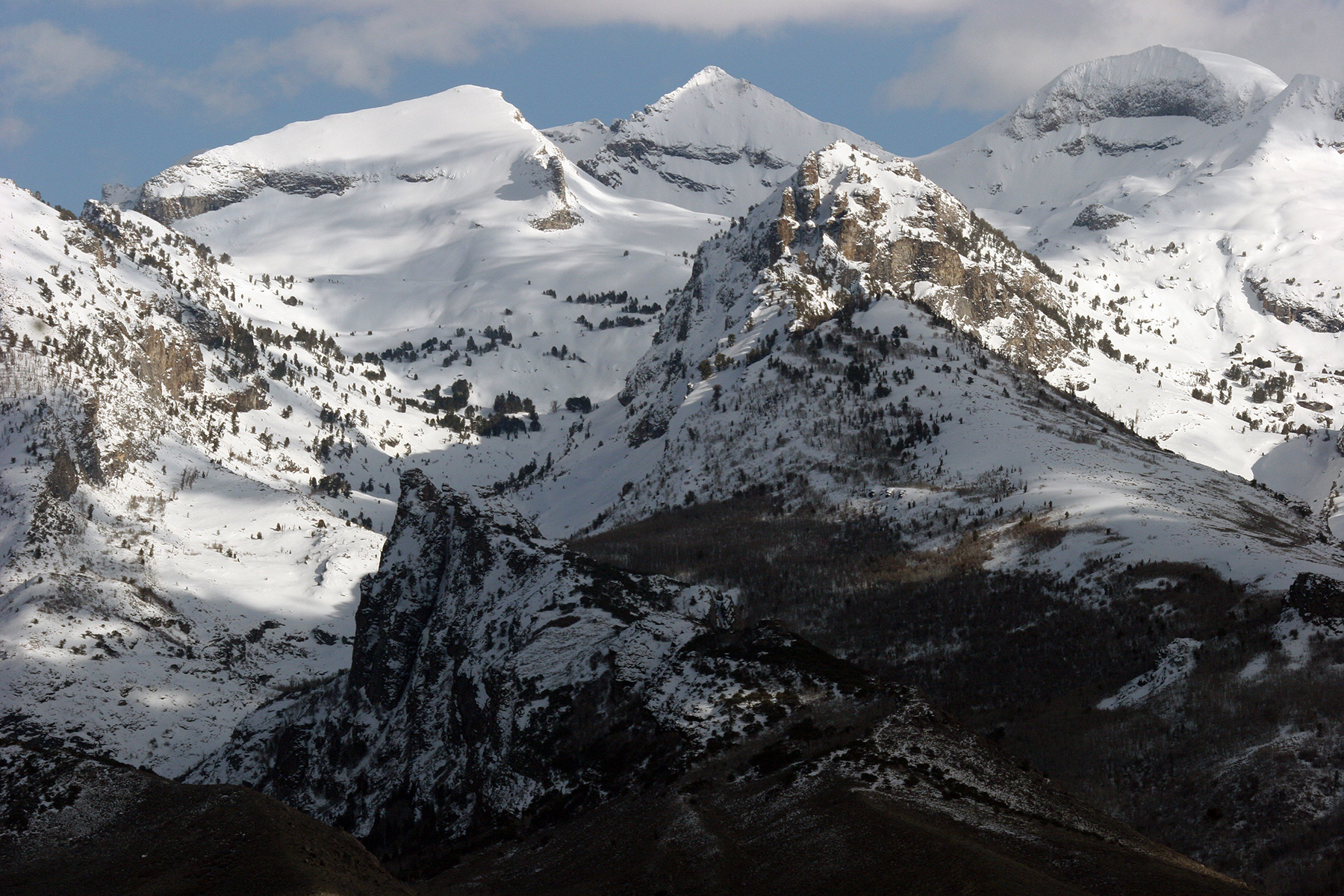
A ski development in Nevada’s Ruby Mountains is once again in focus following a recent planning decision — offering an interesting contrast with the Alps, where building entirely new ski areas has become increasingly difficult.
According to The Nevada Independent, local authorities have approved a conditional use permit for a small, private ski facility on privately owned land. While that may sound like a green light for a new resort, the reality is more nuanced.
This is not a public ski area and not a destination resort. Instead, it represents a scaled-back, private project, very different from earlier proposals. The decision also remains subject to appeal, meaning the project is not yet fully secured.
Cogne–Pila Cable Car Debate: What’s at Stake in Aosta Valley
The long-discussed idea of creating a cable-car connection between Cogne, Pila, and Aosta has resurfaced — and this time, it is gaining political momentum. On 28 November 2025, the municipal council of Cogne voted unanimously to support a motion backing the potential lift, calling it a strategic project for the future of the community.
But if local institutions appear aligned, public opinion certainly is not. Few topics in recent years have sparked such a lively, emotional, and polarised debate in the Aosta Valley.
UPDATE – October 2026: The Pila–Cogne cable car project has moved forward. Nine initial alternatives have now been narrowed down to three, with Alternative 3 emerging as the preferred option and estimated costs of €150–190 million. Read our latest update on the Pila–Cogne cable car project.
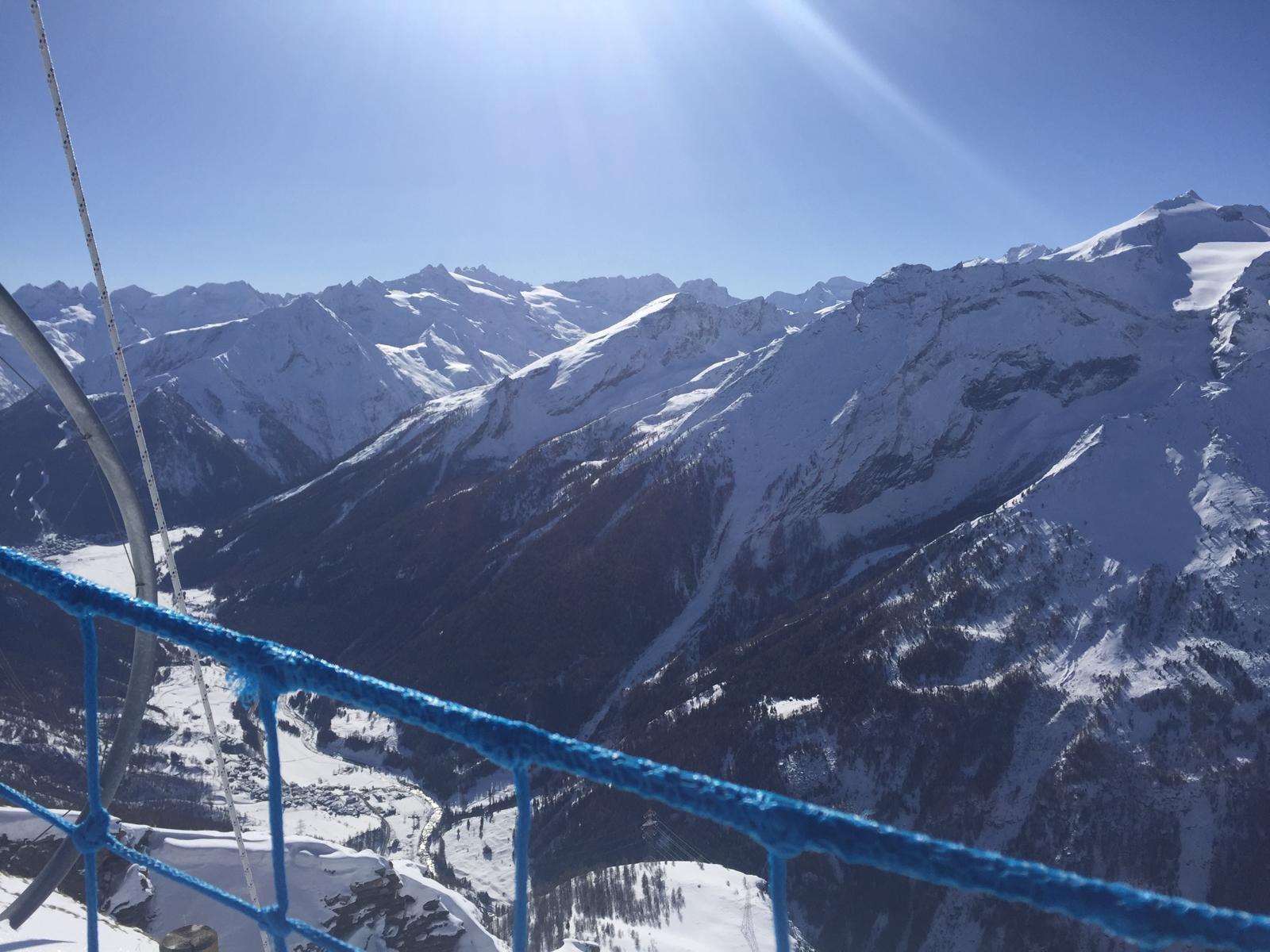
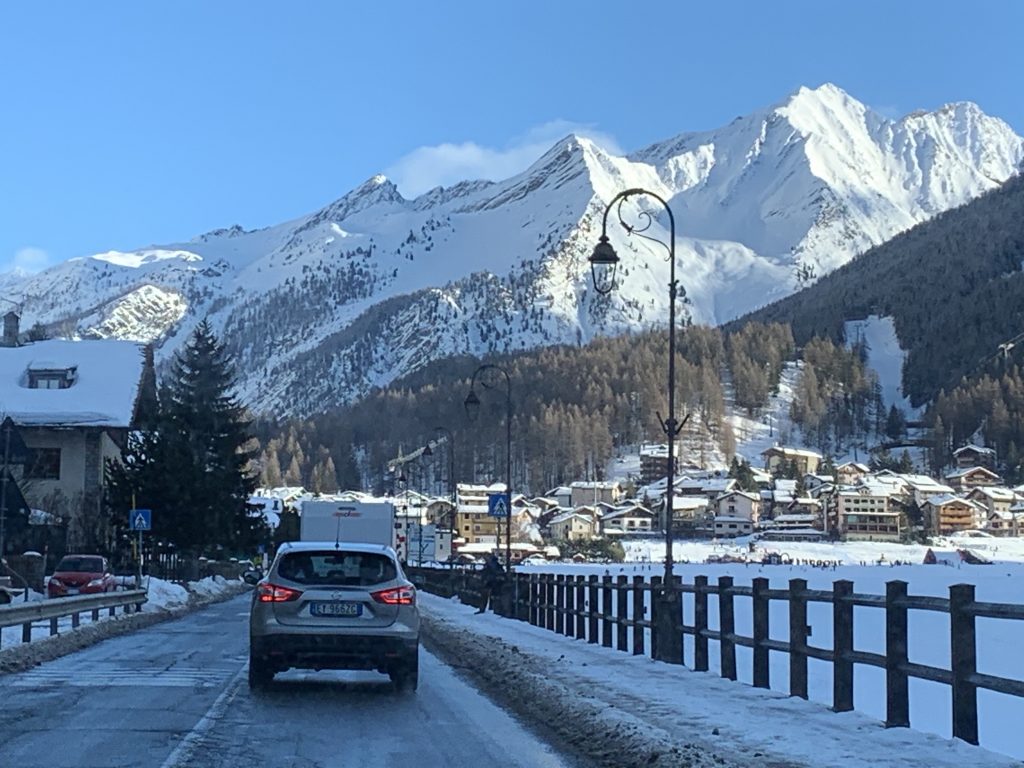
Arriving in Cogne. Gran Paradiso National Park. Cogne is a valley behind and kind of completely disconnected to the main road that connects Aosta to the Mont Blanc Tunnel. That is part of its attraction. Photo: The-Ski-Guru. 🚡 The Cogne–Pila Cable Car: Why the Debate Is Heating Up in the Aosta Valley.
🌄 Why the Proposal Matters
Cogne sits at the gateway to the Gran Paradiso National Park, one of the most iconic and untouched mountain valleys in Italy. Its charm has always been tied to its remoteness: a destination you choose to reach, not one you stumble upon.
A direct lift to Pila would change that dynamic entirely. Supporters argue that this is exactly the point.
According to the council’s motion, the cable-car could bring:
Better connectivity, linking the upper valley to Aosta without relying solely on the long, winding road.
Economic opportunities, by making Cogne more accessible for both winter and summer tourism.
A more sustainable mobility model, reducing car traffic and integrating with existing lifts such as the Aosta–Pila gondola.
The project is not new. In late 2024, Pila S.p.A. had already begun preparing procedures to update the feasibility study, with preliminary estimates ranging from €50 to €150 million, depending on the final route and technology.
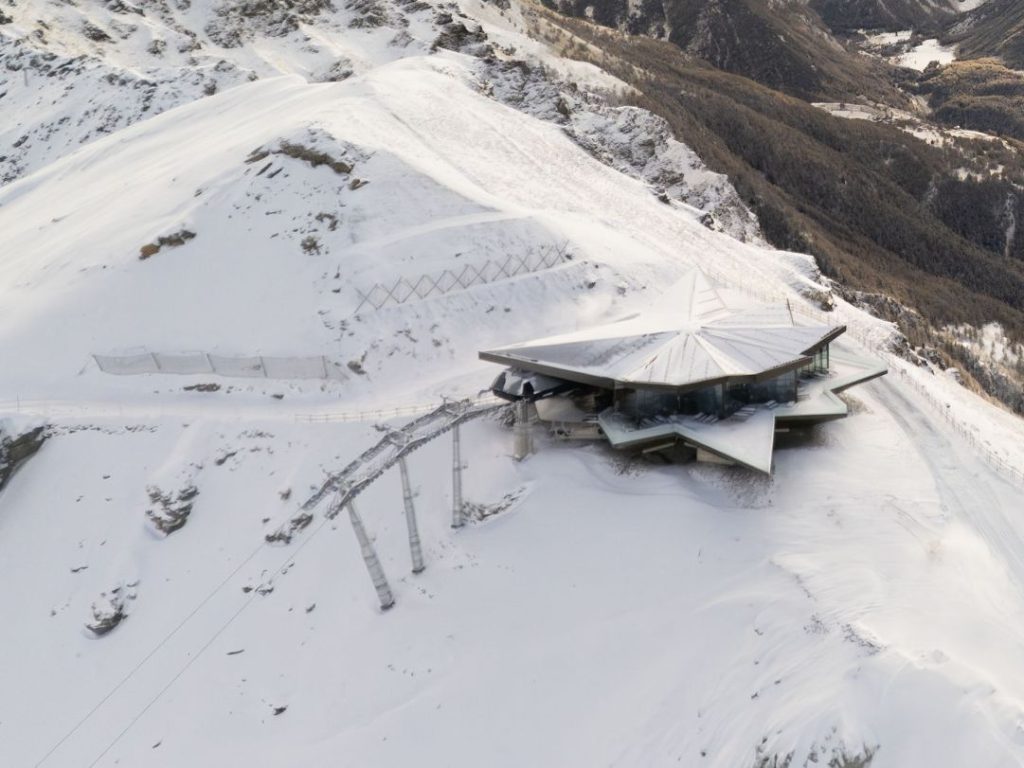
The plan was to connect the top of Pila to Cogne, making it a reality to connect Aosta all the way to Cogne and increasing. the visitors to the region. Stella di Pila on the top of Couis 1. Photo: Pila sPa. 🚡 The Cogne–Pila Cable Car: Why the Debate Is Heating Up in the Aosta Valley.
Enjoyed this post? Get my latest ski guides, weather insights, resort updates and travel tips directly in your inbox. Subscribe to The-Ski-Guru here.
Manage Cookie Consent
To provide the best experiences, we use technologies like cookies to store and/or access device information. Consenting to these technologies will allow us to process data such as browsing behavior or unique IDs on this site. Not consenting or withdrawing consent, may adversely affect certain features and functions.
Functional
Always active
The technical storage or access is strictly necessary for the legitimate purpose of enabling the use of a specific service explicitly requested by the subscriber or user, or for the sole purpose of carrying out the transmission of a communication over an electronic communications network.
Preferences
The technical storage or access is necessary for the legitimate purpose of storing preferences that are not requested by the subscriber or user.
Statistics
The technical storage or access that is used exclusively for statistical purposes.The technical storage or access that is used exclusively for anonymous statistical purposes. Without a subpoena, voluntary compliance on the part of your Internet Service Provider, or additional records from a third party, information stored or retrieved for this purpose alone cannot usually be used to identify you.
Marketing
The technical storage or access is required to create user profiles to send advertising, or to track the user on a website or across several websites for similar marketing purposes.


 Subscribe to The-Ski-Guru here.
You must be logged in to post a comment.