


Crevasses & Glaciers: The Hidden Winter Danger
Glaciers are often associated with summer mountaineering — ropes, harnesses and visible crevasses. In winter, however, glaciers can appear deceptively smooth, white and skiable.
This illusion of safety is one of the reasons crevasses and glaciers remain among the most underestimated winter dangers in the mountains.
This article explains why glaciers are still hazardous in winter, how crevasses behave under snow, and why even experienced skiers can fall victim to hidden traps.
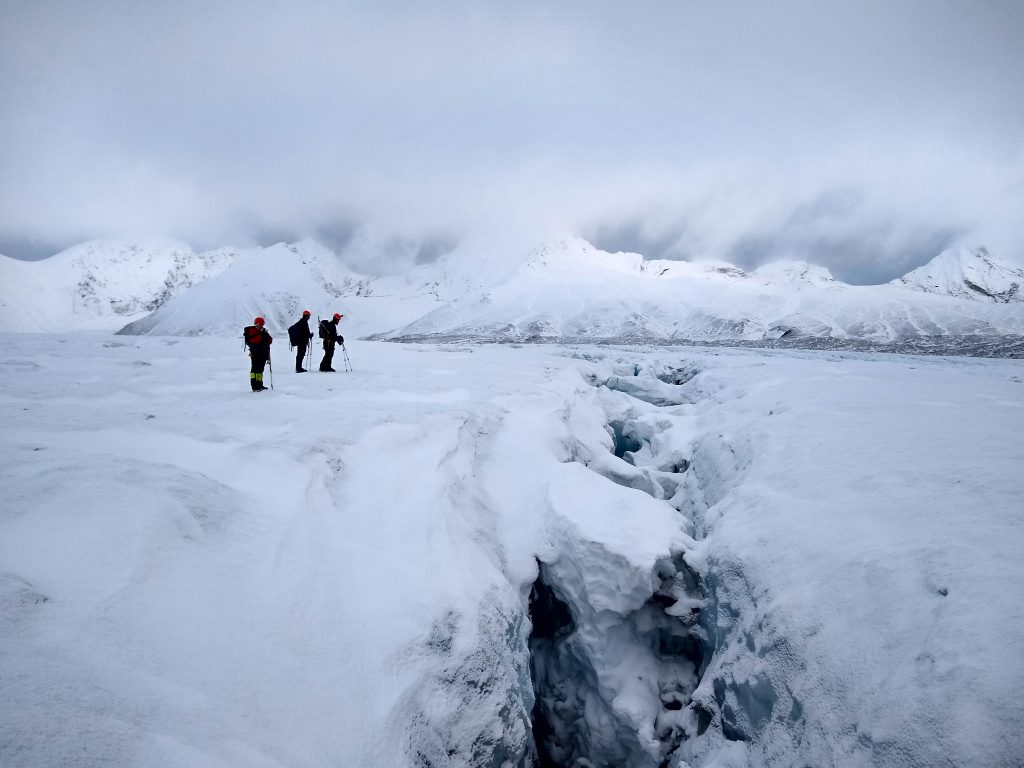
Why Glaciers Are Still Dangerous in Winter
Snow does not remove crevasses — it hides them.
During winter:
- Crevasses are covered by snow bridges
- Surface terrain appears uniform
- Visual warning signs are often absent
Snow bridges can collapse suddenly under the weight of a skier, snowboarder or group — often without warning.
Unlike avalanches, crevasse falls:
- Are silent
- Are highly localised
- Often involve a single victim
Rescue is complex and time-critical.
Continue reading “Crevasses & Glaciers: The Hidden Winter Danger”
 Subscribe to The-Ski-Guru here.
You must be logged in to post a comment.