

The conversation around ski destinations has long focused on snow, infrastructure, and demand. Yet across North America and Europe, a different constraint is becoming increasingly visible: whether the people who operate these destinations can still afford to live within reach of them.
What appears at first as a local issue in individual resorts is, in reality, a structural challenge affecting mountain tourism globally. From Aspen to Zermatt, from Whistler to Cortina d’Ampezzo, the same question is emerging in different forms: who can still afford to live where tourism takes place, and how far can they be pushed away before the system begins to strain.
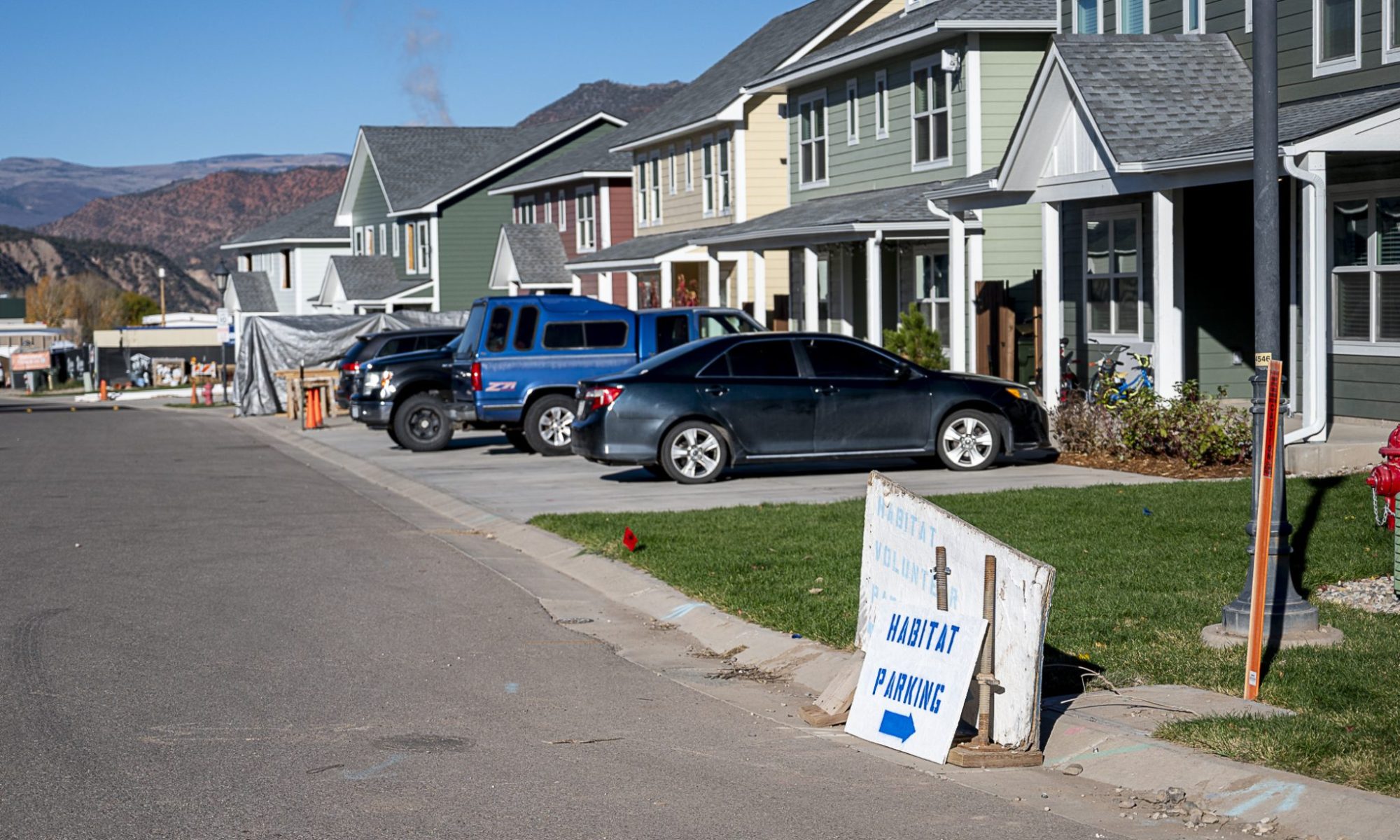
In North America, the issue is often framed directly as workforce housing. In Aspen, one of the most developed housing systems in ski tourism has been in place for decades, yet demand continues to exceed supply. Access to subsidised housing remains competitive, with strict qualification systems and long waiting lists. The conclusion is difficult to avoid: even a mature, highly structured model does not fully resolve the imbalance between housing supply and workforce demand.
 Subscribe to The-Ski-Guru here.