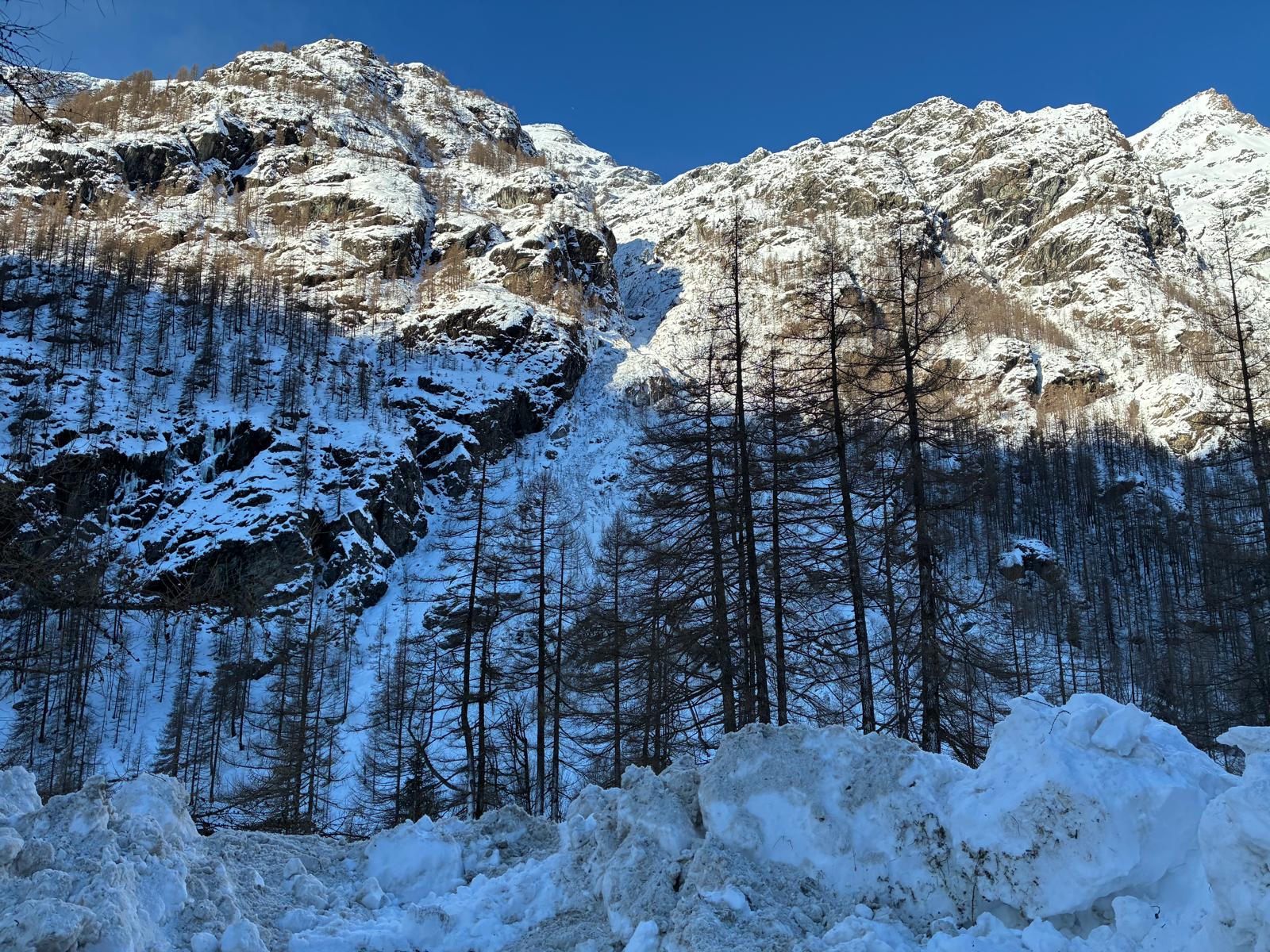
Hiker Rescued After Large Avalanche in Gressoney-La-Trinité (Aosta Valley)

Avalanche in Gressoney. Photo: Aosta Sera.

A dramatic rescue operation unfolded on 13 February 2026 after a 44-year-old hiker was caught by a large avalanche above Gressoney-La-Trinité in the Aosta Valley. Trapped for around three hours under about 1.5 metres of snow, the man managed to call Italy’s emergency number 112 before losing movement — a call that would become the critical lifeline leading to his survival. 

Rescue teams, including Alpine rescuers, the Guardia di Finanza avalanche dog unit, vigili del fuoco (firefighters), forest rangers, drones and specialised search crews, worked through challenging conditions to locate and extract him. When finally freed, his body temperature was around 27 °C and he was suffering from severe cold exposure. He was flown to the hospital in Aosta and is now reported to be in stable condition. 

This incident forms part of the broader February 2026 avalanche cycle across the Alps, which saw widespread Level 4 and Level 5 danger across multiple countries.


Continue reading “Hiker Rescued After Large Avalanche in Gressoney-La-Trinité (Aosta Valley)”
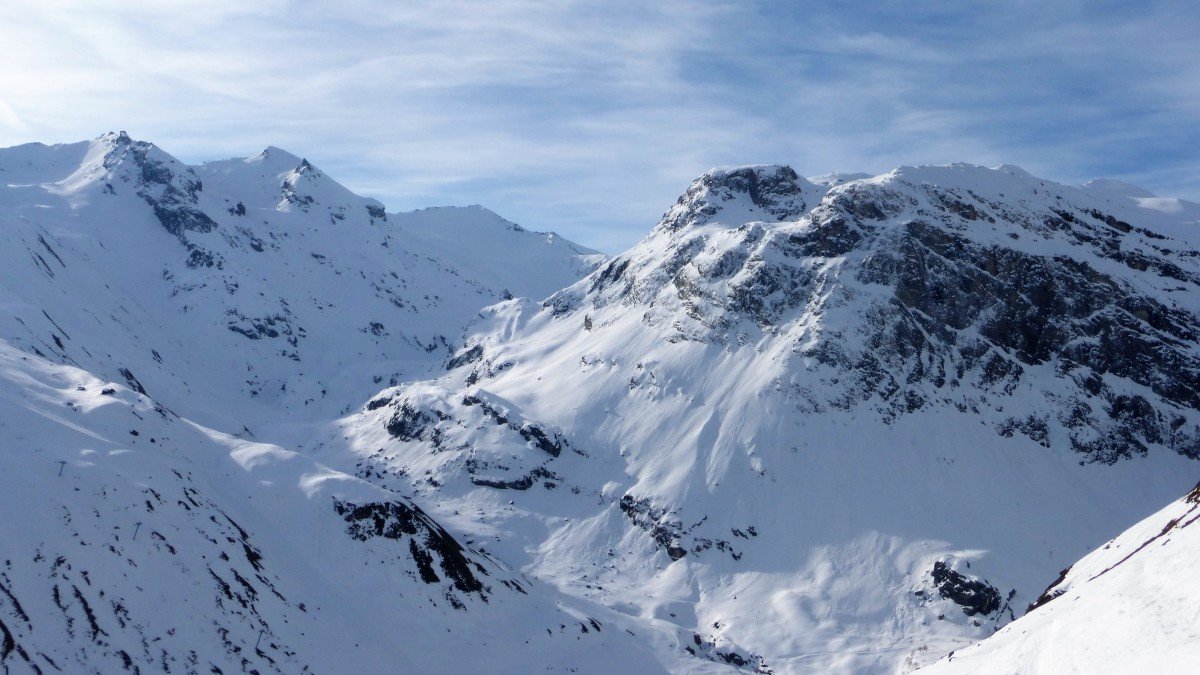
🚨 Val d’Isère Avalanche February 13, 2026: Two British Skiers Among Three Killed After Level 5 Warnings

Val d'Isere avalanche off piste terrain February 2026

The Val d’Isère avalanche February 2026 claimed three lives on Friday, 13 February 2026, during a period of High (Level 4/5) avalanche danger in Savoie, France.

Authorities have confirmed:

  • Three fatalities

  • Two of the victims were British nationals

  • One victim was French

  • Six people were caught in total

  • The avalanche occurred off-piste, outside secured ski runs

  • A formal investigation has been opened

Names have not yet been officially released.

Update: The two British victims have now been formally named as Stuart Leslie and Shaun Overy. Authorities have opened a manslaughter investigation.

🔎 Latest Alpine update: A hiker was rescued after a large avalanche in Gressoney-La-Trinité (Aosta Valley), highlighting continued instability across the western Alps. 👉 Read the full rescue story here.


This incident forms part of the broader February 2026 avalanche cycle across the Alps, which saw widespread Level 4 and Level 5 danger across multiple countries.

A Day After Level 5 (Very High) Avalanche Risk

Crucially, the tragedy occurred just one day after parts of the Alps were under Level 5 – Very High avalanche danger, the maximum on the European scale.

Level 5 means:

  • Numerous large natural avalanches likely

  • Travel in avalanche terrain not recommended

  • Widespread snowpack instability

Although the risk in Val d’Isère was listed as Level 4 (High) on Friday, the snowpack remained extremely unstable following:

Continue reading “🚨 Val d’Isère Avalanche February 13, 2026: Two British Skiers Among Three Killed After Level 5 Warnings”

Tignes Orders Residents to Stay Indoors as Avalanche Danger Reaches Level 5 in the French Alps

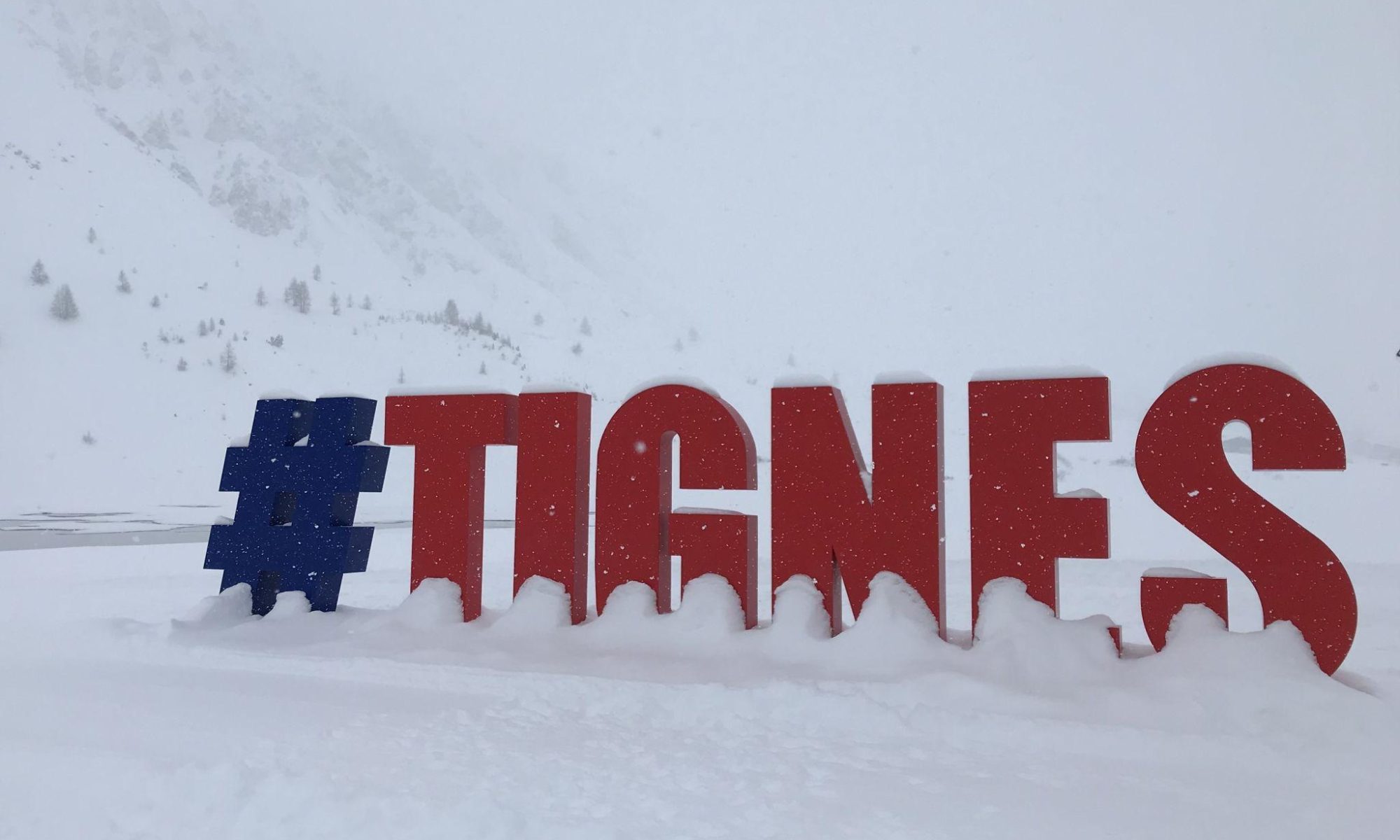
Big snowstorm in Tignes. Photo: Tignes TO..

Authorities in Tignes, one of the major ski resorts in the French Alps, have ordered residents and visitors to remain indoors following exceptional snowfall and extreme avalanche risk across the Haute-Tarentaise area.

Avalanche danger in Tignes in February 2026 reached Level 5 — the highest warning level — after extreme snowfall across the northern French Alps.

Latest update: Avalanche danger remains high across parts of the Haute-Tarentaise as heavy snowfall continues.

This incident forms part of the broader February 2026 avalanche cycle across the Alps, which saw widespread Level 4 and Level 5 danger across multiple countries.

The decision came after heavy snowfalls combined with strong winds created highly unstable conditions in the upper valley. According to reports from national and regional media, local authorities implemented a temporary confinement order overnight, asking people not to leave their homes, hotels or residences except in cases of necessity.

Why Avalanche Danger in Tignes Reached Level 5 (Maximum Level)

The avalanche warning level reached Level 5/5 (Very High) — the highest classification on the European avalanche scale — in parts of Savoie, including the Tignes–Val d’Isère sector.

Continue reading “Tignes Orders Residents to Stay Indoors as Avalanche Danger Reaches Level 5 in the French Alps”

Sabotage on Lecco–Tirano Rail Line Near Bormio & Livigno — No Disruption

Photo: Bing Hao. Unsplash.

The Lecco Tirano rail sabotage incident has raised security concerns after damage was discovered on the Lecco–Tirano railway line serving Bormio and Livigno.

A suspected act of sabotage damaged part of the Lecco–Tirano railway line, the key rail corridor serving Valtellina and providing onward access toward Bormio and Livigno, two important venues of the Milano-Cortina 2026 Winter Olympics.

Despite the damage, train services continued without disruption after overnight repairs.


🚆 What Happened in the Lecco Tirano Rail Sabotage

In the early hours of 11 February 2026, seven cables connected to a railway switching system near Abbadia Lariana (Lecco province) were deliberately set on fire.

Continue reading “Sabotage on Lecco–Tirano Rail Line Near Bormio & Livigno — No Disruption”

100 cm in 48 Hours: Courmayeur Buried as Avalanche Danger Rises to Level 4

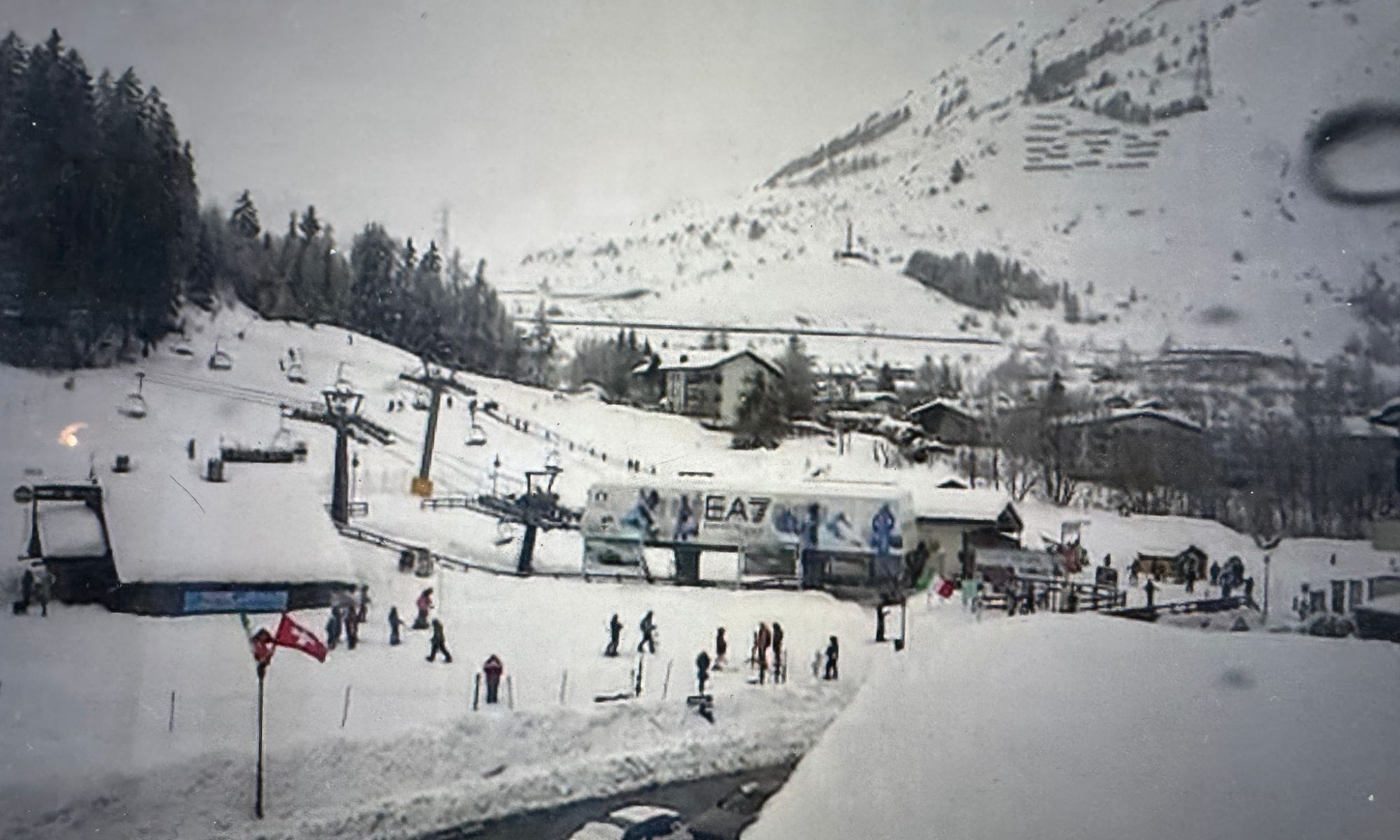
Base area La Thuile 12 FEB 26. Webcam La Thuile.

In just 48 hours, parts of western Valle d’Aosta were transformed into a deep mid-winter landscape, with storm totals reaching a full metre near Courmayeur.

A powerful western snowstorm delivered exceptional snowfall across the Mont Blanc sector between 10–11 February 2026, rapidly loading the snowpack across western Valle d’Aosta.

🔴 Avalanche Danger Level 4 (High) Issued – 12 February 2026

Authorities in Valle d’Aosta have issued a Level 4 – High avalanche danger for Thursday 12 February 2026.

According to Fondazione Montagna Sicura and the regional bulletin published in coordination with AINEVA, conditions are considered critical in many sectors, particularly along:

  • The French border

  • The Swiss border

  • Mont Blanc and western valleys

Affected areas include:

Cervinia, Valtournenche, Valsavarenche, Val di Rhêmes, Val Veny, Valgrisenche, Morgex–La Salle, Val Ferret, La Thuile, Gran San Bernardo (Ollomont), and parts of Valpelline.

What Level 4 Means

Level 4 (“High”) indicates:

  • Natural avalanches are likely

  • Large avalanches possible

  • Triggering is very likely on many steep slopes

  • Critical situation in specific sectors

This level is rare and should be treated seriously.

Similar elevated avalanche conditions have been reported across parts of the French Alps near the border, according to Météo-France.

This storm follows a period of unstable snow conditions across parts of the Alps — see our latest Alpine winter conditions & avalanche updates for wider regional context.


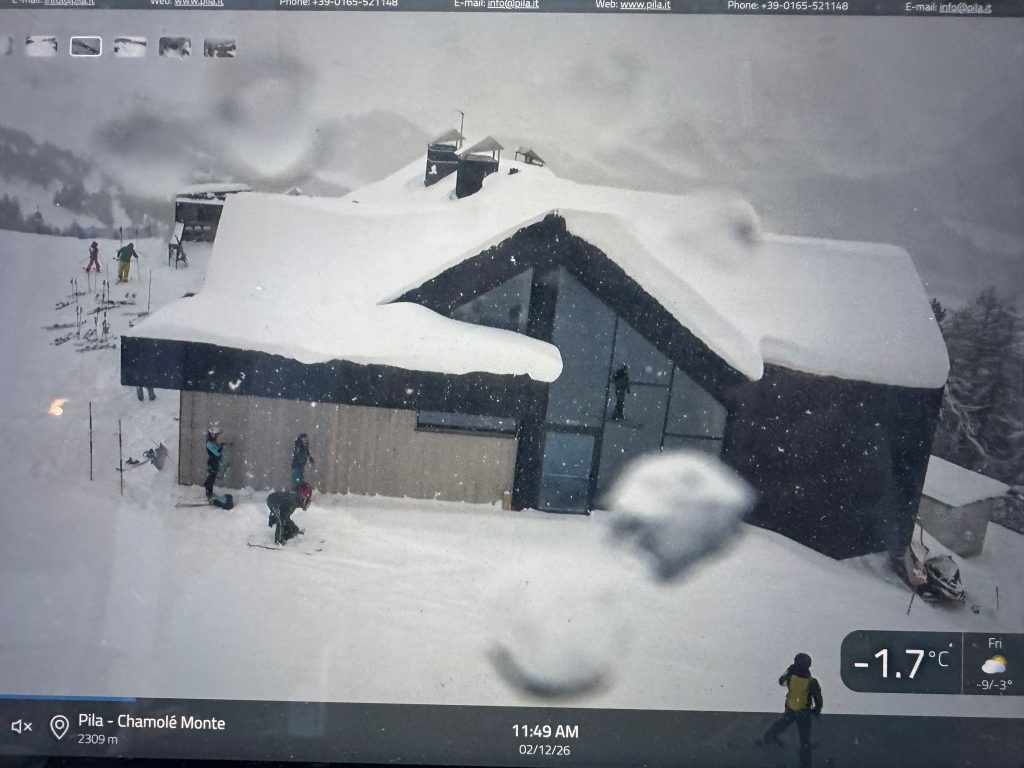
Top of Chamolé chair in Pila. 12 FEB 26. Photo: Webcam Pila.it

Continue reading “100 cm in 48 Hours: Courmayeur Buried as Avalanche Danger Rises to Level 4”

Skiing Under the Influence Could Soon Be Illegal in France — What You Need to Know

Helmets Might be obligatory in France for everyone soon. Photo: The-Ski-Guru.

Skiing Under the Influence Could Soon Be Illegal in France

France is considering new legislation that would explicitly ban skiing or snowboarding under the influence of alcohol or drugs — and could make helmet use mandatory for all slope users.

The proposal would bring France closer to ski safety laws already in force in neighbouring Italy.


🇫🇷 What the Proposed French Law Would Change

The draft bill would introduce two major changes.


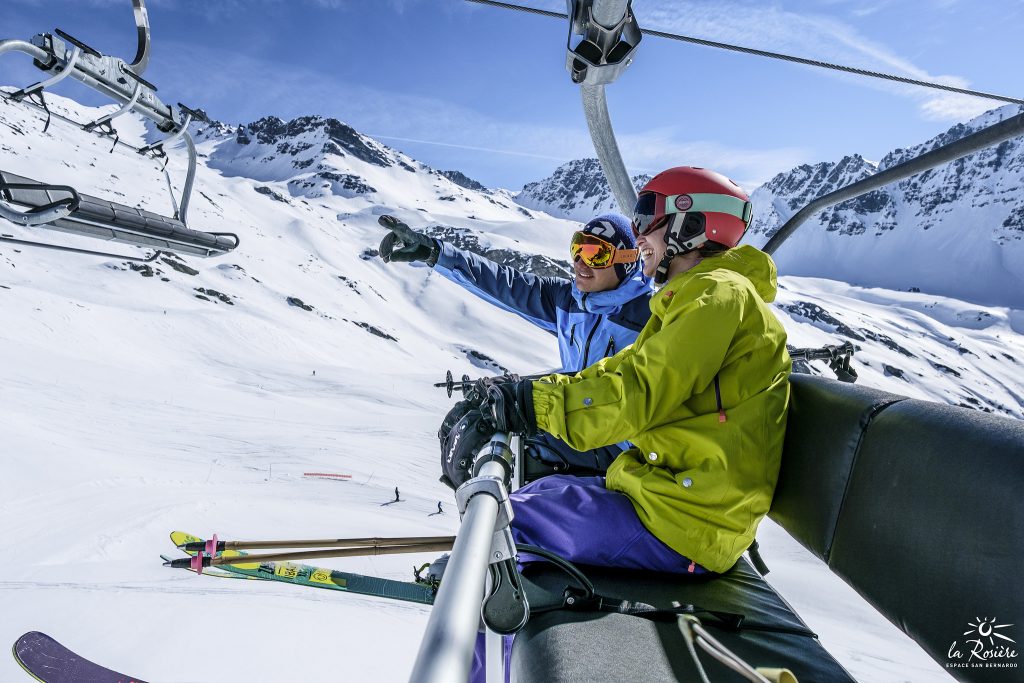
A chairlift ride in La Rosière.
A chairlift ride in La Rosière. Photo: OT La Rosière- Espace San Bernardo.

Continue reading “Skiing Under the Influence Could Soon Be Illegal in France — What You Need to Know”

Montgenèvre Avalanche Fatality: Skier Killed Off-Piste Amid Elevated Risk

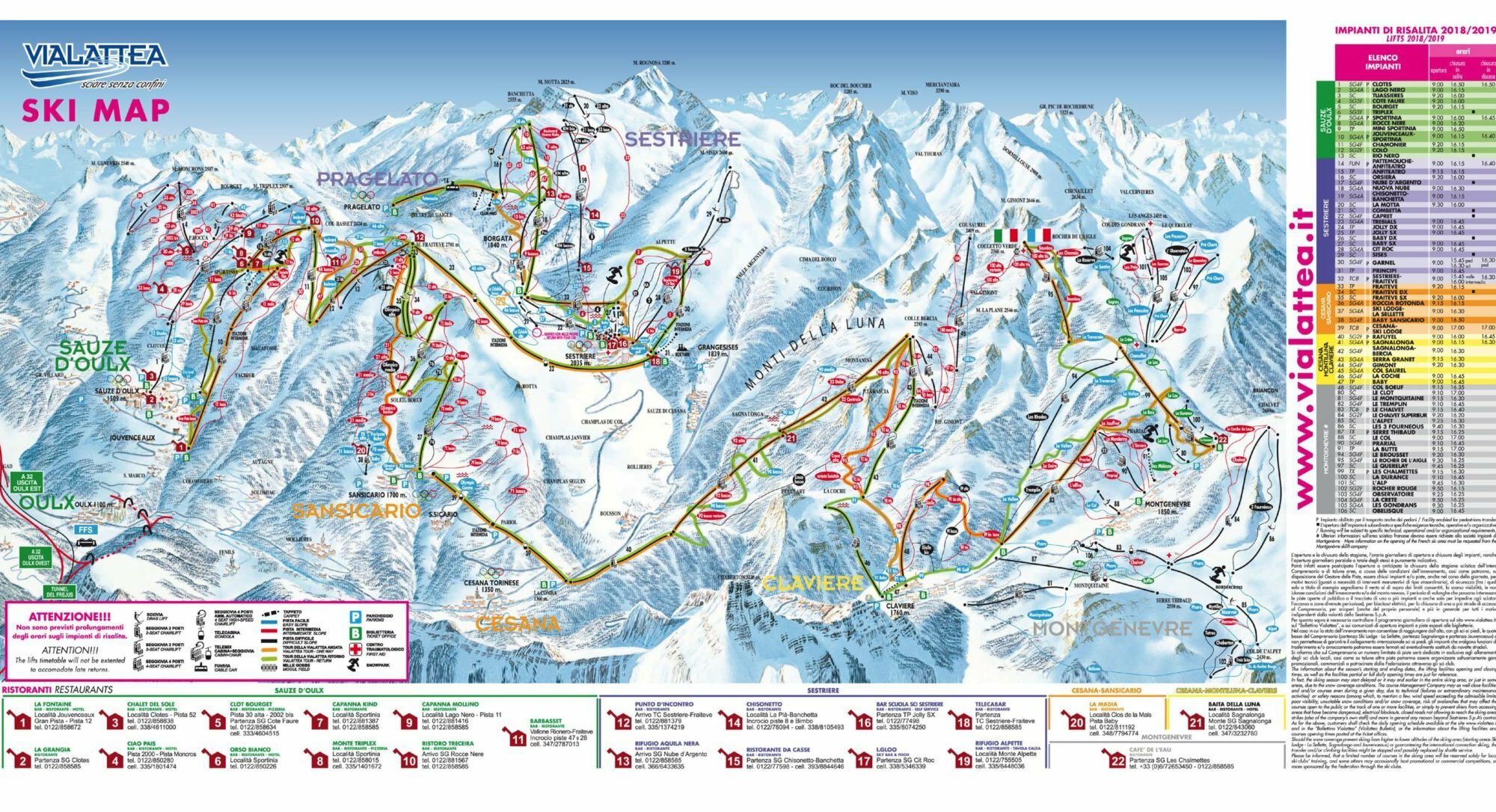
Ski Map Montgenèvre & Via Lattea.

Montgenèvre Avalanche Fatality: What Happened

A skier has died after being caught in an avalanche while skiing off-piste near Montgenèvre, close to the French-Italian border.

According to local authorities, the avalanche occurred in steep, unsecured terrain outside marked pistes. Rescue services were deployed, but the victim could not be saved. A companion was reportedly unharmed.

An official investigation has been opened to determine the precise circumstances of the incident.

Continue reading “Montgenèvre Avalanche Fatality: Skier Killed Off-Piste Amid Elevated Risk”

🚗 Alpine Tunnel Tolls 2026: Which Route Is Best & How Long Return Tickets Last

Mont Blanc Tunnel entrance. Photo: The-Ski-Guru.

Driving to the Alps? Compare Tunnel Costs Before You Go

If you’re travelling from France, the UK or Northern Europe into Italy or Switzerland, choosing the right Alpine tunnel affects:

  • Your toll cost
  • Your journey time
  • Your return ticket flexibility
  • Whether you need a Swiss motorway vignette

2026 update: This guide has been refreshed for the main Alpine tunnel tolls, including Mont Blanc Tunnel, Fréjus Tunnel, Great St Bernard Tunnel and other key cross-border routes. It is especially useful for planning summer Alpine travel, return validity, and the busiest driving periods through the Alps.

Sabato Nero and the busiest summer travel weekends in the Alps

For wider route-planning context, including how closures, queues and weather disruption can affect Alpine roads, see our guide to Alps road conditions and travel disruption.


📊 Alpine Tunnel Toll Comparison (Cars – 2026)

TunnelOne-Way TollReturn TicketReturn Validity
Mont Blanc Tunnel~€55~€697 days
Fréjus Tunnel~€55~€65–€707 days
Grand St Bernard Tunnel~€31~€5030 days

Approximate tariffs for standard passenger vehicles (≤3.5t). Always confirm with official tunnel operators before departure.


Grand St Bernard Tunnel, another option into the Aosta Valley. Photo: The-Ski-Guru. The Mont Blanc Tunnel will be closed till 16th December
Grand St Bernard Tunnel, another option into the Aosta Valley. Photo: The-Ski-Guru.

Continue reading “🚗 Alpine Tunnel Tolls 2026: Which Route Is Best & How Long Return Tickets Last”

Alps Road Conditions Today: Key Passes Closed, Tunnels Open but Delays Possible

Zermatt at Dusk 2

Alps Road Conditions Today: What Drivers Need to Know

Last updated: 11 February 2026, 11.30 AM

February 2026 update: Continued heavy snowfall and Level 4 avalanche danger in parts of Austria and France mean road conditions across Alpine routes remain dynamic.

Several high Alpine passes are now closed for winter, while the main cross-border tunnels between France, Italy and Switzerland remain open. However, snowfall and weekend ski traffic may cause delays — particularly on key routes toward the Mont Blanc region and the Aosta Valley.

If you are planning to drive to the mountains, here is the current situation.


🚧 High Mountain Passes: Closed for Winter

❌ Col du Petit Saint-Bernard (La Rosière ↔ La Thuile)

The Petit St Bernard high pass is closed for the winter season.

Webcams in La Thuile and La Rosière show heavy snow accumulation at altitude, confirming that the high road is not maintained for through traffic.

Drivers must use one of the major tunnels instead.


❌ Great St Bernard Pass (Crest Road)

The historic road over the Great St Bernard is also closed during winter.

Only the Grand St Bernard Tunnel remains open year-round.


🚗 Tunnel Status: Open but Monitor Traffic

🟢 Mont Blanc Tunnel (Chamonix ↔ Courmayeur)

Open.

The Webcam of the Italian side of the Tunnel of the Monte Bianco- as of February 11, 2026 at 11.30 AM. Mont Blanc tunnel camera Italian side.

Continue reading “Alps Road Conditions Today: Key Passes Closed, Tunnels Open but Delays Possible”

🚗 Eurotunnel Half-Term Travel: No EES This Weekend & When to Arrive

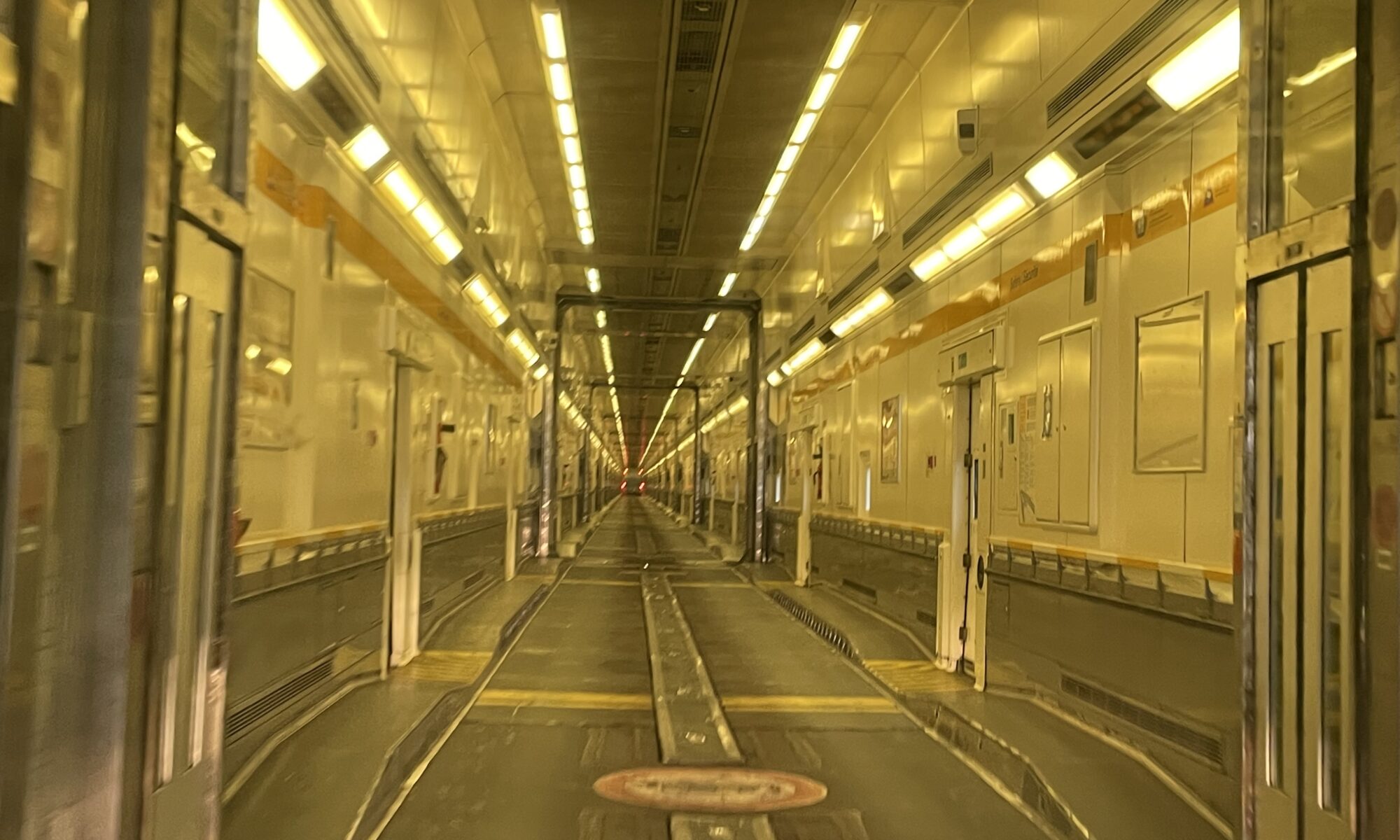
Back inside the Eurotunnel that took us to England. Our trip to the mountains for our summer holidays.

Eurotunnel has confirmed that the EU Entry-Exit System (EES) biometric checks will not be implemented for private car passengers this coming half-term weekend.


Update: Official avalanche bulletins now confirm rising instability in parts of the Alps following heavy snowfall and strong winds.

What this means for travellers

For drivers using Eurotunnel LeShuttle between Folkestone and Calais, border controls continue as normal, with passport stamping still in place and no biometric registration required for car passengers at this stage.

The biggest risk this weekend is misjudging arrival times, not EES.

Continue reading “🚗 Eurotunnel Half-Term Travel: No EES This Weekend & When to Arrive”