

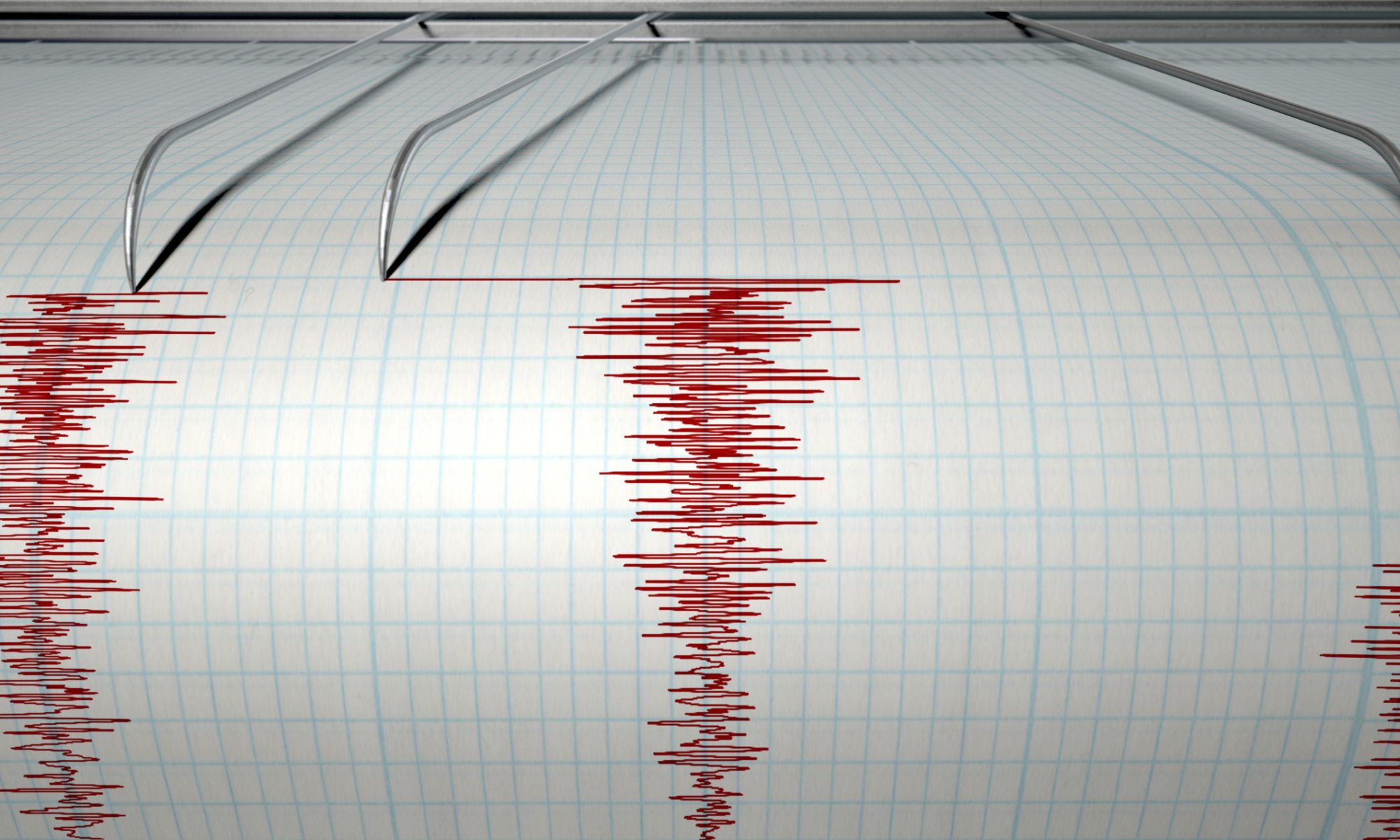
Mount Hood Avalanche Detected Without Direct Observation
A recent avalanche on Mount Hood, Oregon, was not directly observed — yet scientists were still able to determine exactly when it occurred.
The reason lies in seismic monitoring systems, originally designed to detect earthquakes and volcanic activity.
These instruments captured the avalanche as a distinct ground vibration signal, allowing researchers to reconstruct the timing of the event even in the absence of witnesses.
What Is Seismic Avalanche Detection?
Seismic monitoring relies on seismometers, highly sensitive instruments that record ground motion.
While typically used for:
- Earthquakes
- Volcanic activity
They can also detect avalanches, rockfalls, and explosions — including avalanche control work used by ski resorts to manage in-bounds safety.
When a large avalanche releases, it generates low-frequency vibrations that travel through the ground — producing a signal that can be recorded by nearby stations.
How Scientists Identify Avalanche Signals
Avalanches produce a different seismic signature compared to earthquakes:
- A longer, rolling signal rather than a sharp spike
- A mix of frequencies, often in a lower range
- A duration of tens of seconds or more, depending on the size of the slide
By comparing signals across multiple sensors, scientists can:
- Determine the exact timing of the avalanche
- Estimate the location of the event
In the Mount Hood case, this made it possible to confirm the avalanche even without visual confirmation.
⚠️ What This Does Not Mean
It is important to avoid misunderstanding this technology.
Seismic detection is not an avalanche warning system.
It does not:
- Predict avalanches
- Replace avalanche forecasts
- Provide real-time safety advice for skiers
Instead, it is a post-event detection tool, mainly used for research and analysis.
🧭 What This Means for Skiers
For those in the mountains, this technology has no direct impact on day-to-day safety decisions.
👉 You will not receive alerts from seismic systems.
👉 They do not replace avalanche bulletins or local guidance.
What matters remains unchanged:
- Always check the official avalanche forecast
- Understand the European Avalanche Danger Scale (Levels 1–5 Explained)
- Pay particular attention to Level 3 – Considerable, where most accidents occur
Seismic detection may help scientists understand avalanches better —
but it does not make terrain safer in real time.
Why This Still Matters
Although currently limited to research and monitoring, seismic detection reflects a broader shift in mountain observation:
👉 Increasing use of multi-hazard monitoring systems
👉 Ability to detect events in remote or low-visibility conditions
👉 Potential future integration with automated analysis tools
In time, this could improve understanding of avalanche cycles, particularly in areas where events go unreported.
The Bottom Line
Seismic sensors did not predict the Mount Hood avalanche —
but they captured its exact timing after it happened.
That distinction is essential.
Sources
- U.S. Geological Survey (USGS) – Earthquake Hazards Program: https://www.usgs.gov/programs/earthquake-hazards
- Pacific Northwest Seismic Network (PNSN): https://pnsn.org
- IRIS (Incorporated Research Institutions for Seismology)
https://www.iris.edu
 Planning your next trip to the Italian Alps?
 Planning your next trip to the Italian Alps?
If you’re heading to the Aosta Valley, take a look at Il Cuore della Valdigne, our family-owned apartment in Morgex, available for rent when we’re not using it ourselves.
It’s an ideal base to:
- Ski in Courmayeur, La Thuile and Pila
- Enjoy the mountains in summer (hiking, biking, nature)
- Explore the Mont Blanc valley in a quieter, more authentic setting.
 Ski in Courmayeur,
 Enjoy the mountains in summer (hiking, biking, nature)
Check my Mountain Art on my Shop
You can go to my shop and see what have been inspiring me lately, lots mountain landscapes in soft pastels, and now in oils too. Go here to check my latest works!
Featured Image: Seismograph Earthquake Activity. Photo: Sciencing.com


Discover more from The-Ski-Guru
Subscribe to get the latest posts sent to your email.
 Subscribe to The-Ski-Guru here.
You must be logged in to post a comment.