Australia’s Ski Industry Is Betting on Snowmaking Again

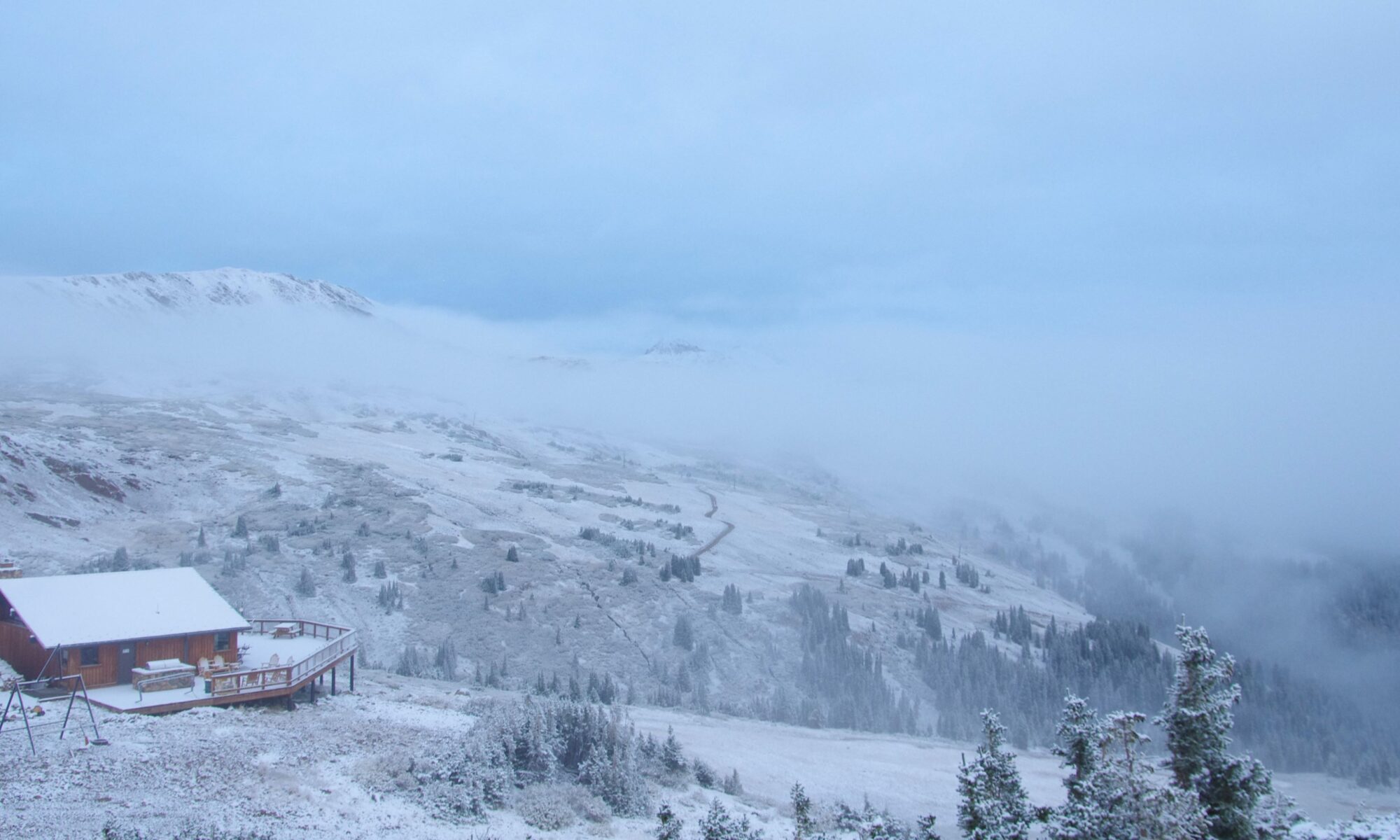
Threbdo webcam- Sat 6th June. Kosciuszo Track - Eagles Nest. Ski.com.au

Australia’s ski season 2026 has opened with the kind of image every resort wants: fresh snow before the long weekend, lifts preparing to turn, and skiers watching the webcams.

But behind the optimistic opening-weekend story is a more complicated reality. Australia’s ski industry is becoming increasingly dependent on snowmaking, not only as a back-up tool, but as a core part of its operating model.

The 2026 season began with reported snowfalls of around 20 cm to 40 cm across parts of the Victorian and New South Wales alpine regions, just in time for the official start of the winter season. Resorts including Thredbo, Perisher, Falls Creek and Hotham reported strong early interest, helped by cold conditions and opening-weekend activity. 

That is the good news.

The less comfortable news is that Australia’s longer-term snow outlook remains fragile. Meteorologists and climate scientists have warned that a developing El Niño pattern could bring warmer and drier conditions to parts of Australia during winter 2026. 

Continue reading “Australia’s Ski Industry Is Betting on Snowmaking Again”
Tignes Takes Ski Area Management Local After Nearly Four Decades with Compagnie des Alpes

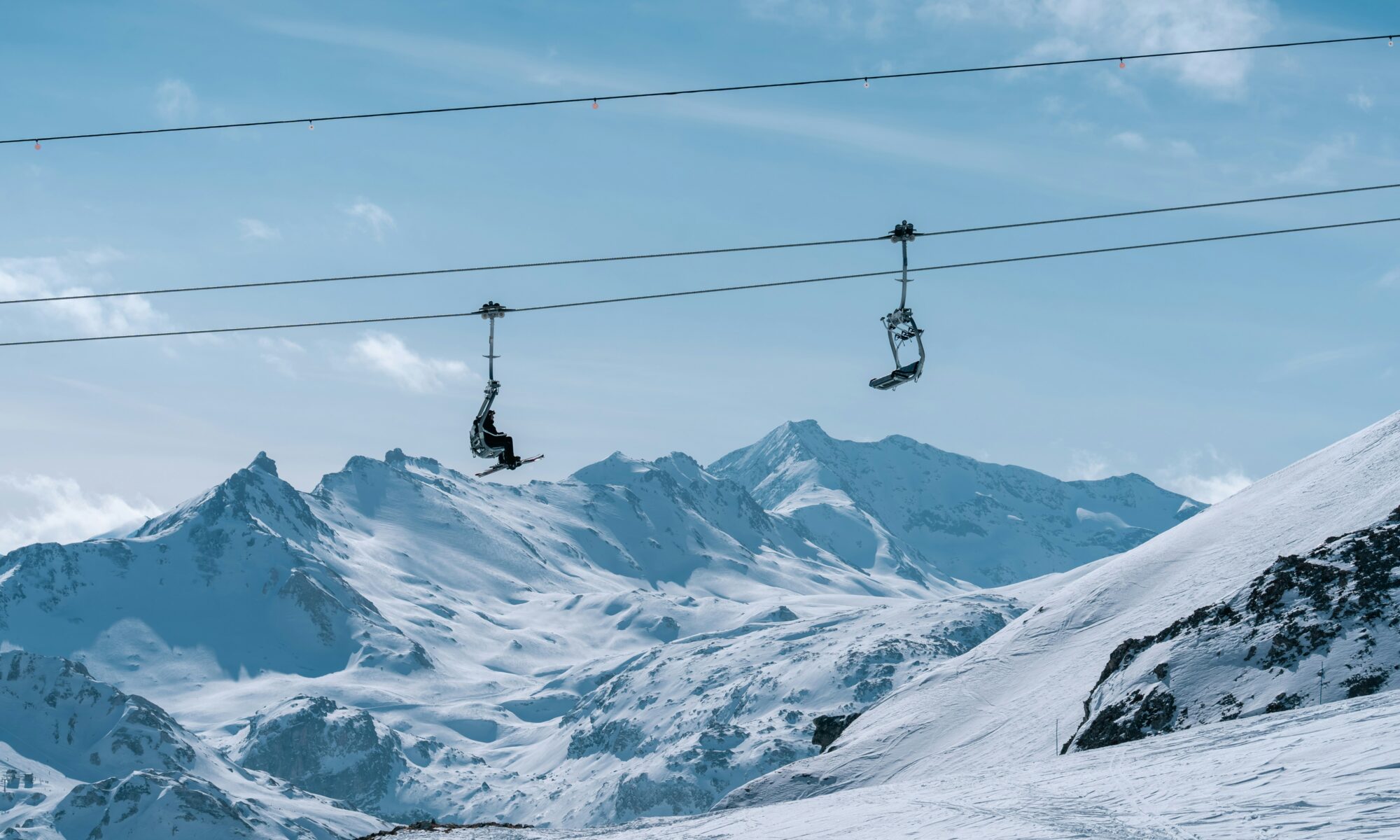
Tignes. Marais Chairlift shot from Silen Lift - Photo credit: Aron Marinelli. Unsplash.

One of the Alps’ most iconic ski resorts has entered a new chapter.

On 1 June 2026, Tignes officially transferred management of its ski area from STGM, the local subsidiary of Compagnie des Alpes (CDA), to ALTTA, a new public company created by the municipality of Tignes together with neighbouring Sainte-Foy-Tarentaise.

The move ends almost 40 years of management by Compagnie des Alpes and raises interesting questions about how Alpine destinations may choose to govern, invest in and adapt their mountain economies in the decades ahead.

A Strategic Shift Rather Than a Criticism of CDA

The decision should not be viewed as a rejection of Compagnie des Alpes’ work in Tignes.

Continue reading “Tignes Takes Ski Area Management Local After Nearly Four Decades with Compagnie des Alpes”

Colorado Ski Visits Fall to Their Lowest Level Since 1991–92

Loveland resort. Photo: Dustin Schaefer. Colorado Ski Country USA.

Colorado ski visits fell sharply during the 2025–26 winter, in one of the clearest signs yet that snow reliability is becoming a business issue for major ski destinations.

According to Colorado Ski Country USA figures reported by local media, Colorado recorded an estimated 10.5 million skier visits during the 2025–26 season. That was down by about 3.3 million visits from the previous winter and marked the state’s lowest skier turnout since the 1991–92 season. 

The fall is striking because Colorado is not a marginal ski market. It is one of the strongest ski brands in the world, with high-altitude resorts, powerful destination appeal and a large base of season pass holders.

That is why the 2025–26 decline matters.

This is not a story about skiing suddenly losing its appeal. It is a story about how a difficult winter can quickly affect visitation, operations and the wider mountain economy.

Continue reading “Colorado Ski Visits Fall to Their Lowest Level Since 1991–92”

What Happens When Governments Create Skiers? China’s Altay Snow Holiday Experiment

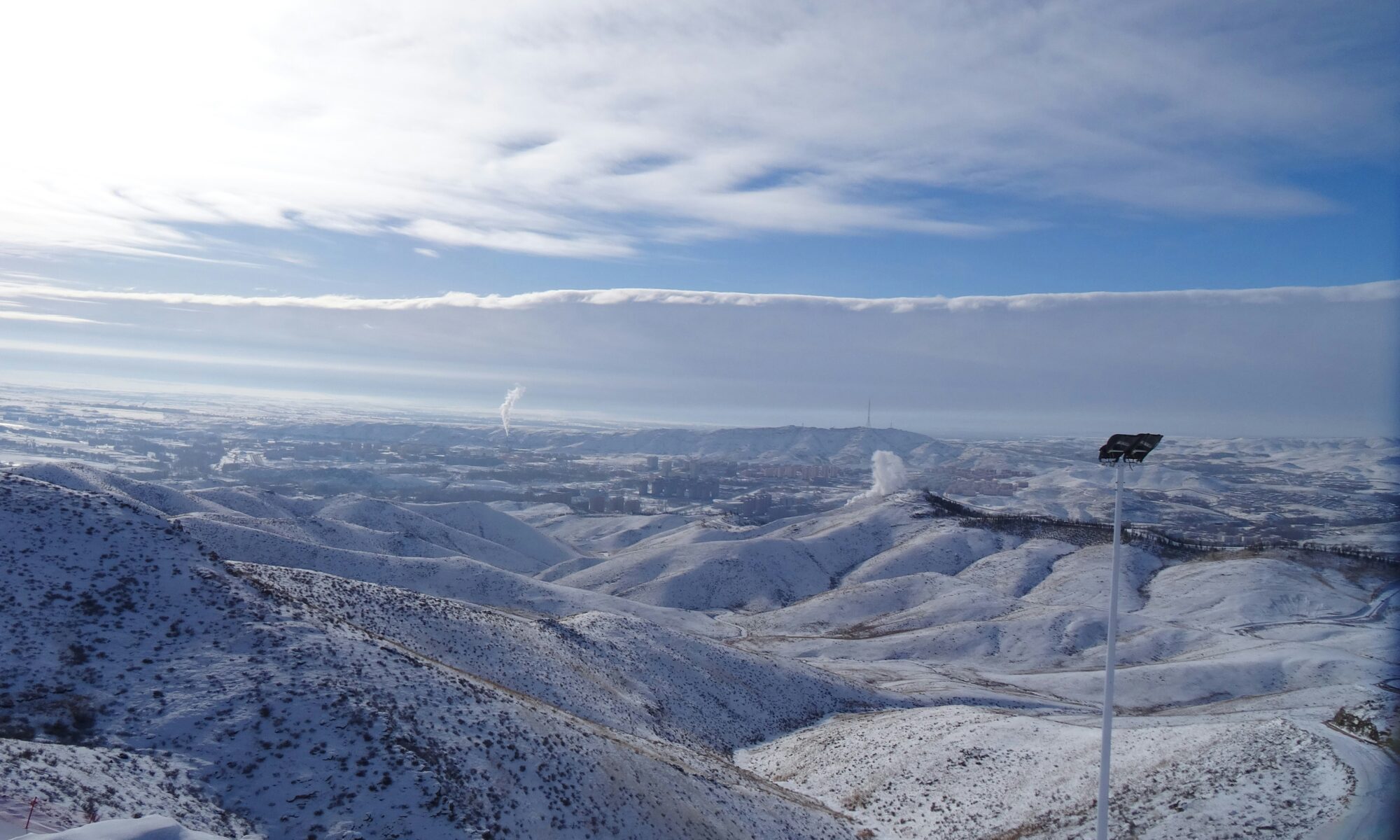
Altay Prefecture. Photo: Mmoka. Unsplash.

China’s latest ski-growth story is not a new lift, a new hotel, or another Olympic legacy project. It is a school holiday.

In Altay Prefecture, in China’s Xinjiang Uygur Autonomous Region, more than 70,000 primary and secondary school students were given an official “snow break” from December 1 to 5, 2025. Including the surrounding weekends, the break created nine days off school. During that period, students were offered free access to local ski resorts, free public transport within Altay City, and discounts on ski equipment rental, food, accommodation, coaching and cultural activities. Free introductory ski lessons were also made available to beginners.

Continue reading “What Happens When Governments Create Skiers? China’s Altay Snow Holiday Experiment”

King of the Hill Nepal: A New Luxury Ski Expedition Into the Annapurna Region

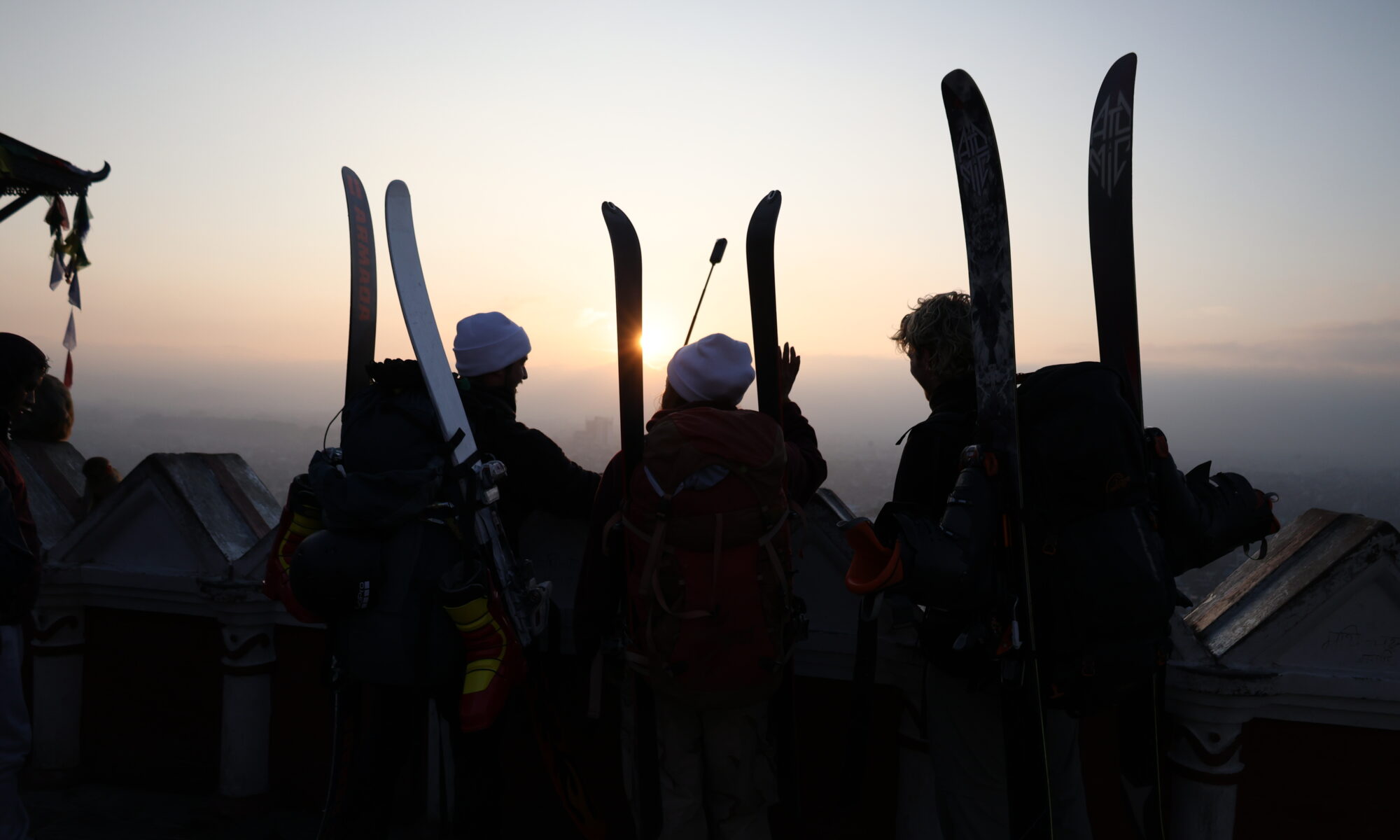
King of the Hill Nepal Expedition.

Some ski trips are built around lifts, hotels and piste maps. Others start with a slightly wilder question: what would happen if you tried to create a high-end ski adventure in a place where organised ski travel barely exists?

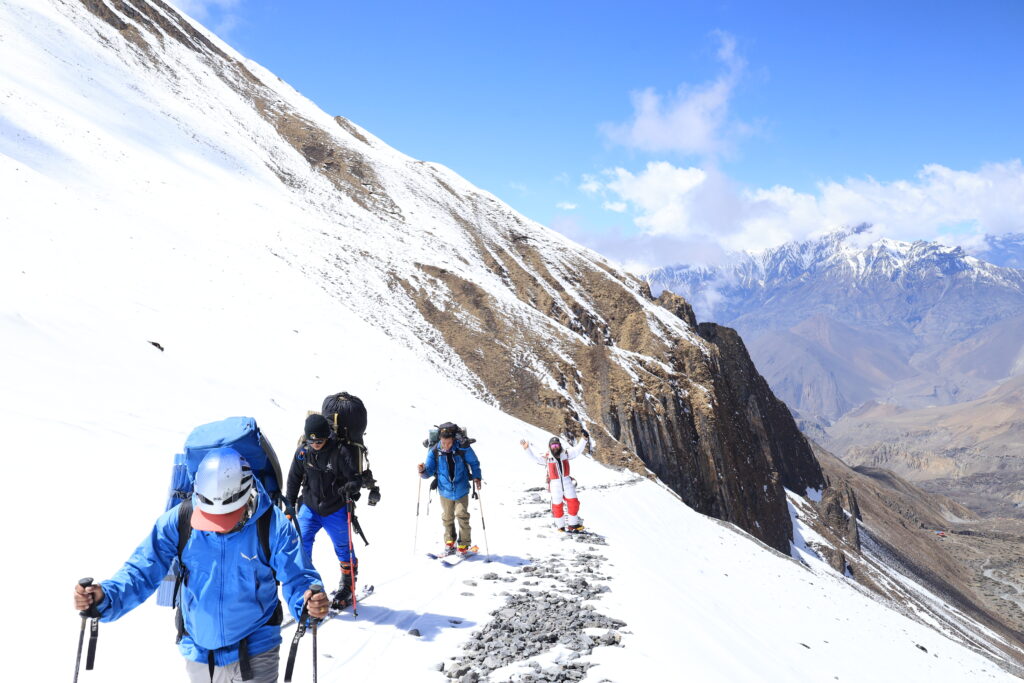
That is the idea behind King of the Hill Nepal, a new ten-day luxury ski expedition launching in February 2027 in the Annapurna region of Nepal. It is limited to thirty guests, based around a high-altitude camp, and designed for intermediate and advanced skiers who want something very different from a conventional ski holiday.

I recently spoke with Matt Brinkley and Reuben Gray from King of the Hill, and what struck me was not only the scale of the project, but also the energy behind it. They are young, enthusiastic, and clearly aware that this is not a simple product to build. Their original King of the Hill concept started as a mountain-tracking app, a kind of Strava for the mountains, before evolving into something far more ambitious: a luxury adventure company looking at places where skiing can still feel exploratory.

The team ascending to the summit. Photo credit: King of the Hill Nepal Ski Expedition.

Continue reading “King of the Hill Nepal: A New Luxury Ski Expedition Into the Annapurna Region”

Mont Blanc Tunnel Second Tube: France Resists as Italy Pushes for Impact Studies

Mont Blanc Tunnel. Photo: Milada Vigerova. Unsplash.

  • Tunnel length: 11.6 km between Courmayeur (Italy) and Chamonix (France)
  • Traffic volume: Around 1.7 million vehicles use the tunnel annually
  • 2026 maintenance closures: Ongoing structural renovation works are causing periods of full closure, night-time closures and alternating one-way traffic during parts of 2026
  • Second tube proposal: No agreement has been reached; the idea remains under discussion between Italy and France and would require extensive studies and approvals before any construction could proceed

Continue reading “Mont Blanc Tunnel Second Tube: France Resists as Italy Pushes for Impact Studies”

The future of one of the Alps’ most important transport corridors is back on the political agenda.

Key Facts

  • Tunnel length: 11.6 km between Courmayeur (Italy) and Chamonix (France)
  • Traffic volume: Around 1.7 million vehicles use the tunnel annually
  • 2026 maintenance closures: Ongoing structural renovation works are causing periods of full closure, night-time closures and alternating one-way traffic during parts of 2026
  • Second tube proposal: No agreement has been reached; the idea remains under discussion between Italy and France and would require extensive studies and approvals before any construction could proceed

Continue reading “Mont Blanc Tunnel Second Tube: France Resists as Italy Pushes for Impact Studies”

South American Skiing: Chile’s Established Markets and Argentina’s Untapped Opportunity

Las Leñas peak in the background, that triangle shape on the right hand side of the picture - the expanse of Las Leñas is incredible! - Photo by Las Leñas ski resort. Focus on South American Ski Resorts- High Andes: Valle Nevado, Portillo and Las Leñas – Chile and Argentina

South American skiing has one of the most distinctive propositions in the world. It offers Southern Hemisphere winter, high Andean scenery, a different culture, a different calendar and the chance for skiers from the Northern Hemisphere to extend their season when the Alps and North America are in summer.

But Chile and Argentina should not be treated in exactly the same way.

Chile already has a stronger track record in North America. Resorts such as Portillo and Valle Nevado have marketed to the United States for many years, and the Chilean ski product is relatively easy for international tour operators to understand because much of the visitor journey can be coordinated through the resort or specialist partners. Argentina, by contrast, has powerful ski destinations and a natural opportunity in the United States and Europe, but the product can feel more fragmented from outside the market.

That is the dichotomy. Chile is already better established internationally, especially in the US and Brazil, while Argentina has enormous potential but needs clearer packaging, stronger trade education and a simpler story for new markets.

Continue reading “South American Skiing: Chile’s Established Markets and Argentina’s Untapped Opportunity”

Adventure Travel in 2026: Why Mountain Destinations Need Food, Culture and Human Connection

I had the luck to try these cheeses and beers with a fam a couple of winters ago. Still take a jacket, as it is always 10C inside. Photo: The-Ski-Guru. A Must-Read Guide to Summer in South Tyrol

Adventure travel is changing, and mountain destinations should pay attention.

For years, the easiest way to sell a mountain destination was to lead with the obvious: the peaks, the trails, the rivers, the snow, the biking, the hiking, the skiing, the views. But recent comments from Adventure Travel Trade Association CEO Shannon Stowell, shared in an Arival interview after AdventureELEVATE Europe 2026 in Val d’Aran, suggest that the adventure travel market is now being shaped by something broader: food, culture and human connection.

According to Arival, culinary experiences have become a leading driver in adventure travel, overtaking traditional favourites such as hiking, walking and trekking in ATTA’s latest survey discussion. Stowell also repeated one of ATTA’s core definitions of adventure travel: an experience that includes at least two of three elements — nature, culture and activity. That matters for mountain regions because it moves the conversation away from simply selling “things to do” and towards selling a fuller sense of place. 

Continue reading “Adventure Travel in 2026: Why Mountain Destinations Need Food, Culture and Human Connection”

Swiss Hotels Warn of Growing Dependence on Booking Platforms

Denis Emery - photo-genic.ch- Courtesy Crans Montana Tourism Office.

Swiss hotels are raising concerns about pricing control and the growing influence of online travel agencies (OTAs), highlighting a challenge that extends well beyond Switzerland and increasingly affects mountain destinations across Europe.

A recent survey by HotellerieSuisse found that around half of Swiss hotels have experienced some form of price undercutting on online booking platforms. Hotels report that rooms are sometimes offered online at lower rates than expected, often through complex distribution chains involving wholesalers, bed banks, affiliates and third-party resellers.

Continue reading “Swiss Hotels Warn of Growing Dependence on Booking Platforms”

Low Water Reserves Raise Fresh Summer Drought Concerns Across Europe’s Mountain Regions

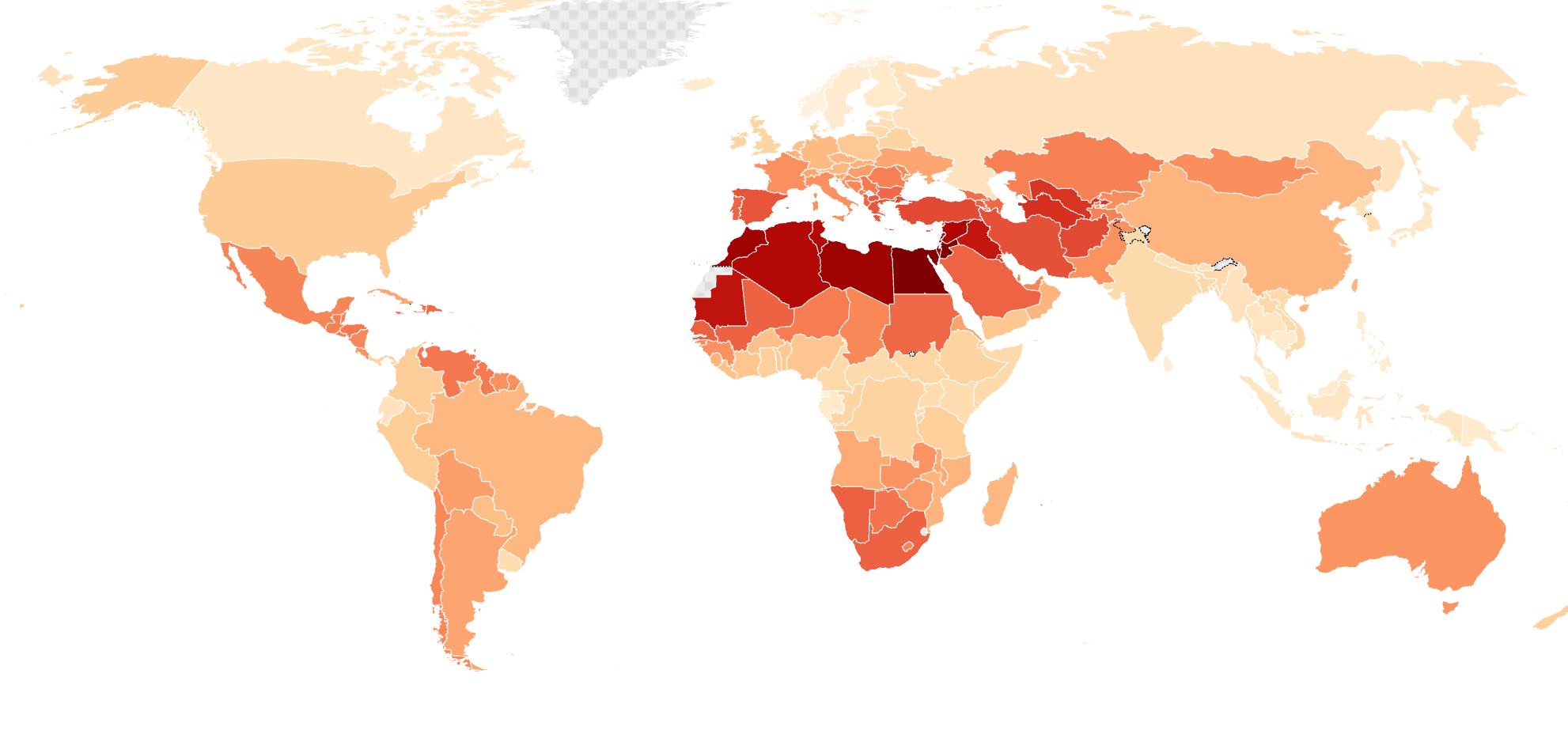
Increase of drought in the world. Infographic: Openpolis.it

Low Water Reserves Raise Summer Drought Concerns Across the Alps

Switzerland is entering summer 2026 with unusually low water reserves following one of the driest springs in recent years, prompting questions about whether parts of the Alps could face drought conditions later this summer.

According to SwissInfo and MeteoSwiss, rainfall during spring was significantly below average in many areas, while reservoir levels and river flows are lower than normally expected at the start of June.

The concern extends beyond Switzerland. Several Alpine regions experienced a winter marked by long dry periods, reduced snow accumulation and an early start to the spring melt season. While conditions vary between regions, mountain authorities and meteorologists are closely monitoring water availability heading into the peak summer months.

Continue reading “Low Water Reserves Raise Fresh Summer Drought Concerns Across Europe’s Mountain Regions”