

The Entry/Exit System (EES) is a new digital border control system adopted by the European Union to register and monitor the movements of non-EU nationals entering and exiting the Schengen Area.
It replaces traditional passport stamping with an electronic system that records biometric information, specifically fingerprints and a facial image, alongside passport data.
The system is being rolled out in phases and is expected to become fully operational across the Schengen Area during 2026, following a period of gradual implementation.
Travel Disruption Concerns and Phased Rollout
In early 2026, EU authorities confirmed that full enforcement of EES would be introduced gradually, following concerns about long queues and border congestion during peak travel periods.
According to reporting by The Local, several countries opted for phased enforcement and operational flexibility, particularly at busy airports and land borders, to avoid major disruption during winter travel and school holiday periods.
This does not cancel EES. It means:
- border procedures may be applied progressively
- checks may vary temporarily by location
- full, standardised enforcement remains planned for 2026
Who Must Use EES?
EES applies to non-EU and non-Schengen travellers, including visitors from:
- the United Kingdom
- the United States
- Canada
- Australia
- and other visa-exempt countries
It applies to short stays only (up to 90 days in any 180-day period).
EU and Schengen citizens, as well as long-stay visa holders, are generally not subject to biometric registration under EES.
EES forms part of a wider set of documentation and border checks now applied to travellers entering Europe. For a broader overview of passports, visas and border requirements, see this guide to travel documents and border requirements for Europe.
How EES Works in Practice
First Entry Under EES
On your first entry:
- passport data is scanned
- fingerprints are recorded
- a facial image is captured
This may take place at airports, major rail terminals, or land borders.
Subsequent Entries
If you re-enter using the same passport within the validity period:
- only a passport scan and facial verification are usually required
The system records exact entry and exit dates to:
- track overstays
- reduce identity fraud
- replace manual passport stamps
🇬🇧 How EES Affects Eurostar and Channel Tunnel Travel
If you travel between the UK and mainland Europe via Eurostar or the Channel Tunnel, EES still applies.
Key points:
- biometric checks may take place at departure terminals or on arrival, depending on border arrangements
- major stations such as Paris Gare du Nord and Brussels Midi are equipped for EES procedures
- land travel is no longer exempt from digital border tracking
Practical advice for Eurostar passengers
- arrive earlier than usual (45–60 minutes recommended)
- keep your passport easily accessible
- if you’ve changed your passport since your last trip, full biometric capture may be required again

🛂 What the EU Entry/Exit System (EES) Means for Travellers.
🏔️ EES Checklist for Ski Travellers
If you’re heading to the Alps, Pyrenees or Dolomites:
- 📘 Passport ready for scanning (remove covers)
- 👆 Be prepared for fingerprint and facial capture on first entry
- ⏱ Allow extra time at borders during peak travel weeks
- 🎟 Keep travel and accommodation confirmations accessible
- 💳 Use the same passport for exit that you used for entry
- 📍 Expect slight differences in procedure between countries
- 🚆 Budget extra time if travelling by train or coach
❓ EU Entry/Exit System (EES) — FAQs
Does EES replace visas?
No. EES records entry and exit; visa requirements remain unchanged.
Does EES apply to all EU countries?
It applies wherever the Schengen Border Code is in force. Some EU countries operate under different arrangements.
Will airlines and rail operators check compliance?
Yes. Carriers often conduct passport checks before boarding.
Is biometric data protected?
EU authorities state that EES data is protected under strict data-protection rules and used only for border control.
What happens if I overstay?
Overstays may affect future Schengen travel and could lead to penalties or restrictions.
🔎 Summary
- EES is the EU’s new digital entry and exit system for non-EU travellers
- It replaces passport stamping with biometric registration
- Enforcement is being phased to reduce border congestion
- Ski travellers and Eurostar passengers should allow extra time
- Preparation makes border crossings smoother
 Planning your next trip to the Italian Alps?
 Planning your next trip to the Italian Alps?
If you’re heading to the Aosta Valley, take a look at Il Cuore della Valdigne, our family-owned apartment in Morgex, available for rent when we’re not using it ourselves.
It’s an ideal base to:
- Ski in Courmayeur, La Thuile and Pila
- Enjoy the mountains in summer (hiking, biking, nature)
- Explore the Mont Blanc valley in a quieter, more authentic setting.
 Ski in Courmayeur,
 Enjoy the mountains in summer (hiking, biking, nature)
Check my Mountain Art on my Shop
You can go to my shop and see what have been inspiring me lately, lots mountain landscapes in soft pastels, and now in oils too. Go here to check my latest works!

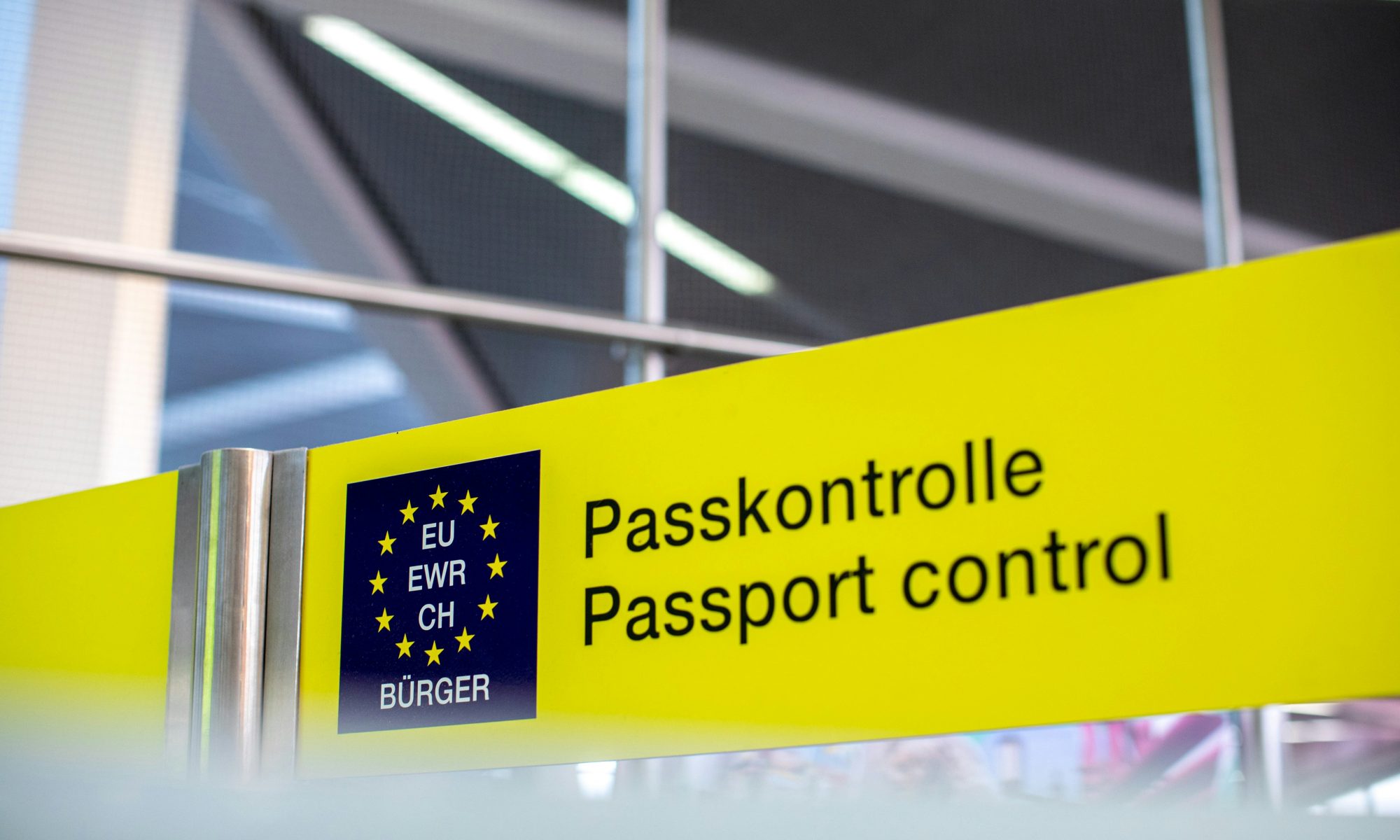
Featured Photo: Airport in the EU. Photo: Daniel Schludi. Unsplash. 🛂 What the EU Entry/Exit System (EES) Means for Travellers


Discover more from The-Ski-Guru
Subscribe to get the latest posts sent to your email.
 Subscribe to The-Ski-Guru here.
You must be logged in to post a comment.