

Early season operating metrics released by Vail Resorts show a noticeable decline in skier visits across its North American resort portfolio during the 2025–26 winter season.
The figures, reported through the company’s investor communications and widely covered by financial and industry media, offer an interesting window into how the modern ski resort business model operates during a difficult winter.
While the headline numbers point to a challenging season, the underlying data reveals something more nuanced about how large resort operators manage financial volatility.
Skier Visits Down — One of the Sharpest Drops in Recent Years
According to season-to-date operating metrics, skier visits across Vail Resorts’ North American mountain resorts were down approximately 20% compared with the previous season.
The company attributes the decline primarily to weak early-season snowfall across the Western United States, which significantly delayed terrain openings at several major destinations.
In some areas:
- Snowfall totals were reported at roughly 50% below the long-term average
- Terrain openings were delayed early in the season
- Destination travel demand weakened while conditions remained uncertain
For a business built around winter tourism, such conditions inevitably affect visitor numbers.
However, the financial impact has not been uniform across all revenue streams.
Why Revenue Has Been More Stable Than Visits
Despite the decline in skier visits, the company reported that lift revenue declined only slightly during the same period.
The reason lies in the structure of the multi-resort season pass system that has become central to the modern ski industry.
The Epic Pass allows skiers to purchase access months before winter begins, locking in access to multiple destinations under a single pass system. (Related: Epic & Ikon Pass Fraud Investigation — how resorts are responding to pass sharing.)
This has several important consequences:
- A large portion of resort revenue is secured before snowfall even begins
- Resort operators are less exposed to short-term weather variability
- Cash flow becomes more predictable across the season
In recent years, advance pass sales have represented a majority of skier visits at Vail-owned resorts.
This model effectively shifts part of the financial risk away from the operator and toward the customer.
Where the Financial Impact Is Actually Visible
While lift revenue has remained relatively resilient, other business segments have experienced more noticeable declines.
According to the reported operating metrics:
- Ski school revenue declined significantly
- On-mountain dining also saw a double-digit decrease
- Retail and rental activity fell more moderately
These segments depend heavily on actual visitation to the mountain, rather than pre-purchased passes.
In other words, while the Epic Pass can stabilize ticket revenue, it does not prevent declines in secondary spending that supports the broader resort economy.
The Role of Weather and Snowfall
Vail Resorts has linked the slowdown primarily to an unusually weak early winter in the western United States.
Poor snowfall conditions affect ski tourism in several ways:
- Terrain openings are delayed
- Destination visitors postpone trips
- Resorts rely more heavily on snowmaking
- Consumer confidence in conditions declines
Even in an era of sophisticated snowmaking infrastructure, natural snowfall remains a key driver of ski travel demand.
Strategic Adjustments Already Underway
In response to softer demand, Vail Resorts has already introduced several initiatives aimed at maintaining momentum in future seasons.
These include:
- Discounted Epic Pass pricing for younger skiers
- Expanded marketing efforts targeting new demographics
- Continued emphasis on advance pass sales
Such strategies reflect a broader effort to expand the customer base while maintaining the economic advantages of the pass model.
Why This Matters for European Ski Resorts
The developments are being closely watched beyond North America, particularly in Europe where the structure of ski tourism has historically been different.
European ski resorts traditionally rely more heavily on:
- short-stay visitors
- day passes rather than season passes
- locally owned lift companies rather than large corporate portfolios
However, international pass networks are increasingly connecting European resorts to global operators.
Some Alpine destinations now participate in partnerships linked to North American pass systems, including those associated with Vail Resorts and other multi-resort networks.
These developments are part of a broader shift toward global multi-resort access products. (Related: Global Ski Passes and the Future of European Ski Resorts.)
This raises several questions for the future of the industry:
- Could large pass systems eventually reshape European ski pricing?
- Will Alpine resorts adopt similar pre-paid revenue models?
- How might global resort consolidation affect traditional mountain economies?
For now, the European ski sector remains structurally different, though the influence of global pass systems continues to grow.
The Debate Around Ski Prices and Industry Consolidation
The expansion of global resort operators has also sparked debate within the ski industry about pricing and accessibility.
Companies like Vail Resorts now operate dozens of resorts across North America, Australia and Europe, integrating them under global season pass systems such as the Epic Pass.
The rapid expansion of the company’s global portfolio has also prompted debate within the ski industry about the long-term sustainability of this model. (Related: Is Vail Resorts’ Epic Dream Faltering?)
Supporters argue that these passes provide greater value for frequent skiers, allowing access to multiple destinations at a lower per-day cost.
Critics, however, suggest that consolidation may also influence lift ticket pricing, resort policies and the broader cost structure of ski tourism. These concerns are now being tested more directly in the United States, as seen in the Vail and Alterra lawsuit over ski pass pricing.
In Europe — where skiing has traditionally remained more accessible to local day visitors — the long-term influence of global pass networks continues to be closely watched.
A Structural Shift in Ski Tourism
Over the past decade, companies like Vail Resorts have built global resort portfolios integrating dozens of ski areas under shared pass systems.
The strategy aims to create:
- predictable revenue streams
- global marketing reach
- customer loyalty across multiple destinations
The latest visitation figures show that even when skier numbers fall significantly, the pass-based business model can cushion financial results.
At the same time, the data highlights a key vulnerability: secondary spending and local resort economies remain closely tied to actual visitor numbers.
For mountain destinations, the balance between corporate strategy, weather variability and tourism demand will likely remain one of the defining challenges of the ski industry in the coming decade.
This article is part of The-Ski-Guru’s ongoing coverage of ski industry trends, resort economics and global pass systems.
Sources
• Vail Resorts — Season-to-date ski season metrics and investor communications
• The Wall Street Journal — reporting on Vail Resorts earnings outlook
• Business Insider — reporting on Epic Pass marketing strategy
• National Ski Areas Association — industry context on resort economics
 Planning your next trip to the Italian Alps?
 Planning your next trip to the Italian Alps?
If you’re heading to the Aosta Valley, take a look at Il Cuore della Valdigne, our family-owned apartment in Morgex, available for rent when we’re not using it ourselves.
It’s an ideal base to:
- Ski in Courmayeur, La Thuile and Pila
- Enjoy the mountains in summer (hiking, biking, nature)
- Explore the Mont Blanc valley in a quieter, more authentic setting.
 Ski in Courmayeur,
 Enjoy the mountains in summer (hiking, biking, nature)
Check my Mountain Art on my Shop
You can go to my shop and see what have been inspiring me lately, lots mountain landscapes in soft pastels, and now in oils too. Go here to check my latest works!
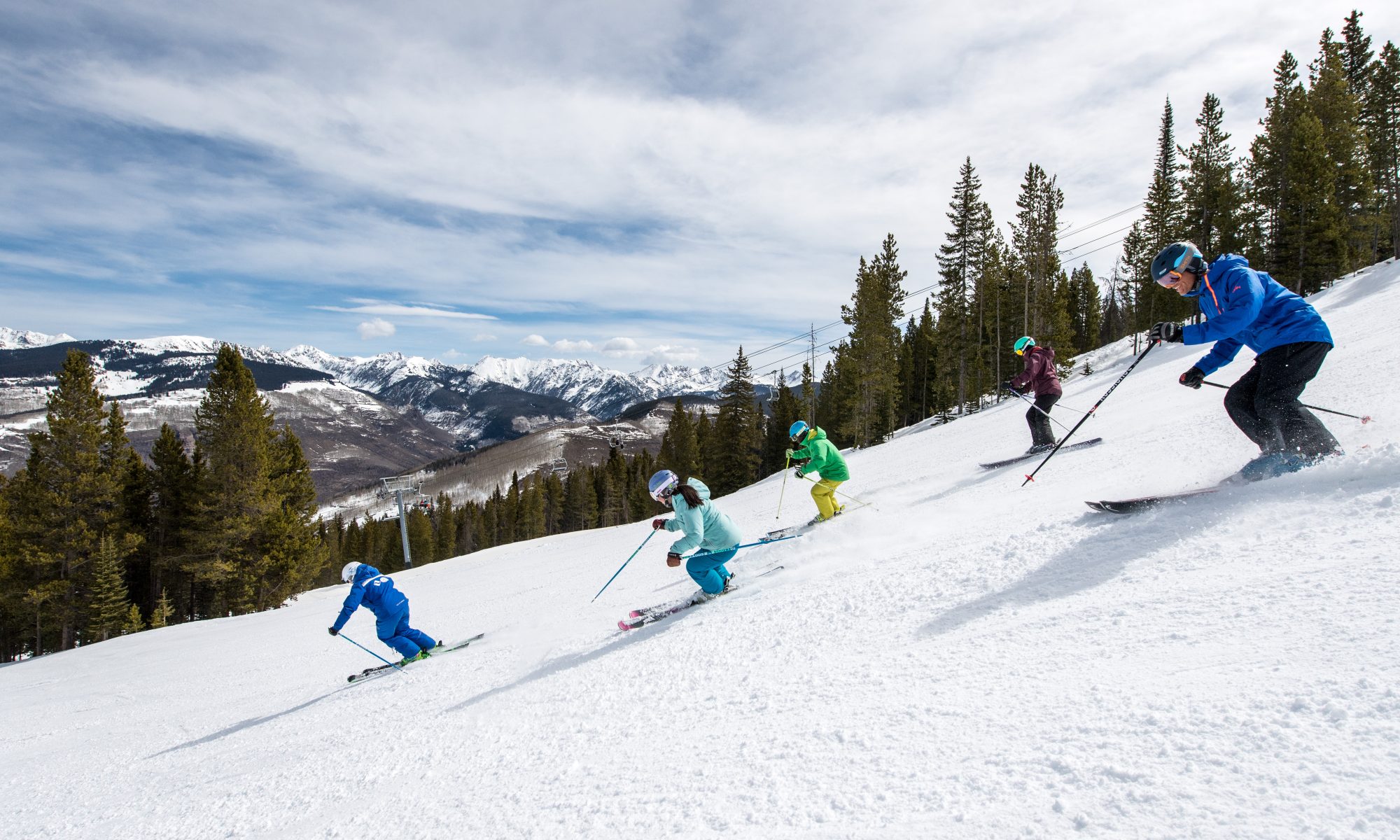
Featured Image: Adult Ski School at Vail, CO. Photo: Tom Cohen. Vail Resorts.


Discover more from The-Ski-Guru
Subscribe to get the latest posts sent to your email.
 Subscribe to The-Ski-Guru here.