

Update – June 4, 2026: Whistler Blackcomb has confirmed a second, smaller rock slide from Whistler Peak, after another fall was seen and filmed on June 3. According to Pique Newsmagazine, the resort said there were no injuries and that Peak Chair and the surrounding area remain closed while crews continue to assess the terrain. CBC also reported witness footage of the latest rockfall, with one observer describing hearing the slide before seeing it. The new incident does not mean the whole resort is unsafe, but it does reinforce the wider issue of rockfall risk in steep alpine terrain, especially in areas affected by freeze-thaw cycles, warming temperatures, snowmelt and unstable rock.
Updated: 14 March 2026
A rockslide that struck high-alpine terrain near the summit of Whistler Blackcomb this week has raised questions about how and why rockfalls occur in ski resort environments. The incident follows the rockfall we reported earlier this week at the resort, which forced closures in the Peak zone.
The slide occurred early in the morning before the resort opened, sending large blocks of rock across a section of terrain near the top of Whistler Peak. Because it happened before skiers were on the mountain, no injuries were reported.
However, the event temporarily forced the closure of the Peak Express Chair, along with surrounding terrain in the Peak zone while the area was assessed.
The incident highlights a lesser-discussed mountain hazard: rockfall in high-alpine ski terrain.
Similar patterns are being observed globally, but are particularly visible in regions affected by extreme weather in the Alps.
What Happened on Whistler Peak
According to reporting by CBC News, the rockslide occurred in steep terrain near the summit area above advanced ski runs.
Large blocks of rock were scattered across roughly 90 metres (300 feet) of terrain between steep double-black-diamond runs near the Peak zone.
The slide occurred overnight or in the early morning hours before the ski area opened, allowing patrol and mountain operations teams to close the affected area before guests arrived.
Resort officials confirmed that terrain and lift operations were temporarily restricted while crews evaluated the stability of the slope and the debris field.
Why Rockslides Occur in High-Alpine Terrain
Rockfalls are a natural process in steep mountain environments, but they can become more likely under certain weather conditions.
In alpine terrain, one of the most common triggers is the freeze-thaw cycle.
Water seeps into cracks in the rock. When temperatures drop below freezing, the water expands as ice, forcing the rock apart. Repeated cycles gradually widen fractures until a section of rock eventually fails.
This process can be accelerated during periods of rapid temperature swings, particularly in spring-like conditions when freezing nights are followed by warmer days.
Weather Conditions Before the Slide
The incident follows a period of milder temperatures and precipitation in parts of the Coast Mountains of British Columbia.
Such conditions can increase instability in steep rock faces by:
- allowing water to penetrate fractures
- weakening rock bonds through repeated freezing and thawing
- increasing weight on already fractured rock layers
Although the exact trigger of the Whistler Peak rockslide has not been confirmed, geologists often point to these freeze-thaw processes as a common cause of sudden alpine rock failures.
Rockfall Risks at Ski Resorts
While avalanches are the most widely discussed mountain hazard in winter, rockfall is also an inherent risk in steep alpine terrain.
Many ski resorts operate in environments shaped by glaciation and erosion, where cliffs and fractured rock layers are common.
Resort teams manage these risks through:
- regular slope inspections
- geological assessments in exposed areas
- terrain closures when instability is suspected
- patrol monitoring after storms or temperature swings
In most cases, these measures allow hazards to be identified before guests enter affected terrain.
A Reminder of the Dynamic Nature of Mountain Terrain
The Whistler Peak rockslide serves as a reminder that high-mountain environments are constantly evolving.
Even in heavily managed ski areas, the combination of steep slopes, fractured rock and changing weather can produce sudden geological events.
Because the slide occurred before the resort opened, ski patrol and operations teams were able to secure the area before skiers were exposed to the hazard.
Another Rockfall Reported at Whistler Peak
Another rockfall has been reported at Whistler Peak, following the larger March 2026 slide that closed terrain near Peak Chair. Whistler Blackcomb confirmed to Pique Newsmagazine that a second, smaller rock slide occurred from the peak on June 3, with no reported injuries. Peak Chair and the surrounding terrain remain closed while the resort continues to assess the area.
CBC also published witness footage of the latest event, describing a rockfall that was heard before it was seen. For visitors, the important point is not to overstate the danger across Whistler Blackcomb as a whole, but to understand that high alpine terrain is dynamic. Rockfall is a natural mountain process, and resorts have to manage it through closures, inspections and operational decisions when instability appears near lifts, pistes or hiking routes.
This second event makes the Whistler Peak case more than a one-off news item. It fits into a broader pattern being watched across many mountain regions, where freeze-thaw cycles, heavy rain, snowmelt, deglaciation and warming rock faces can all contribute to alpine instability. The March slide was already significant because it affected a well-known lift-served area. The June update shows why these incidents are not only relevant for skiers, but also for summer sightseeing, hiking access and the long-term management of lift-served mountain terrain.
Related coverage:
• Whistler Blackcomb Rockslide Closes Peak Zone Terrain
Sources
- CBC News – reporting on the Whistler Peak rockslide –
- Resort operational updates from Whistler Blackcomb
 Planning your next trip to the Italian Alps?
 Planning your next trip to the Italian Alps?
If you’re heading to the Aosta Valley, take a look at Il Cuore della Valdigne, our family-owned apartment in Morgex, available for rent when we’re not using it ourselves.
It’s an ideal base to:
- Ski in Courmayeur, La Thuile and Pila
- Enjoy the mountains in summer (hiking, biking, nature)
- Explore the Mont Blanc valley in a quieter, more authentic setting.
 Ski in Courmayeur,
 Enjoy the mountains in summer (hiking, biking, nature)
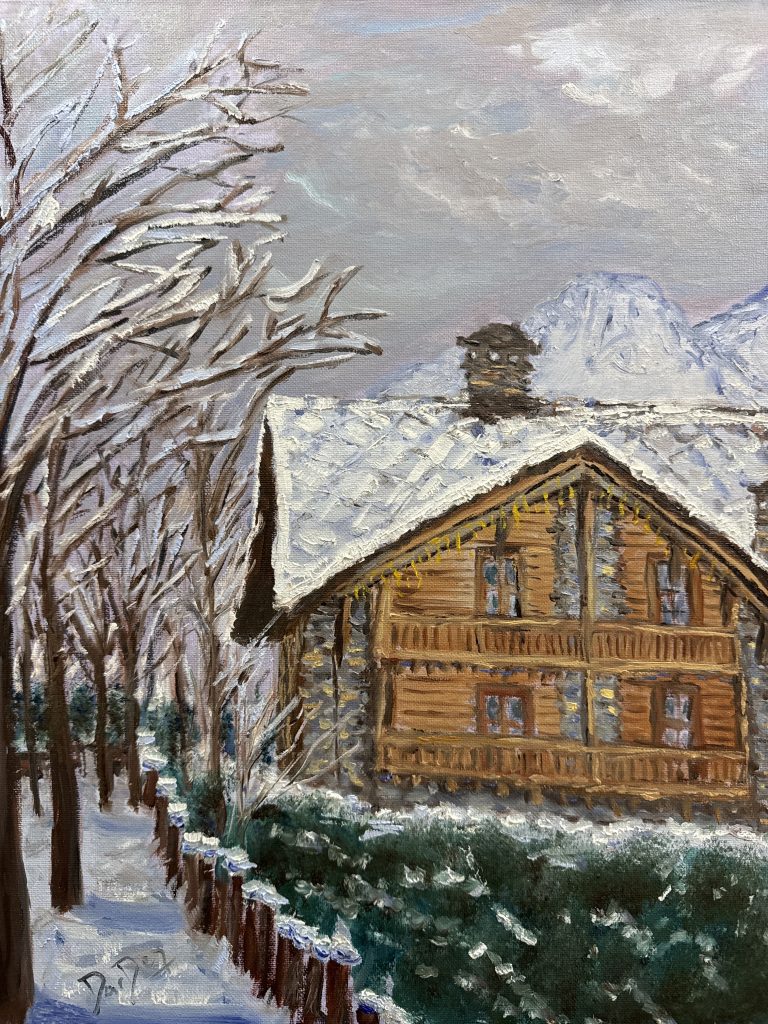
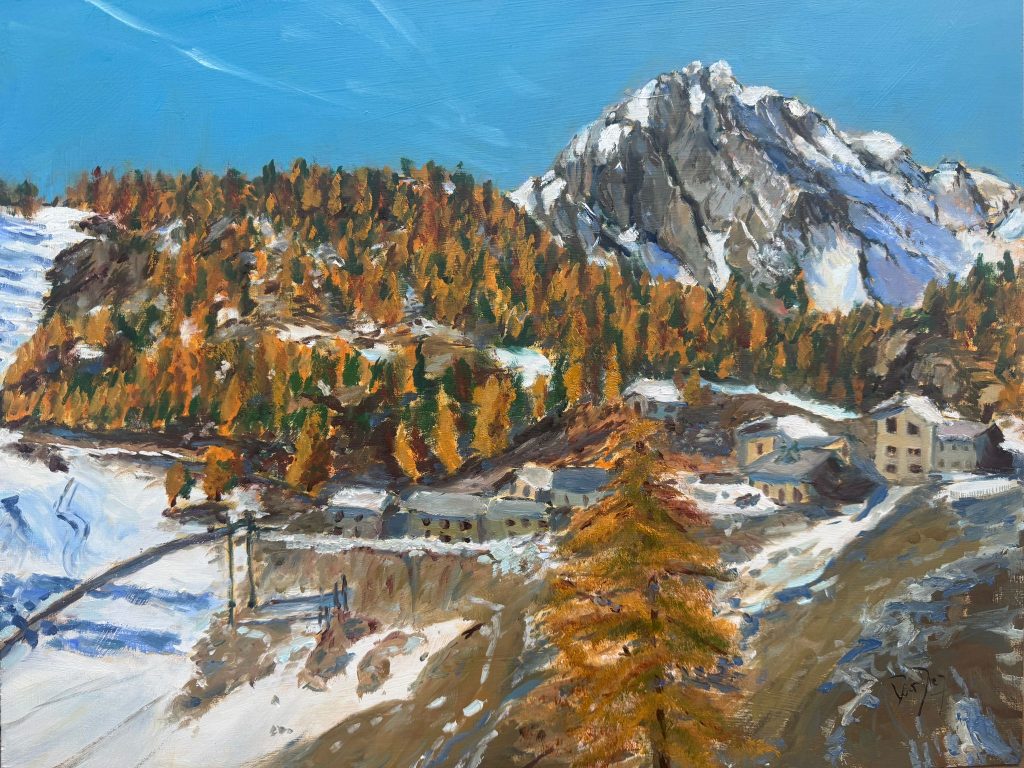
Check my Mountain Art on my Shop
You can go to my shop and see what have been inspiring me lately, lots mountain landscapes in soft pastels, and now in oils too. Go here to check my latest works!
Featured Image: Rockfall in Whistler Mountain. Photo by Pique News magazine.


Discover more from The-Ski-Guru
Subscribe to get the latest posts sent to your email.
 Subscribe to The-Ski-Guru here.