High above the famous French ski resort of Courchevel, a giant artificial water reservoir built to support snowmaking operations is now raising serious concerns about Alpine infrastructure stability in a warming climate.
The reservoir, located above the village of La Tania at around 2,270 metres altitude, was constructed to supply artificial snow for the new Éclipse piste, developed for the 2023 Alpine World Ski Championships and linked to preparations for future international winter sports events. But according to recent investigations by Le Monde, the structure is now subsiding at an alarming rate.
Update – June 4, 2026: Whistler Blackcomb has confirmed a second, smaller rock slide from Whistler Peak, after another fall was seen and filmed on June 3. According to Pique Newsmagazine, the resort said there were no injuries and that Peak Chair and the surrounding area remain closed while crews continue to assess the terrain. CBC also reported witness footage of the latest rockfall, with one observer describing hearing the slide before seeing it. The new incident does not mean the whole resort is unsafe, but it does reinforce the wider issue of rockfall risk in steep alpine terrain, especially in areas affected by freeze-thaw cycles, warming temperatures, snowmelt and unstable rock.
Updated: 14 March 2026
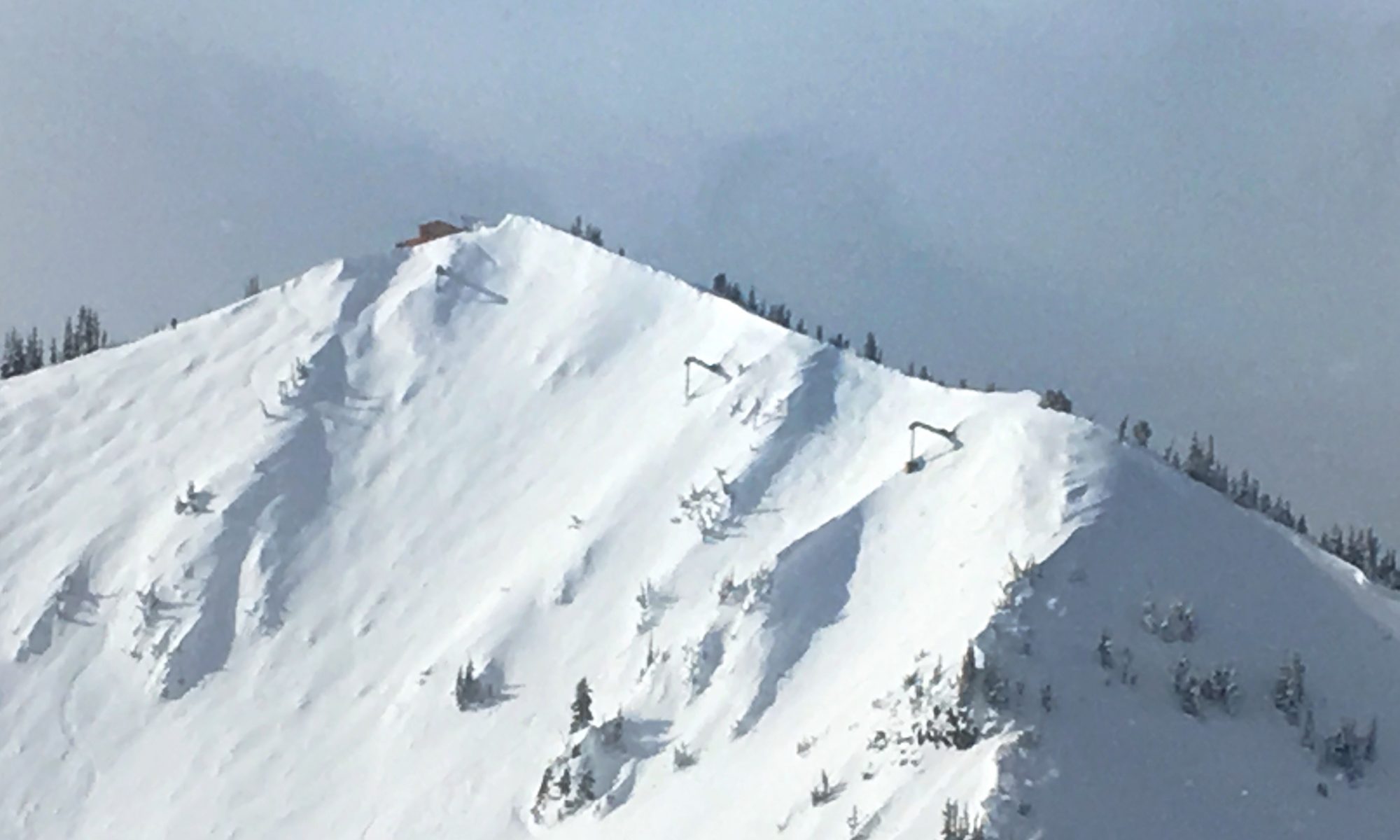
A rockslide that struck high-alpine terrain near the summit of Whistler Blackcomb this week has raised questions about how and why rockfalls occur in ski resort environments. The incident follows the rockfall we reported earlier this week at the resort, which forced closures in the Peak zone.
The slide occurred early in the morning before the resort opened, sending large blocks of rock across a section of terrain near the top of Whistler Peak. Because it happened before skiers were on the mountain, no injuries were reported.
However, the event temporarily forced the closure of the Peak Express Chair, along with surrounding terrain in the Peak zone while the area was assessed.
The incident highlights a lesser-discussed mountain hazard: rockfall in high-alpine ski terrain.
Similar patterns are being observed globally, but are particularly visible in regions affected by extreme weather in the Alps.
A rockslide at Whistler Blackcomb near Whistler Peak forced the closure of terrain served by the Peak Express chairlift on 12 March 2026 at North America’s largest ski resort.
According to the resort operator Whistler Blackcomb (Vail Resorts), the rockfall occurred early in the morning before the ski area opened, and no injuries were reported.
The slide occurred near the Peak Express chairlift, which provides access to some of the highest alpine terrain on Whistler Mountain.
As a precaution, resort operations closed the affected terrain while crews assess slope stability and clear debris.
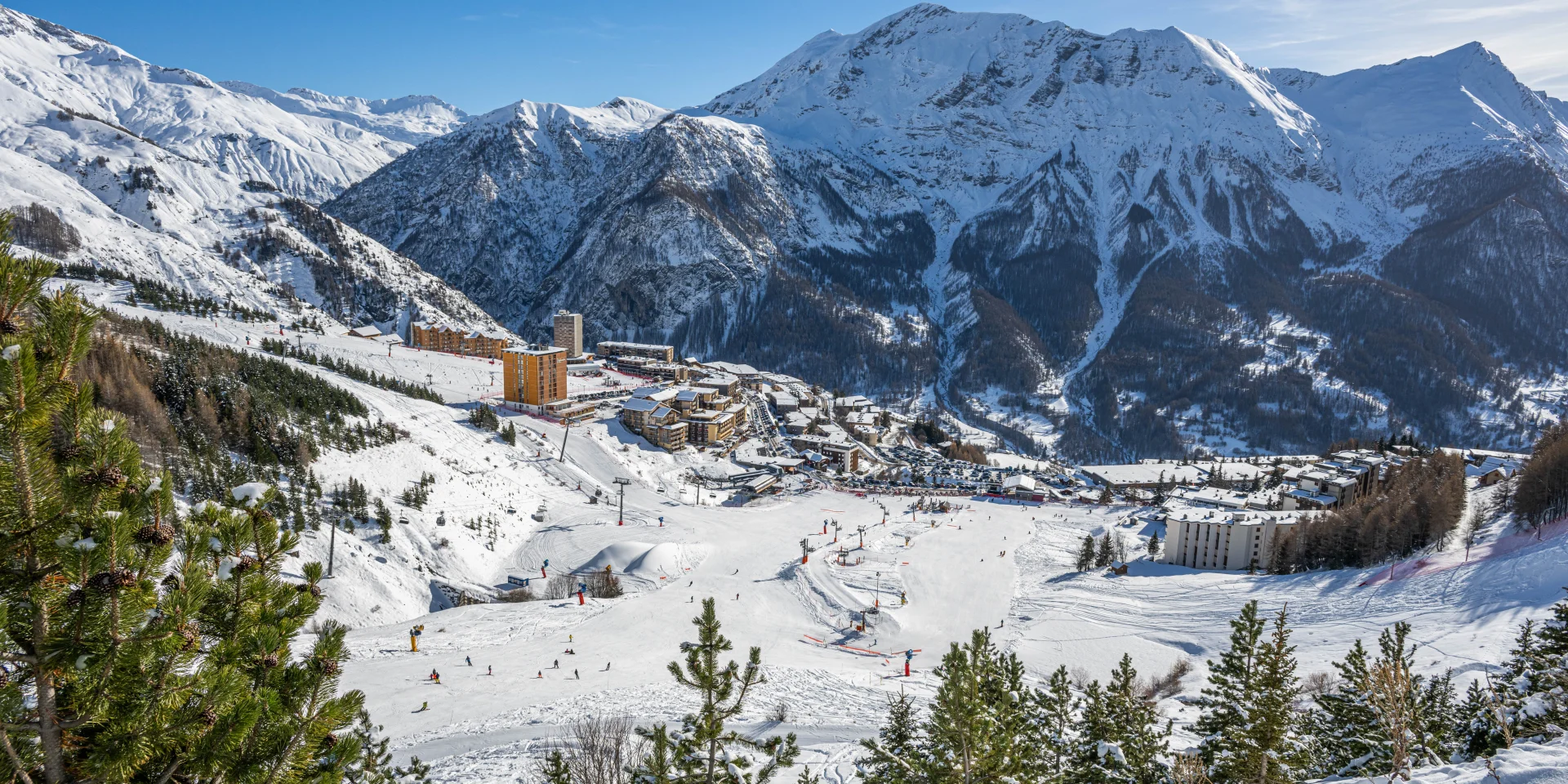
Natural D3 Avalanche Observed from Chairlift at Orcières
A natural avalanche likely classified as Destructive Size 3 (D3) was observed at Orcières Merlette 1850 in the Hautes-Alpes during the current Alpine instability cycle.
The slide occurred on steep terrain beneath an operating chairlift. No skiers were caught and no injuries have been reported.
On the North American destructive size scale, a D3 avalanche is capable of:
Destroying a wood-frame house
Breaking large trees
Damaging small buildings
Producing significant debris fields
While European bulletins primarily use the 1–5 danger scale, destructive size classifications provide additional context for the physical power of a slide.
Most skiers assume that if a run is open, it is avalanche-proof. In reality, ski resorts reduce avalanche risk dramatically — but they cannot eliminate it completely, especially during Level 4 (Strong) and Level 5 (Very Strong) danger periods on the European avalanche danger scale.
During recent Alpine storm cycles, including February 2026, several incidents raised an important operational question: how can an avalanche reach or cross an open piste — and what systems are supposed to prevent that?
This explainer walks through the real-world avalanche control toolkit used by Alpine resorts, and what “extreme conditions” mean for in-bounds safety.
What Is PIDA?
In France, avalanche control on or near ski slopes is typically organised under a PIDA:
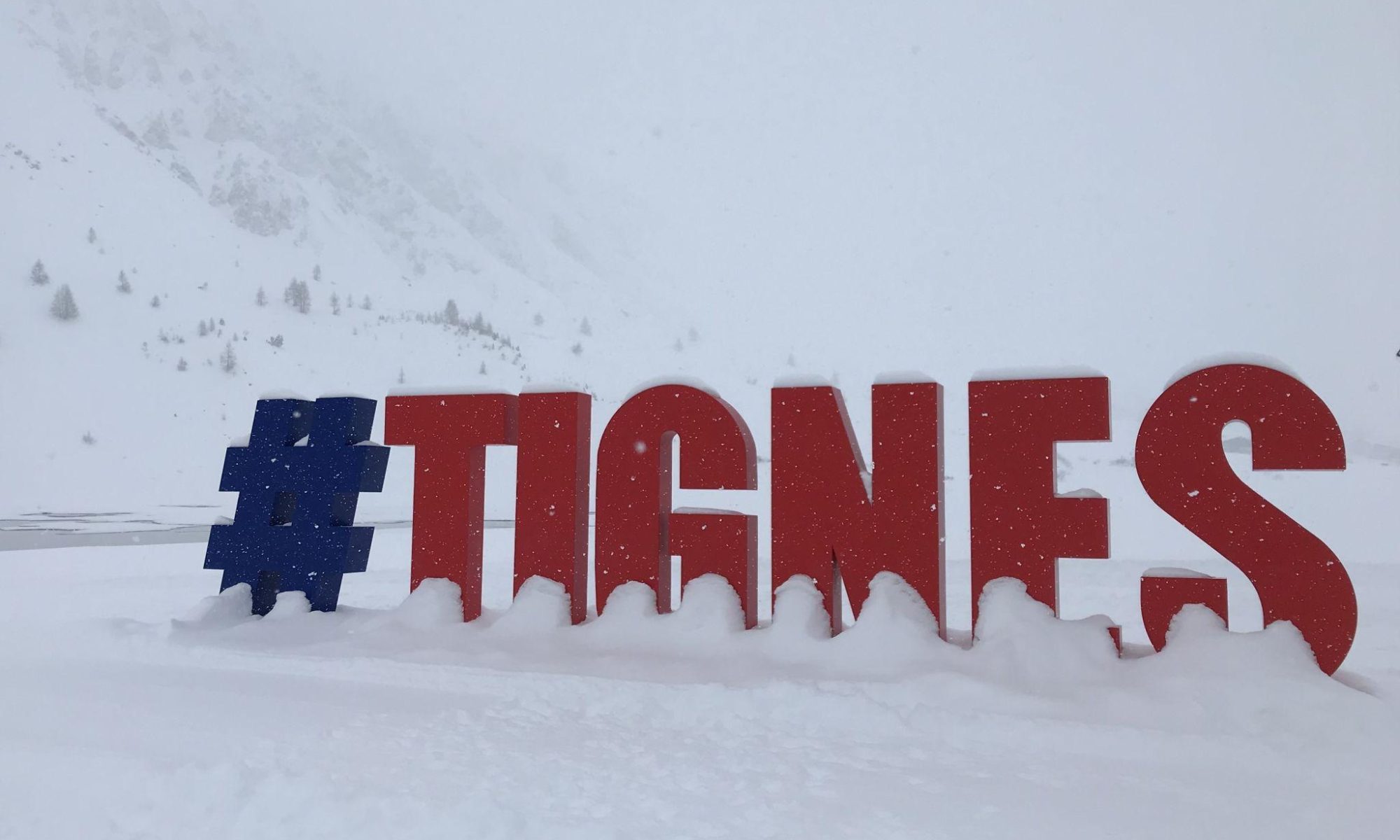
Authorities in Tignes, one of the major ski resorts in the French Alps, have ordered residents and visitors to remain indoors following exceptional snowfall and extreme avalanche risk across the Haute-Tarentaise area.
Avalanche danger in Tignes in February 2026 reached Level 5 — the highest warning level — after extreme snowfall across the northern French Alps.
Latest update: Avalanche danger remains high across parts of the Haute-Tarentaise as heavy snowfall continues.
The decision came after heavy snowfalls combined with strong winds created highly unstable conditions in the upper valley. According to reports from national and regional media, local authorities implemented a temporary confinement order overnight, asking people not to leave their homes, hotels or residences except in cases of necessity.
Why Avalanche Danger in Tignes Reached Level 5 (Maximum Level)
The avalanche warning level reached Level 5/5 (Very High) — the highest classification on the European avalanche scale — in parts of Savoie, including the Tignes–Val d’Isère sector.
Why Ski Resorts Close Terrain After Heavy Snowfall
Introduction
Ski resorts often close terrain after heavy snowfall because fresh snow can increase avalanche risk, reduce visibility, overload lifts and make rescue access harder. Closures are not usually a sign that the resort is disorganised; they are a safety decision made while ski patrol, lift teams and avalanche-control crews work to reopen terrain safely.
After major snowstorms, skiers and snowboarders often arrive expecting perfect powder conditions — only to find lifts closed, terrain restricted, or entire sectors shut down. Frustration is common, especially during short holidays or peak winter weeks.
But more snow does not automatically mean safer skiing. In fact, the period immediately after heavy snowfall is often when avalanche risk is highest. Terrain closures following big storms are not a failure to open — they are a deliberate risk-management decision designed to protect lives.
Heavy snowfall doesn’t automatically mean safe skiing
Large snowfalls can dramatically increase instability in the snowpack. Factors that contribute to heightened risk include:
rapid accumulation of fresh snow
wind loading on leeward slopes
weak layers buried beneath new snow
limited visibility preventing safe assessment
In many cases, the first 24 to 72 hours after a storm are critical. During this window, ski patrol teams need time to evaluate conditions, access terrain safely, and reduce risk before opening slopes to the public.
Why resorts keep terrain closed after big snowfalls
Stella di Pilla today- Notice the Gasex further down on the slope. Photo: Webcam Pila.it. Why Ski Resorts Close Terrain After Heavy Snowfall — And Why That’s a Safety Decision.
Enjoyed this post? Get my latest ski guides, weather insights, resort updates and travel tips directly in your inbox. Subscribe to The-Ski-Guru here.
Manage Cookie Consent
To provide the best experiences, we use technologies like cookies to store and/or access device information. Consenting to these technologies will allow us to process data such as browsing behavior or unique IDs on this site. Not consenting or withdrawing consent, may adversely affect certain features and functions.
Functional
Always active
The technical storage or access is strictly necessary for the legitimate purpose of enabling the use of a specific service explicitly requested by the subscriber or user, or for the sole purpose of carrying out the transmission of a communication over an electronic communications network.
Preferences
The technical storage or access is necessary for the legitimate purpose of storing preferences that are not requested by the subscriber or user.
Statistics
The technical storage or access that is used exclusively for statistical purposes.The technical storage or access that is used exclusively for anonymous statistical purposes. Without a subpoena, voluntary compliance on the part of your Internet Service Provider, or additional records from a third party, information stored or retrieved for this purpose alone cannot usually be used to identify you.
Marketing
The technical storage or access is required to create user profiles to send advertising, or to track the user on a website or across several websites for similar marketing purposes.




 Subscribe to The-Ski-Guru here.
You must be logged in to post a comment.