

🧭 Introduction
In an Alpine world increasingly defined by lift networks, snowmaking and controlled pistes, La Grave stands apart.
This is not a conventional ski resort. There are no marked runs, no groomed pistes in the usual sense, and no fully avalanche-controlled ski area. Instead, La Grave offers direct access to high-alpine terrain where skiing and mountaineering often overlap — and where the consequences of mistakes can be severe.
📍 What La Grave Actually Is
La Grave is best understood not as a resort, but as a village with lift access into extreme terrain.
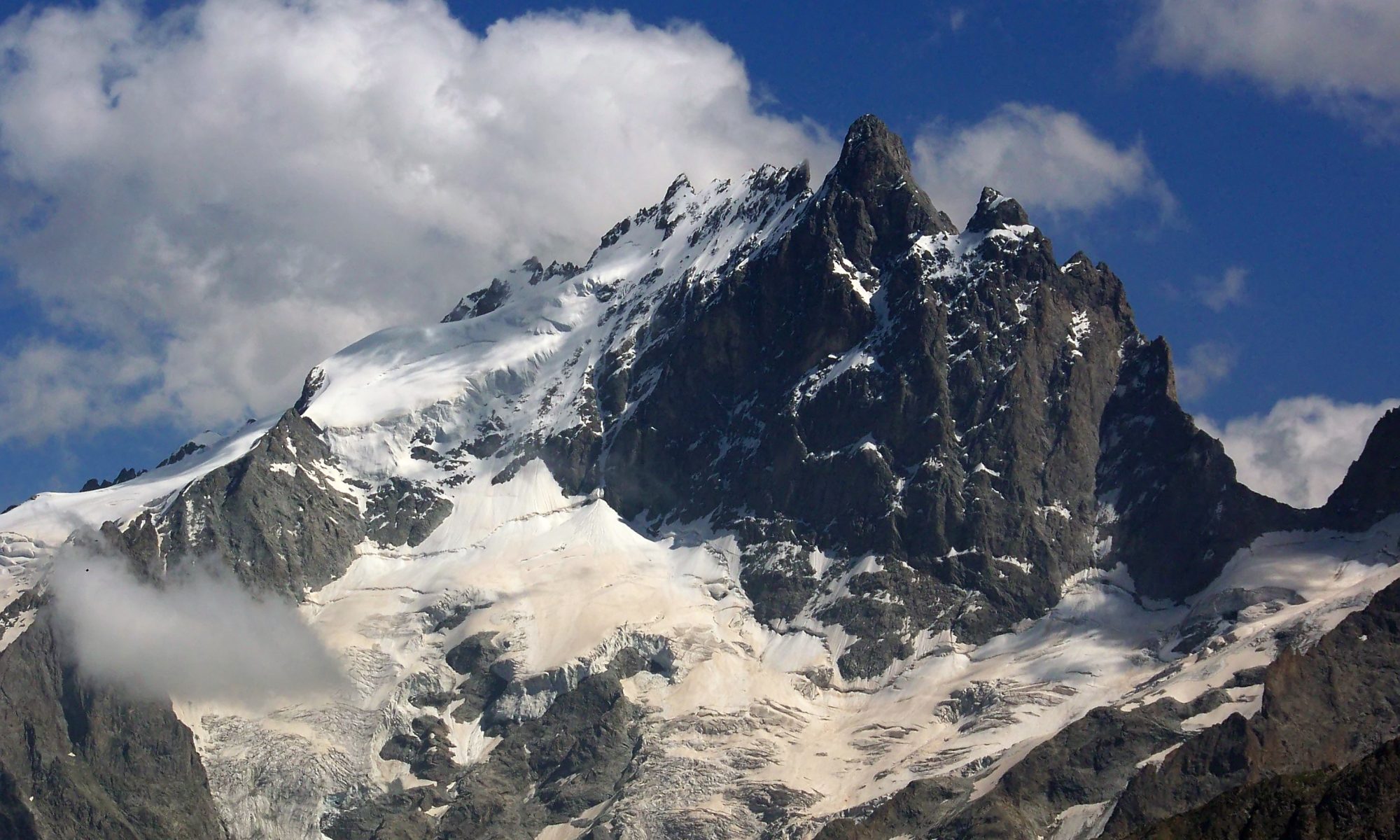
A single cable car (the Téléphérique des Glaciers de la Meije) rises from the village to over 3,200 metres, opening access to more than 2,000 metres of vertical descent. From there, skiers enter a vast area of ungroomed, glaciated slopes, couloirs and high-mountain faces.
There is almost no piste infrastructure. Routes are not marked, conditions are not standardised, and the terrain is left largely in its natural state.
👉 In simple terms:
La Grave is designed to access the mountain — not to make skiing safe.
While La Grave represents one of Europe’s most extreme lift-served environments, other models of access are emerging globally — including private ski developments like this recent project in Nevada’s Ruby Mountains.
⚠️ Why It’s Different from a Normal Ski Resort
What makes La Grave unique is also what makes it demanding.
There is:
- No comprehensive avalanche control comparable to mainstream resorts
- No marked or secured runs
- Glacier terrain with crevasses
- Sections that may require route-finding, traverses or rope techniques
This is terrain where decision-making matters as much as skiing ability.
Recent incidents underline that reality. Events during the 2026 season — including avalanche accidents and the death of a mountain guide in a separate technical fall — highlight the level of exposure in this environment.
👉 Related:
🧭 Who Should — and Shouldn’t — Ski La Grave
La Grave is often described as one of the most serious lift-accessed ski areas in Europe, and that description is not exaggerated.
It is best suited to:
- Experienced off-piste and big-mountain skiers
- Skiers comfortable in variable snow and complex terrain
- Those skiing with a qualified mountain guide
It is not suitable for:
- Beginners or intermediate skiers
- Visitors expecting marked pistes or resort infrastructure
- Those unfamiliar with avalanche risk and route-finding
For many visitors, hiring a guide is not just recommended — it is essential.
🚗 How to Get There
La Grave is located in the Hautes-Alpes, between Grenoble and Briançon.
- Around 1 hour 30 minutes from Grenoble
- Approximately 2 hours from Lyon
- Accessible via the Col du Lautaret (weather-dependent in winter)
Public transport options are limited, and most visitors arrive by car or transfer.
🏨 Where to Stay
Accommodation in La Grave reflects the character of the place itself.
There are no large resort complexes or luxury developments. Instead, visitors will find:
- Small hotels and guesthouses
- Independent chalets and apartments
- A limited but authentic selection of lodging options
This low-key infrastructure is part of what has preserved La Grave’s identity as a mountain destination first, and a resort second.
Accommodation in La Grave is limited and often books out early during peak periods. (Check accommodation availability in La Grave)
🧩 Avalanche Risk — and Beyond
While avalanche danger is often the focus in Alpine safety discussions, La Grave illustrates a broader point.
👉 Understanding frameworks such as the European Avalanche Danger Scale (Levels 1–5 Explained) is essential — but it is only part of the picture.
In terrain like this, risk also comes from:
- Exposure
- Terrain traps
- Navigation errors
- Technical sections requiring rope work
Avalanches are one hazard among many.
This broader risk picture has been visible throughout the winter, particularly during the February 2026 Avalanche Cycle Across the Alps.
🧭 A Different Model of Skiing
La Grave represents a different philosophy of skiing — one that has largely disappeared elsewhere in the Alps.
There is minimal intervention, limited infrastructure, and a high degree of personal responsibility. For some, this is precisely the appeal. For others, it is a level of exposure they may not be prepared for.
🧩 Why This Matters
In a winter marked by multiple incidents across the Alps, La Grave serves as a clear example of a simple reality:
👉 In high-alpine terrain, risk is managed — never removed.
Understanding that distinction is essential before stepping into environments like this.
See also:
👉 Private Ski Facility Approved in Nevada — But It’s Not a New Resort
 Planning your next trip to the Italian Alps?
 Planning your next trip to the Italian Alps?
If you’re heading to the Aosta Valley, take a look at Il Cuore della Valdigne, our family-owned apartment in Morgex, available for rent when we’re not using it ourselves.
It’s an ideal base to:
- Ski in Courmayeur, La Thuile and Pila
- Enjoy the mountains in summer (hiking, biking, nature)
- Explore the Mont Blanc valley in a quieter, more authentic setting.
 Ski in Courmayeur,
 Enjoy the mountains in summer (hiking, biking, nature)
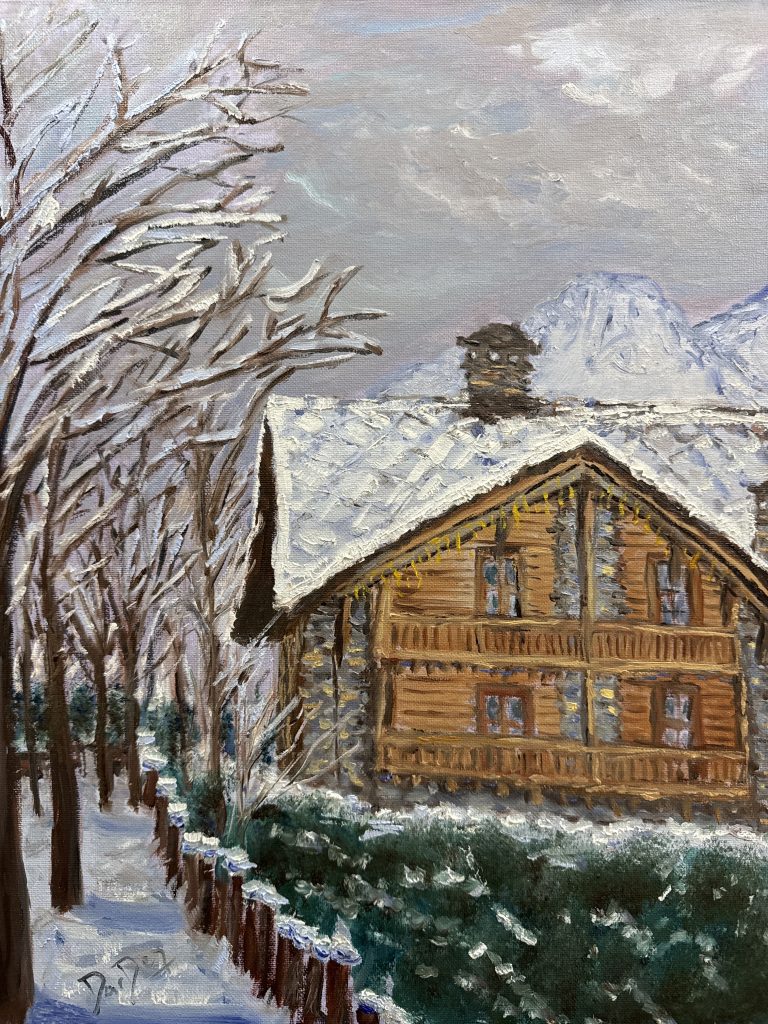
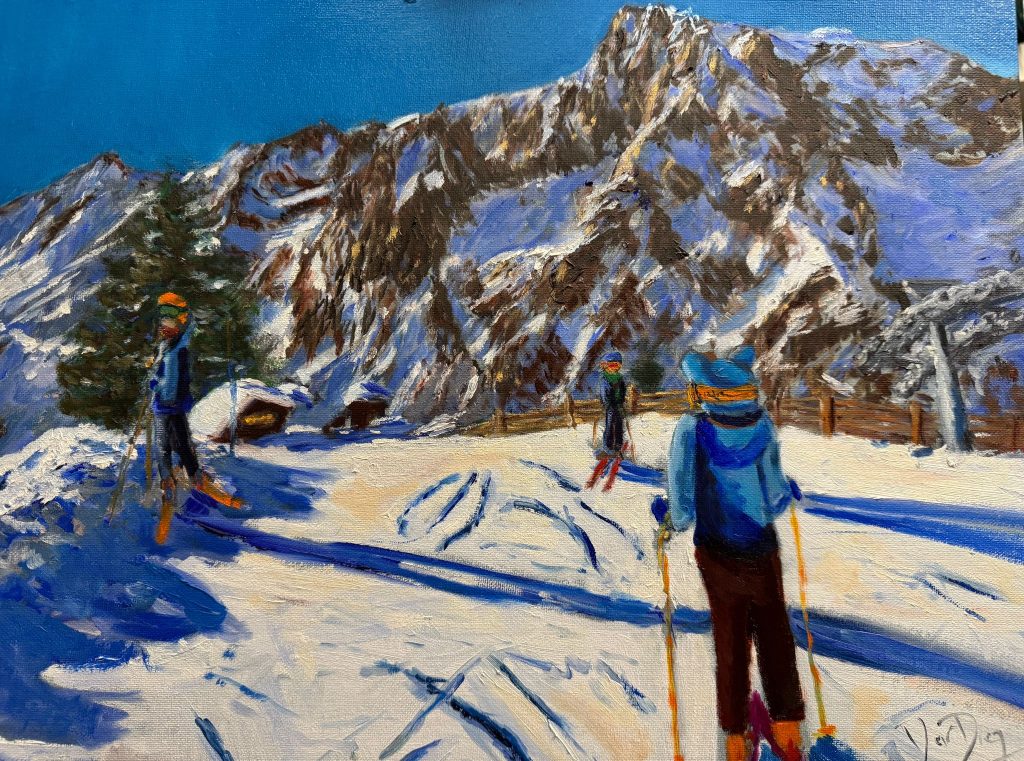
Check my Mountain Art on my Shop
You can go to my shop and see what have been inspiring me lately, lots mountain landscapes in soft pastels, and now in oils too. Go here to check my latest works!
Featured Image: Pic de la Meije. Photo: Eusebius. Wikipedia.


Discover more from The-Ski-Guru
Subscribe to get the latest posts sent to your email.
 Subscribe to The-Ski-Guru here.
You must be logged in to post a comment.