

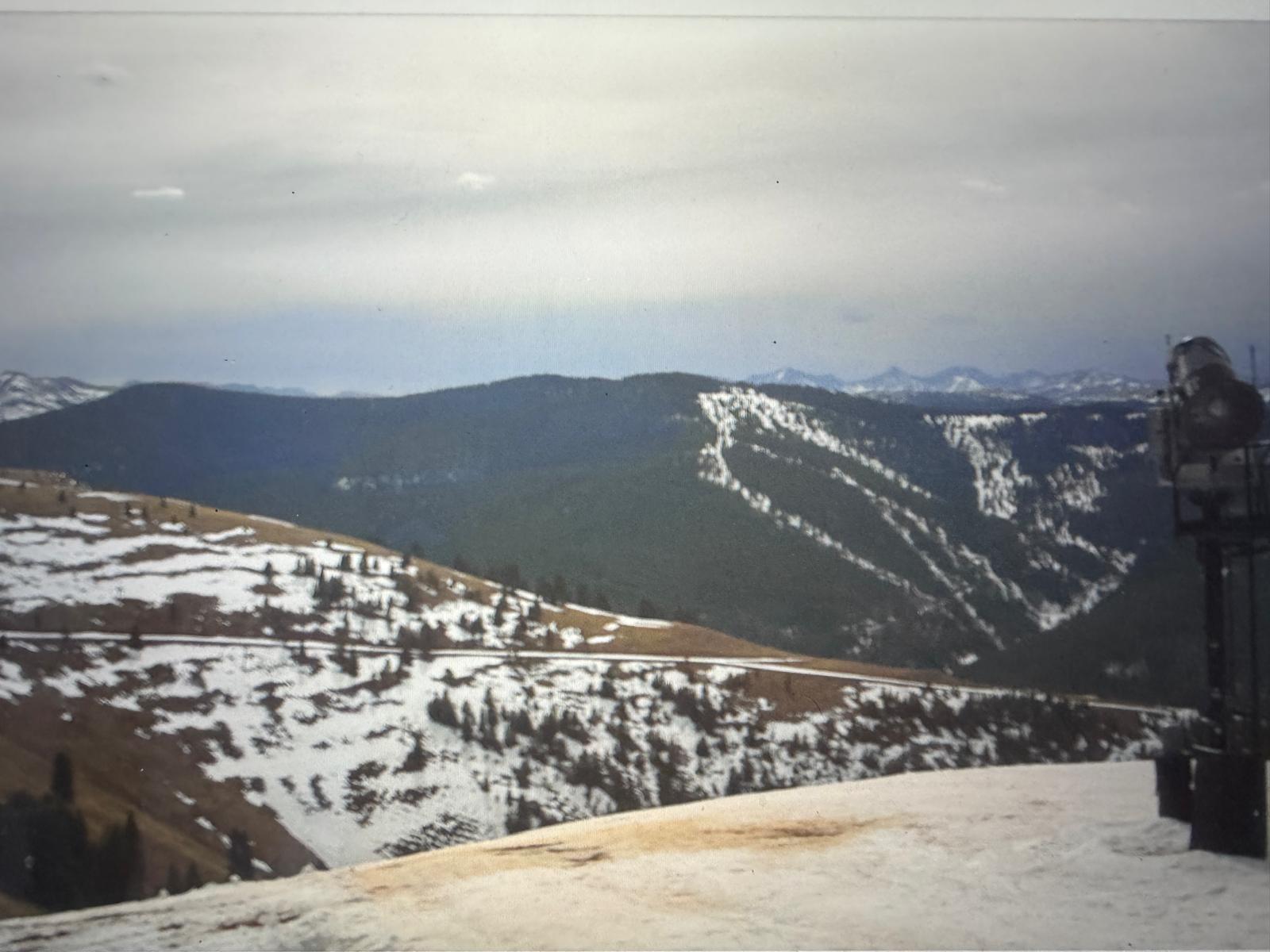
Record heat is forcing ski resorts in North America to close early or operate with severely reduced terrain — highlighting growing pressure on the ski season.
At resorts operated by Vail Resorts, reports indicate that less than 20% of terrain remained open in some areas, as temperatures surged well above seasonal norms. In some cases, snow has been redistributed or mechanically moved to maintain limited operations.
While individual warm spells are not new, the timing and intensity of these events are shifting, raising broader questions about the structure of the ski season itself.
👉 For a full overview of one of North America’s most important destinations, see our guide to skiing Whistler Blackcomb, the largest ski resort on the continent with over 8,000 acres of terrain.
A Shorter, Less Predictable Season
Spring skiing has traditionally been more stable in parts of North America, where high elevations and colder continental climates have often supported longer seasons into April and, in some cases, beyond.
In the Alps, the picture has historically been more variable. Many mid-altitude resorts have long faced the reality of closing in early April, not only because of snow conditions but also because operating late in the season is not always economically viable.
This season, Alpine conditions have in some cases held up better than in North America. But that contrast highlights an important point: season length is not determined by snow alone. It is shaped by the balance between conditions, demand, and operating costs.
Even in North America, where longer seasons have traditionally been more reliable, this balance is shifting. Resorts such as Crested Butte Mountain Resort have in recent years adjusted closing dates earlier, reflecting not only snow conditions but also staffing challenges and cost structures following the pandemic.
At operators like Vail Resorts, which manage large portfolios and are accountable to shareholders, late-season operations are increasingly evaluated through a financial lens. Periods of lower demand do not always justify the cost of keeping terrain open.
In that sense, the end of the ski season is increasingly a business decision as much as a climatic one.
Why Late-Season Snow Matters More Than It Seems
The late season plays a disproportionate role in ski tourism economics. March and April have traditionally combined school holiday demand, longer stays, and favourable weather conditions, creating a period that is both commercially important and operationally efficient.
When spring conditions deteriorate quickly, this balance is disrupted. Resorts face reduced operating days at the same time as costs increase, particularly where snow has to be actively managed through grooming or redistribution. Staffing and logistics become harder to plan, and the margin that late season operations are expected to deliver can quickly erode.
Alps vs North America: Different Models, Same Pressure
While both regions are affected by warming trends, the structure of their ski industries differs significantly.
North America has developed around large-scale operators such as Vail Resorts and Alterra, with centralised pass systems and a strong reliance on destination travel. This model has historically benefited from longer and more predictable spring seasons.
The Alps, by contrast, remain more fragmented, with a mix of regional lift systems and independent operators. Demand is more heavily driven by domestic and short-haul markets, and there is a wider variation in altitude between resorts. As a result, earlier closures have long been part of the operating reality in many areas, often driven as much by economic viability as by snow conditions.
What is now becoming visible is a convergence of pressures. North America, which has traditionally relied on longer seasons, is showing signs of greater vulnerability to sudden disruption, while the Alps continue to operate within a more variable but familiar late-season framework.
The Illusion of Snow Security
High-altitude resorts are often considered more resilient to warming trends. Elevation remains an advantage, but recent events highlight an important distinction.
Snow depth does not guarantee snow durability.
This raises a broader question about how “snow-sure” destinations are defined in practice 👉 Snow Sure Ski Resorts: How Much Truth is There?
Rapid temperature increases can accelerate melt rates, weaken the snowpack, and degrade surface conditions. Even where coverage remains, ski quality can deteriorate quickly, affecting both safety and the overall visitor experience.
What This Means for the Alps
The Alps are not experiencing the same degree of early closures seen in parts of North America, but the underlying pressures are similar.
Recent winters have already shown freezing levels rising above 3,000 metres, rain events at traditionally snow-reliable elevations, and Saharan dust episodes accelerating melt.
👉 Snow Conditions in a Warming Alpine Climate
These patterns suggest that while Alpine resorts benefit from altitude range and infrastructure, they are operating within the same evolving climate system. The difference is not immunity, but timing and degree of impact.
A Shift in Skier Behaviour
As conditions become less predictable, skier behaviour is also evolving. There is increasing evidence of shorter booking windows, more last-minute decisions, and a growing tendency to respond to real-time snow conditions rather than fixed seasonal planning.
This makes detailed resort planning increasingly important, particularly for long-haul destinations such as Whistler. See our Whistler ski resort guide for a full overview of access, terrain and where to stay.
For tour operators and destinations, this introduces additional complexity. Pricing strategies become harder to stabilise, demand becomes more volatile, and traditional booking cycles begin to weaken. This is particularly significant for long-haul markets, where advance planning has historically been essential.
Not a Single Event — But a Direction of Travel
Extreme heat events alone do not define a season. Strong snowfall years and colder periods will continue to occur.
However, what is changing is the frequency and impact of disruption within the season.
The future of skiing may depend less on how much snow falls, and more on how long it lasts.

 Planning your next trip to the Italian Alps?
 Planning your next trip to the Italian Alps?
If you’re heading to the Aosta Valley, take a look at Il Cuore della Valdigne, our family-owned apartment in Morgex, available for rent when we’re not using it ourselves.
It’s an ideal base to:
- Ski in Courmayeur, La Thuile and Pila
- Enjoy the mountains in summer (hiking, biking, nature)
- Explore the Mont Blanc valley in a quieter, more authentic setting.
 Ski in Courmayeur,
 Enjoy the mountains in summer (hiking, biking, nature)
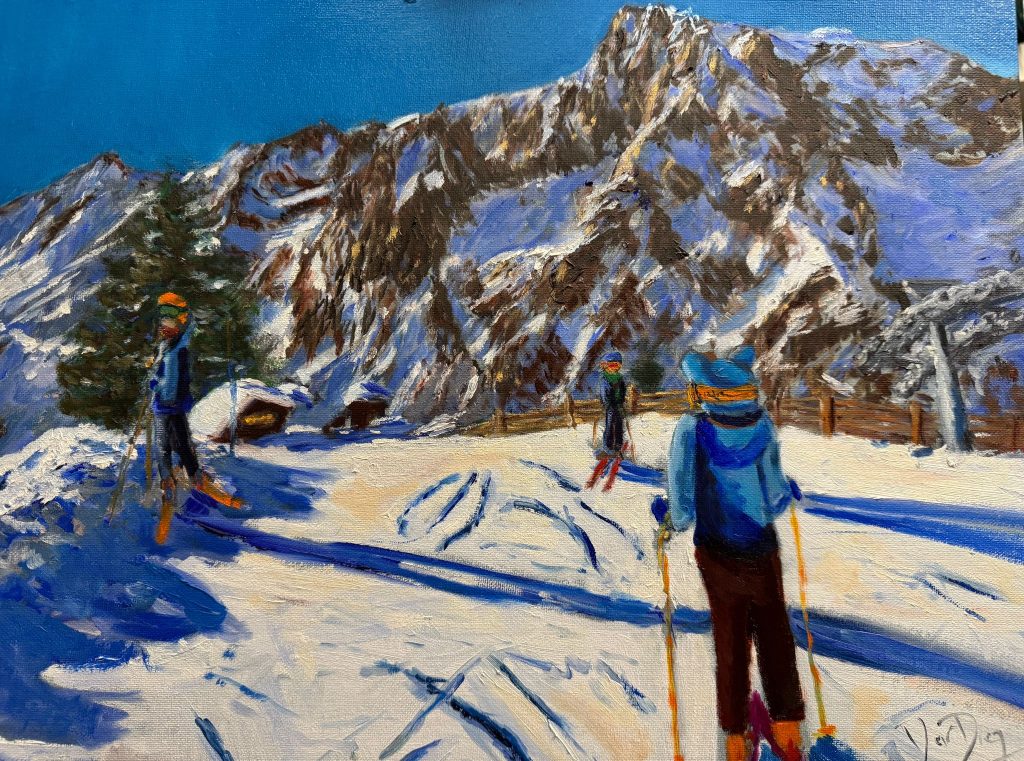
Check my Mountain Art on my Shop
You can go to my shop and see what have been inspiring me lately, lots mountain landscapes in soft pastels, and now in oils too. Go here to check my latest works!
Featured Image: Sun Up Bowl view – Vail Resort webcam. 31 March, 2026.


Discover more from The-Ski-Guru
Subscribe to get the latest posts sent to your email.
 Subscribe to The-Ski-Guru here.
You must be logged in to post a comment.