

For more than a decade, one of the defining trends in the ski industry has been consolidation.
Large operators have expanded across North America and increasingly into Europe. Vail Resorts, Alterra Mountain Company, Compagnie des Alpes, Mountain Capital Partners and other groups have acquired resorts, developed pass alliances and built networks that span multiple destinations.
For many ski areas, access to capital has become essential. New lifts, snowmaking systems, mountain restaurants, summer attractions and employee housing projects often require investments that smaller operators struggle to fund.
This article is not arguing that local ownership is replacing consolidation. Rather, it examines a handful of recent examples where communities and local stakeholders have sought greater influence over the future of their ski resorts.
While consolidation remains the dominant trend, a small number of destinations are asking a different question:
Who should own the mountains?
The Era Of Ski Industry Consolidation
The modern ski industry increasingly operates at a global scale.
In North America, Vail Resorts transformed the industry through the Epic Pass, creating a network that stretches from Colorado to the Alps and Australia. Alterra Mountain Company followed with the Ikon Pass, bringing together independently owned resorts under a shared pass product.
In Europe, Compagnie des Alpes has become one of the largest mountain tourism operators in the world, managing some of France’s best-known ski destinations. At the same time, investors and private equity groups have shown growing interest in mountain tourism assets.
Supporters argue that larger operators bring expertise, marketing power and investment capacity. Major infrastructure projects often depend on access to significant capital.
Critics worry that local communities can lose influence over decisions that shape their economic future.
The debate is not simply about ownership. It is about who decides how mountain destinations evolve.
For more on this trend, read Global Ski Industry Consolidation: Europe’s Alternative To The North American Model.
LAAX: Keeping The Mountain In Local Hands
One of the clearest examples of local pushback emerged in Switzerland.
In 2025, the municipalities of Flims, Laax and Falera voted overwhelmingly to acquire the infrastructure of the Weisse Arena ski area, home to the internationally renowned LAAX resort.
The municipalities agreed to purchase lifts, avalanche protection systems, restaurants and other mountain infrastructure while leaving resort operations in professional hands.
More than 85% of voters supported the proposal.
The decision was widely interpreted as an effort to ensure that strategic control of the mountain remained local, rather than potentially passing into the hands of outside investors in the future.
Supporters argued that local ownership would allow communities to maintain influence over long-term planning, infrastructure investment and environmental priorities.
Tignes: A Different Route To Local Control
Switzerland is not alone.
In France, Tignes recently chose not to renew the long-standing operating agreement held by Compagnie des Alpes. Instead, the municipality established a new public company to manage the ski area.
The circumstances differ from LAAX, but both cases reflect a broader desire to maintain local influence over critical mountain infrastructure.
For a detailed look at that story, read Why Tignes Is Taking Back Control Of Its Ski Area Management.
Eldora And Nederland: A Colorado Experiment
The debate is not limited to Europe.
In Colorado, the Town of Nederland reached an agreement to acquire Eldora Mountain Resort from POWDR.
Local leaders argued that ownership could help align the ski area’s future with community priorities, including housing, transportation, sustainability and year-round economic development.
The transaction attracted attention because it represented a rare example of a municipality seeking direct ownership of a ski resort in North America.
Whether the model succeeds remains to be seen, but it demonstrates that concerns about local control are not confined to the Alps.
The Park City Debate
Questions about ownership have also surfaced in Park City.
Entrepreneur Matthew Prince, founder of Cloudflare and a Park City resident, has publicly argued that local ownership could offer an alternative future for Park City Mountain.
His comments emerged amid broader debates over housing affordability, community identity and the relationship between large corporate resort operators and the towns that host them.
There is little indication that Vail Resorts intends to sell Park City Mountain. Nevertheless, the discussion highlights how questions about ownership are increasingly becoming part of wider conversations about the future of mountain communities.
Independent Resorts Still Exist
Not every alternative to consolidation involves municipal ownership.
Colorado’s Monarch Mountain remains one of North America’s best-known independent ski areas. Unlike many larger destinations, Monarch has remained outside the major corporate ownership groups and continues to operate under a more traditional model.
Similarly, many resorts within the Indy Pass network have chosen to retain their independence rather than become part of larger resort portfolios.
Their continued existence demonstrates that not every ski area sees consolidation as the only path forward.
The Verbier Question
Ownership debates are not limited to resorts that have already changed hands.
In Switzerland, speculation in recent years that Verbier could eventually become a target for acquisition by a major international operator generated considerable discussion within the mountain community.
No sale ultimately took place, and Téléverbier publicly denied reports that Vail Resorts was acquiring the company.
Yet the reaction itself was revealing.
The debate highlighted concerns among some local stakeholders about foreign ownership, local control and the future governance of major Alpine destinations.
Why Ownership Matters More In A Changing Climate
The debate over ownership becomes even more important as mountain destinations face growing environmental and economic pressures.
Climate change is forcing resorts to make increasingly complex decisions about snowmaking, infrastructure investment, summer tourism and long-term viability.
At the same time, rising property values and growing tourism demand are reshaping many mountain communities.
Those pressures raise important questions.
Who should decide how a resort adapts?
Who should determine investment priorities?
Who benefits from the success of mountain tourism?
As explored in Climate & Snow Conditions, Climate Change & Mountains and Mountain Infrastructure Risk, the next two decades could transform the economics of mountain tourism.
Ownership structures may play an important role in determining how destinations respond.
Not A Reversal Of Consolidation — But A Sign Of Resistance
It would be wrong to suggest that local ownership is replacing consolidation.
The ski industry continues to be shaped by large operators, global pass products and significant investment flows.
Most destinations still depend on access to substantial capital to remain competitive.
Yet the examples of LAAX, Tignes, Eldora and the discussions taking place in places such as Park City and Verbier suggest that some communities are questioning whether ski resorts should be viewed solely as tourism businesses.
For many mountain towns, ski areas are also strategic community assets that influence employment, housing, transportation, environmental policy and local identity.
The recent push for local control remains limited, but it reflects a broader conversation about the future of mountain destinations.
As the ski industry continues to consolidate, some communities are making it clear that ownership still matters.
Read More
Global Ski Industry Consolidation: Europe’s Alternative To The North American Model
Why Tignes Is Taking Back Control Of Its Ski Area Management
What Is A Glacial Lake Outburst Flood? The Risk Facing Mountain Communities From Canada To The Alps
Sources
- Swissinfo – LAAX / Weisse Arena municipal acquisition
https://www.swissinfo.ch/eng/swiss-politics/swiss-municipalities-agree-to-take-over-weisse-arena-ski-area/90230722 - SRF – Foreign investment and Alpine ownership debate
https://www.srf.ch/radio-srf-1/verkauf-der-schweizer-berge-investoren-im-alpenraum-chance-oder-ausverkauf - Compagnie des Alpes – Tignes concession expiry
https://news.compagniedesalpes.com/expiry-dsp-tignes/ - Axios – Nederland acquisition of Eldora Mountain Resort
https://www.axios.com/local/boulder/2025/07/09/nederland-buys-eldora-boulder-county-ski-area - Colorado Sun – Matthew Prince and Park City ownership debate
https://coloradosun.com/2026/06/05/matthew-prince-park-city-vail-resorts/ - Storm Skiing Journal – Discussion around Swiss ownership and Verbier speculation
https://www.stormskiing.com/p/epic-pass-tweaks-swiss-network-with
Planning your next trip to the Italian Alps?
If you’re heading to the Aosta Valley, take a look at Il Cuore della Valdigne, our family-owned apartment in Morgex, available for rent when we’re not using it ourselves.
It’s an ideal base to:
- Ski in Courmayeur, La Thuile and Pila
- Enjoy the mountains in summer (hiking, biking, nature)
- Explore the Mont Blanc valley in a quieter, more authentic setting.
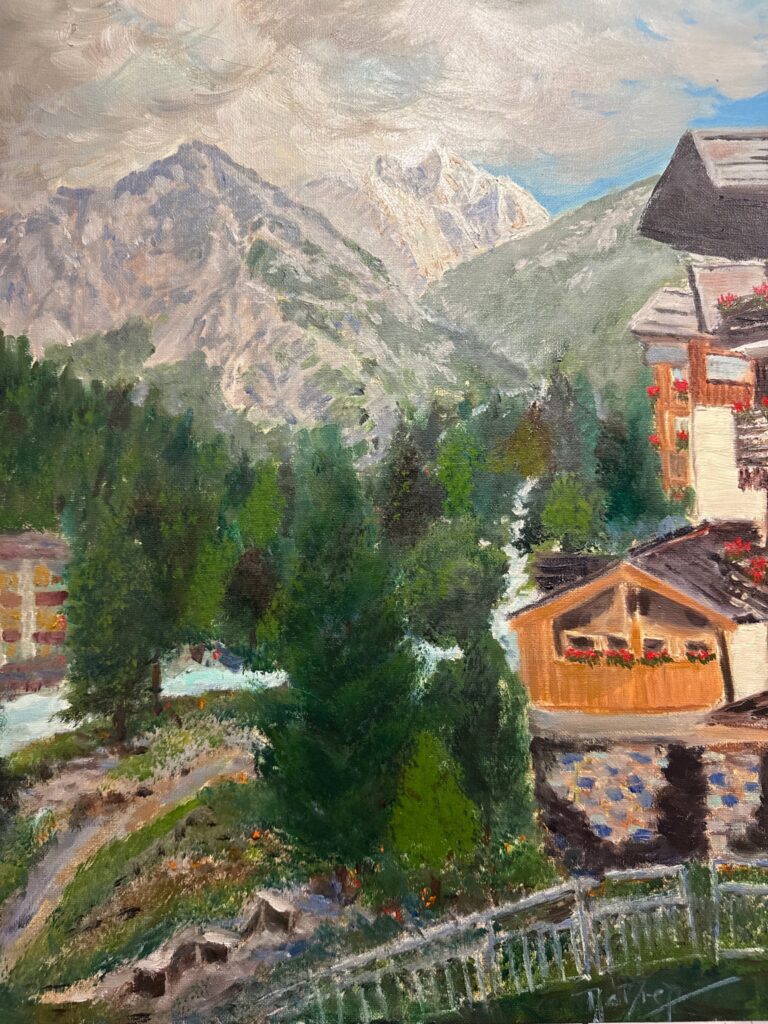
Check my Mountain Art on my Shop
You can go to my shop and see what have been inspiring me lately, lots mountain landscapes in soft pastels, and now in oils too. Go here to check my latest works!

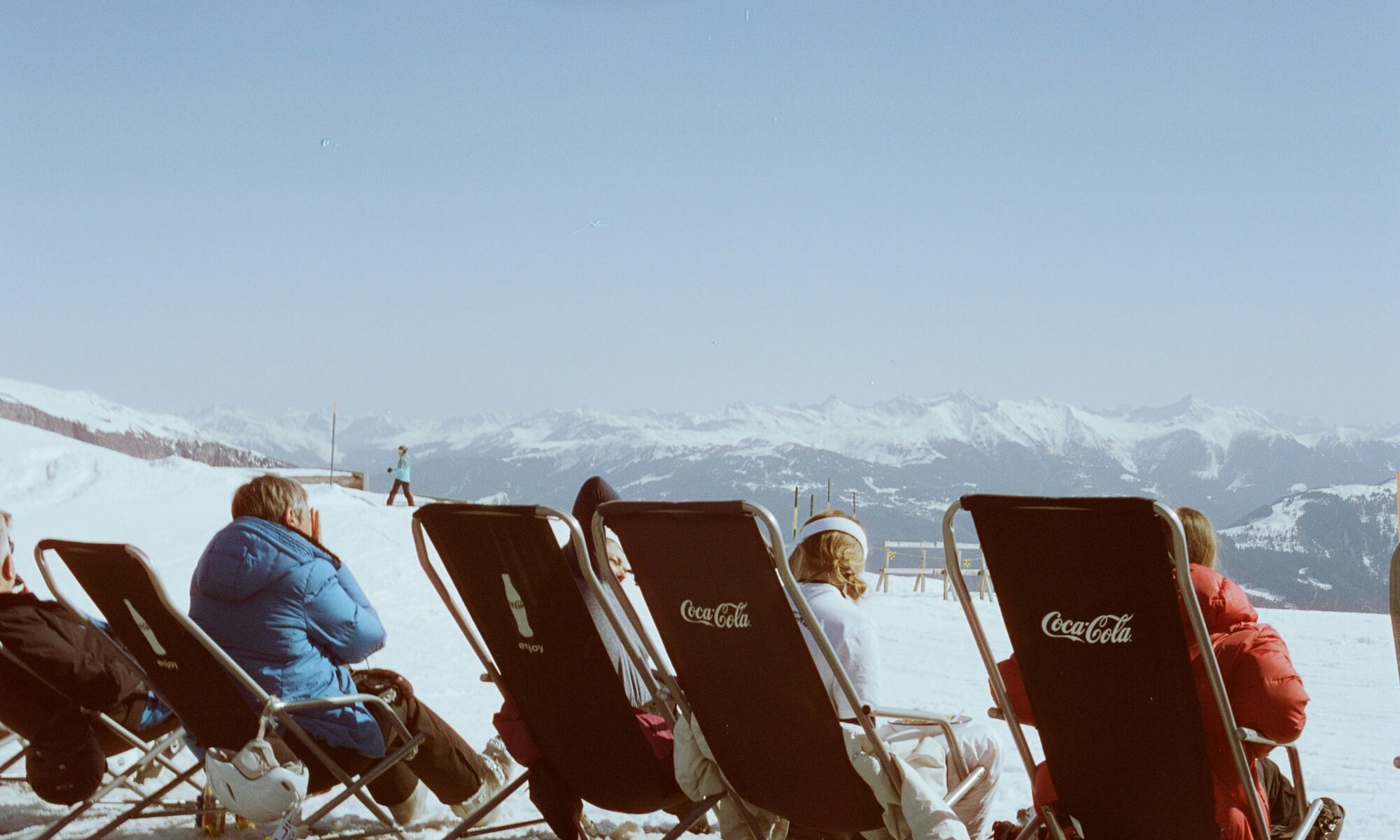
Featured Image: Flims Laax Falera photo: Irvin Aloise/Unsplash.


Discover more from The-Ski-Guru
Subscribe to get the latest posts sent to your email.
 Subscribe to The-Ski-Guru here.