

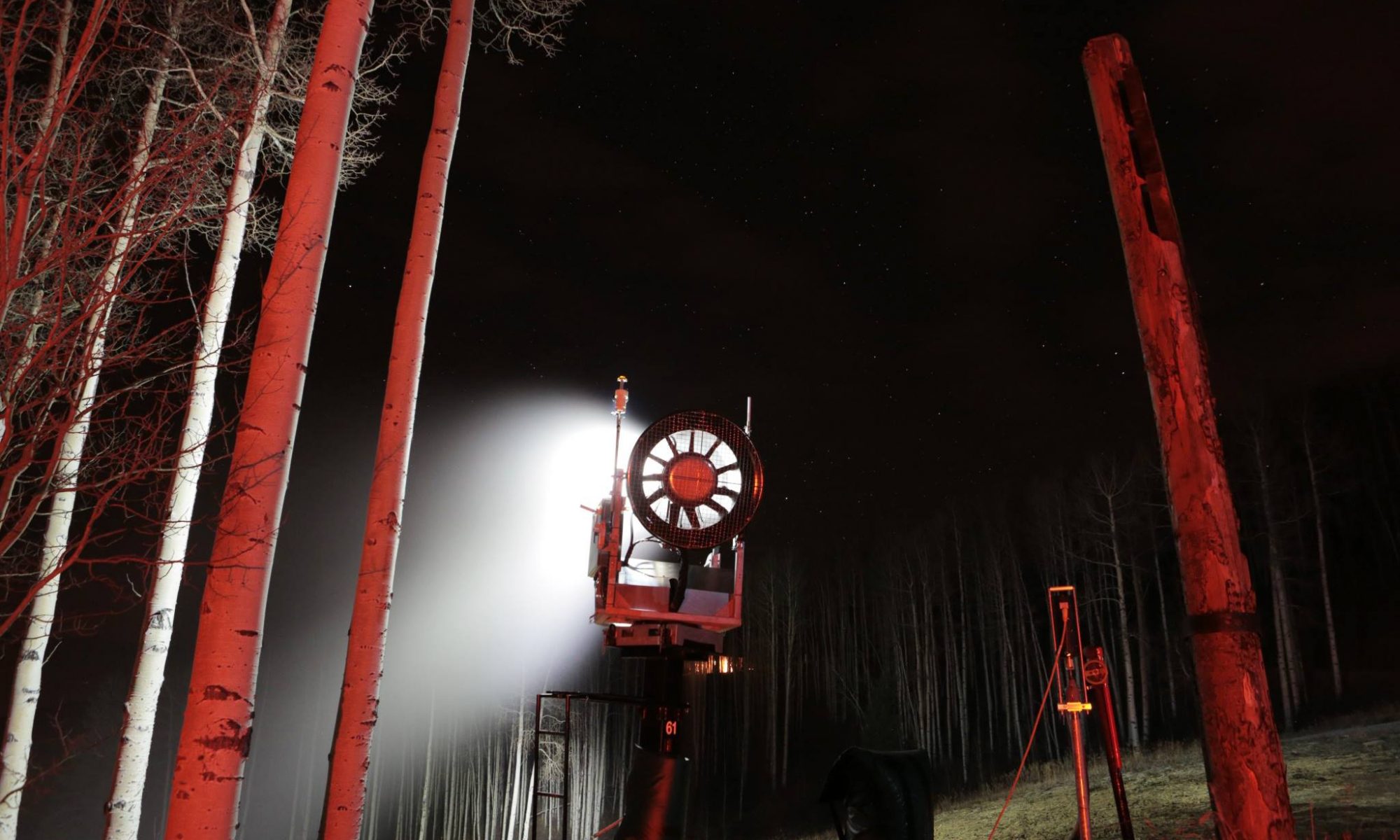
Colorado’s 2025/26 ski season will undoubtedly be remembered as one of the most challenging in recent history. Low snowfall, unusually warm temperatures and an early snowmelt created difficult conditions across much of the state, prompting renewed debate about the future of skiing in a warming climate.
A recent investigation by The Denver Post examines how climate change contributed to one of Colorado’s poorest snow seasons on record and explores what this could mean for the ski industry going forward.
The findings are certainly thought-provoking, but they should also be viewed in context.
Colorado Remains One of the World’s Great Ski Destinations
For decades, Colorado has built its reputation on exceptional terrain, high elevations, modern lift infrastructure and some of North America’s most reliable snow conditions.
One poor winter does not erase those advantages.
Many of the state’s resorts sit above 3,000 metres (10,000 feet), with several peaks rising well above 4,000 metres. These elevations continue to offer natural advantages that many ski destinations around the world simply cannot match.
At the same time, the ski industry has never stood still.
Over the past twenty years, Colorado resorts have invested billions of dollars in lift upgrades, snowmaking systems, mountain improvements, guest experience and year-round tourism. Those investments are proving increasingly valuable as weather patterns become less predictable.
Climate Change Is Becoming Part of the Business Conversation
The interesting aspect of the Denver Post investigation is not simply that Colorado experienced a poor winter.
Scientists are becoming increasingly confident in measuring how climate change influences individual weather events.
Research highlighted in the article concludes that human-induced climate change made an extreme snow drought like the one experienced during the 2025/26 season significantly more likely across the western United States, with an even greater impact in the Upper Colorado River Basin.
That doesn’t mean every future winter will be poor.
Snowfall has always fluctuated naturally, and Colorado has experienced outstanding seasons immediately following weaker ones. Skiers know better than anyone that no two winters are ever alike.
What the research suggests is that exceptionally challenging seasons may become more frequent over time.
For the ski industry, that distinction is important.
Adaptation Is Already Underway
Perhaps the biggest takeaway is that adaptation is no longer a future discussion—it is already happening.
Snowmaking has evolved from an early-season convenience into an essential operational tool.
Many resorts are expanding water storage capacity, improving energy efficiency, modernising snowmaking equipment and diversifying their year-round business through mountain biking, hiking, festivals, alpine attractions and wellness experiences.
These investments aren’t simply responses to climate change—they also make ski destinations stronger, more resilient businesses.
What This Means for Ski Travellers
For skiers and snowboarders, the message isn’t to stop planning trips to Colorado.
Instead, it reinforces several trends that have been developing for years.
Travellers may increasingly favour:
- Higher-elevation resorts
- Mid-winter travel dates rather than early or late season
- Flexible booking options
- Destinations with extensive snowmaking capabilities
- Resorts offering year-round activities beyond skiing
These are already influencing purchasing decisions in North America and Europe alike.
Looking Beyond Colorado
Colorado is not alone.
Virtually every mountain destination—from the Alps to the Andes, Japan and New Zealand—is investing in climate adaptation, infrastructure improvements and four-season tourism.
The future of mountain travel is likely to depend on a combination of natural snowfall, technological innovation and sustainable destination management.
The strongest resorts won’t necessarily be those that receive the most snow every year.
They will be those that adapt most effectively.
Final Thoughts
Colorado’s difficult 2025/26 season should not be interpreted as the beginning of the end for skiing.
Rather, it serves as another reminder that the mountain tourism industry is evolving.
The resorts that continue investing in infrastructure, snowmaking, sustainability and year-round experiences are positioning themselves to remain competitive regardless of what future winters may bring.
For travellers, Colorado remains one of the world’s premier ski destinations.
For the industry, however, the conversation is shifting—from simply waiting for snow to actively preparing for whatever the next winter delivers.
Sources: The Denver Post – “Colorado’s Low Snowfall, Climate Change and the Future of Skiing”; research referenced from the Colorado School of Mines and the Proceedings of the National Academy of Sciences.
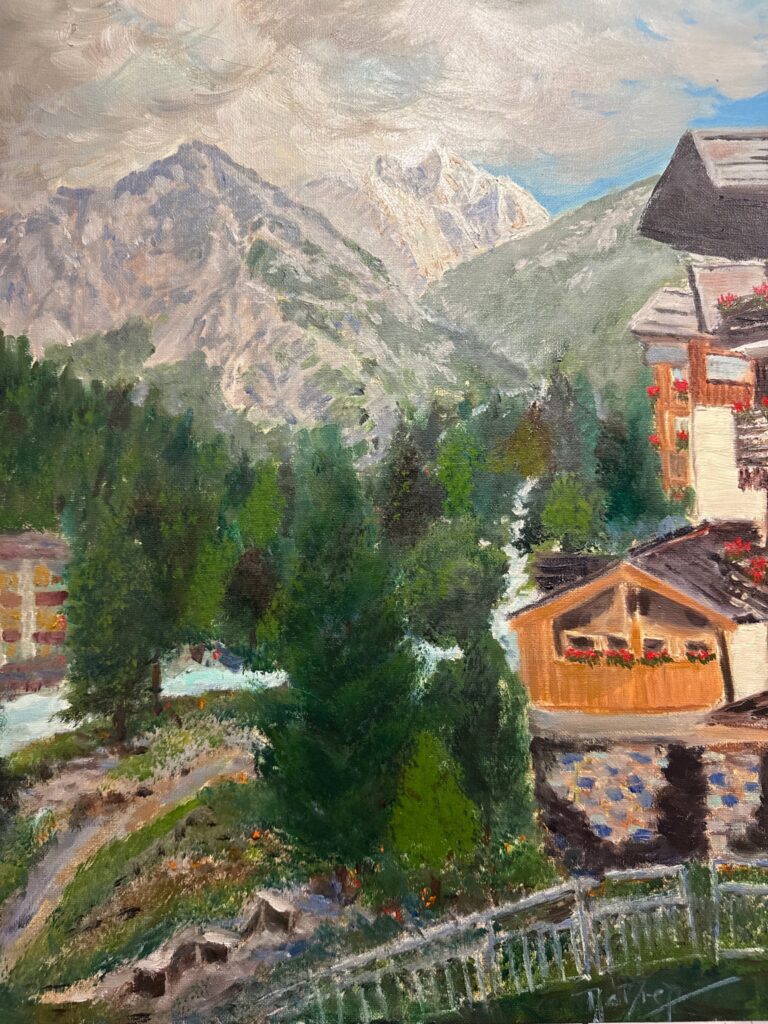
Madonna di Campiglio – after the storm. See the painting in my shop here.Changing seasons in Courmayeur. Oil on board. In my shop here.
Planning your next trip to the Italian Alps?
If you’re heading to the Aosta Valley, take a look at Il Cuore della Valdigne, our family-owned apartment in Morgex, available for rent when we’re not using it ourselves.
It’s an ideal base to:
- Ski in Courmayeur, La Thuile and Pila
- Enjoy the mountains in summer (hiking, biking, nature)
- Explore the Mont Blanc valley in a quieter, more authentic setting.
Check my Mountain Art on my Shop
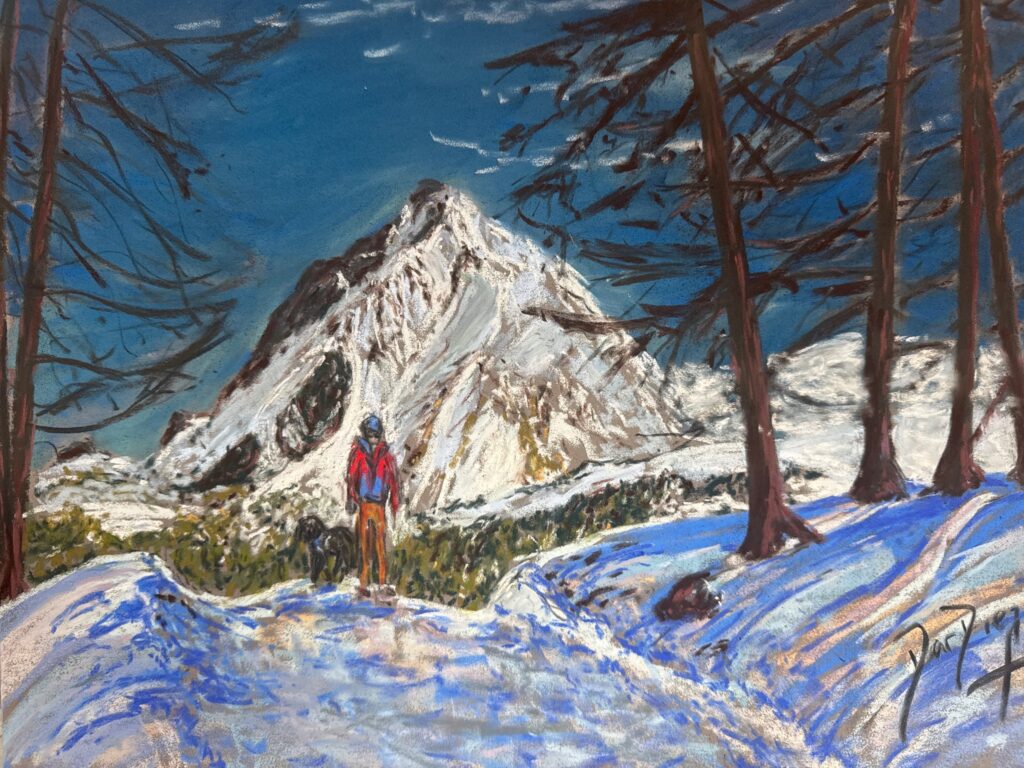
You can go to my shop and see what have been inspiring me lately, lots mountain landscapes in soft pastels, and now in oils too. Go here to check my latest works!


Discover more from The-Ski-Guru
Subscribe to get the latest posts sent to your email.
 Subscribe to The-Ski-Guru here.