

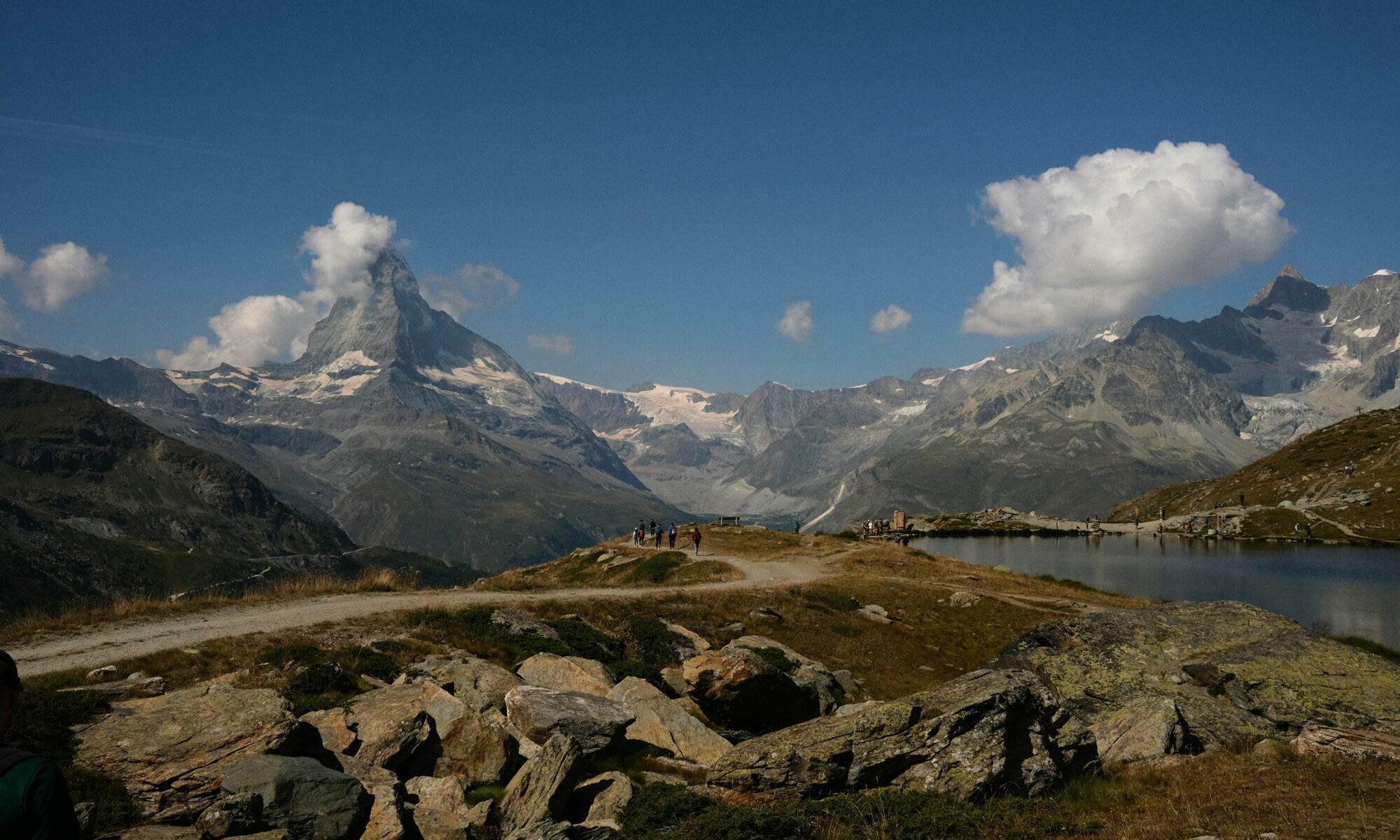
The Matterhorn is currently experiencing one of its most challenging summer periods in recent years, with mountain guides warning that extreme heat has made climbing conditions unusually dangerous.
Following Wednesday’s major rockfall from the mountain’s south face, guides on both the Italian and Swiss sides are adopting an increasingly cautious approach as geologists continue to assess the stability of the mountain.
Why Are Climbs Being Suspended?
The issue is not simply the high air temperatures.
According to mountain guides and geologists, weeks of exceptional heat have raised temperatures deep inside the mountain itself, accelerating the thawing of permafrost—the permanently frozen ground that acts as natural cement, holding fractured rock together.
As the permafrost melts, sections of rock become less stable, increasing the risk of rockfalls even in normally reliable climbing terrain. Recent reports indicate that rock temperatures are comparable to those recorded during the exceptional summer of 2022, another year marked by widespread Alpine instability.
Current Situation on the Matterhorn
Following this week’s major rockfall, guides are not leading climbs on the Italian Lion Ridge (Cresta del Leone) while safety inspections continue.
Authorities and mountain professionals are evaluating the stability of the affected areas before deciding when climbing can safely resume. The situation may change daily depending on temperatures, weather conditions and geological assessments.
Although the Swiss Hörnli Ridge is normally the standard route during the summer climbing season, guides emphasise that conditions can change rapidly during periods of extreme heat and that climbing decisions are made based on daily assessments rather than the calendar alone.
Summer Heat Is Affecting the Entire Alps
The Matterhorn is not an isolated case.
Across the Alps, the same prolonged heatwave has caused:
- the early end of summer skiing in Zermatt–Cervinia;
- the closure of the Aiguille du Midi ice tunnel in Chamonix;
- record glacier melt in Italy’s Aosta Valley;
- continued monitoring of the Planpincieux Glacier near Courmayeur.
Scientists say the zero-degree isotherm has repeatedly climbed above 5,500 metres, exposing even the highest Alpine peaks to above-freezing temperatures and accelerating glacier melt while destabilising frozen rock.
Can You Still Visit the Matterhorn?
Yes.
Cable cars, hiking trails and sightseeing attractions may continue operating depending on local conditions, but technical mountaineering routes are a different matter.
Anyone planning to climb the Matterhorn should consult a certified mountain guide and check the latest official information before travelling, as climbing recommendations and route closures may change at short notice.
Where to Check Current Conditions
Before attempting any high-altitude climb, consult the official sources:
- Matterhorn Paradise (Zermatt Bergbahnen) – lift operations and mountain information.
- Cervino Ski Paradise – Italian-side lift and resort updates.
- Società Guide del Cervino – local guide information and climbing advice.
- Meteo Valle d’Aosta – mountain weather forecasts.
- Meteo Swiss – Zermatt weather forecast
- Météo-Alpes and Météo-France Montagne – forecasts for the French Alps.
Read More:
Weisshorn Hanging Glacier Accelerates Above Randa on the Approach to Zermatt
https://www.the-ski-guru.com/2026/08/26/weisshorn-hanging-glacier-randa-zermatt/
Planning your next trip to the Italian Alps?
If you’re heading to the Aosta Valley, take a look at Il Cuore della Valdigne, our family-owned apartment in Morgex, available for rent when we’re not using it ourselves.
It’s an ideal base to:
- Ski in Courmayeur, La Thuile and Pila
- Enjoy the mountains in summer (hiking, biking, nature)
- Explore the Mont Blanc valley in a quieter, more authentic setting.
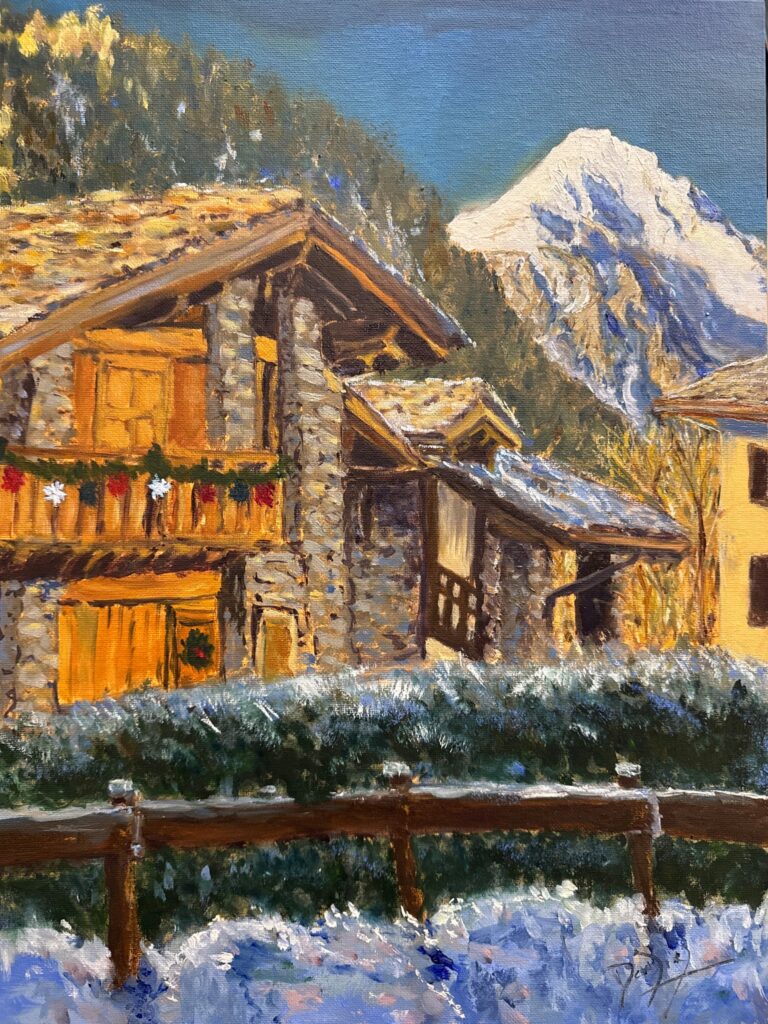
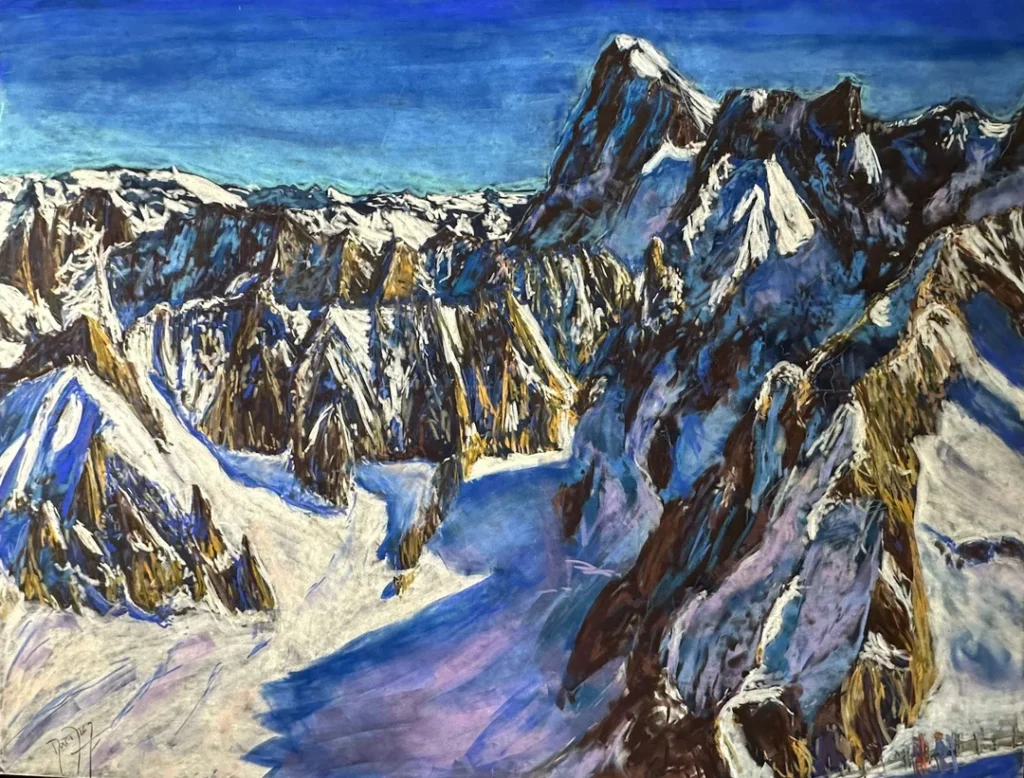
Check my Mountain Art on my Shop
You can go to my shop and see what have been inspiring me lately, lots mountain landscapes in soft pastels, and now in oils too. Go here to check my latest works!
Featured Image: The Matterhorn as seen from the Zermatt side. Photo: Kseniia Zapiatkina. Unsplash.


Discover more from The-Ski-Guru
Subscribe to get the latest posts sent to your email.
 Subscribe to The-Ski-Guru here.