Hotel des Alpes Cortina: A Family-Run Stay with Dolomite Views and Wonderful Food

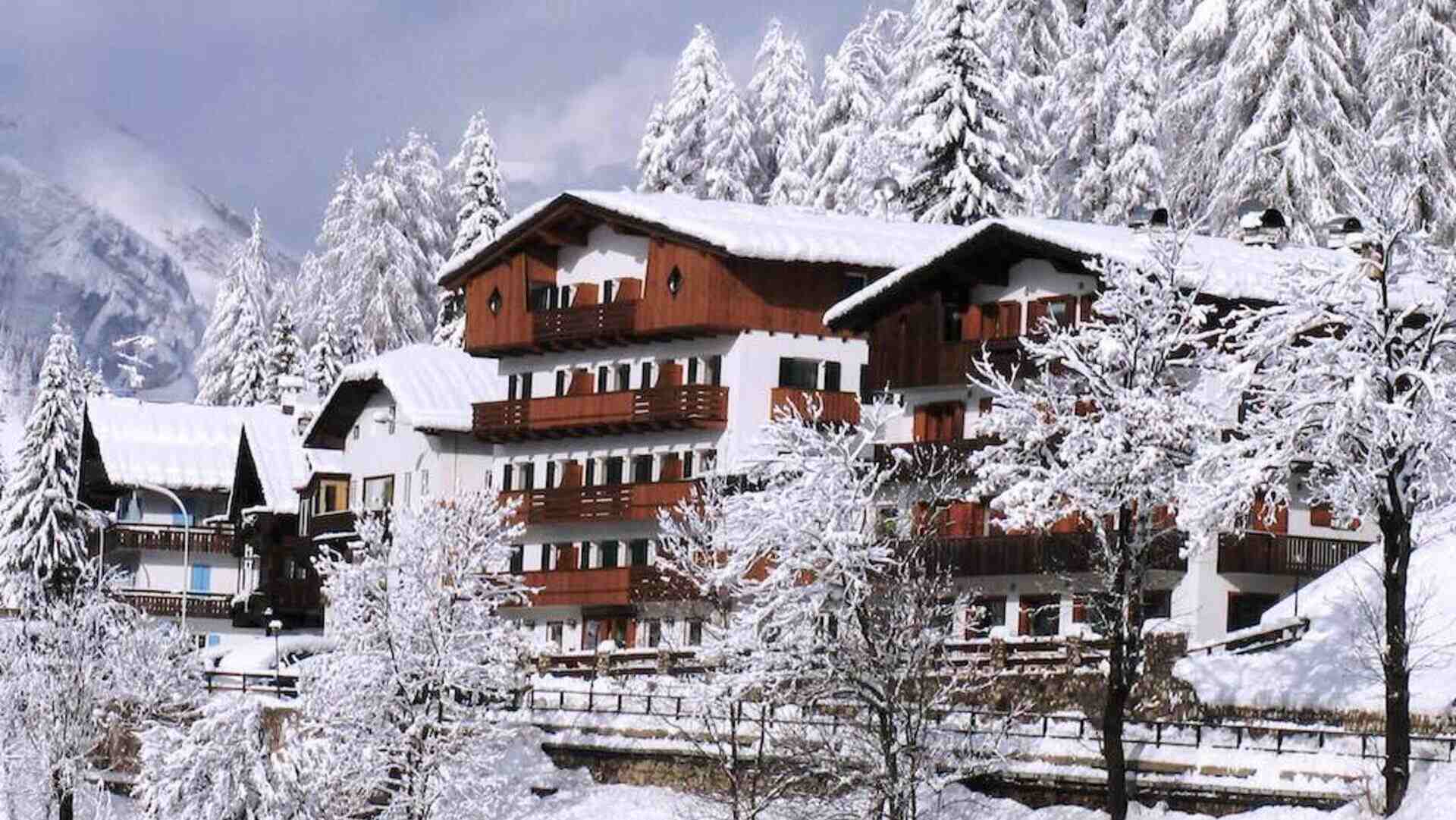
Hotel des Alpes in Cortina in winter. Photo courtesy: Hotel des Alpes Cortina.

There is something very comforting about coming back to a mountain hotel where dinner is good, the staff are kind, and you can settle in after a day out without having to organise anything else.

That was my experience at Hotel des Alpes during my recent stay in Cortina d’Ampezzo. I had dinner at the hotel every evening and breakfast there each morning, and the food and friendly service were among the things I most enjoyed.

Run by Alberto Pompanin and his family, this three-star hotel is well worth considering for a family stay in Cortina, with mountain views, a walking and cycling route beside the property, and a shuttle that makes getting into town or to the ski lifts easy.

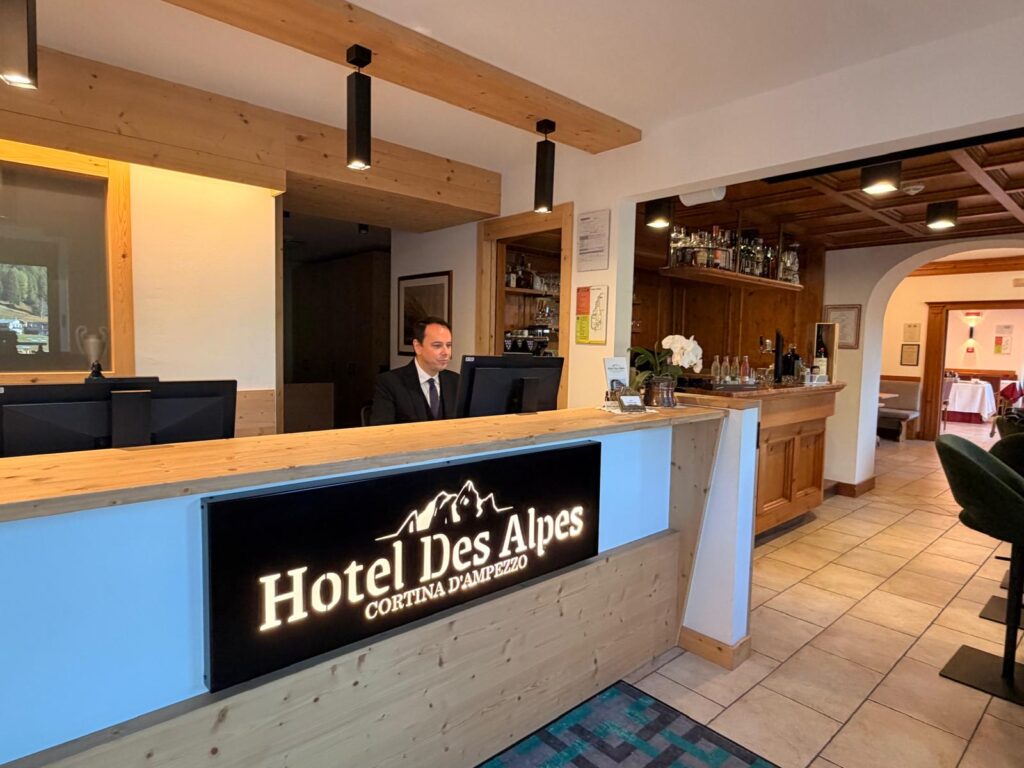
Front desk at the Hotel des Alpes. Photo: The Ski Guru.

A Valley That Makes You Stop and Look

What strikes me about Cortina is the sheer grandeur of the valley. Wherever you turn, there are mountains demanding your attention: enormous rock faces, jagged summits and views that change as you walk through town. You find yourself stopping to look up again and again.

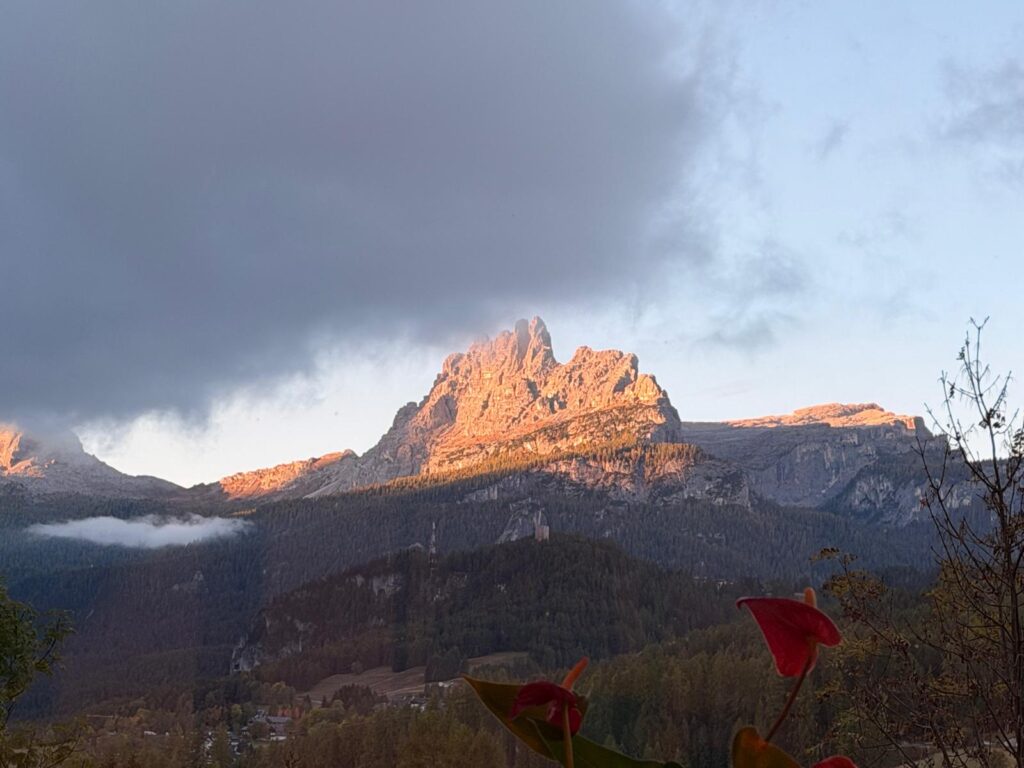
Staying at Hotel des Alpes gives you time to enjoy that setting. The front-facing rooms look towards the magnificent Tofane, while the Lunga Via delle Dolomiti beside the hotel makes it easy to head out on foot or by bike and take in more of the valley.

A window with an early morning view- sitting at the restaurant of the Hotel des Alpes Cortina. Photo: The-Ski-Guru

Continue reading “Hotel des Alpes Cortina: A Family-Run Stay with Dolomite Views and Wonderful Food”

New Capanna Carrel Officially Inaugurated on the Matterhorn at 3,830 Metres

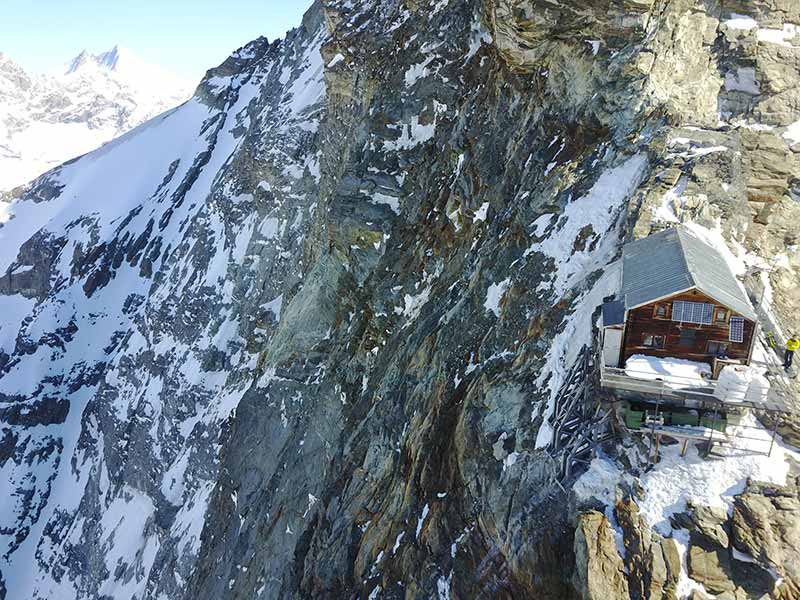
Capanna Carrel- Photo: GuidedelCervino.com

The new Capanna Carrel has been officially inaugurated on the Italian side of the Matterhorn, marking an important milestone for mountaineering safety and high-altitude infrastructure in the Aosta Valley.

The inauguration took place on 15 October 2026, at 3,830 metres above sea level, along the Lion Ridge (Cresta del Leone), the historic Italian normal route to the summit of the Matterhorn, known in Italy as the Cervino.

The ceremony brought together local and regional authorities, mountain guides, engineers and representatives of the mountaineering community.

The new mountain shelter replaces a historic structure increasingly exposed to rockfall and instability associated with the degradation of mountain permafrost.

As The-Ski-Guru reported in August 2026, the new Capanna Carrel had already been handed over to the Matterhorn mountain guides for use during the summer climbing season. The October ceremony now marks its official inauguration following the completion of the project.

Continue reading “New Capanna Carrel Officially Inaugurated on the Matterhorn at 3,830 Metres”

Paganella Prepares for Winter 2026/27 with New Snowmaking Reservoir and Dynamic Ski Pass Pricing

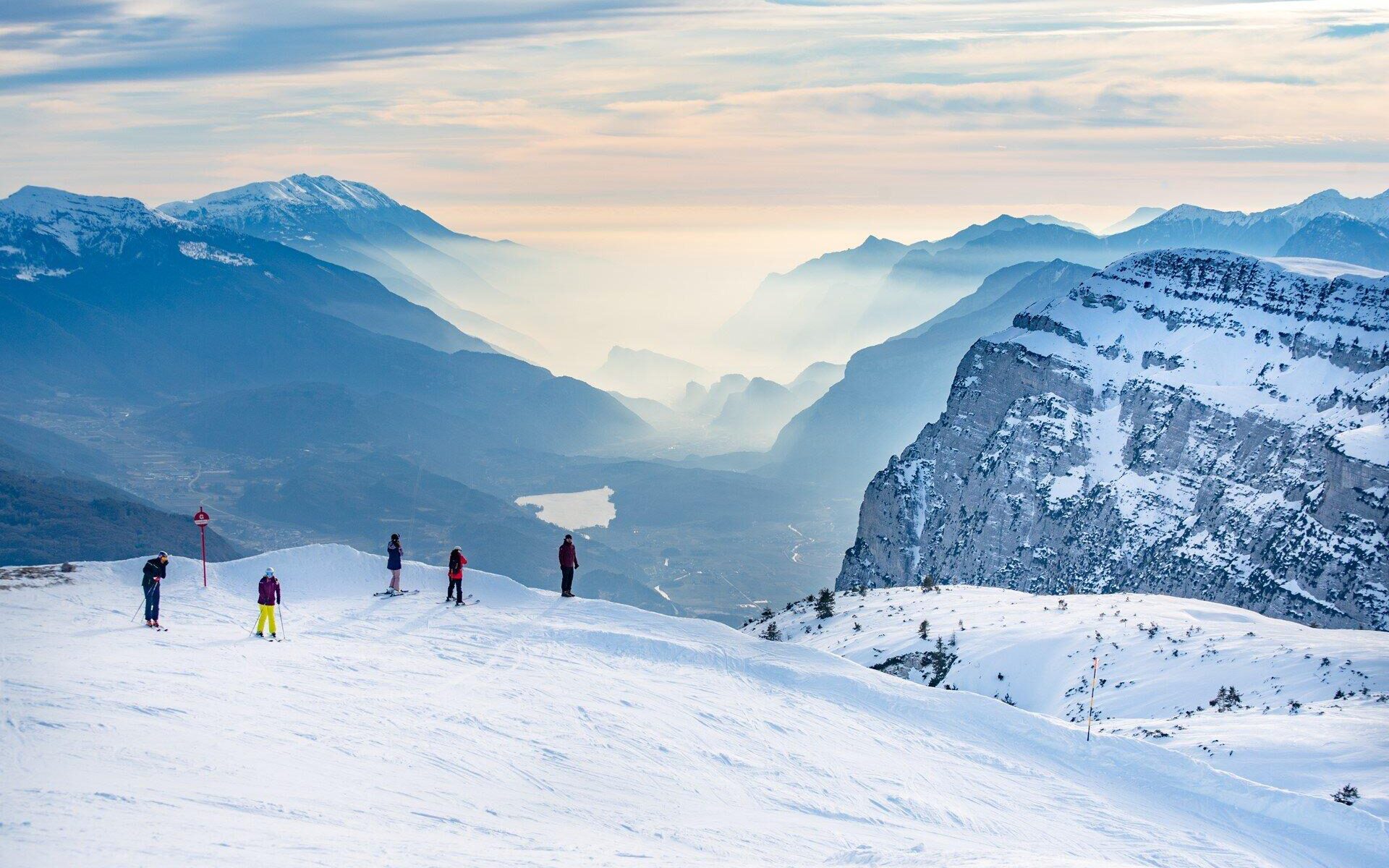
Paganella Ski in Trentino, Italy, preparing for the 2026/27 winter season

The Trentino ski resort is investing in more efficient snowmaking, improved water management and a new online pricing system, as Alpine destinations prepare for another winter in which flexibility and reliability will be essential.

Paganella Ski, in Italy’s Trentino region, has announced two important developments ahead of the 2026/27 winter season: a new high-altitude water storage reservoir designed to improve snowmaking efficiency, and the introduction of dynamic pricing for ski passes purchased online.

The changes reflect two increasingly important priorities for Alpine ski destinations: making better use of the cold-weather windows available for snow production and encouraging visitors to plan and book their ski holidays in advance.

Located above Andalo and Fai della Paganella, with spectacular views of the Brenta Dolomites, Paganella offers approximately 50 kilometres of ski slopes and has established itself as a popular destination for families, recreational skiers and international visitors.

Continue reading “Paganella Prepares for Winter 2026/27 with New Snowmaking Reservoir and Dynamic Ski Pass Pricing”

Aosta Valley Ski Pass Prices 2026/27: Cervinia, Pila, Courmayeur, La Thuile & Monterosa

Pila ski area in the Aosta Valley, Italy

Planning a ski trip to the Aosta Valley this winter? Ski pass prices for 2026/27 are now appearing across the region, but comparing them is not always straightforward.

Some resorts use traditional fixed prices while others have moved towards dynamic pricing. Children can ski free under certain conditions, beginners may not need a full ski pass at all, and some multi-day products allow you to spend part of your holiday skiing elsewhere in the Aosta Valley.

Then there are the international ski areas.

At Cervinia, paying extra for Zermatt does not necessarily guarantee that you will be able to ski into Switzerland if strong winds close the high-altitude connection. At La Thuile, meanwhile, you need to keep an eye on the clock if you cross into La Rosière and want to make it back to Italy.

Here is The-Ski-Guru’s guide to the main 2026/27 ski pass options in the Aosta Valley, covering Cervinia-Valtournenche, Pila, Courmayeur, La Thuile–La Rosière and Monterosa Ski, plus regional Valle d’Aosta passes and Ikon Pass access.

Continue reading “Aosta Valley Ski Pass Prices 2026/27: Cervinia, Pila, Courmayeur, La Thuile & Monterosa”

Pila Expands Snowmaking Reservoir as Water Debate Grows

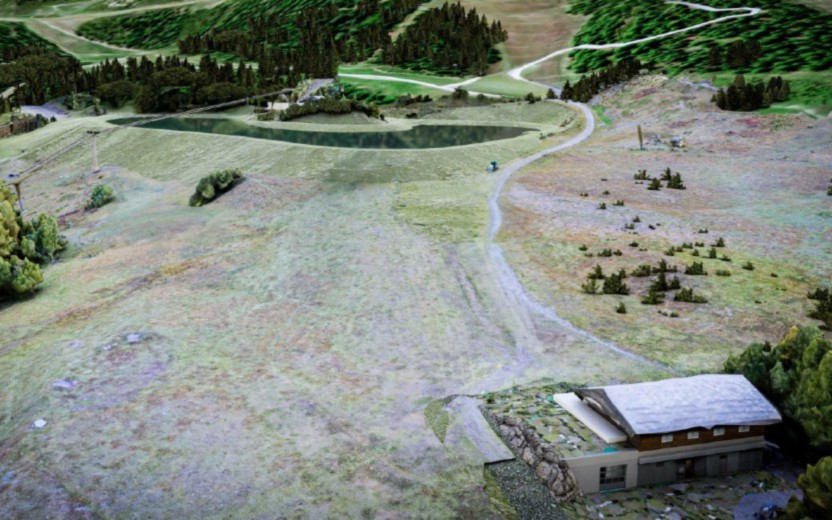
A rendering of Lake Leisse around 2,100 meters- Courtesy of Pila sPa.

Pila is almost quadrupling the capacity of its Leissé reservoir to strengthen snowmaking at the Aosta Valley ski resort. But the investment has also reopened a debate about water use, competing demands and the long-term response to climate change.

The reservoir’s capacity is increasing from 38,500 to approximately 152,700 cubic metres. The project aims to store more water when it is naturally available, ready for use when cold conditions allow snow production before the winter season.

Why Pila wants more water storage

Speaking to La Vallée Notizie in July, Pila’s general director Fabio Junod explained that the reservoir was sized principally for the first snowmaking campaign, which helps prepare much of the ski area for the Christmas holidays.

Continue reading “Pila Expands Snowmaking Reservoir as Water Debate Grows”

Large Rockfall on Tofana di Dentro Closes Val Travenanzes Trail Near Cortina

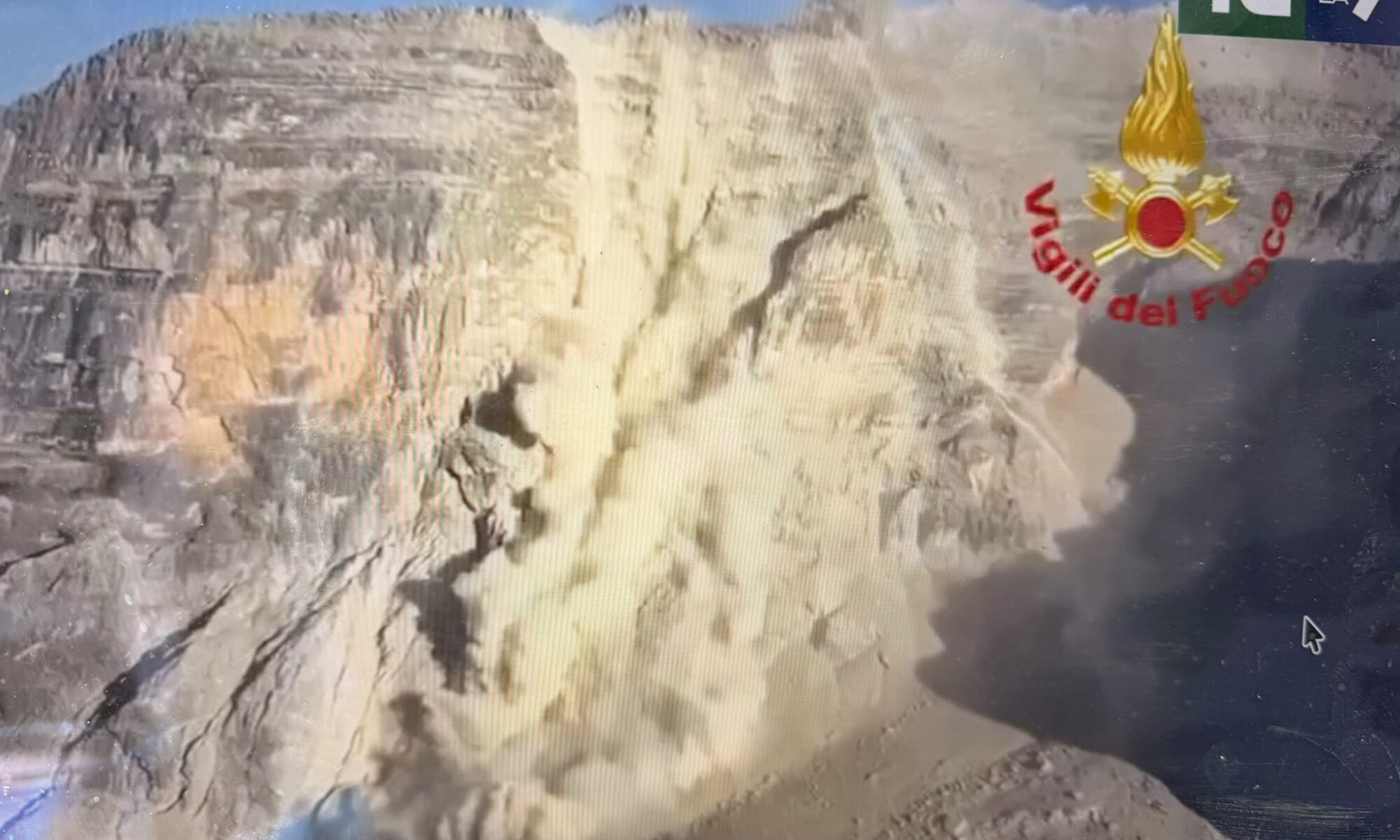
Vigili del Fuoco: Rockfall at the Tofana. Photo credit: Vigili del Fuoco- image of their video uploaded 4 October 2026/TG7.

A large rockfall from the northern face of Tofana di Dentro, in the Dolomites above Cortina d’Ampezzo, has prompted authorities to close Trail 401 in Val Travenanzes, the Cengia Paolina area and their access routes while safety assessments continue.

The major collapse occurred during the afternoon of Sunday, 4 October 2026, sending a large cloud of dust across the valley below.

The Municipality of Cortina d’Ampezzo subsequently issued an emergency ordinance closing the affected hiking areas with immediate effect and until further notice.

Val Travenanzes Trail 401 Closed

According to Ordinance No. 171 issued by the Mayor of Cortina d’Ampezzo on 4 October, the following areas are currently closed:

  • Trail 401 in Val Travenanzes
  • the Cengia Paolina area
  • associated access routes

The municipality said the closure will remain in place until authorities can verify that safe conditions have been restored.

Emergency and prohibition signs were also ordered to be installed around the affected area.

For hikers planning trips around the Tofane, this means Val Travenanzes and the affected access routes should currently be avoided.

Continue reading “Large Rockfall on Tofana di Dentro Closes Val Travenanzes Trail Near Cortina”

Matterhorn Without Snow: Hervé Barmasse Warns of a Changing Mountain

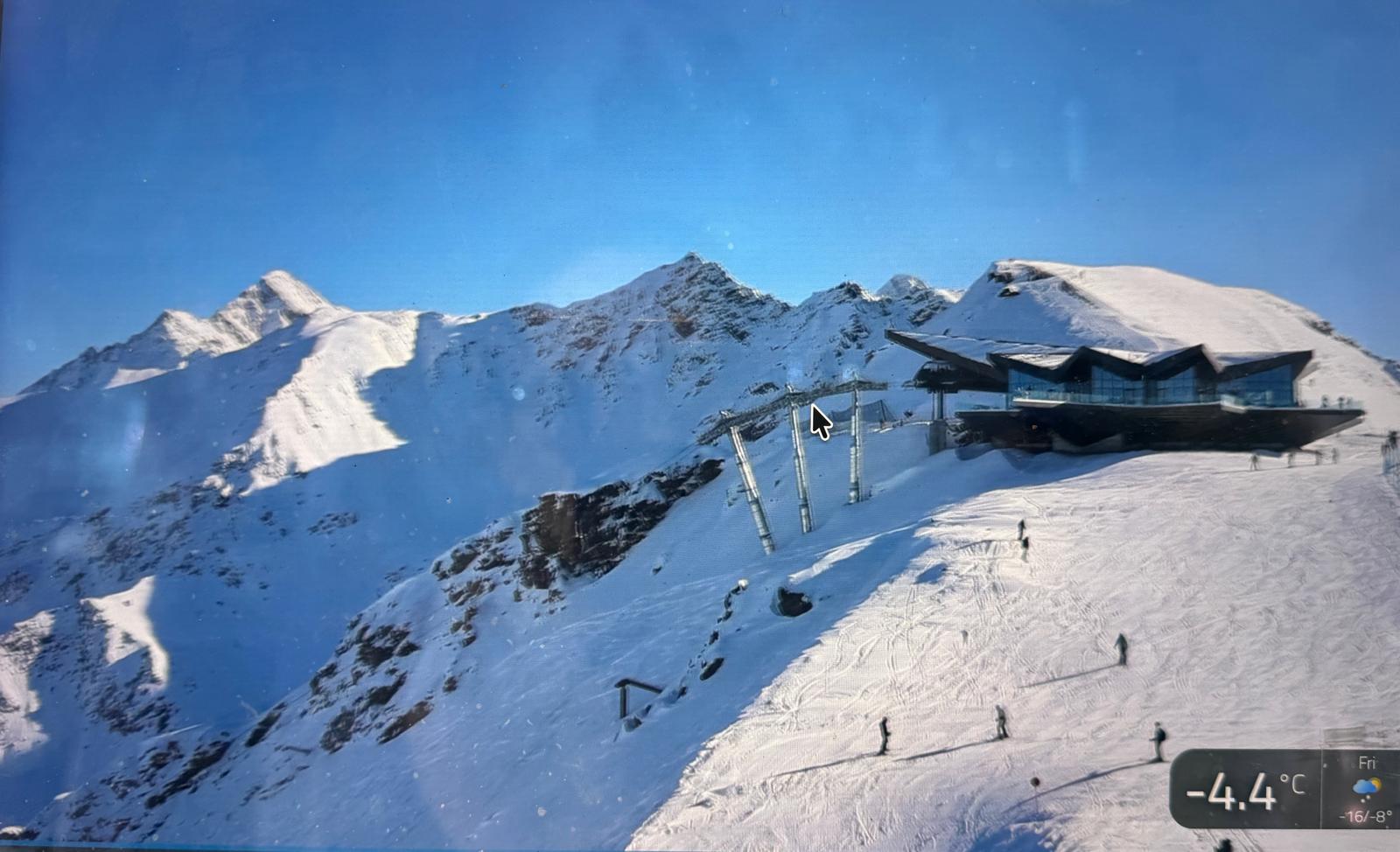
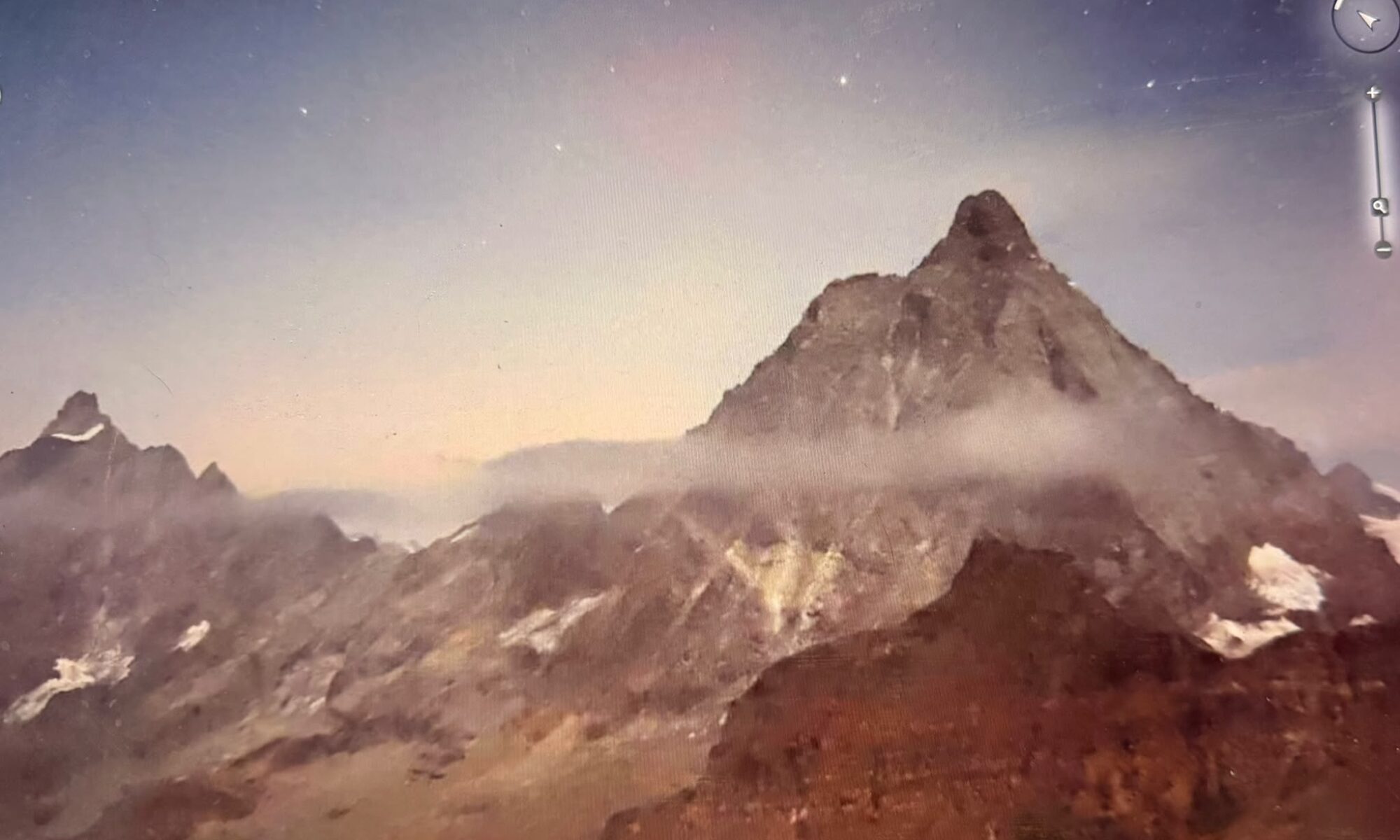
The Cervino, as seen on the early morning of 3rd October 2026. Photo: Webcam Cervino Ski Paradise.

The Matterhorn has appeared almost completely bare at the end of the 2026 summer season. For Italian alpinist and mountain guide Hervé Barmasse, who has spent his life beneath the mountain, the striking images are part of a much bigger change taking place at high altitude.

Only days after a new rockfall prompted the Cervino mountain guides to advise against climbing the Italian normal route, one of the mountain’s best-known alpinists has spoken about another striking feature of the Matterhorn in 2026: the lack of snow.

Hervé Barmasse, a fourth-generation mountain guide from Valtournenche, told Italian mountain publication L’AltraMontagna that he had never seen the Cervino — as the Matterhorn is known in Italy — quite so bare.

His comments are particularly significant because this is not a mountain he encounters occasionally.

Continue reading “Matterhorn Without Snow: Hervé Barmasse Warns of a Changing Mountain”

Pila–Cogne Cable Car: €150–190 Million Link Moves Closer to Political Decision

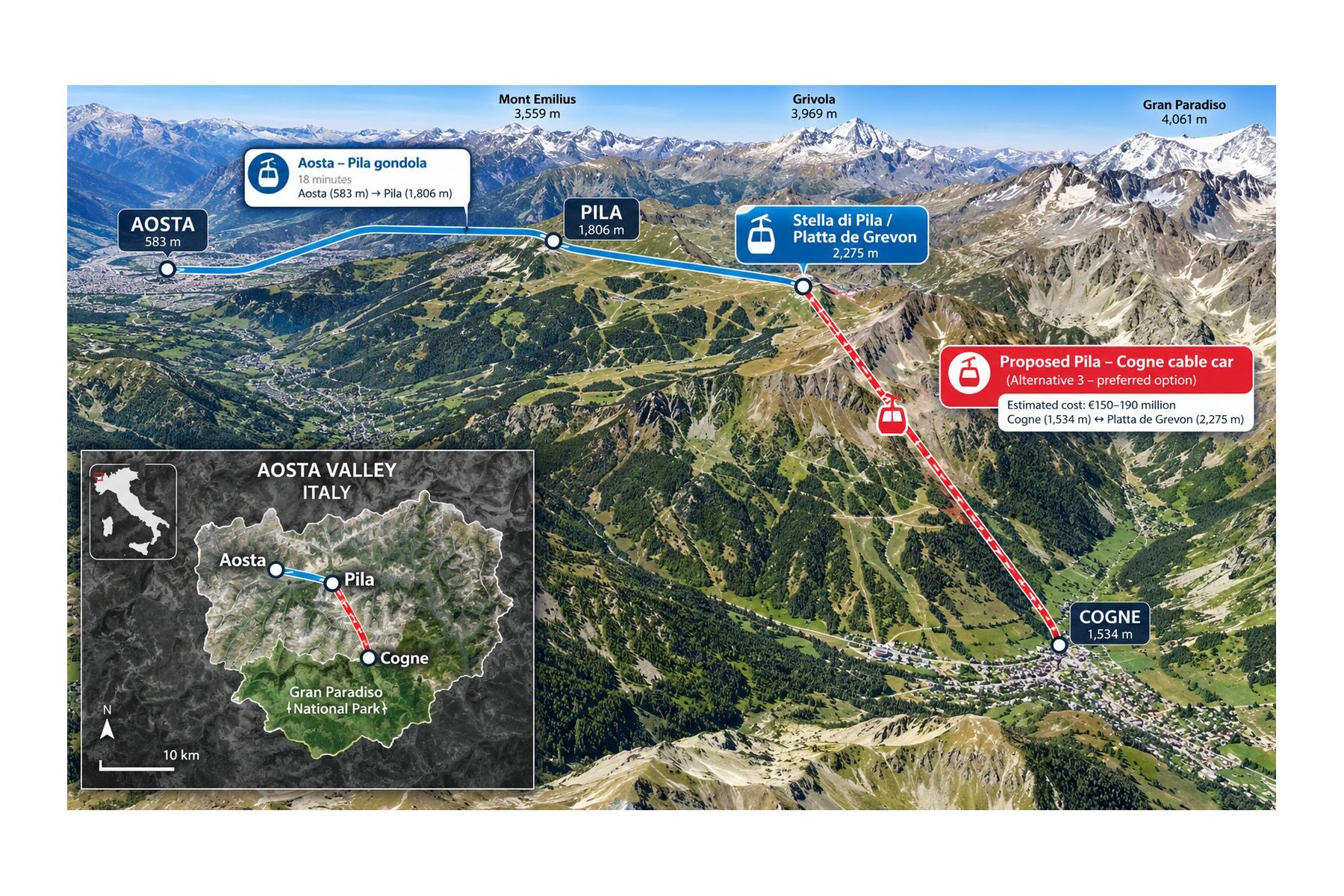
The proposed Pila–Cogne cable car would connect Cogne with Platta de Grevon/Stella di Pila, creating a potential lift-linked route through Pila to Aosta. Illustration: The-Ski-Guru.

A long-discussed cable-car connection between Pila and Cogne in Italy’s Aosta Valley has taken another step forward, with three possible routes now emerging from an initial nine alternatives — and one identified by the technical study as the preferred option.

If eventually built, the project could create something much bigger than a new ski lift. By connecting Cogne with Pila, which is already linked directly by gondola to the city of Aosta, it could effectively create an integrated Aosta–Pila–Cogne mountain destination, combining a regional capital, an alpine ski resort and one of the best-known gateways to the Gran Paradiso National Park.

But this is important: the cable car has not yet been approved for construction.

The latest step concerns the technical feasibility study, while the project is now entering a political and public consultation phase before decisions are made on whether to proceed.

Nine alternatives reduced to three

The project was examined by the Aosta Valley Regional Council’s Economic Development Commission on 1 October 2026.

The technical team initially considered nine different alternatives for connecting Cogne with the Pila ski area.

Three have now been identified as the most practicable solutions, all connecting Cogne with the area of Platta de Grevon, high above Pila.

Continue reading “Pila–Cogne Cable Car: €150–190 Million Link Moves Closer to Political Decision”

Matterhorn Italian Route Discouraged After New Rockfall — What About the Zermatt Side?

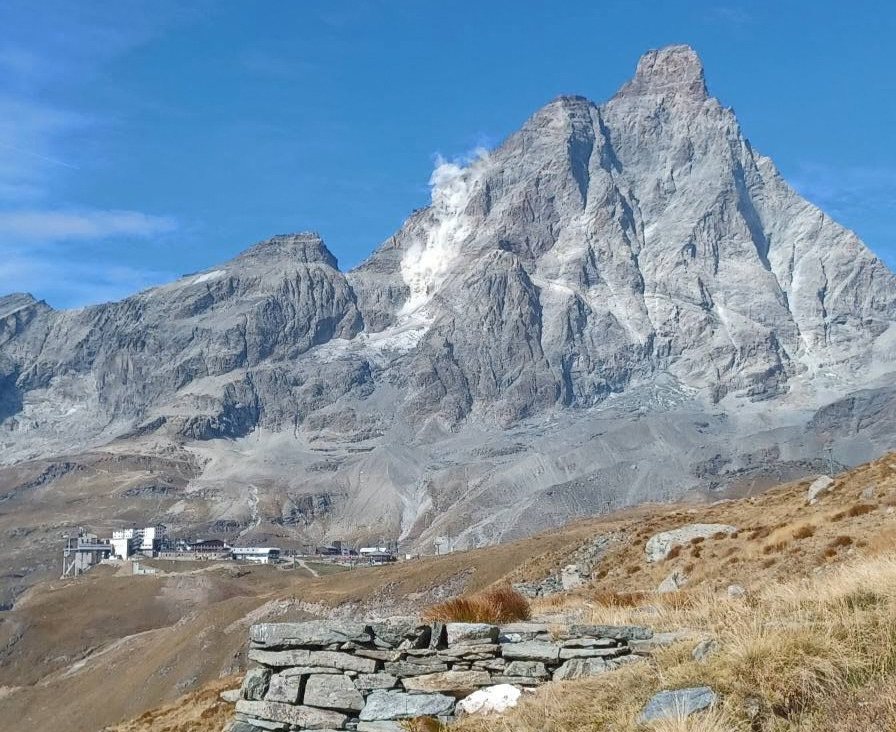
Il Cervino has been suffering many rockfalls this summer. Photo credit: Giorgio Schenone- Facebook- Gruppo Gente Innamorata di Breuil Cervinia.

Mountain guides in Cervinia are advising climbers against the Italian normal route after a new rockfall affected the Lenzuolo section. Across the mountain, the Swiss Hörnli Ridge had its own serious rockfall problems earlier this summer.

The Italian normal route up the Matterhorn (Cervino) is currently being discouraged by the Società Guide Alpine del Cervino following a new rockfall on 29 September.

According to the mountain guides, conditions on the Italian route have deteriorated further, particularly around the Lenzuolo section.

“The situation on the Matterhorn remains in continuous evolution and conditions can change rapidly,” the guides warned, urging climbers to check the latest information before attempting the mountain and to carefully assess whether an ascent is appropriate.

The warning does not amount to a legal closure of the mountain. Rather, the Cervinia guides are advising against climbing the Italian normal route under the present conditions. Rai News

What happened on the Italian side?

The latest rockfall occurred on 29 September, affecting the area around the Lenzuolo on the Italian normal route, which follows the Lion Ridge (Cresta del Leone) from the Breuil-Cervinia side of the mountain.

It is the latest in a series of instability events on the Matterhorn during an unusually difficult 2026 climbing season.

Continue reading “Matterhorn Italian Route Discouraged After New Rockfall — What About the Zermatt Side?”

Tour du Mont Blanc Moves to Rein In Overtourism as Visitor Numbers Soar

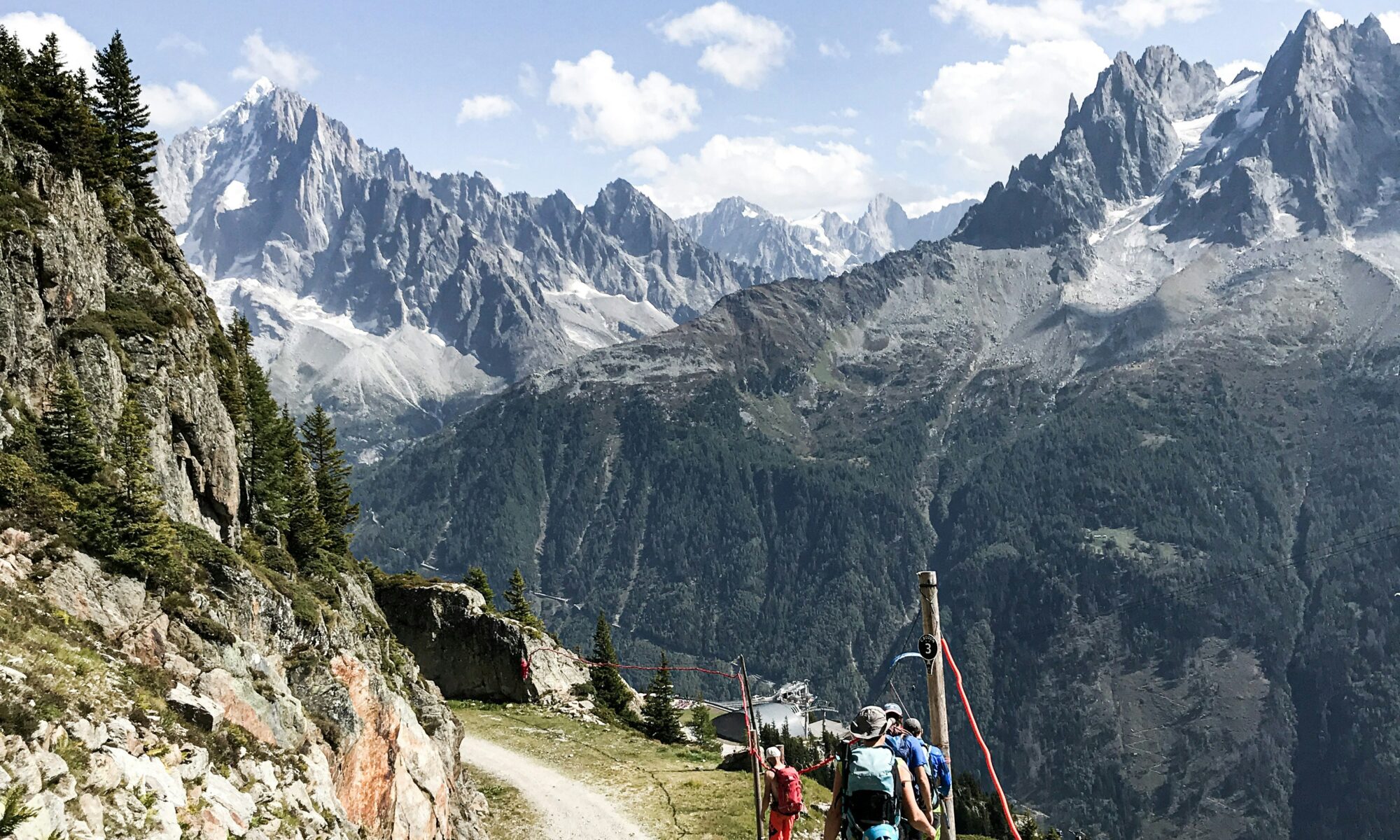
Chamonix Mont Blanc. Photo credit: Antoine de Barquin. Unsplash.

One of the Alps’ most famous long-distance hiking routes could face tighter controls from 2027, as local authorities and mountain professionals seek to curb wild camping, environmental damage and increasingly crowded trails.

The days of treating the Tour du Mont Blanc as an unrestricted hiking route may be coming to an end.

Local authorities and mountain professionals on the French side of the Mont Blanc massif have agreed on the principle of a new charter aimed at better managing one of Europe’s most popular long-distance treks, following another summer of exceptionally heavy use.

The Tour du Mont Blanc — generally known simply as the TMB — covers around 170 kilometres and approximately 10,000 metres of elevation gain as it circles the Mont Blanc massif through France, Italy and Switzerland.

The rapid increase is now raising concerns about erosion, biodiversity, sanitation, safety and the overall experience of walking one of the Alps’ classic routes.

“The open-bar approach is over”

Representatives of the seven French municipalities crossed by the TMB met in September alongside refuge and campsite operators, mountain guides, transport companies, environmental organisations and French state services.

Among the proposals being developed are the systematic reservation of recognised accommodation during the summer season and stronger restrictions on wild camping.

Jean-Marc Peillex, mayor of Saint-Gervais-les-Bains and president of the Communauté de Communes Pays du Mont-Blanc, told AFP that the aim was not to prohibit access to the mountains, but to organise it.

His description of the change was considerably more colourful: the “open-bar” approach, he said, was over.

Other measures being considered include improving authorised bivouac areas with basic facilities, limiting the size and weight of luggage transported between stages, reducing the movement of large suitcases by taxi and potentially establishing a “green brigade” to help enforce local regulations.

Quotas, however, are not currently part of the proposals.

Not all the new rules are decided yet

The direction is clear, but exactly how the system will work is still being negotiated.

The charter is being finalised, and there are differences among local authorities and tourism professionals over how far regulation should go.

One of the most significant ideas is that, from 2027, hikers completing the TMB could be required to have accommodation booked in advance.

But this should not yet be interpreted as a finalised three-country permit system for the entire Tour du Mont Blanc.

The route crosses France, Italy and Switzerland, making coordinated regulation significantly more complicated. Any comprehensive system would ultimately need to account for rules and authorities on all three sides of the massif.

Wild camping is already restricted in several areas

The changes would also build on restrictions that already exist.

Wild camping and bivouacking are not freely permitted everywhere along the Tour du Mont Blanc.

In parts of the French side, including protected areas of the Aiguilles Rouges massif, hikers must already reserve designated bivouac spaces. Vallorcine also prohibits wild camping across its municipal territory outside the specific rules governing nature reserves.

The proposed charter would therefore move towards a more consistent approach rather than introducing regulation from scratch.

A route struggling with its own success

The debate reflects a wider challenge facing the Alps.

Mountain destinations have spent decades encouraging summer tourism as a way of reducing their dependence on skiing and building a stronger year-round economy.

The success of routes such as the Tour du Mont Blanc shows how effective that strategy can be — but also where its limits may lie.

Heavy concentrations of hikers can damage vegetation, accelerate trail erosion and put pressure on water, sanitation and waste infrastructure. Local officials have also complained about inappropriate behaviour, including illegal camping and hikers leaving human waste in the landscape.

At the same time, the TMB has become an important source of summer income for refuges, hotels, restaurants, guides and communities along the route.

That makes the challenge less about keeping visitors away than deciding how many people fragile mountain environments can accommodate — and how those visitors should move through them.

Planning the Tour du Mont Blanc in 2027

For hikers already considering the Tour du Mont Blanc next summer, advance planning will become increasingly important regardless of what final form the new charter takes.

The official Tour du Mont Blanc accommodation platform says reservations for summer 2027 will open on 15 October 2026.

It already strongly recommends booking refuges ahead, warning that the most popular properties can fill several months in advance.

The final rules for 2027 are still taking shape.

But after a summer in which more than 90,000 people reportedly circled the Mont Blanc massif, the message from local authorities is becoming increasingly difficult to miss: one of the Alps’ most famous trails can no longer be managed as though its capacity were unlimited.

Read More

Sources