Where to See the Alps’ Traditional Cow Parades in Autumn 2026

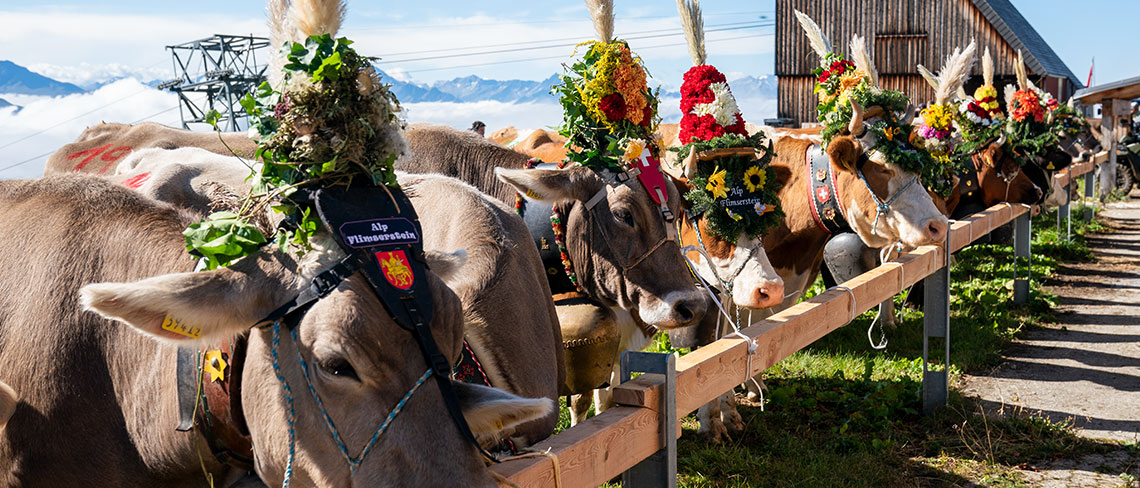
Laax Much Loved Descent of the Cows Festival Returns this September. Photo credit: Laax/Rooster PR

From the Dézarpa in Italy’s Aosta Valley to Switzerland’s Désalpe and Austria’s colourful Almabtrieb, September and October mark one of the Alps’ most atmospheric traditions: the return of cattle from their high summer pastures.

As summer draws to an end in the Alps, another season begins — announced not by ski lifts or the first snowfall, but by the sound of cowbells.

Across Italy, Switzerland, Austria and France, cattle that have spent the warmer months grazing on high-altitude pastures begin their journey back down to farms in the valleys.

The tradition has different names across the Alps. In the Aosta Valley it is known as the Dézarpa, or Devétéya around Cogne. In French-speaking Switzerland it is the Désalpe, while German-speaking regions use Alpabzug or Alpabfahrt. Across Austria and South Tyrol, visitors will hear Almabtrieb. In parts of the French Alps, the return of the herds is known as the descente des alpages or démontagnée.

Whatever the name, the principle is the same.

Continue reading “Where to See the Alps’ Traditional Cow Parades in Autumn 2026”
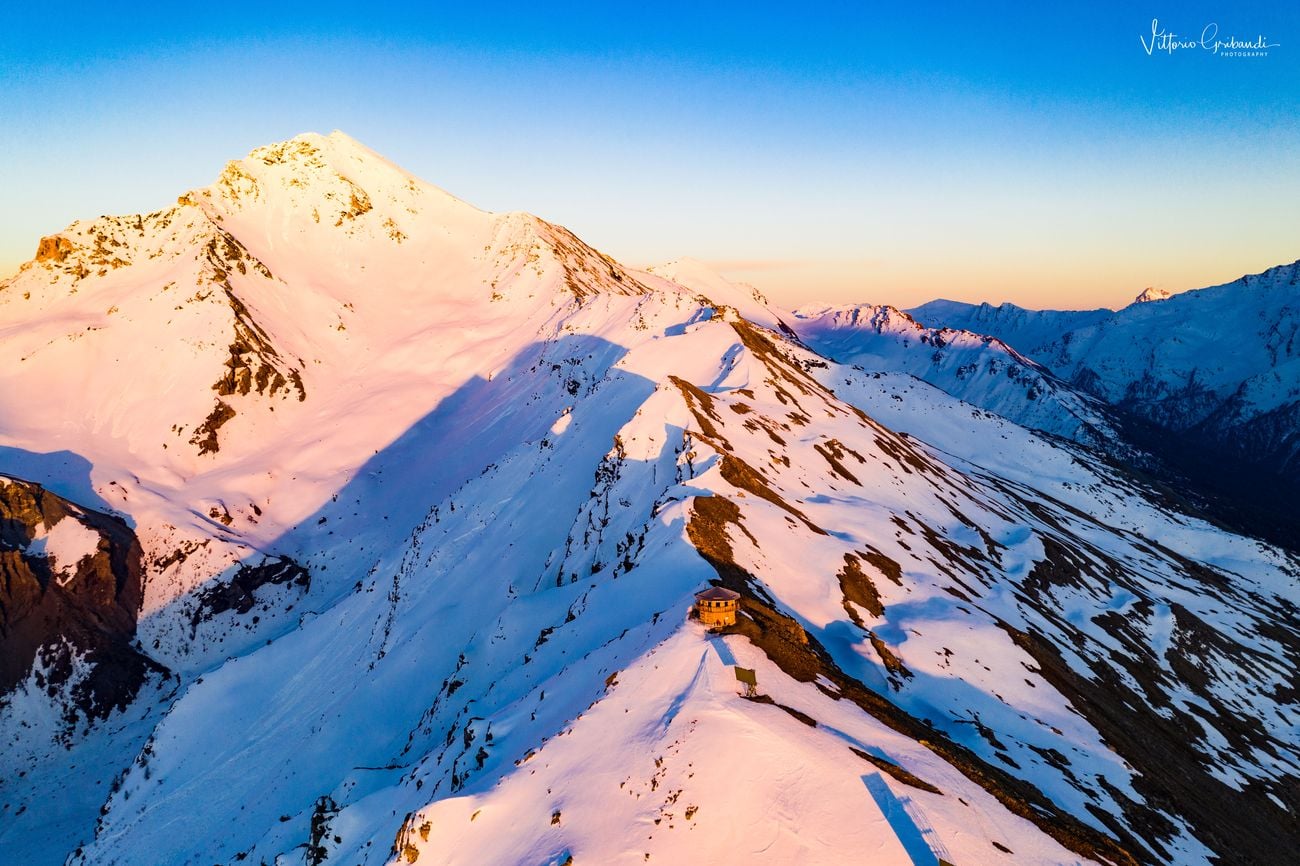
Sestriere’s Forgotten Belvedere: A Tiny Survivor from the Birth of the Modern Ski Resort

Il Belvedere on top of the mountain. Photo credit: Vittorio Gribaudi. Atribune.com

At 2,658 metres above Sestriere, a restored 1931 belvedere tells a much larger story: how an isolated Alpine plateau was transformed into one of Europe’s earliest purpose-built ski destinations.

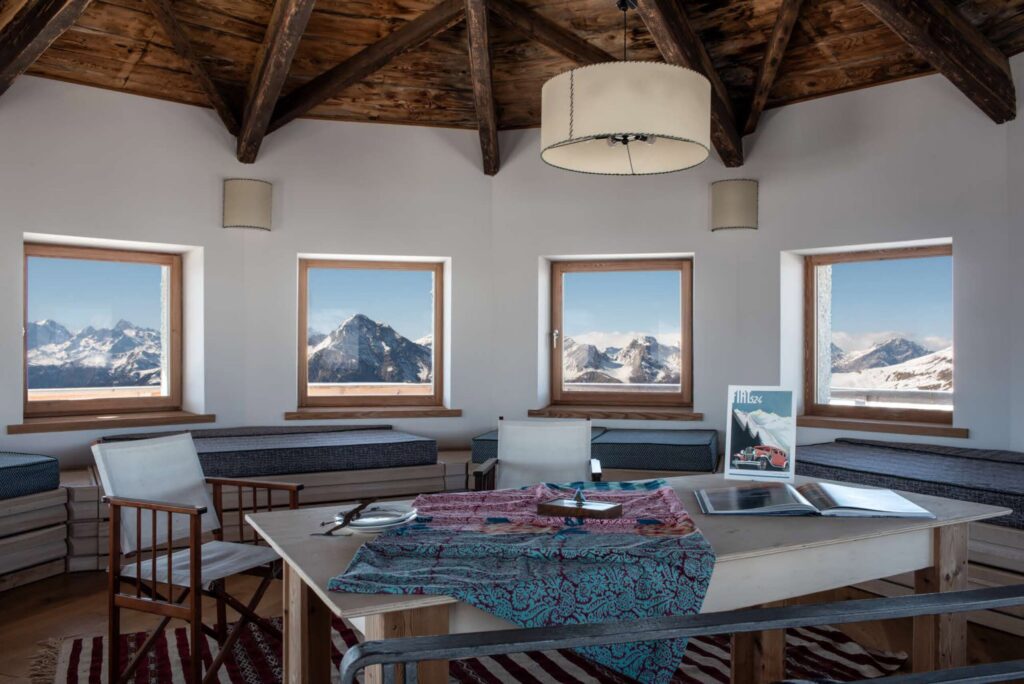
High above Sestriere, on the summit of Monte Sises, stands a tiny concrete building surrounded by twelve square windows and an apparently limitless Alpine horizon.

From inside, the view extends across the Rognosa di Sestriere and Monte Chaberton towards Monviso and the Écrins massif. Yet the building was never intended to be a hotel, restaurant or conventional mountain hut.

It was constructed simply as a place from which to look at the mountains.

Known as the Belvedere, the two-storey, twelve-sided structure dates from 1931 and survives from the earliest chapter in Sestriere’s development as a modern ski resort. After decades of abandonment, it has been carefully restored as a small private, largely self-sufficient mountain home.

Its story is about more than an extraordinary house. It is also a surviving fragment of the period when ski resorts, lifts lifts and purpose-built mountain architecture began to reshape the Alps.

Inside the small Belvedere. Photo: Marinella Paolina. Atribune.com

Continue reading “Sestriere’s Forgotten Belvedere: A Tiny Survivor from the Birth of the Modern Ski Resort”

Stelvio Glacier Reopens After Heat Closure – But Summer Skiing’s August Shutdown Still Matters

Summer skiing on the Stelvio Glacier in Italy

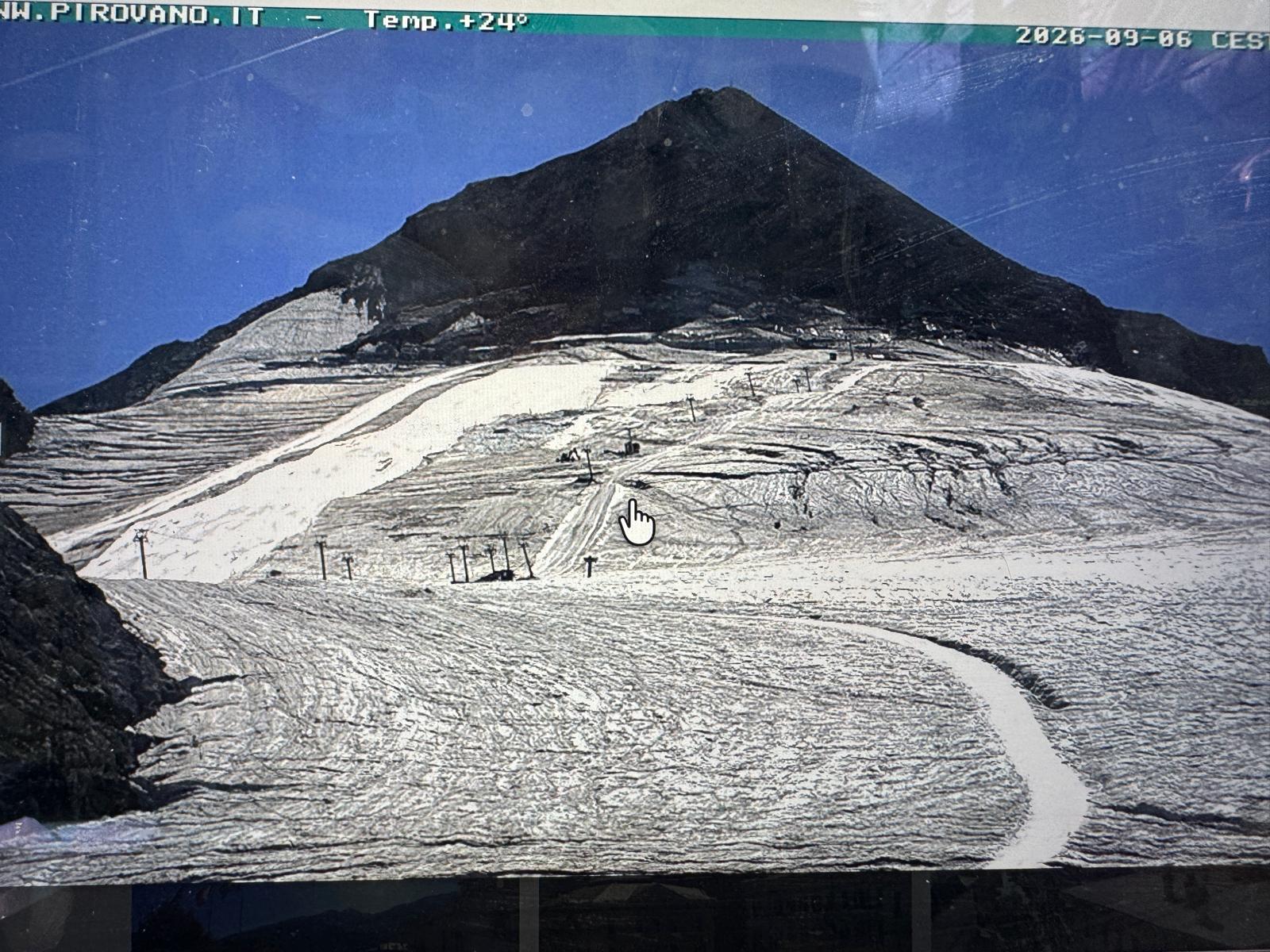
Italy’s Stelvio Glacier has reopened for summer skiing after a three-week heat-related closure. The return of skiing is welcome news, but it follows an extraordinary August in which high temperatures and poor overnight freezing temporarily brought lift-served summer skiing across the Alps to a halt.

Summer skiing returned to Italy’s Stelvio Glacier on Friday, September 4, after cooler conditions allowed operators to reopen lifts and pistes following a shutdown that began on August 15.

The official Bormio lift-status service confirmed the reopening, with all six Stelvio lift installations operating: the Cristallo, Pajer, Geister 1 and Geister 2 ski lifts, together with the Passo Stelvio–Trincerone and Trincerone–Livrio cable cars.

Not everything has returned to normal, however. Several pistes remain closed, and the Pajer and Cristallo ski lifts are operating only from 6:30 am until midday. The two cable cars operate until 4 pm.

The Stelvio summer season is officially scheduled to run from May 30 until November 1, 2026.

Why Stelvio closed

The August closure was significant because Stelvio had remained open after other Alpine summer ski areas suspended skiing during the summer heat.

SIFAS, the company operating the Stelvio facilities, announced the suspension of skiing from August 15, citing three factors: persistent heat waves reaching high altitude, the absence of sufficient overnight cooling and refreezing of the snowpack, and frequent thunderstorms that had further affected glacier conditions.

Continue reading “Stelvio Glacier Reopens After Heat Closure – But Summer Skiing’s August Shutdown Still Matters”

New Geological Studies Place Parts of Cervinia in Medium and High-Risk Zones

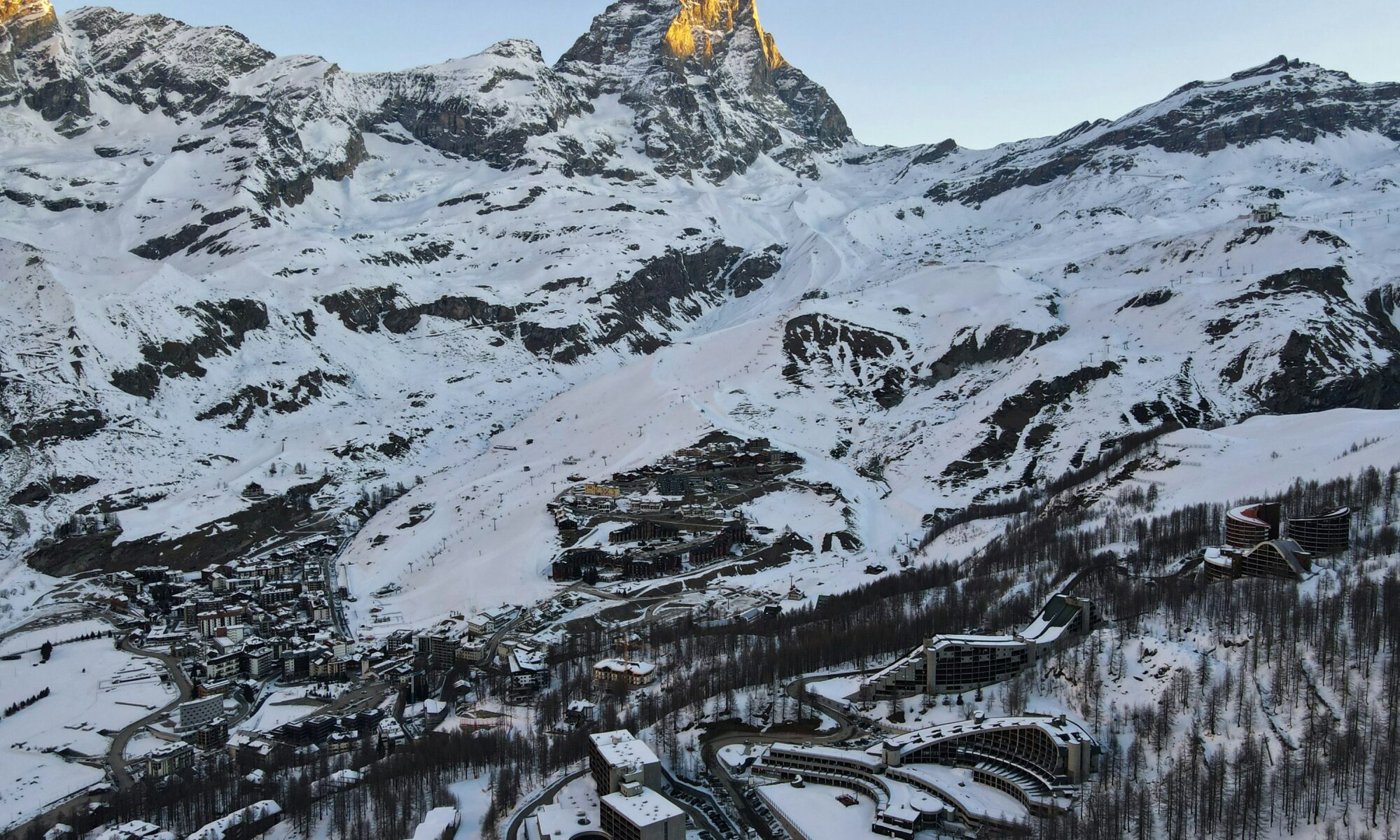
A view above the valley of Cervinia, in the Italian Alps. Photo Dimitris Kiriakakis. Unsplash.

Studies commissioned during the planning of the €200 million Cervino The One lift have prompted authorities to redraw Breuil-Cervinia’s landslide and flood-risk maps and propose a new protective barrier above the resort.

New geological studies conducted as part of the Cervino The One cable car project have identified increased landslide and flood exposure above Breuil-Cervinia, with parts of the existing resort set to fall within areas classified as being at medium or high risk.

The findings have prompted the municipality of Valtournenche to revise maps covering land exposed to landslides and flooding. The previous mapping had been approved in 2015.

The municipal council unanimously adopted the proposed revisions during a meeting on 27 August 2026.

According to a statement issued by the municipality following the meeting, the studies were conducted by lift operator Cervino S.p.A. during the design of the new Cervino The One 3S cable car system and coordinated with the Autonomous Region of the Aosta Valley.

The investigations focused in particular on the Fallinère landslide area, situated above Breuil-Cervinia.

“The investigations carried out highlighted, in particular, the dangerous nature of the Fallinère landslide, located upstream of the built-up area of Breuil-Cervinia,” the municipality said.

The revised mapping would place some existing buildings within areas classified as being at medium or high risk from landslides and flooding.

The municipality stressed that the update concerns the broader risk situation affecting the resort and not only the land required for the new lift.

Continue reading “New Geological Studies Place Parts of Cervinia in Medium and High-Risk Zones”

Planpincieux Glacier: Seven Years After the Alarm, the Mont Blanc Glacier Is Retreating Fast

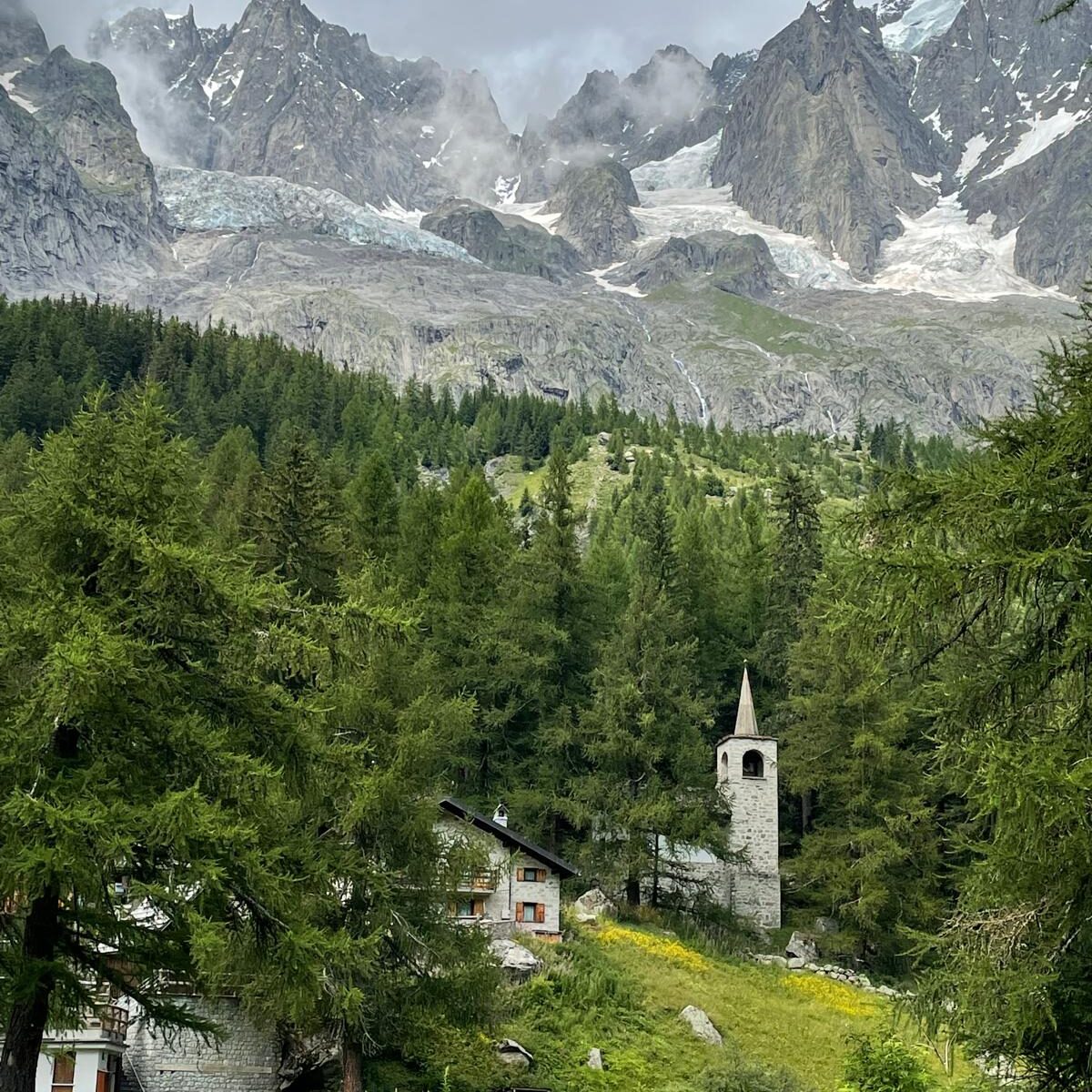
Planpincieux glacier and the church in the bottom. Photo: The-Ski-Guru.

The Planpincieux Glacier retreat is accelerating on the Italian side of Mont Blanc, seven years after the hanging glacier above Courmayeur first made international headlines over fears of a major collapse.

The hanging glacier, located above Val Ferret on the Italian side of the Mont Blanc massif, accelerated again during July 2026, reaching movement of around 80 centimetres per day. The figure was confirmed by the Valle d’Aosta regional authorities, which placed the glacier under continuous monitoring during the period of heightened activity.

The situation has since improved. Jean-Pierre Fosson of Fondazione Montagna Sicura said during the Valle d’Aosta stage of Legambiente’s Carovana dei Ghiacciai that Planpincieux has now fallen below the critical thresholds and that current conditions are considered favourable.

But the longer-term picture is far less reassuring.

Planpincieux Glacier retreat reaches 50 metres in three years

According to a report from Corriere della Sera, the front of Planpincieux has retreated by around 50 metres in just three years.

The glacier hangs at around 2,600 metres beneath the Grandes Jorasses, high above Val Ferret. Ice and debris continue periodically to break away from its front and descend towards the valley.

The glacier is particularly closely monitored because of its position above an inhabited and heavily visited valley.

During July’s acceleration, Courmayeur introduced Civil Protection restrictions in the areas potentially exposed to a collapse. Access restrictions were subsequently eased as conditions stabilised.


Read more: Nepal Glacier Disaster: Could It Happen in the Alps? — Following the catastrophic glacier-related disaster in Nepal, we look at whether similar high-mountain hazards could occur in the Alps, and how monitoring at Planpincieux, Blatten and elsewhere can provide crucial warning time.


Continue reading “Planpincieux Glacier: Seven Years After the Alarm, the Mont Blanc Glacier Is Retreating Fast”

Mont Blanc Faces Record Rockfall Year After Extreme Alpine Summer

The view from the top of the Skyway Monte Bianco - Punta Hellbronner- Amazing rotating gondola that takes you up to the highest point in Italy to see the Mont Blanc and all the surrounding mountains. Photo: The-Ski-Guru.

The Mont Blanc massif is facing a record rockfall year after an exceptionally hot Alpine summer destabilised high-altitude terrain — and scientists warn that some of the largest collapses may still be to come.

Around 450 significant rockfalls could be recorded in the Mont Blanc massif during 2026, according to geomorphologist Ludovic Ravanel, research director at France’s National Centre for Scientific Research (CNRS).

The figure would comfortably surpass the previous record of around 300 events in 2022, another year marked by intense heatwaves.

Just 10 or 20 years ago, only a few dozen such events would typically have been recorded.

Continue reading “Mont Blanc Faces Record Rockfall Year After Extreme Alpine Summer”

Landslides Hit South Tyrol as Thawing Permafrost Destabilises Alpine Slopes

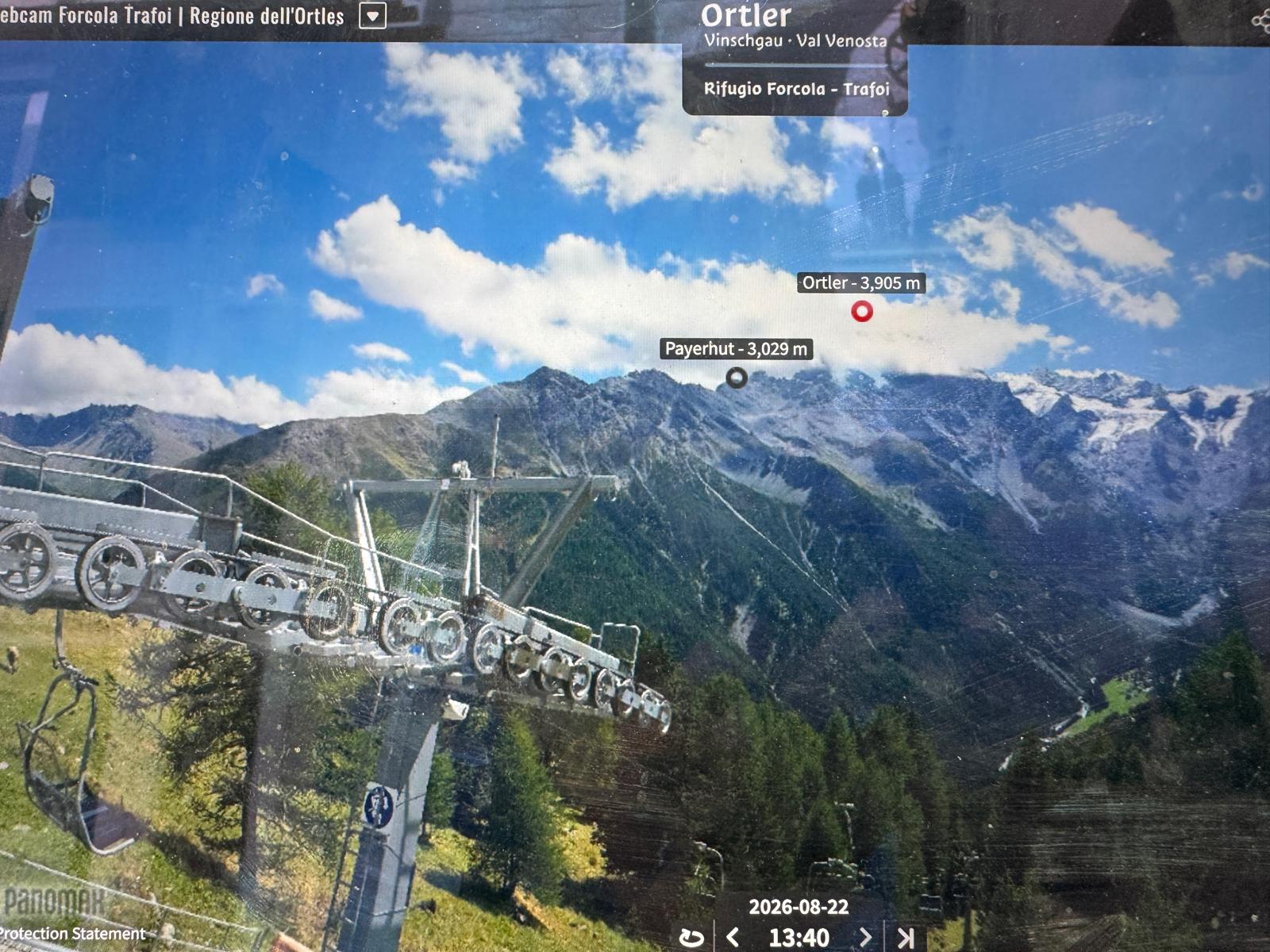
Webcam Forcola Trafoi Region with the Ortles in the background. https://webcam.myortler.it/trafoi

A series of landslides and debris flows has hit South Tyrol following heavy rainfall, with up to 30,000 cubic metres of debris moving near Trafoi below the Ortler and another major mudslide cutting access to Capanna Alpina in Alta Badia.

The incidents add to a growing number of slope failures reported across the Alps this summer, as scientists and mountain authorities increasingly warn about the destabilising effect of warming temperatures and thawing permafrost on high-altitude terrain.

Up to 30,000 cubic metres of debris at Trafoi

Shortly after 5pm on 20 August, a major debris flow occurred in the Rio di Plaies at Trafoi, in the municipality of Stelvio/Stilfs.

According to South Tyrol’s provincial authorities, an estimated 20,000 to 30,000 cubic metres of material moved down the mountain.

The debris obstructed the Rio Vedretta del Circo and travelled as far as the pedestrian bridge leading towards the Santuario delle Tre Fontane Sacre, the historic Three Holy Fountains sanctuary near Trafoi.

The bridge narrowly escaped being overwhelmed during the initial event, but by the following day the stream channel beneath it was almost completely blocked.

South Tyrol’s mountain basin authorities deployed two excavators to begin clearing the channel, although the material initially remained too wet for the operation to be completed.

Continue reading “Landslides Hit South Tyrol as Thawing Permafrost Destabilises Alpine Slopes”

Alpine Chapel to Be Moved Stone by Stone as Melting Permafrost Destabilises Mountain

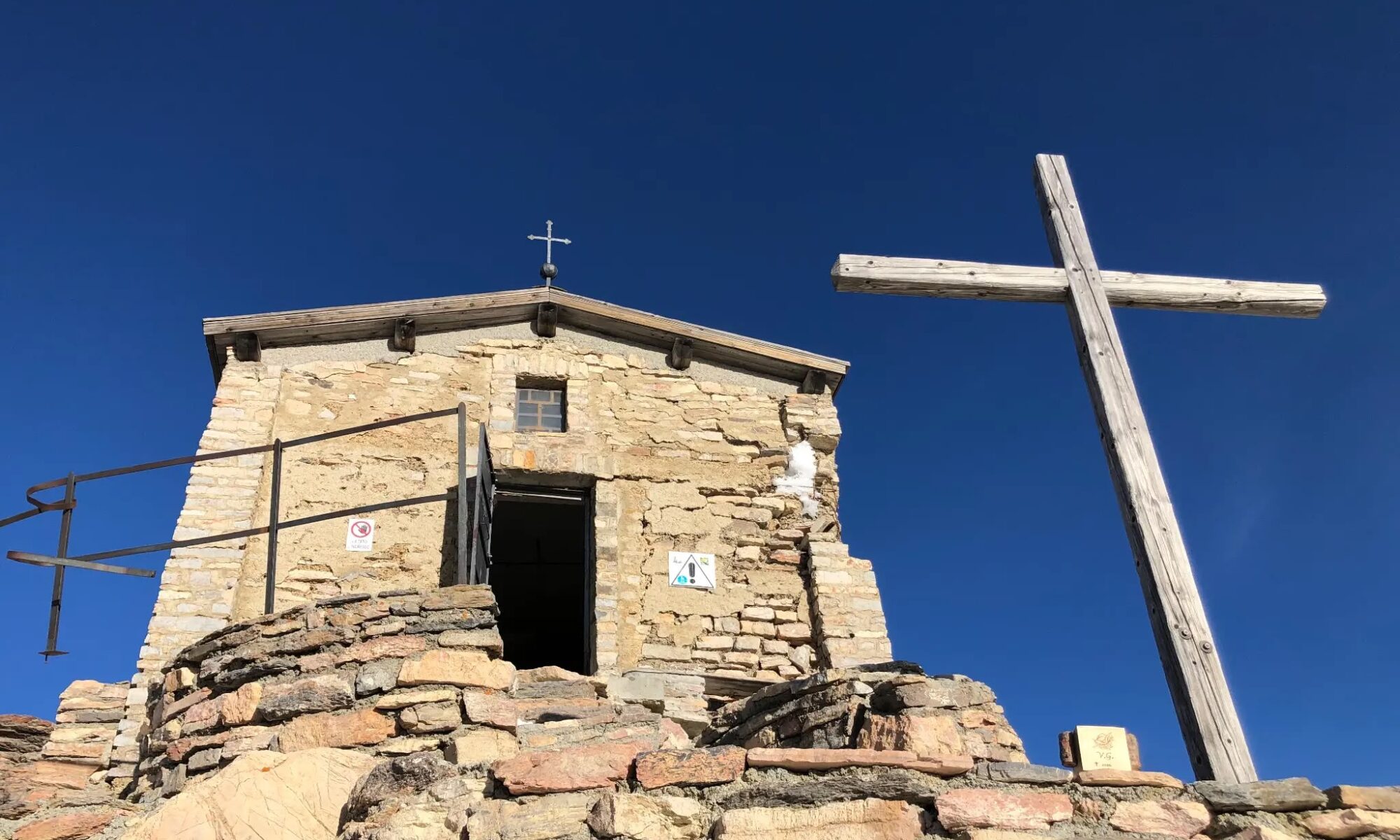
Capella di Monte Tabor. Photo: Outdooractive.com

A centuries-old chapel high above the French-Italian border has survived Alpine winters, storms and changing frontiers. What it may not survive is the ground beneath it beginning to thaw.

The tiny Notre-Dame-des-Sept-Douleurs chapel on Mont Thabor, perched at around 3,170 metres in the French Alps, is to be dismantled and rebuilt nearby after the degradation of mountain permafrost destabilised the slope on which it stands.

The chapel sits close to the summit of the 3,178-metre Mont Thabor, overlooking the Vallée Étroite between Névache in France and Bardonecchia in Italy.

Its geography is almost as unusual as its predicament.

Although the chapel stands on French territory, within the commune of Névache, it belongs to the Italian municipality of Bardonecchia — a legacy of the shifting border between France and Italy after the Second World War.

Now the two sides are working together to save a building whose history stretches back centuries.

Continue reading “Alpine Chapel to Be Moved Stone by Stone as Melting Permafrost Destabilises Mountain”

When the Mountains Go Viral: How Social Media Is Reshaping Tourism in the Dolomites

A pair of krapfen at the Friedrich August hut in Val di Fassa. Photo: Rifugio Friedrich August.

A €4 krapfen served at a mountain hut high in the Italian Dolomites has become the latest symbol of a much bigger problem facing some of Europe’s most spectacular mountain destinations: what happens when a place suddenly goes viral.

The Friedrich August refuge, located at around 2,300 metres between Col Rodella and Passo Sella in Val di Fassa, has long been known for serving freshly made krapfen, the jam-filled fried pastries common across the Alpine region.

But after videos of the pastries began spreading across social media, the hut itself became a destination.

Visitors are now reportedly arriving early in the morning — and in some cases even camping nearby — to make sure they can buy one before supplies run out. Long queues have formed outside the refuge, while photographs and videos of the pastry against the dramatic Dolomite backdrop continue to circulate online.

Continue reading “When the Mountains Go Viral: How Social Media Is Reshaping Tourism in the Dolomites”

Monte Pelmo Rockfalls: Geologist Warns More Collapses Are Likely

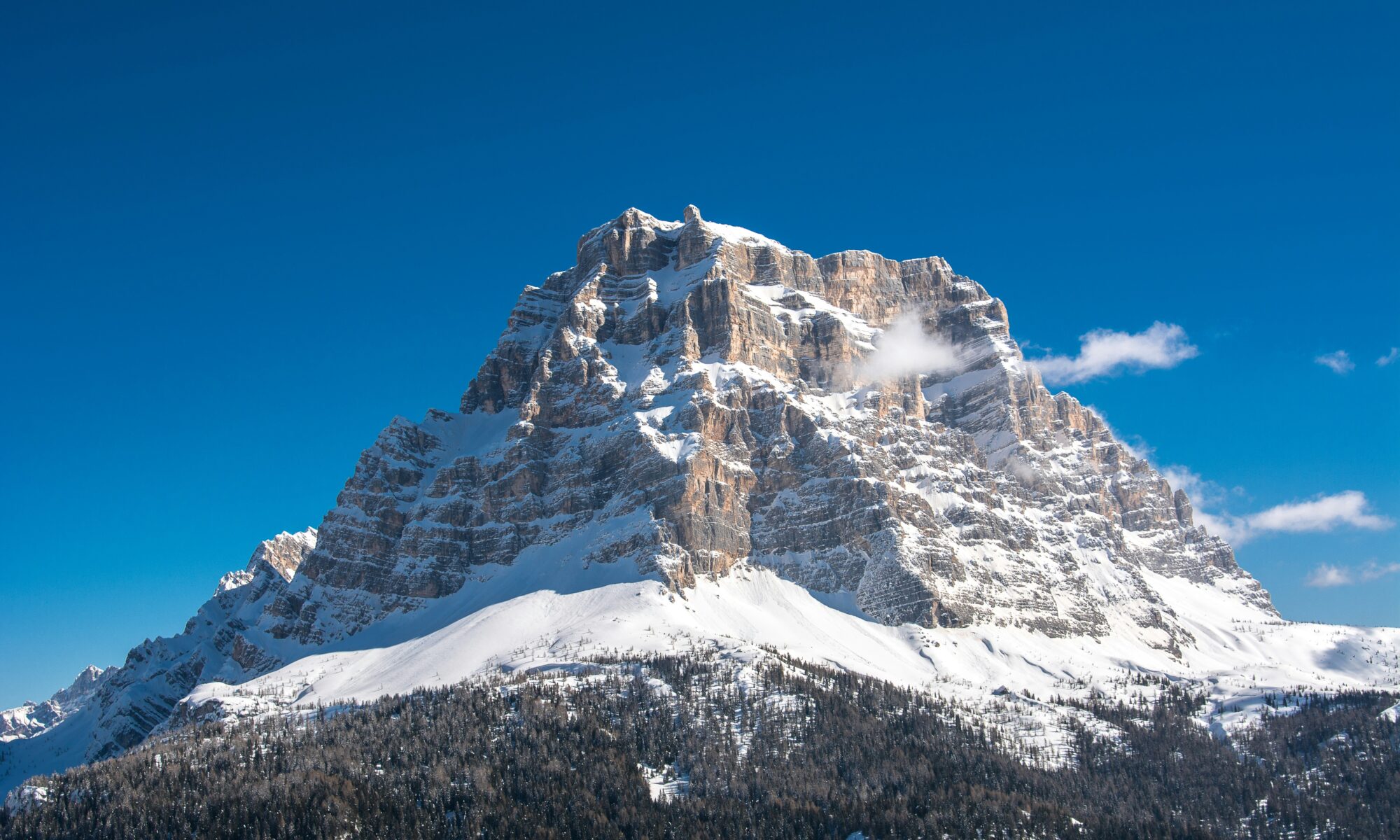
Monte Pelmo as seen from Borca di Cadore. Photo: Gian Pietro Dragoni. Unsplash.

A series of rockfalls on Monte Pelmo in the Italian Dolomites is raising concern after seven significant collapses were recorded in just three weeks, including five in five days, as exceptionally high temperatures continue to affect the Alps.

The latest warning comes from Aldino Bondesan, professor of Physical Geography and Geomorphology at the University of Padua, who says further collapses should be expected and has urged visitors to respect restrictions around affected mountain areas.

The 3,168-metre Monte Pelmo, one of the most recognisable peaks in the Dolomites, had already been affected by repeated rockfalls during the current Alpine heatwave. The situation was included in our wider report on the impact of extreme temperatures across the Alps.

READ MORE: Alps Heatwave Intensifies as Glacier and High-Mountain Closures Spread

Continue reading “Monte Pelmo Rockfalls: Geologist Warns More Collapses Are Likely”