Rockfall Forces Evacuations Near Courmayeur: Instability on the Mont Blanc Corridor

Palleusieux- Google Maps.

Introduction

A rockfall in the hamlet of Palleusieux, in Pré-Saint-Didier, has forced the evacuation of residential buildings and the closure of a section of road on the approach to Courmayeur, underlining ongoing slope instability on the Mont Blanc side of the Aosta Valley.

The incident occurred on 31 March 2026 and prompted immediate safety measures after rock debris reached areas close to inhabited properties. According to AostaSera, authorities assessed the slope as posing a serious risk to public safety, leading to precautionary evacuations and restrictions in the area.


Evacuations and Road Closure

Four apartment buildings in Palleusieux were evacuated as a precaution, while a section of the Route Mont Blanc was closed to traffic. This road represents a key access route between Pré-Saint-Didier and Courmayeur, although alternative access remains possible via the A5 motorway tunnel.

Continue reading “Rockfall Forces Evacuations Near Courmayeur: Instability on the Mont Blanc Corridor”

Snowmaking in the Alps: Solution, Illusion, or Escalating Cost?

Photo: Technoalpin - Carezza Resort.

Introduction

As explored in our analysis of low altitude Alps snow conditions in March 2026, natural snow is becoming increasingly variable and unreliable, particularly below 1,800 metres.

In response, Alpine resorts have turned to snowmaking as a critical tool to maintain operations and ensure continuity across the ski season.

This raises a fundamental question. Can snowmaking truly replace natural snow reliability, or does it introduce a new set of limits and dependencies?


The Rise of Snowmaking Dependency

Across much of the Alps, snowmaking has moved from being a supplementary tool to a central component of resort operations. It is now used to secure key pistes, maintain connections between ski areas, and guarantee early-season openings. In some destinations, skiing during certain periods would not be possible without artificial snow. This shift reflects a growing dependence on controlled snow production as natural conditions become less predictable.

Continue reading “Snowmaking in the Alps: Solution, Illusion, or Escalating Cost?”

Low-Altitude Alps & Jura: What March 2026 Reveals About Snow Reliability in Europe

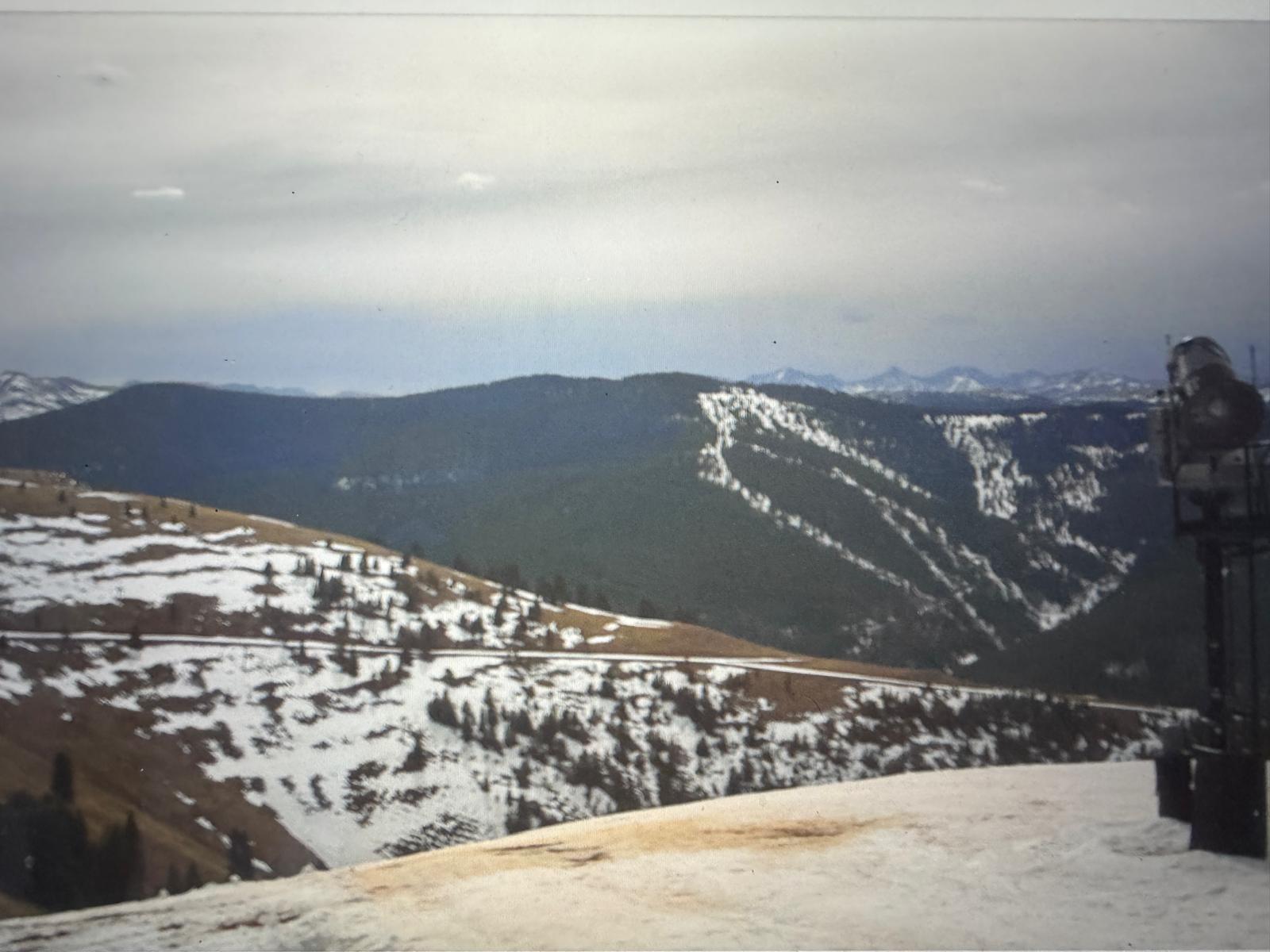
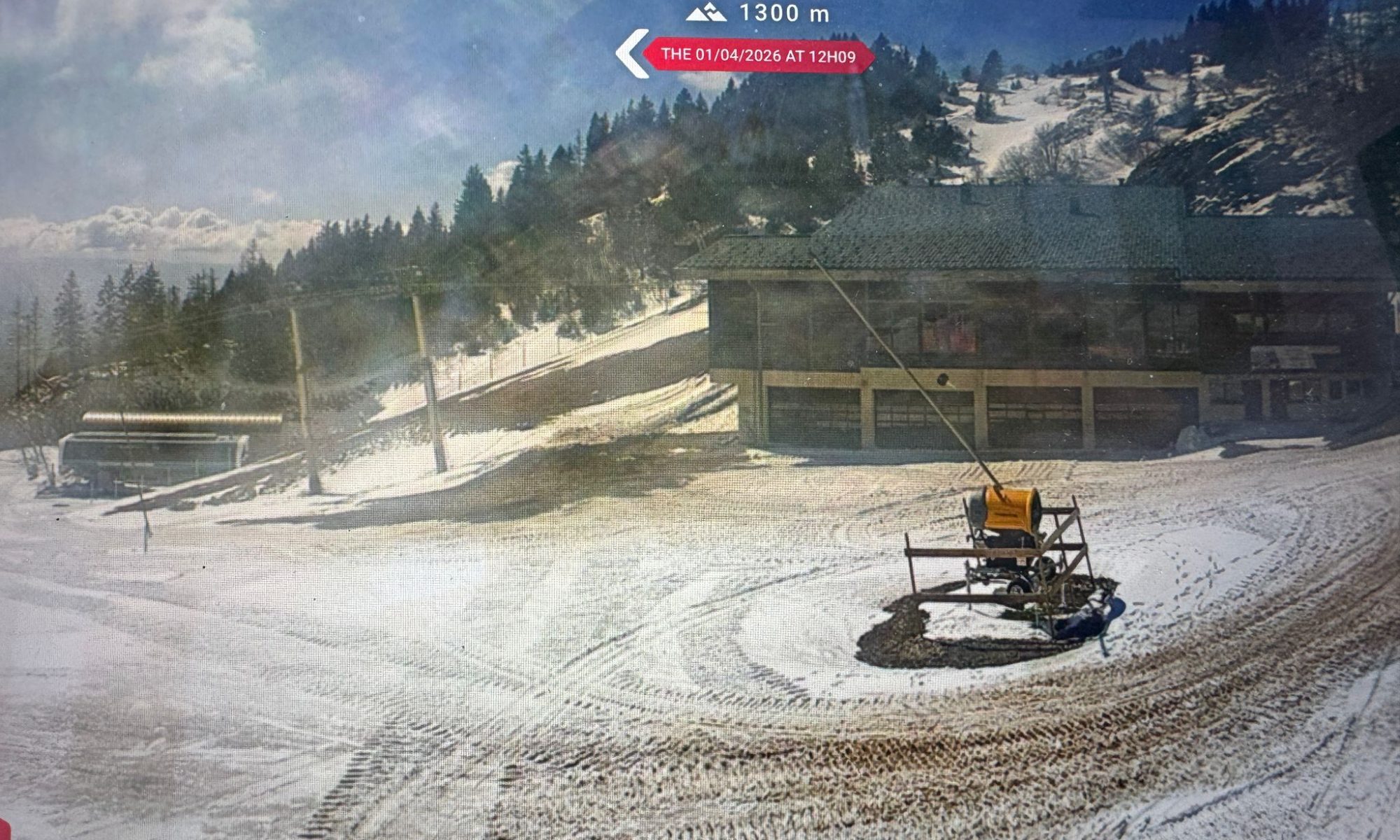
Télécabine de Crozet- Monts Jura webcam. 1st April 2026

Introduction

At the end of March 2026, new snow data from AINEVA offers a revealing snapshot of conditions across the Italian Alps. The picture is not one of simple snow shortage, but of increasing variability and instability, particularly at lower elevations. Across parts of the Alps, and in mountain ranges such as the Jura and Vosges, the 2025/26 winter is highlighting a pattern that has become increasingly evident in recent years: snowpack is becoming more volatile, even within a single season.


A Season of Swings: February Peak, March Melt

According to AINEVA, the maximum snow depth, measured through the HSimed index, was reached during the second half of February. What followed was not a gradual seasonal transition, but a sequence of sharp changes. Mild temperatures in early March led to a significant reduction in snow depth, pushing levels below seasonal norms. Snowfall in mid-March temporarily restored conditions closer to average, while a later drop in temperatures slowed the rate of melt. However, this cooling did not reverse the broader pattern. The result has been a highly dynamic snowpack, shaped by rapid fluctuations rather than a stable seasonal base.

Continue reading “Low-Altitude Alps & Jura: What March 2026 Reveals About Snow Reliability in Europe”

Italian Alps Snowpack Update: Depth Recovers — But the Water Deficit Remains

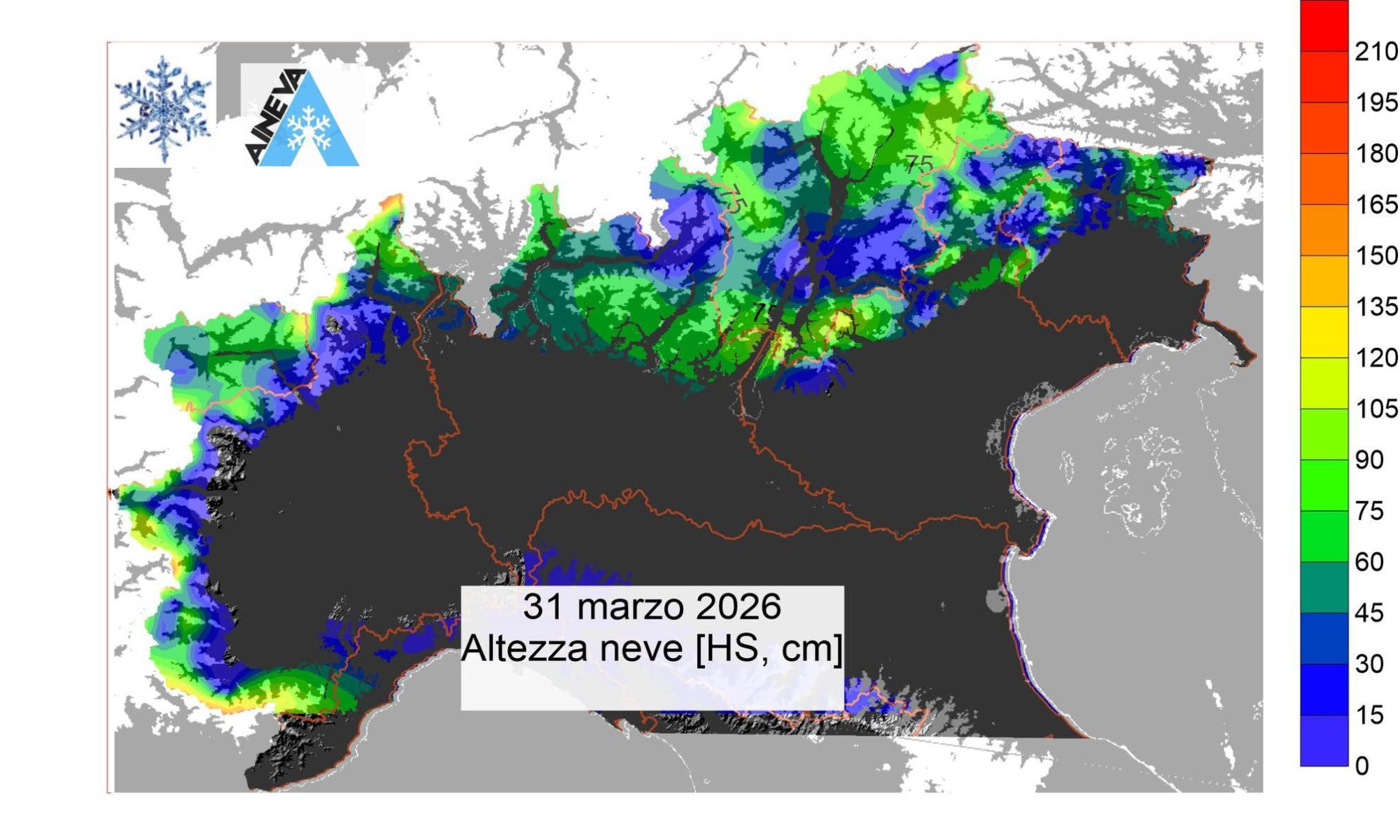
Snow Altitude Italian Alps 31st March 2026. Aineva.

At the end of March 2026, the snowpack across the Italian Alps presents a mixed and nuanced picture.

According to data from AINEVA, recent snowfall has helped restore snow depth to near-normal levels in many areas. However, a key underlying indicator — the snow water equivalent (SWE) — remains below average, pointing to a weaker overall water reserve within the snowpack.

👉 For broader context on how warming trends are reshaping Alpine snow conditions, see Snow Conditions in a Warming Alpine Climate.


February Peak Still Defines the Season

The current winter season continues to be shaped by a distinct peak in mid-February.

Maximum snow depth across the Italian Alps was reached during mid to late February, when a series of snowfall events significantly increased accumulation.

Continue reading “Italian Alps Snowpack Update: Depth Recovers — But the Water Deficit Remains”

Record Heat Ends Ski Season Early in the US — What It Signals for the Alps

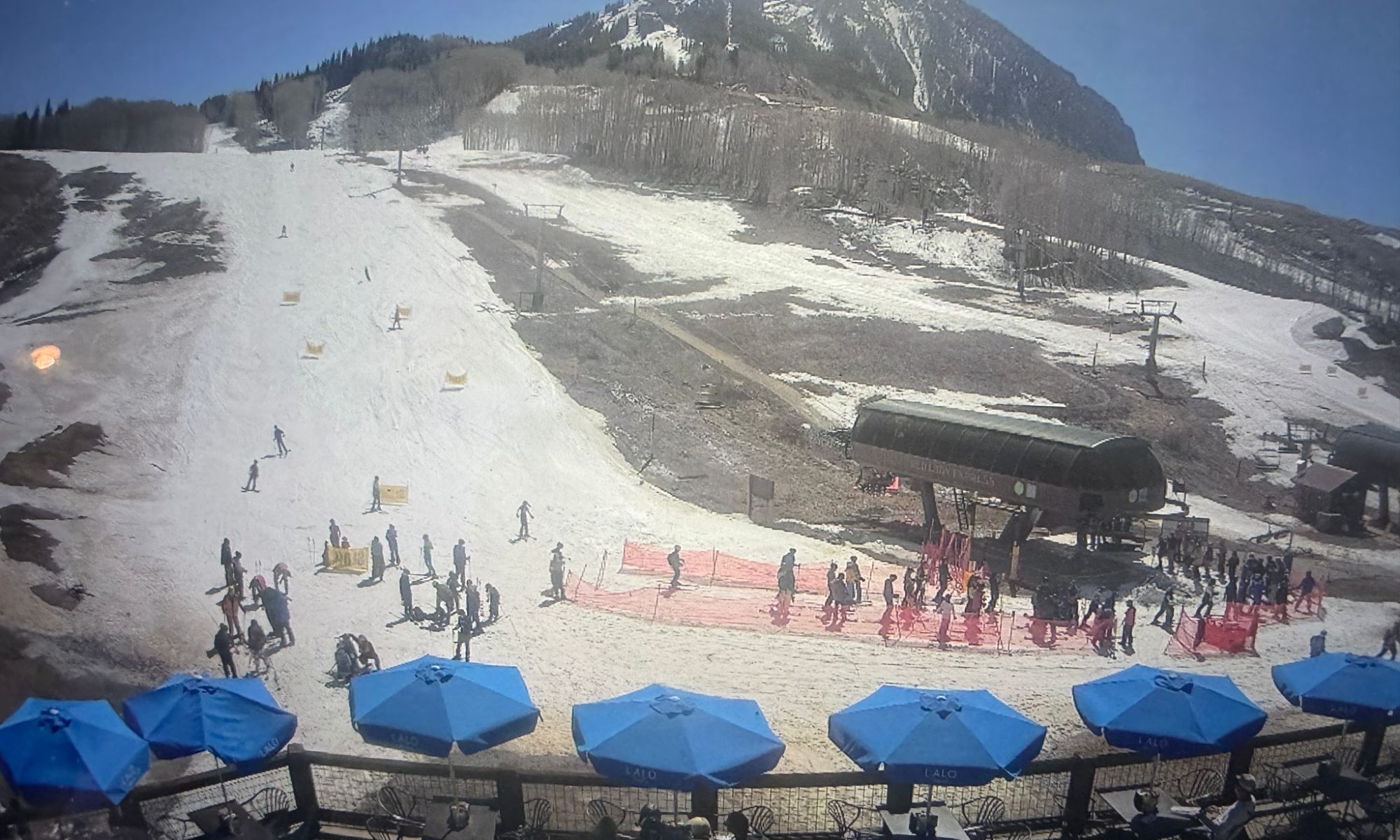
Sun Up Bowl view - Vail Resort webcam. 31 March, 2026.

Record heat is forcing ski resorts in North America to close early or operate with severely reduced terrain — highlighting growing pressure on the ski season.

At resorts operated by Vail Resorts, reports indicate that less than 20% of terrain remained open in some areas, as temperatures surged well above seasonal norms. In some cases, snow has been redistributed or mechanically moved to maintain limited operations.

While individual warm spells are not new, the timing and intensity of these events are shifting, raising broader questions about the structure of the ski season itself.

👉 For a full overview of one of North America’s most important destinations, see our guide to skiing Whistler Blackcomb, the largest ski resort on the continent with over 8,000 acres of terrain.

Continue reading “Record Heat Ends Ski Season Early in the US — What It Signals for the Alps”

📰 Whistler Ski Resort Guide: How to Get There, Where to Stay & How to Ski It

Evening activities in the village in Whistler Blackcomb. Photo: Paul Morrison. Whistler Blackcomb. Vail Resorts. New investments in Whistler Blackcomb to enhance the guest experience will be ready for the 2018-19 ski season.

The Must-Read Guide to Whistler


How to get there, where to stay and how to ski one of North America’s most famous mountains

Introduction

Whistler Blackcomb is not just one resort — it is two very different mountains, each with its own terrain, snow conditions and character.

👉 You can read more about how warming trends are affecting snow reliability in Snow Conditions in a Warming Alpine Climate.

Located in British Columbia about two hours north of Vancouver, Whistler combines vast ski terrain with a lively pedestrian village full of restaurants, hotels and après-ski options.

The two mountains are linked by the spectacular PEAK 2 PEAK Gondola, one of the most impressive lift systems ever built.

What makes Whistler particularly appealing is its range. Expert skiers come for the size and variety of terrain, intermediates enjoy the long cruising runs, beginners have dedicated learning areas, and non-skiers can still experience the mountains through lifts, viewpoints and restaurants.

A family enjoying its time together in Whistler Blackcomb. Photo: Whistler Blackcomb - Vail Resorts.
Family enjoys a mountain host in Whistler Blackcomb, CAN. Photo: Whistler Blackcomb- Vail Resorts.

Continue reading “📰 Whistler Ski Resort Guide: How to Get There, Where to Stay & How to Ski It”

Early Melt Forces Ski Resort Closures Across Colorado & Utah

Base of Mt Crested Butte on 27th March, 2026 webcam. Crested Butte is one of the resorts that is having shrinking terrain to offer due to an extremely hot spring.

An unusually warm March across the western United States is forcing early ski resort closures in Colorado and Utah, as rapidly melting snowpack and thinning coverage reduce terrain and raise safety concerns — a dynamic increasingly familiar across Alpine regions, where mid-season warm spells are also reshaping snow conditions.

Several resorts have already shut, while others are now expected to close earlier than planned. What would normally be a gradual late-season transition has instead become a rapid shift from winter to spring.

👉 Snow Conditions in a Warming Alpine Climate


Colorado Ski Resorts Facing Early Closure After March Heatwave

Across Colorado, the 2025–2026 ski season is ending earlier than expected following a sustained period of above-average temperatures combined with a relatively weak snowpack.

Continue reading “Early Melt Forces Ski Resort Closures Across Colorado & Utah”

Wind Slabs Trigger Multiple Avalanches Across the French Alps After Storm Cycle

A wind slab- photo: Avalanche.org. Why Wind Is One of the Most Dangerous Avalanche Triggers.

A series of avalanche incidents reported on 26 March 2026 across the French Alps, particularly in Haute Tarentaise, Maurienne and Vanoise, point to a renewed phase of instability driven by strong winds, very cold temperatures, and fresh snow accumulation.

According to field observations and local reporting including Le Dauphiné Libéré, current conditions are favouring the formation of wind slabs (plaques à vent) — one of the most dangerous and unpredictable avalanche problems in the Alps.

These types of conditions are typically reflected within the
👉 European avalanche danger scale (Levels 1–5 explained)
https://www.the-ski-guru.com/2026/03/14/european-avalanche-danger-scale-levels/


PIDA Operations in Tignes: Wind Slabs Forming Under Extreme Conditions

In Tignes (Col de la Leisse, above the Génépi piste), avalanche control teams carried out manual PIDA operations as activity resumed under severe weather conditions.

Continue reading “Wind Slabs Trigger Multiple Avalanches Across the French Alps After Storm Cycle”

📰 Vail and Alterra Lawsuit: Ski Pass Pricing Under Antitrust Scrutiny

Vail and Alterra Lawsuit: Ski Pass Pricing Under Antitrust Scrutiny

A proposed class action lawsuit filed on March 23, 2026, in a US federal court in Colorado is targeting the two dominant players in the ski industry — Vail Resorts and Alterra Mountain Company — over the pricing of their multi-resort passes.

The case directly challenges the model behind the Epic Pass and Ikon Pass, part of how multi-resort ski passes like Epic and Ikon operate.

Over the past decade, these pass systems have fundamentally reshaped how skiing is sold, shifting the industry from pay-per-day access to advance, bundled pricing models.

For an industry already dealing with snow conditions in a warming Alpine climate, rising costs, and changing skier behaviour this is more than just a legal dispute. It is a direct challenge to how modern skiing is sold.


The core of the complaint

At the centre of the lawsuit is a simple question: are skiers really choosing passes freely, or are they being pushed into them?

The plaintiffs — skiers from Colorado and Massachusetts — argue that Vail Resorts and Alterra effectively control access to a large share of major destination resorts in North America. According to the filing, this dominance allows both companies to keep single-day lift ticket prices high, while making multi-resort passes appear comparatively good value.

Continue reading “📰 Vail and Alterra Lawsuit: Ski Pass Pricing Under Antitrust Scrutiny”

La Grave, France: What You Need to Know Before Skiing One of the Alps’ Most Extreme Areas

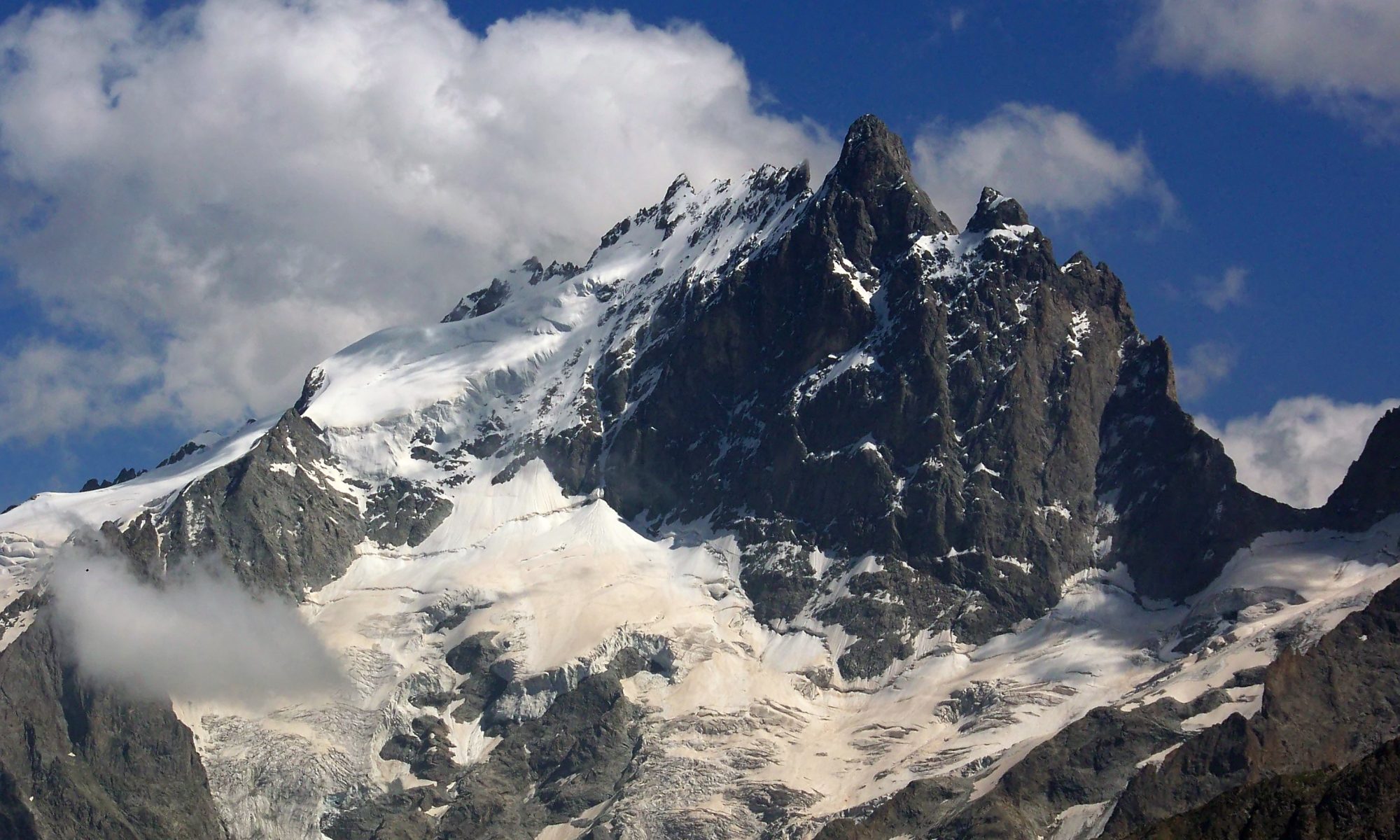
Pic de la Meije. Photo: Eusebius. Wikipedia.

🧭 Introduction

In an Alpine world increasingly defined by lift networks, snowmaking and controlled pistes, La Grave stands apart.

This is not a conventional ski resort. There are no marked runs, no groomed pistes in the usual sense, and no fully avalanche-controlled ski area. Instead, La Grave offers direct access to high-alpine terrain where skiing and mountaineering often overlap — and where the consequences of mistakes can be severe.


📍 What La Grave Actually Is

La Grave is best understood not as a resort, but as a village with lift access into extreme terrain.

A single cable car (the Téléphérique des Glaciers de la Meije) rises from the village to over 3,200 metres, opening access to more than 2,000 metres of vertical descent. From there, skiers enter a vast area of ungroomed, glaciated slopes, couloirs and high-mountain faces.

There is almost no piste infrastructure. Routes are not marked, conditions are not standardised, and the terrain is left largely in its natural state.

👉 In simple terms:
La Grave is designed to access the mountain — not to make skiing safe.

While La Grave represents one of Europe’s most extreme lift-served environments, other models of access are emerging globally — including private ski developments like this recent project in Nevada’s Ruby Mountains.


Continue reading “La Grave, France: What You Need to Know Before Skiing One of the Alps’ Most Extreme Areas”