How Bariloche Is Reinventing Itself As South America’s Leading Four-Season Mountain Destination

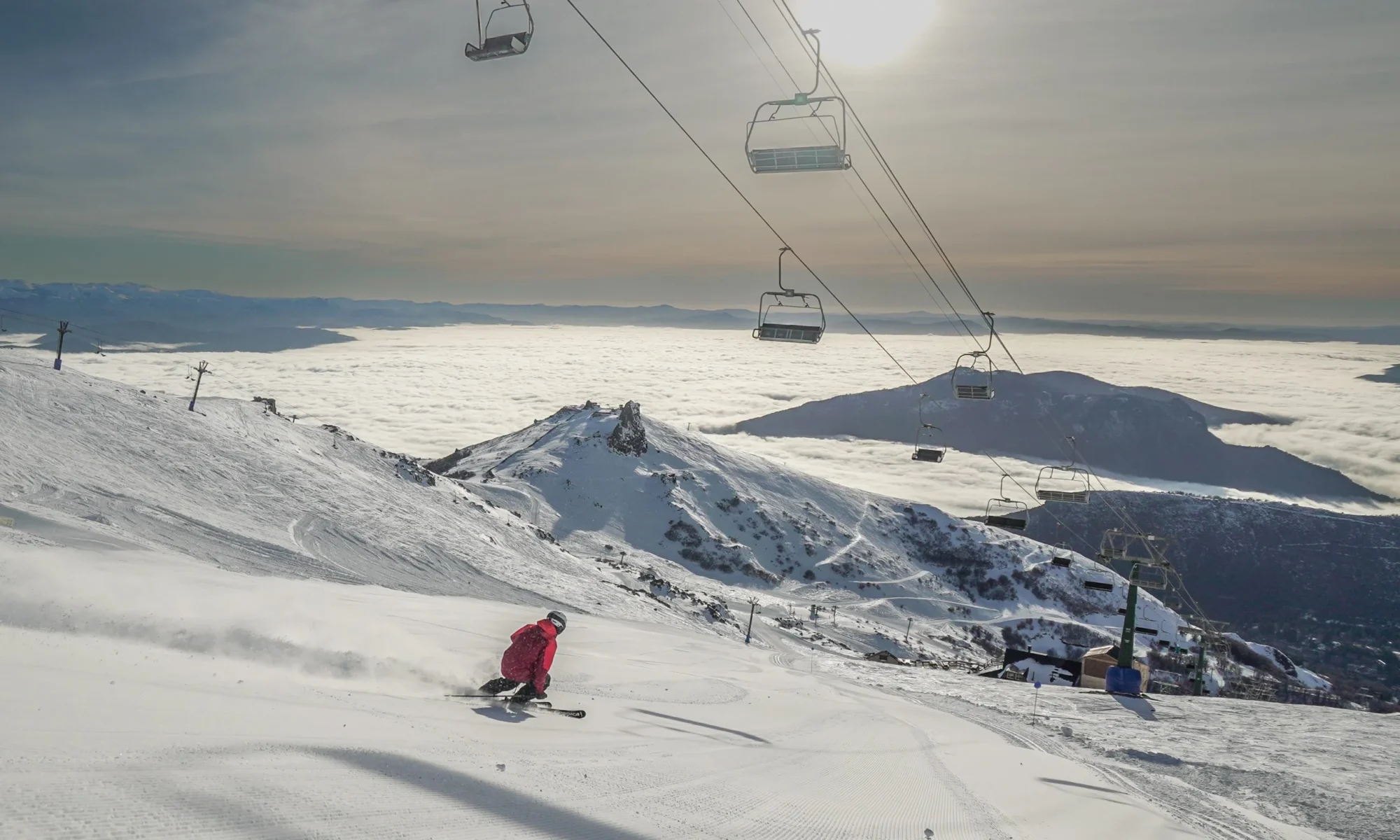
Catedral Alta Patagonia, skiing over the clouds that are hugging the Nahuel Huapi Lake. Bariloche Year-Round Destination: Skiing, UTMB & Cerro Catedral.

Bariloche is rapidly evolving into a year-round destination while remaining South America’s leading ski resort. Set on the shores of Lake Nahuel Huapi and surrounded by the Patagonian Andes, the city is home to Cerro Catedral, Argentina’s largest ski resort and one of the biggest in the Southern Hemisphere.

Every winter, thousands of Argentine, Brazilian, Chilean and international visitors head to Bariloche for its combination of skiing, spectacular scenery and alpine atmosphere.

Yet today, the city is pursuing a broader vision.

Rather than depending solely on winter, Bariloche is steadily evolving into a year-round mountain destination, combining skiing with hiking, trail running, mountain biking, lake activities, gastronomy, business events and international sporting competitions.

It is a strategy increasingly seen across mountain destinations worldwide. Resorts from the Alps to North America are investing in experiences that attract visitors throughout the year while strengthening winter operations through improved infrastructure and snowmaking.

Bariloche is following the same path.

Continue reading “How Bariloche Is Reinventing Itself As South America’s Leading Four-Season Mountain Destination”

South American Skiing: Chile’s Established Markets and Argentina’s Untapped Opportunity

Las Leñas peak in the background, that triangle shape on the right hand side of the picture - the expanse of Las Leñas is incredible! - Photo by Las Leñas ski resort. Focus on South American Ski Resorts- High Andes: Valle Nevado, Portillo and Las Leñas – Chile and Argentina

South American skiing has one of the most distinctive propositions in the world. It offers Southern Hemisphere winter, high Andean scenery, a different culture, a different calendar and the chance for skiers from the Northern Hemisphere to extend their season when the Alps and North America are in summer.

But Chile and Argentina should not be treated in exactly the same way.

Chile already has a stronger track record in North America. Resorts such as Portillo and Valle Nevado have marketed to the United States for many years, and the Chilean ski product is relatively easy for international tour operators to understand because much of the visitor journey can be coordinated through the resort or specialist partners. Argentina, by contrast, has powerful ski destinations and a natural opportunity in the United States and Europe, but the product can feel more fragmented from outside the market.

That is the dichotomy. Chile is already better established internationally, especially in the US and Brazil, while Argentina has enormous potential but needs clearer packaging, stronger trade education and a simpler story for new markets.

Continue reading “South American Skiing: Chile’s Established Markets and Argentina’s Untapped Opportunity”

Why Ski Resorts Are Turning to Four-Season Tourism

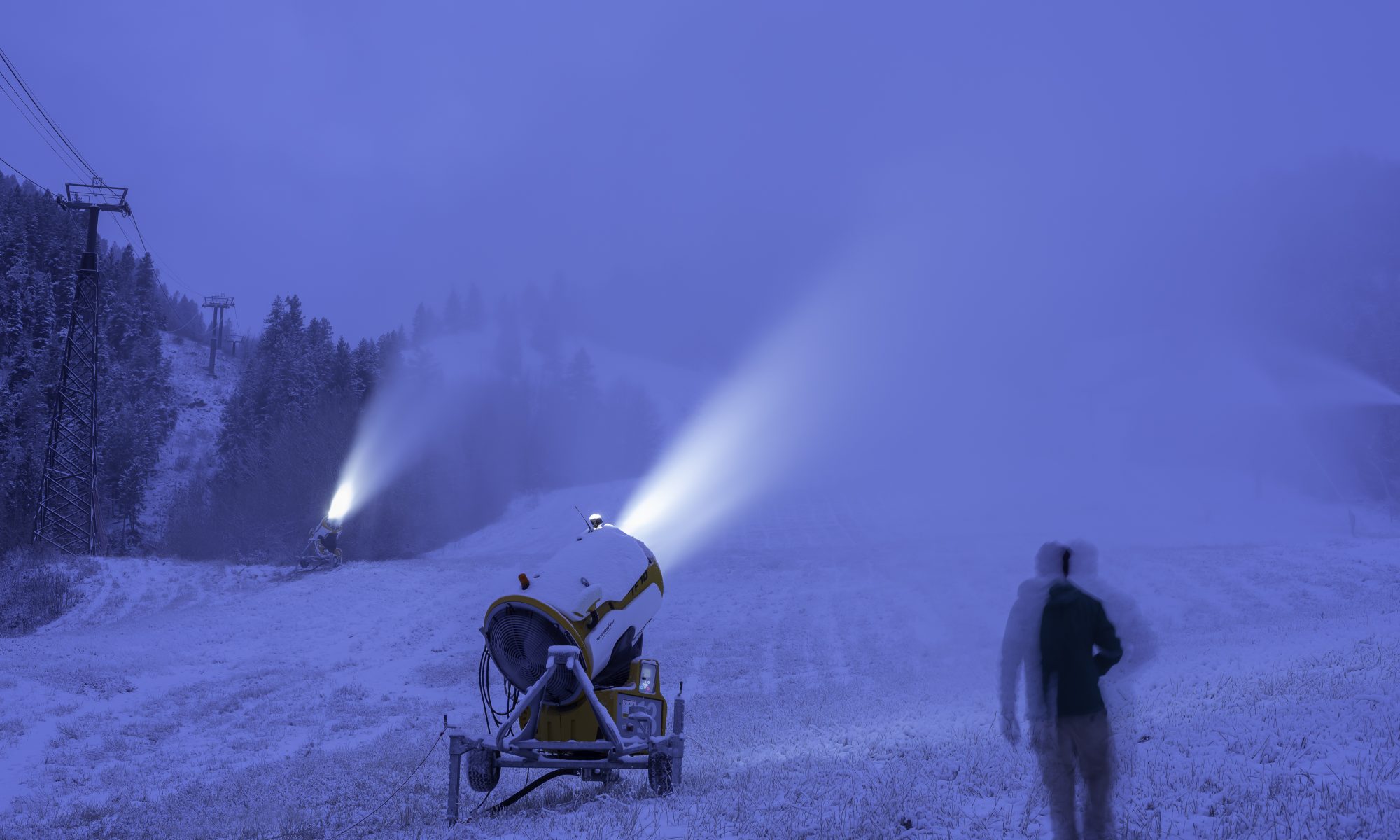
Snowmaking in Ajax. Photo: Dan Bayer. Aspen Skiing Company. Snowmaking Operations Underway at Aspen Snowmass for the 2018-19 Season

Why Ski Resorts Are Turning to Four-Season Tourism

For decades, mountain resorts lived by the rhythm of winter — snow, skiing, après-ski, repeat. That rhythm is changing. Climate variability, shifting travel habits, and a growing love for outdoor experiences are pushing ski areas to think beyond the slopes. Across the Alps and the Rockies, destinations are embracing a four-season model, turning themselves into year-round playgrounds for adventure, wellness, and culture.


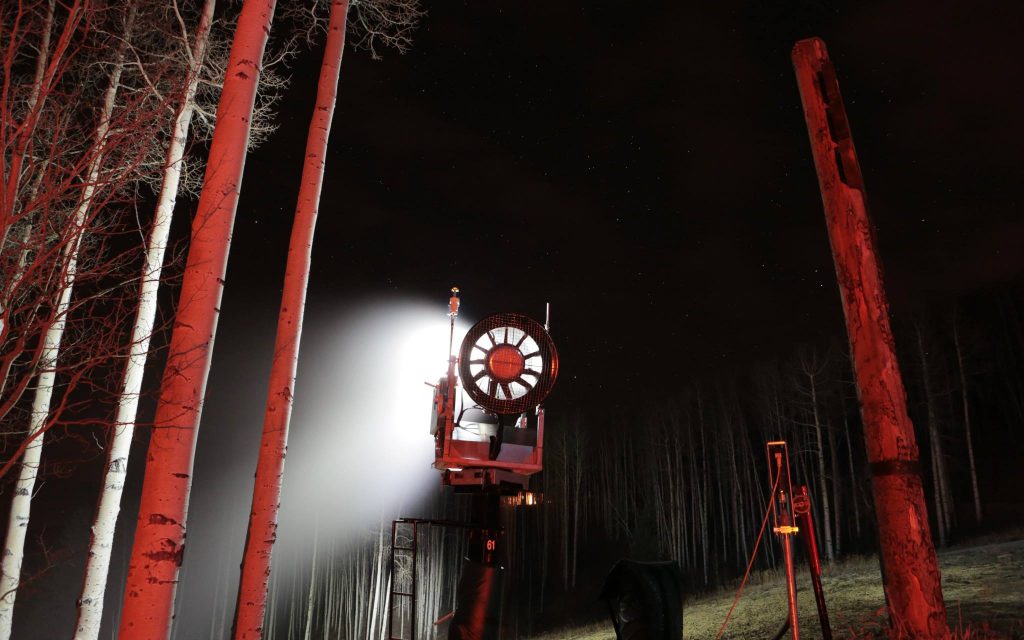
Beaver Creek Gold Dust Trail Snowmaking- Photo: Vail Resorts. Vail Resorts Announces Long-Term Wind Energy Contract And Plan To Eliminate Conventional Single-Use Dining Plastics In Its ‘Commitment To Zero’.
Beaver Creek Gold Dust Trail Snowmaking- Photo: Vail Resorts.

❄️ The Challenge: Unpredictable Winters

Winters aren’t what they used to be. National climate scenarios for Alpine countries (as the report I’ve just written about that was for Switzerland) show a steady rise in temperatures, more frequent warm spells, heavier rainfalls, and a snowline that keeps creeping uphill. Lower resorts can no longer rely on consistent snowfall. Even higher ones are investing heavily in snowmaking — which adds pressure on energy, water, and budgets if not managed smartly.

Continue reading “Why Ski Resorts Are Turning to Four-Season Tourism”