Natural D3 Avalanche Observed from Chairlift at Orcières (No Injuries)

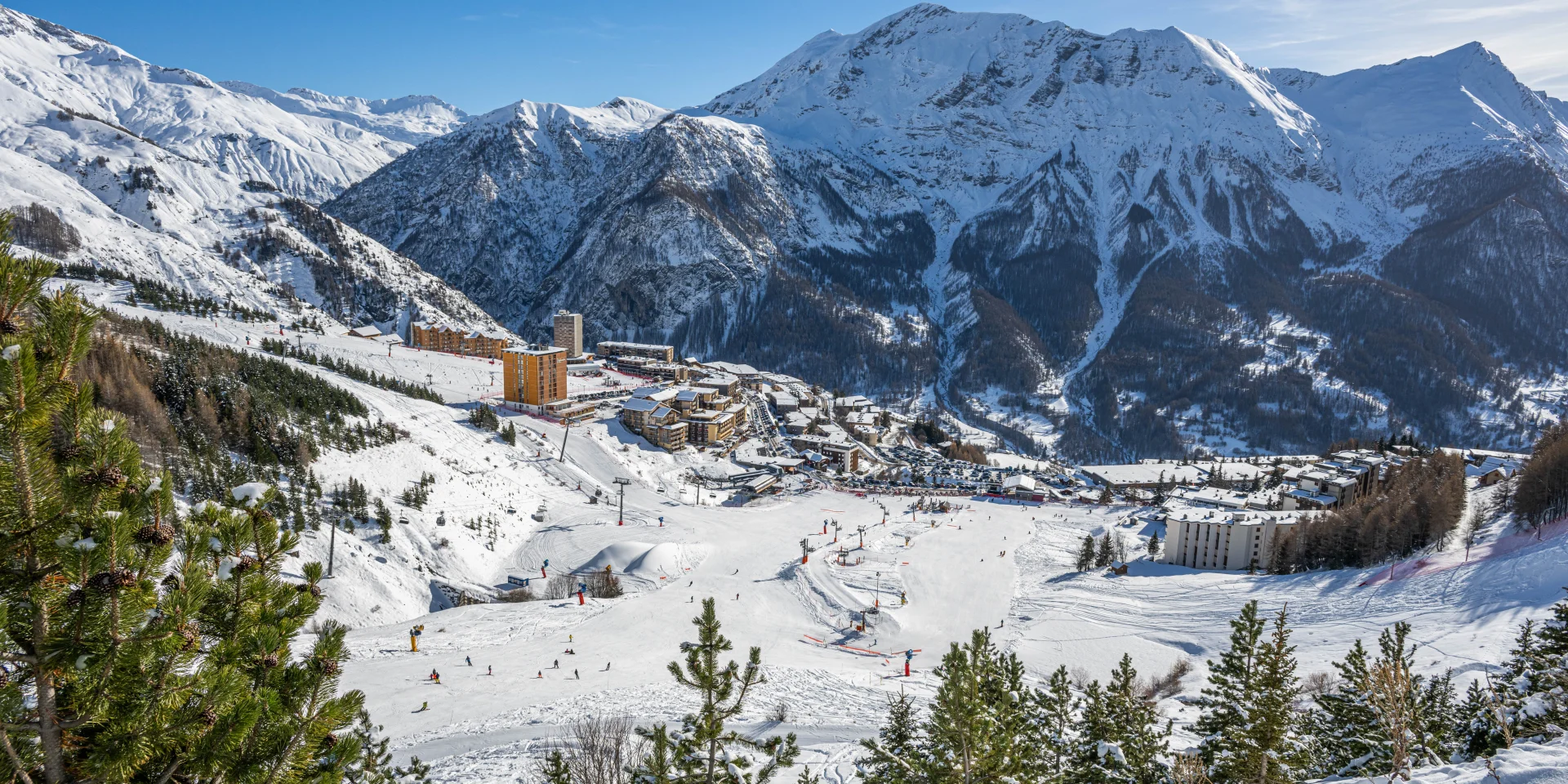
The resort of Orcières-Merlette 1850. Photo: Gilles Baron. Orcières.

Natural D3 Avalanche Observed from Chairlift at Orcières

A natural avalanche likely classified as Destructive Size 3 (D3) was observed at Orcières Merlette 1850 in the Hautes-Alpes during the current Alpine instability cycle.

The slide occurred on steep terrain beneath an operating chairlift. No skiers were caught and no injuries have been reported.

This event adds to the ongoing February 2026 Alpine avalanche cycle affecting multiple French regions.

What Does D3 Mean?

On the North American destructive size scale, a D3 avalanche is capable of:

  • Destroying a wood-frame house

  • Breaking large trees

  • Damaging small buildings

  • Producing significant debris fields

While European bulletins primarily use the 1–5 danger scale, destructive size classifications provide additional context for the physical power of a slide.

Continue reading “Natural D3 Avalanche Observed from Chairlift at Orcières (No Injuries)”
Southern Alps Avalanches February 2026 (Western Alps Overview)

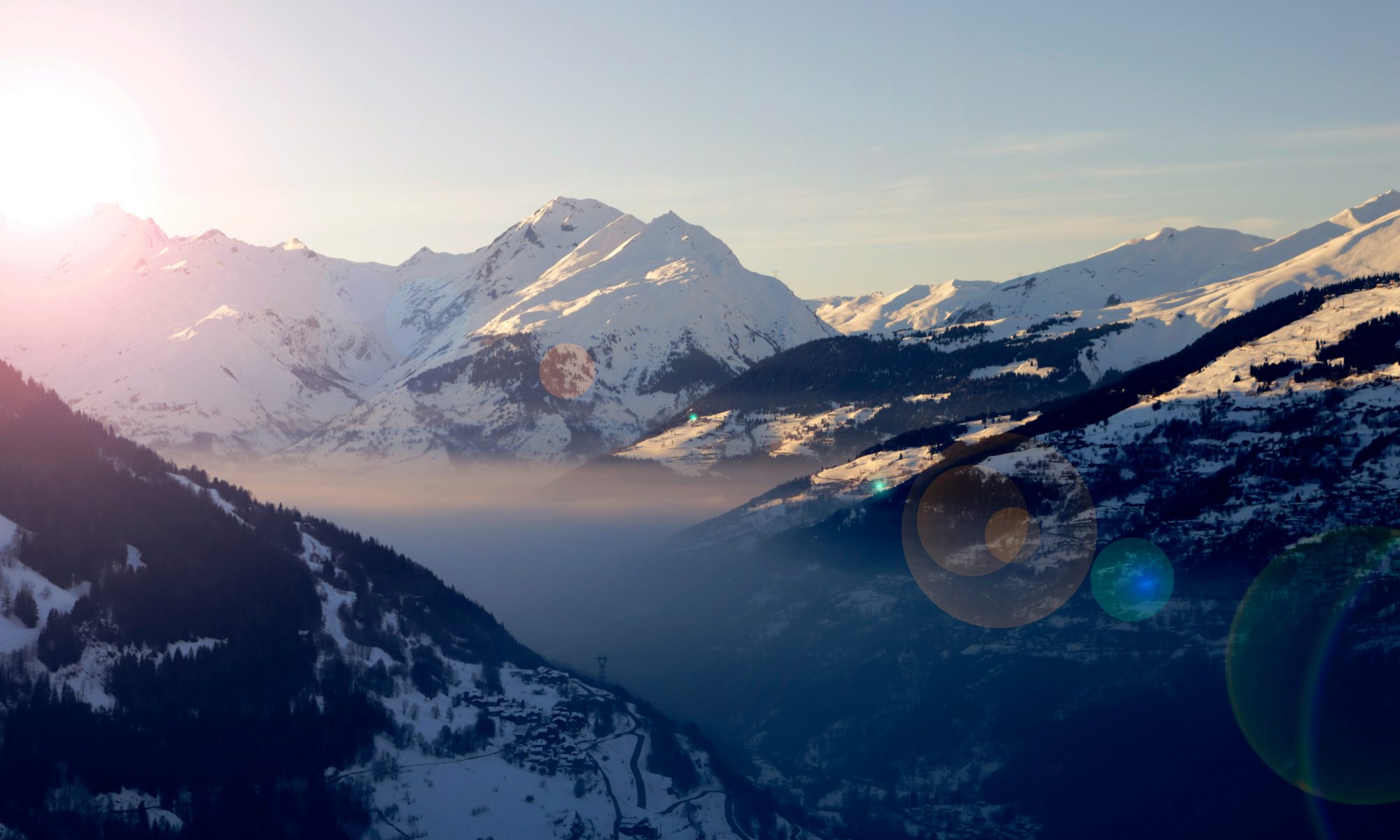
St. Foy-Tarentaise-Photo: Valdemaras Januska. Unsplash. Southern Alps avalanches February 2026.

Southern Alps avalanches February 2026 highlight a continued instability phase across multiple Alpine massifs between 21 and 26 February.

Between 21 and 26 February 2026, widespread avalanche activity was observed across the Southern and Western Alps, including the Écrins, Queyras, Vanoise, Beaufortain, Haute Tarentaise and the Aosta Valley.

Unlike isolated accident reports, these observations show a broader structural pattern:
• Deep slab failures
• Spontaneous releases during warming
• Glide avalanches and reptation
• Hard slabs transitioning into wet snow on south-facing slopes

This phase followed the intense storm cycle and coincided with rising freezing levels across the Alps.

Most of the following observations are drawn from the public database at data-avalanche.org, complemented where possible by regional reporting.

Continue reading “Southern Alps Avalanches February 2026 (Western Alps Overview)”

Avalanche Control on Ski Slopes: The System Behind “Safe In-Bounds Skiing”

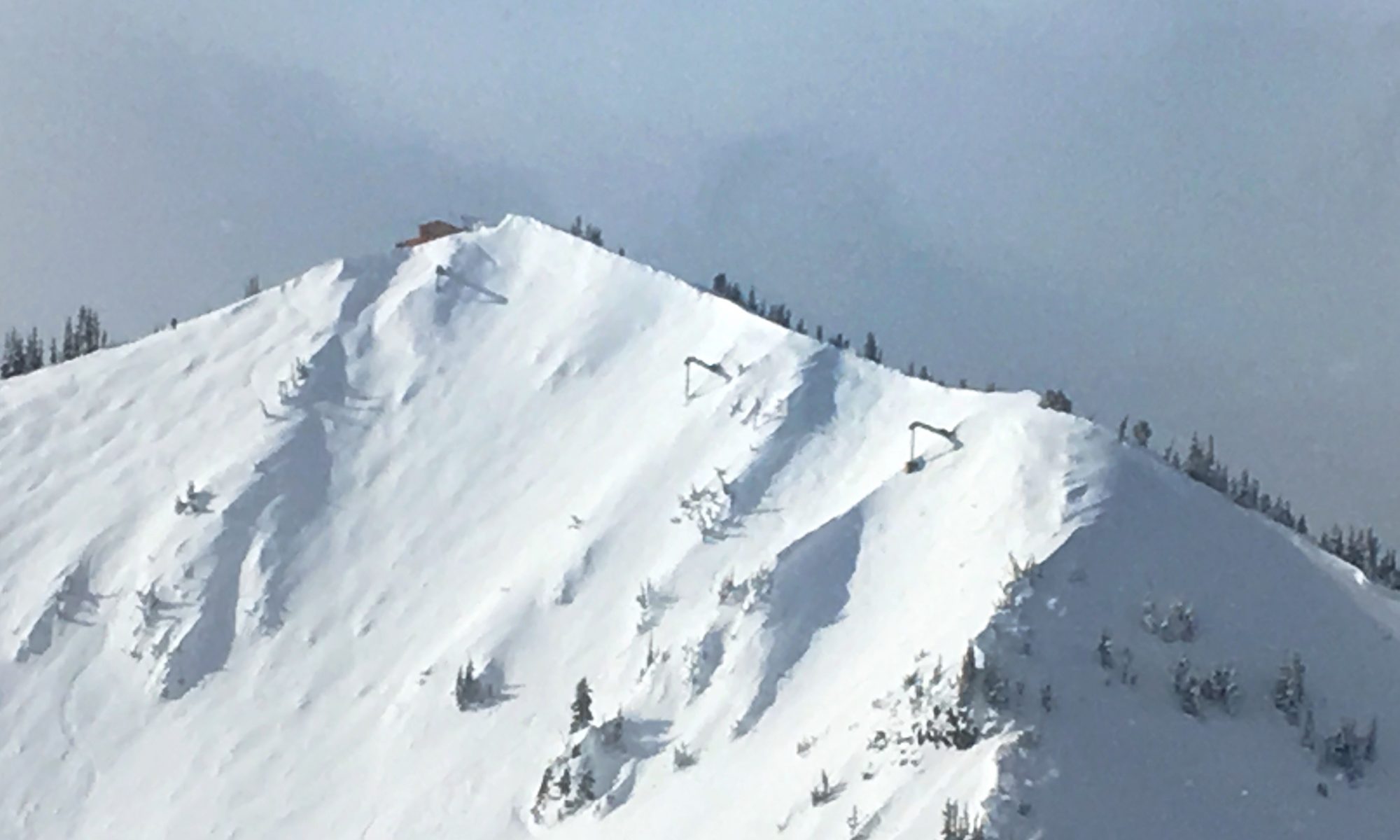
Detail of the Gaz-ex installed at Powder Bowl - photos by Kim Kirchner. High prone avalanche terrain

Most skiers assume that if a run is open, it is avalanche-proof. In reality, ski resorts reduce avalanche risk dramatically — but they cannot eliminate it completely, especially during Level 4 (Strong) and Level 5 (Very Strong) danger periods on the European avalanche danger scale.

During recent Alpine storm cycles, including February 2026, several incidents raised an important operational question: how can an avalanche reach or cross an open piste — and what systems are supposed to prevent that?

This explainer walks through the real-world avalanche control toolkit used by Alpine resorts, and what “extreme conditions” mean for in-bounds safety.


What Is PIDA?

In France, avalanche control on or near ski slopes is typically organised under a PIDA:

Continue reading “Avalanche Control on Ski Slopes: The System Behind “Safe In-Bounds Skiing””