Where to Check Mountain Closures in the Alps

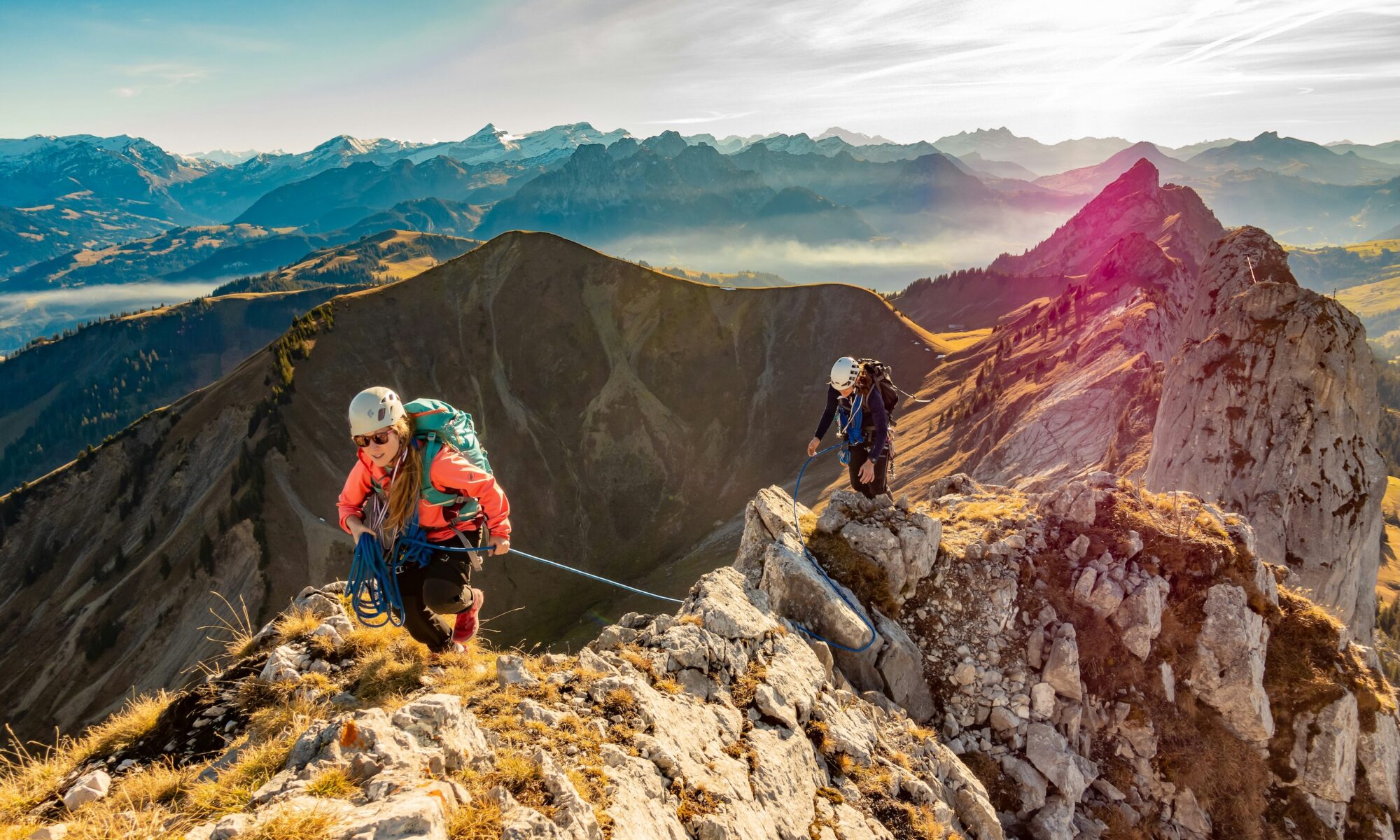
Mountaineering in the Swiss Alps in Gastlosen, Saanen. Photo credit: Sylvain Mauroux. Unsplash. Check mountain closures in the Alps

Knowing where to check mountain closures in the Alps is increasingly important as extreme heat, thunderstorms, rockfalls, flooding and rapidly changing glacier conditions affect trails, lifts, roads and mountaineering routes.

However, finding reliable information is not always straightforward. There is no single website covering every mountain closure across France, Italy, Switzerland, Austria and Slovenia. Information may be published by a lift operator, municipality, regional authority, mountain rescue organisation, alpine club or mountain hut — and each may be reporting on something different.

A cable car can be operating while a hiking trail from its upper station is closed. A mountain hut can be open even though one of its access routes is no longer considered safe. A mountaineering route may not be officially closed but may have been abandoned by local guides because of rockfall, crevasses or unstable ice.

Here is where to check before travelling into the Alps.

Continue reading “Where to Check Mountain Closures in the Alps”

🚡 Why Cable Cars Shut Down in Strong Winds — And What Can Go Wrong in Extreme Conditions

Peak 2 Peak Gondola in Whistler Blackcomb. Photo: The-Ski-Guru.

Following the recent Engelberg cable car accident, it’s important to note that cable cars (gondolas) are among the safest forms of transport in the mountains. However, strong winds remain one of the most critical risks for lift operations, especially in exposed high-alpine terrain.

The recent Engelberg cable car accident in the Titlis ski area — where a cabin fell during powerful gusts — highlights how quickly conditions can change in the mountains.

👉 Read the full incident: Engelberg Cable Car Accident: One Dead After Cabin Falls in Strong Winds

Continue reading “🚡 Why Cable Cars Shut Down in Strong Winds — And What Can Go Wrong in Extreme Conditions”

Engelberg Cable Car Accident: One Dead After Cabin Falls in Strong Winds

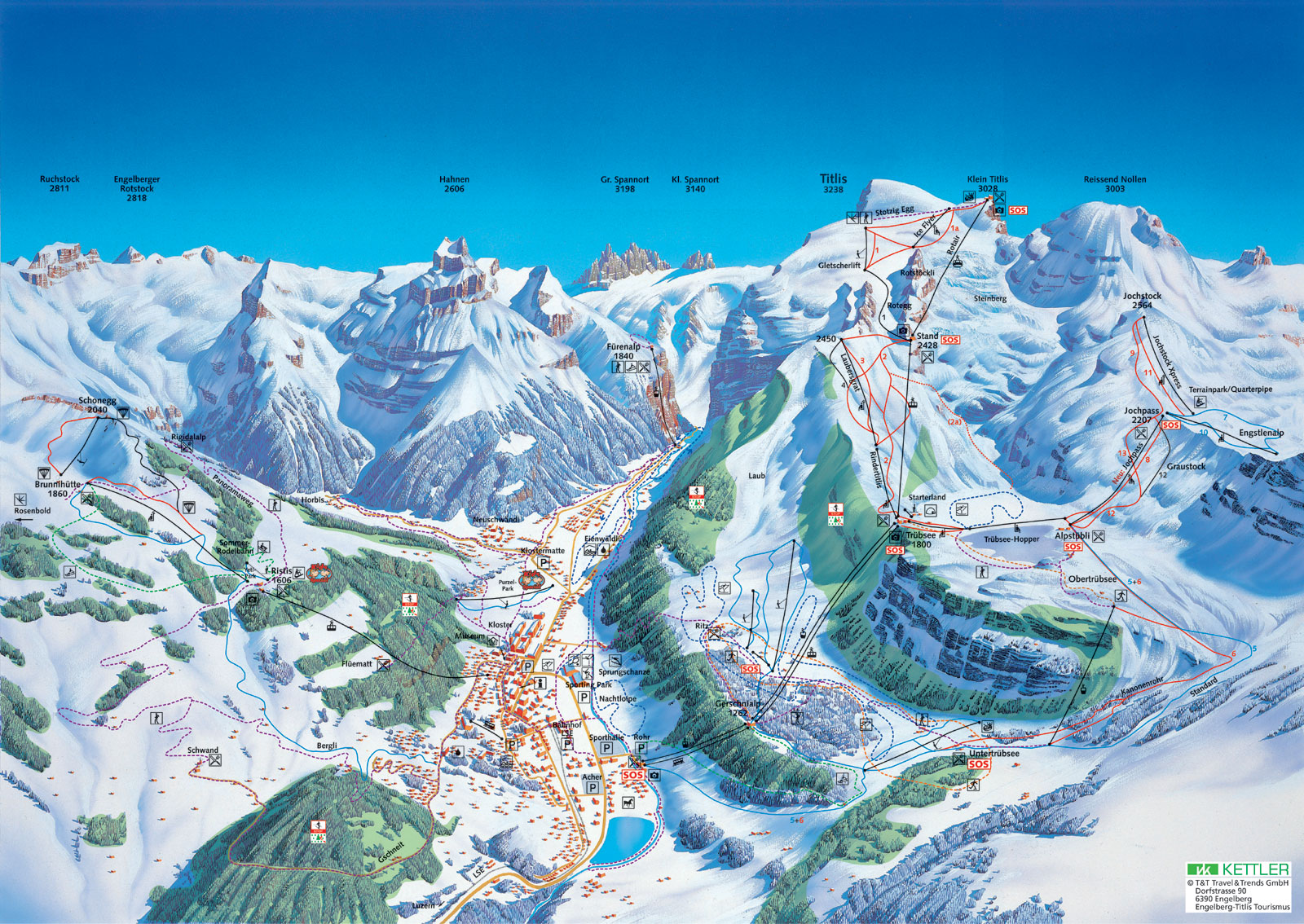
Ski Map Engelberg

A fatal incident has been reported in Engelberg, Switzerland, where a cable car cabin fell during strong winds, resulting in one confirmed death and triggering a major emergency response.

👉 UPDATE (18 March 2026 – afternoon): Authorities have confirmed that a 61-year-old woman, who was alone in the cabin, died in the accident. The cabin is reported to have detached shortly after departing the Trübsee station and rolled multiple times down the slope.

Around 100–200 passengers were evacuated from other cabins on the lift following the incident. Investigations are now focusing on weather conditions, lift operations and possible technical factors, with gusts reported to have reached up to 130 km/h in exposed areas.

👉 UPDATE (18 March 2026): One person has died after a cable car cabin fell in Engelberg, Switzerland, during strong winds. Emergency services, including helicopter rescue teams, are on site as authorities investigate the incident.

Cable car accidents are extremely rare, but severe weather — particularly strong winds — remains one of the main operational risks in high-alpine environments.

Events like this are increasingly linked to extreme weather in the Alps, where stronger wind events and rapid weather shifts are affecting mountain operations.

What We Know So Far

  • A cabin of a gondola lift (ovovia) is said to have fallen due to strong winds

  • The incident occurred in the Titlis ski area, the largest ski resort in central Switzerland

  • The lift involved has been identified as the Titlis Xpress (Trübsee–Stand line)

  • Authorities have confirmed that a 61-year-old woman, who was alone in the cabin, died in the accident

  • Emergency services are on site, including helicopter rescue teams

  • Weather conditions in the area included strong gusts affecting lift operations, with reports of wind reaching up to 130 km/h in exposed areas

  • Around 100–200 passengers were evacuated from other cabins after the system was shut down

According to early witness reports, the cabin detached shortly after the Trübsee station and rolled multiple times down a snow-covered slope.

    At this stage, details are still emerging, and some elements of the incident remain unconfirmed pending official statements from Swiss authorities and the lift operator.

    Weather Factor: Strong Winds in the Alps

    This incident comes amid unstable weather conditions across parts of the Alps, with high avalanche danger already reported in Switzerland in recent days (see our latest update on Level 4 avalanche conditions in Switzerland).

    Modern cable car systems are designed with strict safety protocols, including:

    • Wind speed thresholds for automatic shutdown
    • Continuous monitoring of cable tension and cabin stability
    • Emergency evacuation procedures

    However, extreme gusts—particularly in high-alpine terrain like Titlis—can still create hazardous situations.

    Reports indicate that lift systems may trigger alarms at relatively low wind speeds and require shutdown well below extreme gust levels, highlighting how rapidly conditions can exceed safe operating thresholds.

    Strong winds are among the primary reasons lifts are shut down in Alpine resorts, as sudden gusts can destabilise cabins and cables, especially on exposed sections (read our full explanation on why cable cars shut down in strong winds and what can go wrong).


    Continue reading “Engelberg Cable Car Accident: One Dead After Cabin Falls in Strong Winds”

    Avalanche Activity Across the Alps & Pyrenees: Widespread Instability Raises Concerns (11–12 January 2026)

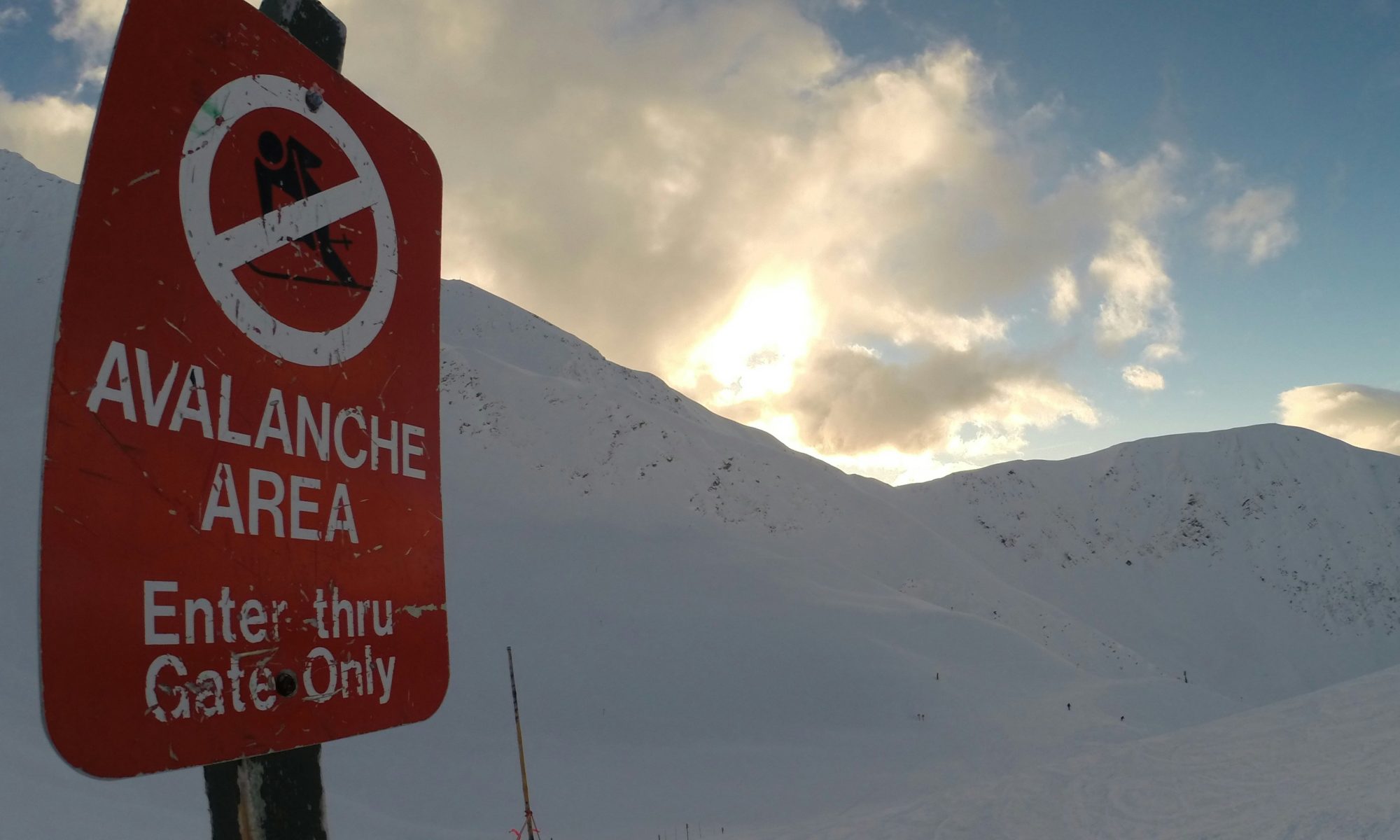
    Avalanche danger sign. Photo: Bruce Warrington- Unsplash. Avalanche Activity Across the Alps & Pyrenees: Widespread Instability Raises Concerns (11–12 January 2026).

    ⚠️ A Concerning Weekend for Avalanche Safety in Europe’s Mountains

    The weekend of 11–12 January 2026 saw a notable concentration of avalanche incidents and heightened warningsacross the Alps and the Pyrenees, affecting France, Italy, Switzerland and Austria.

    Several skier-triggered avalanches, alongside spontaneous releases, confirm that snowpack instability remains widespread, particularly at higher elevations and on wind-loaded aspects.

    This comes just days after fatal and serious avalanche incidents in the Aosta Valley, reinforcing the need for continued vigilance across all Alpine regions.

    Continue reading “Avalanche Activity Across the Alps & Pyrenees: Widespread Instability Raises Concerns (11–12 January 2026)”

    Foehn Winds and Rising Avalanche Risk in the Alps: What Skiers Need to Know

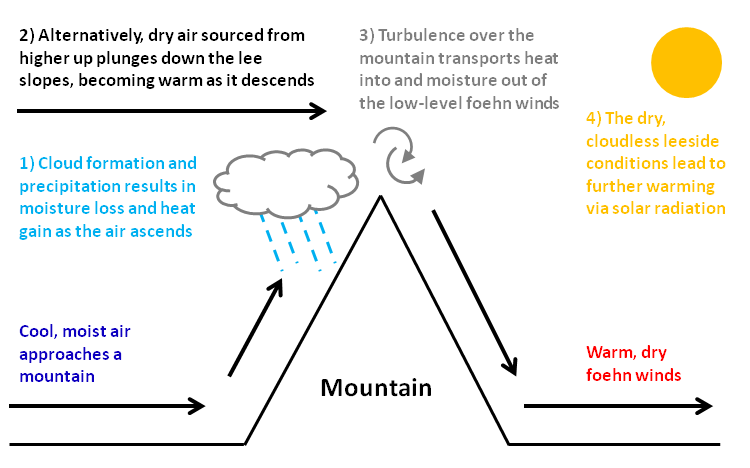
    Foehn Wind graphic. Wikipedia. Foehn Winds and Rising Avalanche Risk in the Alps: What Skiers Need to Know.

    🌬️ Why Foehn Winds Matter for Avalanche Safety

    Foehn winds are a well-known meteorological phenomenon in the Alps, but their impact on avalanche risk is often underestimated by skiers and snowboarders.

    While foehn conditions are sometimes associated with clear skies and warmer temperatures, they can significantly destabilise the snowpack, increasing the likelihood of dangerous slab avalanches, especially in off-piste and backcountry terrain.


    What Are Foehn Winds?

    Foehn winds are strong, dry downslope winds that occur when air masses cross the Alps and descend on the leeward side, warming rapidly as they lose moisture.

    They are common across:

    • Italian Alps
    • Swiss Alps
    • Austrian Alps
    • French Alps

    In Italy, foehn is often referred to as favonio, while in Austria and Germany it is known as Föhn.


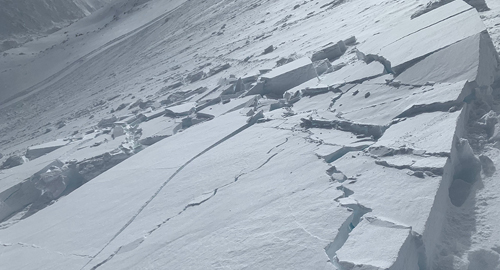
    Wind slab. Scottish Avalanche Information Service. Sais.gov. Foehn Winds and Rising Avalanche Risk in the Alps: What Skiers Need to Know.
    Wind slab. Scottish Avalanche Information Service. Sais.gov. Foehn Winds and Rising Avalanche Risk in the Alps: What Skiers Need to Know.

    Continue reading “Foehn Winds and Rising Avalanche Risk in the Alps: What Skiers Need to Know”