Alps and Pyrenees Snow Forecast: Fresh Snow and Falling Snow Levels

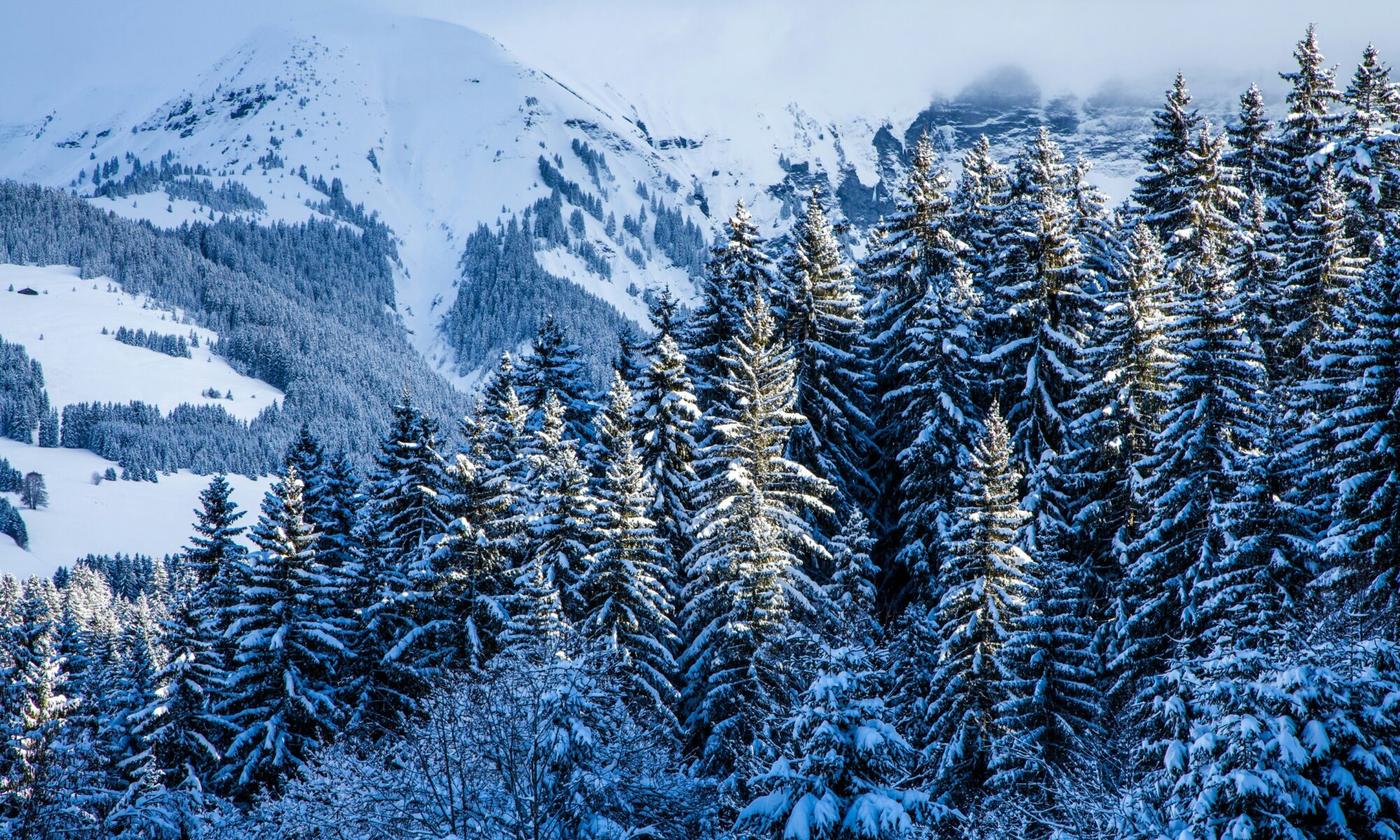
Snowy Megève. Photo credit: Mario la Pergola- Unsplash.

20 October 2026

Fresh snow is forecast for parts of the Alps this week, but elevation and timing will make a considerable difference. Official forecasts for several Italian Alpine regions show snow initially confined to higher slopes, followed by falling snow levels as colder air arrives.

In some areas, the colder conditions will reach the mountains as precipitation begins to ease. That means a lower snowline will not necessarily bring substantial accumulations to lower slopes.

The Catalan Pyrenees also have snow in the forecast, with AEMET predicting a falling snowline on Wednesday.

Continue reading “Alps and Pyrenees Snow Forecast: Fresh Snow and Falling Snow Levels”

New Capanna Carrel Officially Inaugurated on the Matterhorn at 3,830 Metres

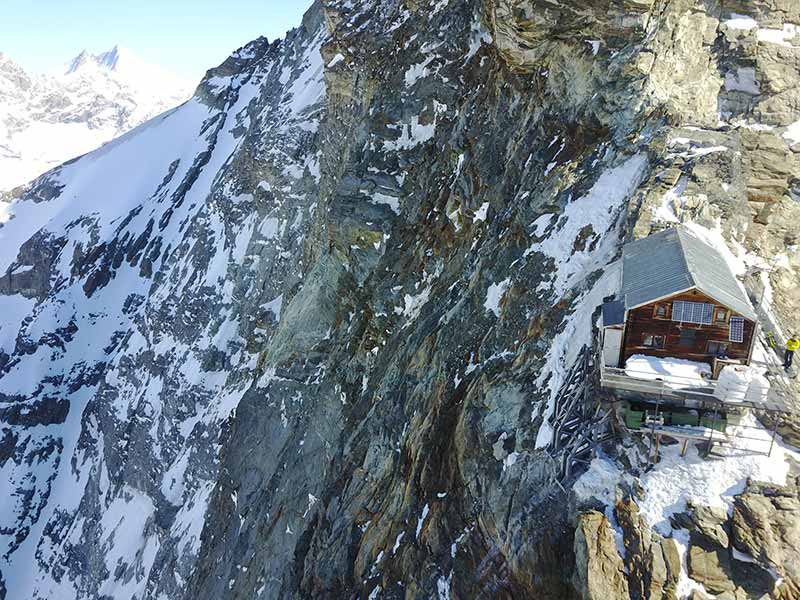
Capanna Carrel- Photo: GuidedelCervino.com

The new Capanna Carrel has been officially inaugurated on the Italian side of the Matterhorn, marking an important milestone for mountaineering safety and high-altitude infrastructure in the Aosta Valley.

The inauguration took place on 15 October 2026, at 3,830 metres above sea level, along the Lion Ridge (Cresta del Leone), the historic Italian normal route to the summit of the Matterhorn, known in Italy as the Cervino.

The ceremony brought together local and regional authorities, mountain guides, engineers and representatives of the mountaineering community.

The new mountain shelter replaces a historic structure increasingly exposed to rockfall and instability associated with the degradation of mountain permafrost.

As The-Ski-Guru reported in August 2026, the new Capanna Carrel had already been handed over to the Matterhorn mountain guides for use during the summer climbing season. The October ceremony now marks its official inauguration following the completion of the project.

Continue reading “New Capanna Carrel Officially Inaugurated on the Matterhorn at 3,830 Metres”

Aosta Valley Rail Comeback: Direct Milan Trains Planned for 2027

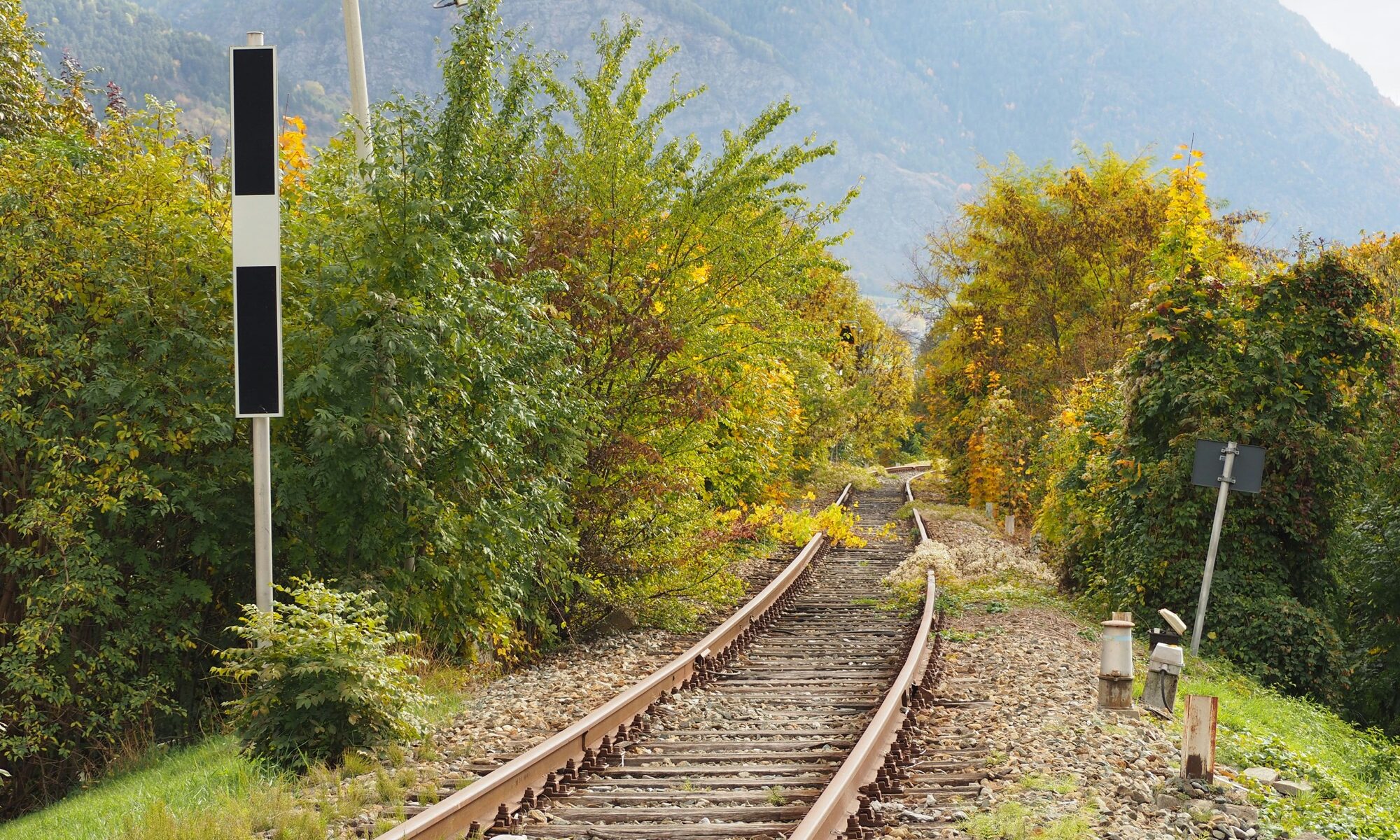
New direct rail services between Milan and Aosta could begin in summer 2027, while the Turin–Aosta railway is preparing for a phased reopening after more than two years of disruption.

Published: 14 October 2026

The Aosta Valley could be approaching a turning point in its railway connections. After years of complaints about slow journeys, inconvenient transfers and replacement buses, plans are advancing for direct trains between Aosta and Milan from summer 2027.

At the same time, the long-awaited reopening of the railway between Turin and Aosta is expected to begin in January 2027, although passengers will have to wait longer before the entire route is operational again.

Continue reading “Aosta Valley Rail Comeback: Direct Milan Trains Planned for 2027”

Aosta Valley Ski Pass Prices 2026/27: Cervinia, Pila, Courmayeur, La Thuile & Monterosa

Pila ski area in the Aosta Valley, Italy

Planning a ski trip to the Aosta Valley this winter? Ski pass prices for 2026/27 are now appearing across the region, but comparing them is not always straightforward.

Some resorts use traditional fixed prices while others have moved towards dynamic pricing. Children can ski free under certain conditions, beginners may not need a full ski pass at all, and some multi-day products allow you to spend part of your holiday skiing elsewhere in the Aosta Valley.

Then there are the international ski areas.

At Cervinia, paying extra for Zermatt does not necessarily guarantee that you will be able to ski into Switzerland if strong winds close the high-altitude connection. At La Thuile, meanwhile, you need to keep an eye on the clock if you cross into La Rosière and want to make it back to Italy.

Here is The-Ski-Guru’s guide to the main 2026/27 ski pass options in the Aosta Valley, covering Cervinia-Valtournenche, Pila, Courmayeur, La Thuile–La Rosière and Monterosa Ski, plus regional Valle d’Aosta passes and Ikon Pass access.

Continue reading “Aosta Valley Ski Pass Prices 2026/27: Cervinia, Pila, Courmayeur, La Thuile & Monterosa”

Pila Expands Snowmaking Reservoir as Water Debate Grows

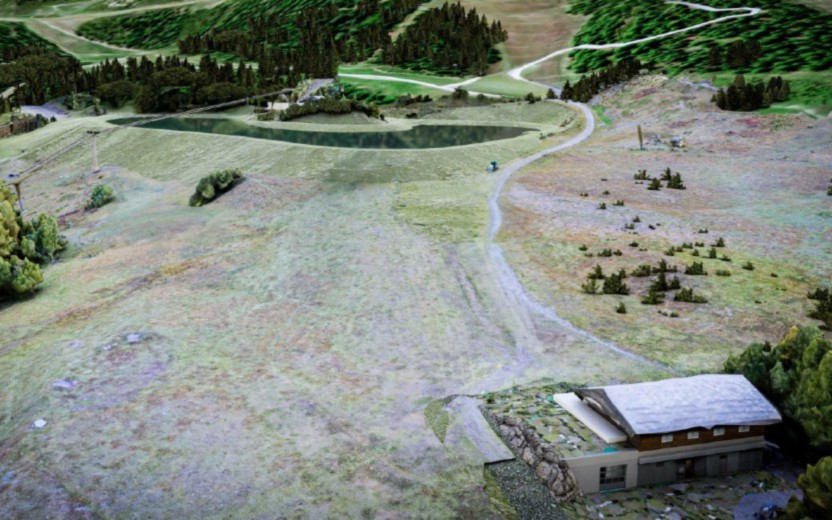
A rendering of Lake Leisse around 2,100 meters- Courtesy of Pila sPa.

Pila is almost quadrupling the capacity of its Leissé reservoir to strengthen snowmaking at the Aosta Valley ski resort. But the investment has also reopened a debate about water use, competing demands and the long-term response to climate change.

The reservoir’s capacity is increasing from 38,500 to approximately 152,700 cubic metres. The project aims to store more water when it is naturally available, ready for use when cold conditions allow snow production before the winter season.

Why Pila wants more water storage

Speaking to La Vallée Notizie in July, Pila’s general director Fabio Junod explained that the reservoir was sized principally for the first snowmaking campaign, which helps prepare much of the ski area for the Christmas holidays.

Continue reading “Pila Expands Snowmaking Reservoir as Water Debate Grows”

Pila–Cogne Cable Car: €150–190 Million Link Moves Closer to Political Decision

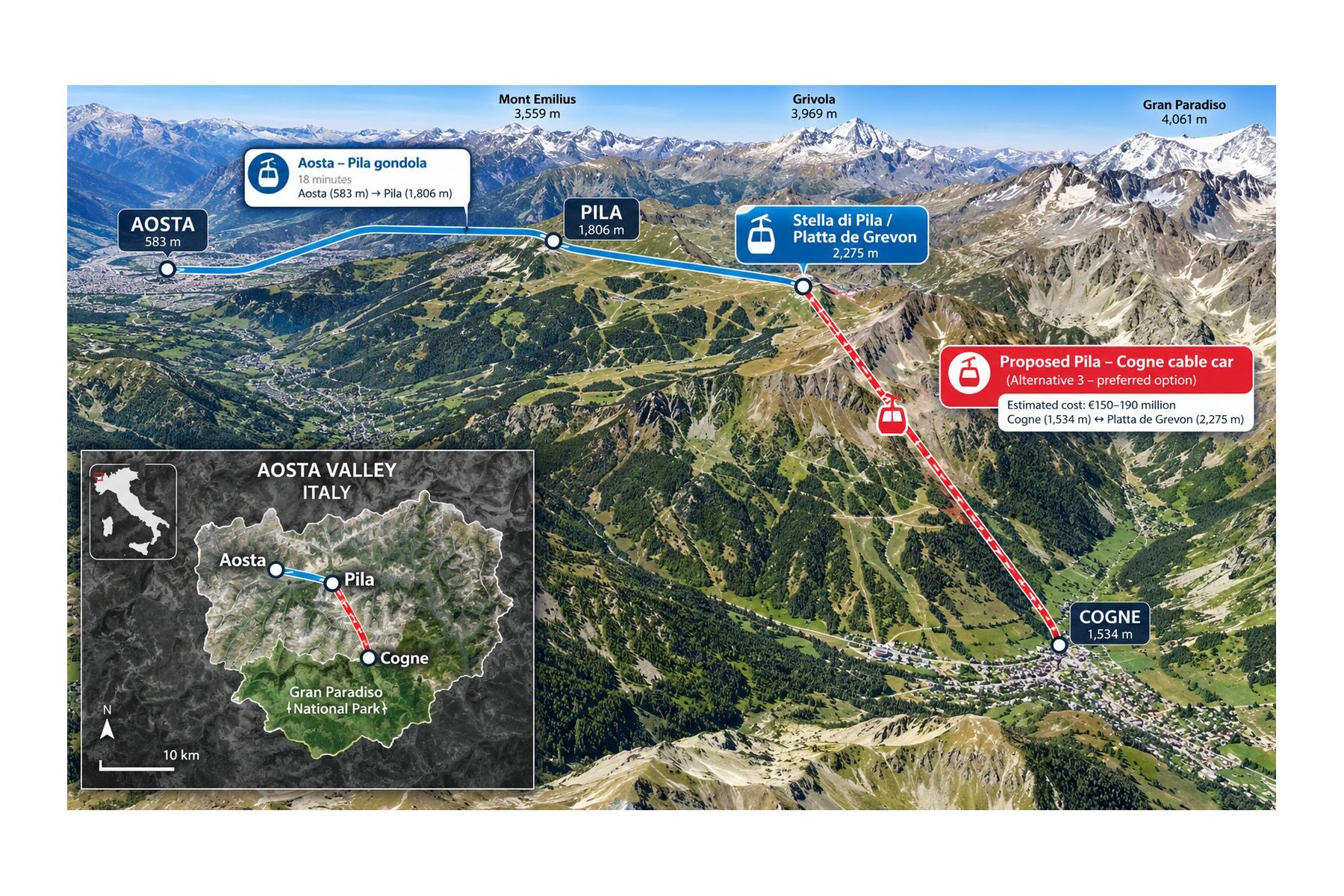
The proposed Pila–Cogne cable car would connect Cogne with Platta de Grevon/Stella di Pila, creating a potential lift-linked route through Pila to Aosta. Illustration: The-Ski-Guru.

A long-discussed cable-car connection between Pila and Cogne in Italy’s Aosta Valley has taken another step forward, with three possible routes now emerging from an initial nine alternatives — and one identified by the technical study as the preferred option.

If eventually built, the project could create something much bigger than a new ski lift. By connecting Cogne with Pila, which is already linked directly by gondola to the city of Aosta, it could effectively create an integrated Aosta–Pila–Cogne mountain destination, combining a regional capital, an alpine ski resort and one of the best-known gateways to the Gran Paradiso National Park.

But this is important: the cable car has not yet been approved for construction.

The latest step concerns the technical feasibility study, while the project is now entering a political and public consultation phase before decisions are made on whether to proceed.

Nine alternatives reduced to three

The project was examined by the Aosta Valley Regional Council’s Economic Development Commission on 1 October 2026.

The technical team initially considered nine different alternatives for connecting Cogne with the Pila ski area.

Three have now been identified as the most practicable solutions, all connecting Cogne with the area of Platta de Grevon, high above Pila.

Continue reading “Pila–Cogne Cable Car: €150–190 Million Link Moves Closer to Political Decision”

Where to See the Alps’ Traditional Cow Parades in Autumn 2026

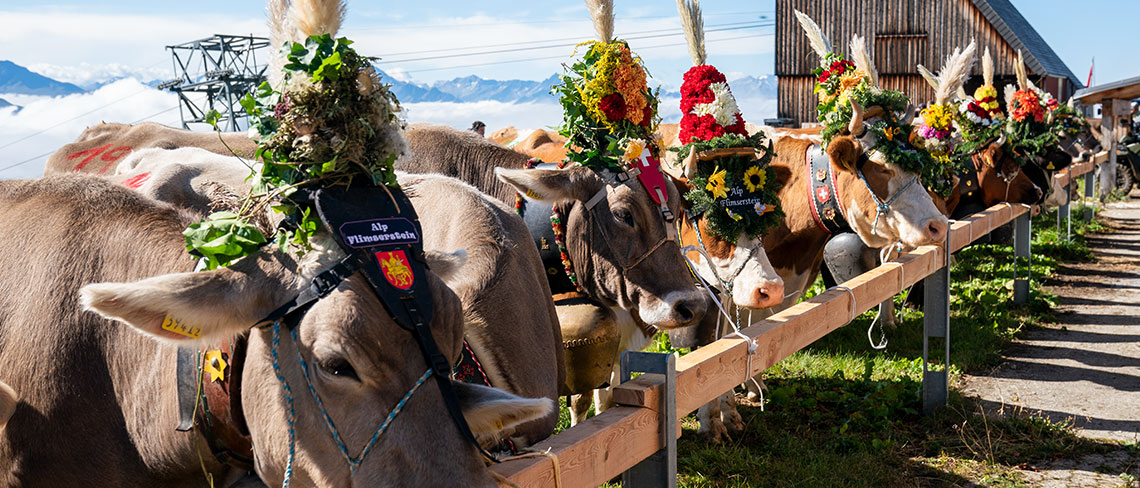
Laax Much Loved Descent of the Cows Festival Returns this September. Photo credit: Laax/Rooster PR

From the Dézarpa in Italy’s Aosta Valley to Switzerland’s Désalpe and Austria’s colourful Almabtrieb, September and October mark one of the Alps’ most atmospheric traditions: the return of cattle from their high summer pastures.

As summer draws to an end in the Alps, another season begins — announced not by ski lifts or the first snowfall, but by the sound of cowbells.

Across Italy, Switzerland, Austria and France, cattle that have spent the warmer months grazing on high-altitude pastures begin their journey back down to farms in the valleys.

The tradition has different names across the Alps. In the Aosta Valley it is known as the Dézarpa, or Devétéya around Cogne. In French-speaking Switzerland it is the Désalpe, while German-speaking regions use Alpabzug or Alpabfahrt. Across Austria and South Tyrol, visitors will hear Almabtrieb. In parts of the French Alps, the return of the herds is known as the descente des alpages or démontagnée.

Whatever the name, the principle is the same.

Continue reading “Where to See the Alps’ Traditional Cow Parades in Autumn 2026”

New Geological Studies Place Parts of Cervinia in Medium and High-Risk Zones

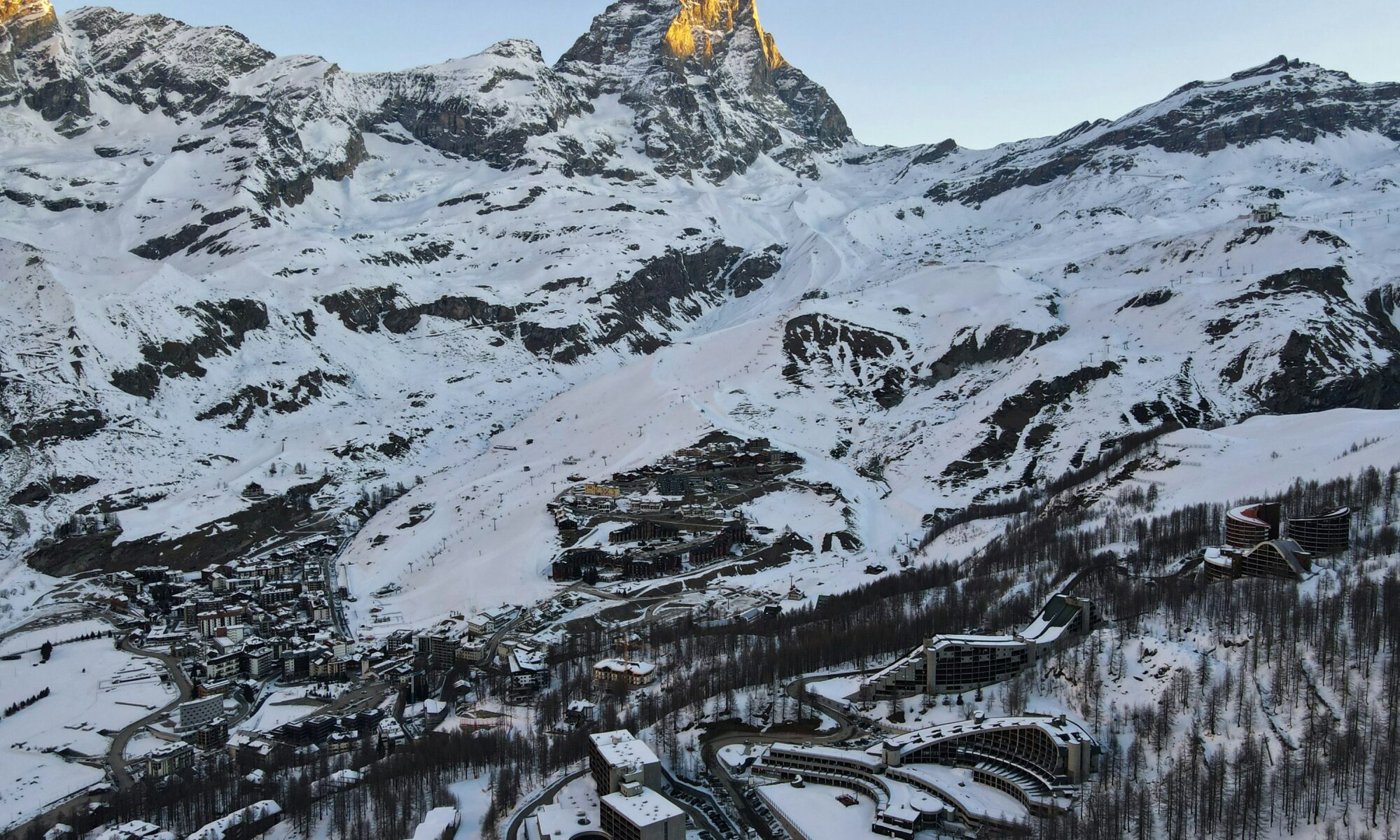
A view above the valley of Cervinia, in the Italian Alps. Photo Dimitris Kiriakakis. Unsplash.

Studies commissioned during the planning of the €200 million Cervino The One lift have prompted authorities to redraw Breuil-Cervinia’s landslide and flood-risk maps and propose a new protective barrier above the resort.

New geological studies conducted as part of the Cervino The One cable car project have identified increased landslide and flood exposure above Breuil-Cervinia, with parts of the existing resort set to fall within areas classified as being at medium or high risk.

The findings have prompted the municipality of Valtournenche to revise maps covering land exposed to landslides and flooding. The previous mapping had been approved in 2015.

The municipal council unanimously adopted the proposed revisions during a meeting on 27 August 2026.

According to a statement issued by the municipality following the meeting, the studies were conducted by lift operator Cervino S.p.A. during the design of the new Cervino The One 3S cable car system and coordinated with the Autonomous Region of the Aosta Valley.

The investigations focused in particular on the Fallinère landslide area, situated above Breuil-Cervinia.

“The investigations carried out highlighted, in particular, the dangerous nature of the Fallinère landslide, located upstream of the built-up area of Breuil-Cervinia,” the municipality said.

The revised mapping would place some existing buildings within areas classified as being at medium or high risk from landslides and flooding.

The municipality stressed that the update concerns the broader risk situation affecting the resort and not only the land required for the new lift.

Continue reading “New Geological Studies Place Parts of Cervinia in Medium and High-Risk Zones”

Planpincieux Glacier: Seven Years After the Alarm, the Mont Blanc Glacier Is Retreating Fast

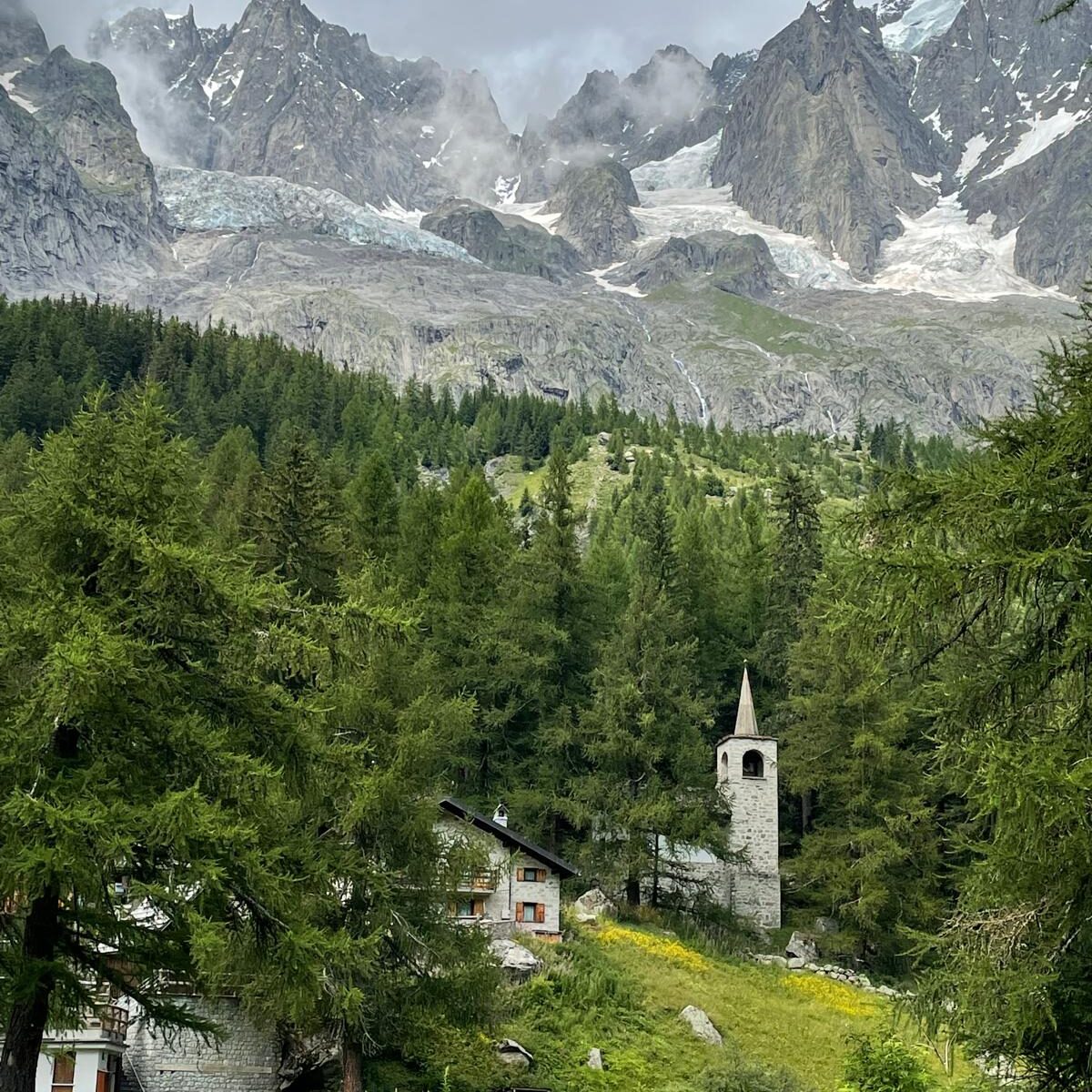
Planpincieux glacier and the church in the bottom. Photo: The-Ski-Guru.

The Planpincieux Glacier retreat is accelerating on the Italian side of Mont Blanc, seven years after the hanging glacier above Courmayeur first made international headlines over fears of a major collapse.

The hanging glacier, located above Val Ferret on the Italian side of the Mont Blanc massif, accelerated again during July 2026, reaching movement of around 80 centimetres per day. The figure was confirmed by the Valle d’Aosta regional authorities, which placed the glacier under continuous monitoring during the period of heightened activity.

The situation has since improved. Jean-Pierre Fosson of Fondazione Montagna Sicura said during the Valle d’Aosta stage of Legambiente’s Carovana dei Ghiacciai that Planpincieux has now fallen below the critical thresholds and that current conditions are considered favourable.

But the longer-term picture is far less reassuring.

Planpincieux Glacier retreat reaches 50 metres in three years

According to a report from Corriere della Sera, the front of Planpincieux has retreated by around 50 metres in just three years.

The glacier hangs at around 2,600 metres beneath the Grandes Jorasses, high above Val Ferret. Ice and debris continue periodically to break away from its front and descend towards the valley.

The glacier is particularly closely monitored because of its position above an inhabited and heavily visited valley.

During July’s acceleration, Courmayeur introduced Civil Protection restrictions in the areas potentially exposed to a collapse. Access restrictions were subsequently eased as conditions stabilised.


Read more: Nepal Glacier Disaster: Could It Happen in the Alps? — Following the catastrophic glacier-related disaster in Nepal, we look at whether similar high-mountain hazards could occur in the Alps, and how monitoring at Planpincieux, Blatten and elsewhere can provide crucial warning time.


Continue reading “Planpincieux Glacier: Seven Years After the Alarm, the Mont Blanc Glacier Is Retreating Fast”


Around 40 Evacuated After Debris Flows Hit Rhêmes-Notre-Dame

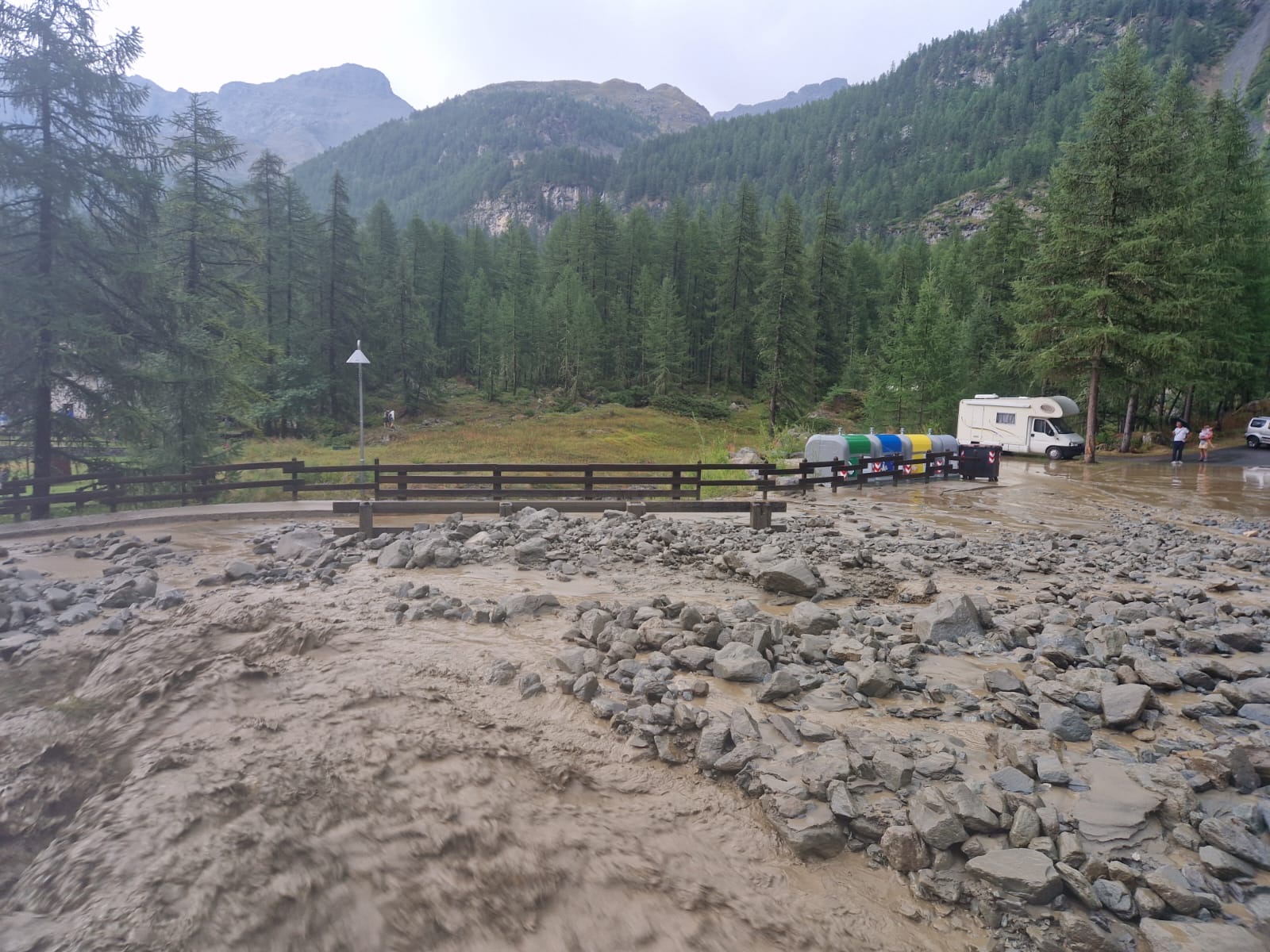
Val di Rhêmes, photo credit: Aostasera.it

Around 40 people were evacuated from the upper Rhêmes Valley in Italy’s Aosta Valley after thunderstorms triggered debris flows that blocked the road towards Thumel on Thursday 13 August.

The incident occurred at Rhêmes-Notre-Dame, in the Gran Paradiso area, after heavy rain caused the Pellaud stream and several smaller watercourses to overflow, sending mud, rocks and debris across the valley.

The debris blocked the municipal road upstream of Thumel, temporarily cutting off people who were returning from the upper part of the valley.

Early reports put the number affected at around 30, but authorities subsequently said approximately 40 people had to be evacuated from areas above the debris flows.

No injuries have been reported.

Continue reading “Around 40 Evacuated After Debris Flows Hit Rhêmes-Notre-Dame”