Mont Blanc Tunnel Second Tube: France Resists as Italy Pushes for Impact Studies

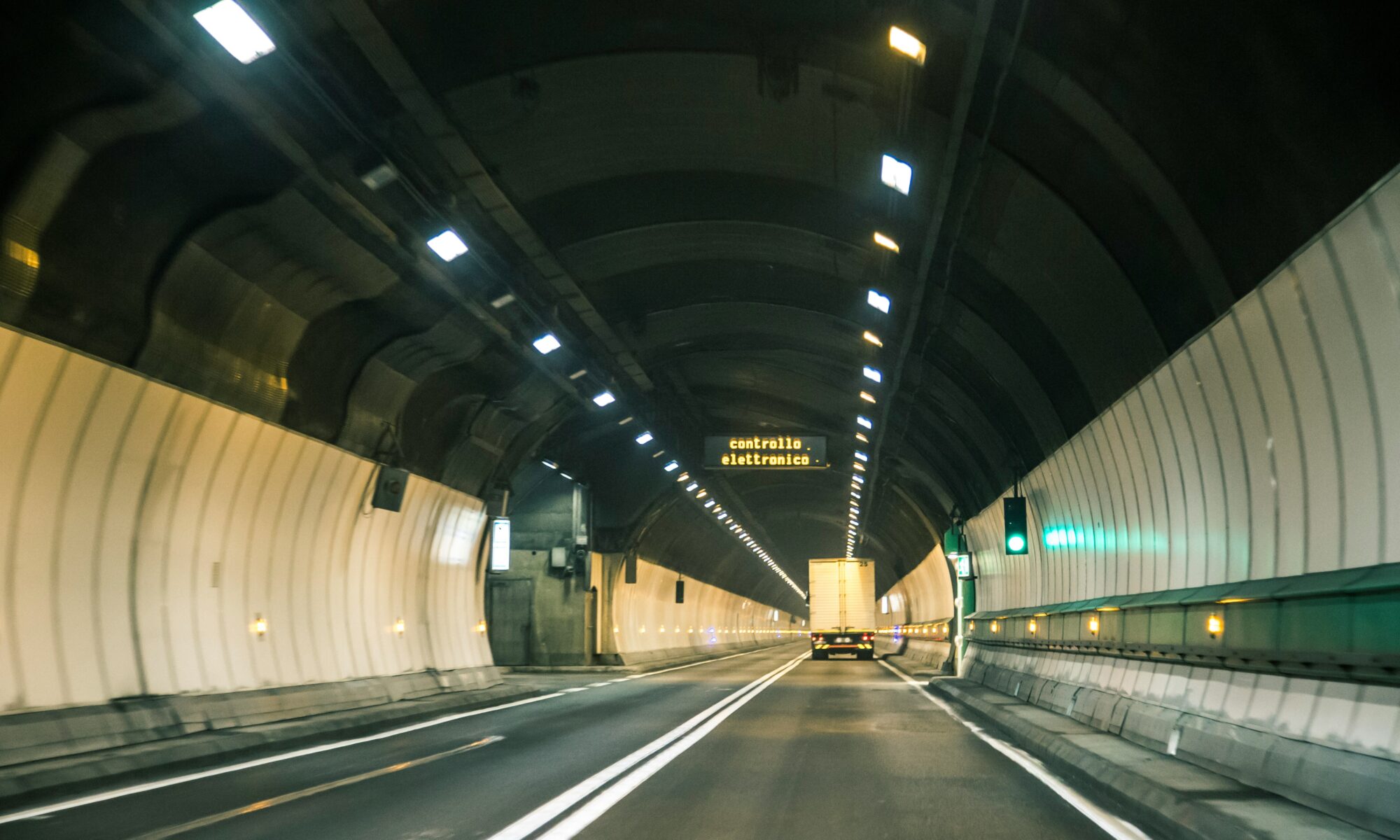
Mont Blanc Tunnel. Photo: Milada Vigerova. Unsplash.

  • Tunnel length: 11.6 km between Courmayeur (Italy) and Chamonix (France)
  • Traffic volume: Around 1.7 million vehicles use the tunnel annually
  • 2026 maintenance closures: Ongoing structural renovation works are causing periods of full closure, night-time closures and alternating one-way traffic during parts of 2026
  • Second tube proposal: No agreement has been reached; the idea remains under discussion between Italy and France and would require extensive studies and approvals before any construction could proceed

Continue reading “Mont Blanc Tunnel Second Tube: France Resists as Italy Pushes for Impact Studies”

The future of one of the Alps’ most important transport corridors is back on the political agenda.

Key Facts

  • Tunnel length: 11.6 km between Courmayeur (Italy) and Chamonix (France)
  • Traffic volume: Around 1.7 million vehicles use the tunnel annually
  • 2026 maintenance closures: Ongoing structural renovation works are causing periods of full closure, night-time closures and alternating one-way traffic during parts of 2026
  • Second tube proposal: No agreement has been reached; the idea remains under discussion between Italy and France and would require extensive studies and approvals before any construction could proceed

Continue reading “Mont Blanc Tunnel Second Tube: France Resists as Italy Pushes for Impact Studies”
La Thuile Replaces Two Ageing Chairlifts with Major Gondola Upgrade for 2026/27

Pista 3, Franco Berthod, a renown super steep black run in La Thuile. Photo: Tourism Office La Thuile.

Italian resort La Thuile is preparing one of its biggest lift infrastructure upgrades in recent years, with a new 10-seater gondola set to replace two of the ski area’s older chairlifts ahead of the 2026/27 winter season.

The project will replace the ageing La Combe and Chaz Dura fixed-grip chairlifts on the front side of the mountain, one of the main circulation areas linking the Italian resort with the wider Espace San Bernardo ski domain shared with La Rosière in France.

According to local and regional reporting, the new gondola — officially referred to as the Les Suches–Chaz Dura telecabina — is designed to significantly improve uphill transport capacity, skier flow, and beginner access on one of the resort’s busiest sectors.


Update — October 2026: La Thuile’s new gondola will be called Vedette, with opening planned for December 2026. Its design draws inspiration from historic Alpine fortifications, while a panoramic restaurant is expected to follow in December 2027. Read our latest update on the Vedette gondola, its name and the story behind its architecture.


Continue reading “La Thuile Replaces Two Ageing Chairlifts with Major Gondola Upgrade for 2026/27”

Is the Future of Ski Resorts Becoming Local Again?

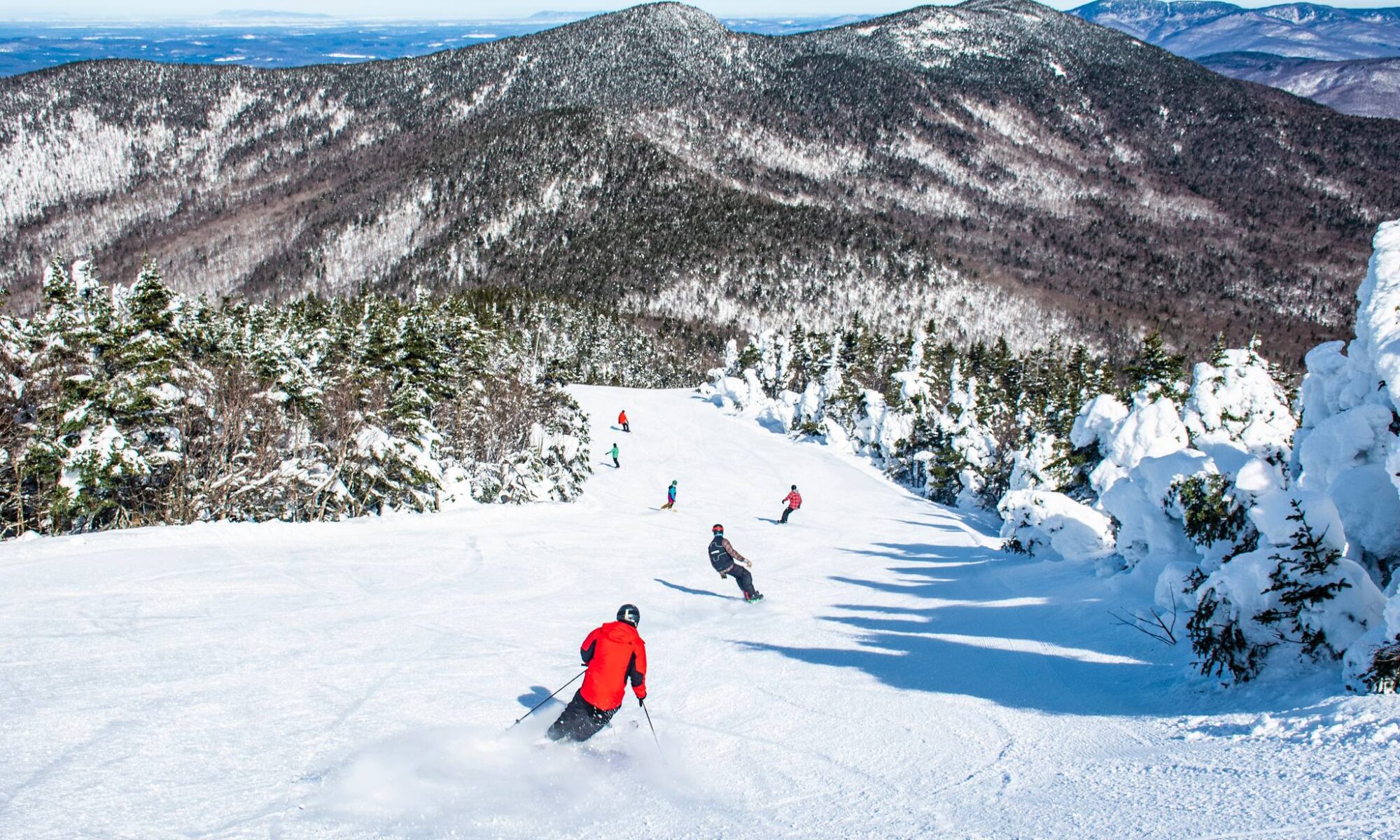
Black Mountain, operated by Indy Pass. Photo: Indy Pass.

As climate pressures, rising infrastructure costs, labour shortages and industry consolidation reshape skiing on both sides of the Atlantic, an unexpected trend is emerging: communities, municipalities and cooperative groups are increasingly stepping in to save, buy or directly influence ski areas they see as essential to local survival.

What once looked like isolated rescue stories is beginning to resemble a wider structural shift in how smaller ski resorts survive.

The latest example comes from Canada, where the Sault Ste. Marie Economic Development Corporation in Ontario stepped in to purchase the historic Searchmont Resort. Local officials described the ski hill as a “vital community asset” tied not only to tourism, but also to jobs, economic development and the wider identity of the region. The acquisition followed years of operational struggles and municipal support aimed at keeping the mountain open.

The story reflects a growing idea emerging across mountain regions: ski hills are increasingly being viewed less as standalone private businesses and more as strategic community infrastructure.

Continue reading “Is the Future of Ski Resorts Becoming Local Again?”

Giro d’Italia Returns to Val d’Aosta With Major Summit Finish in Pila

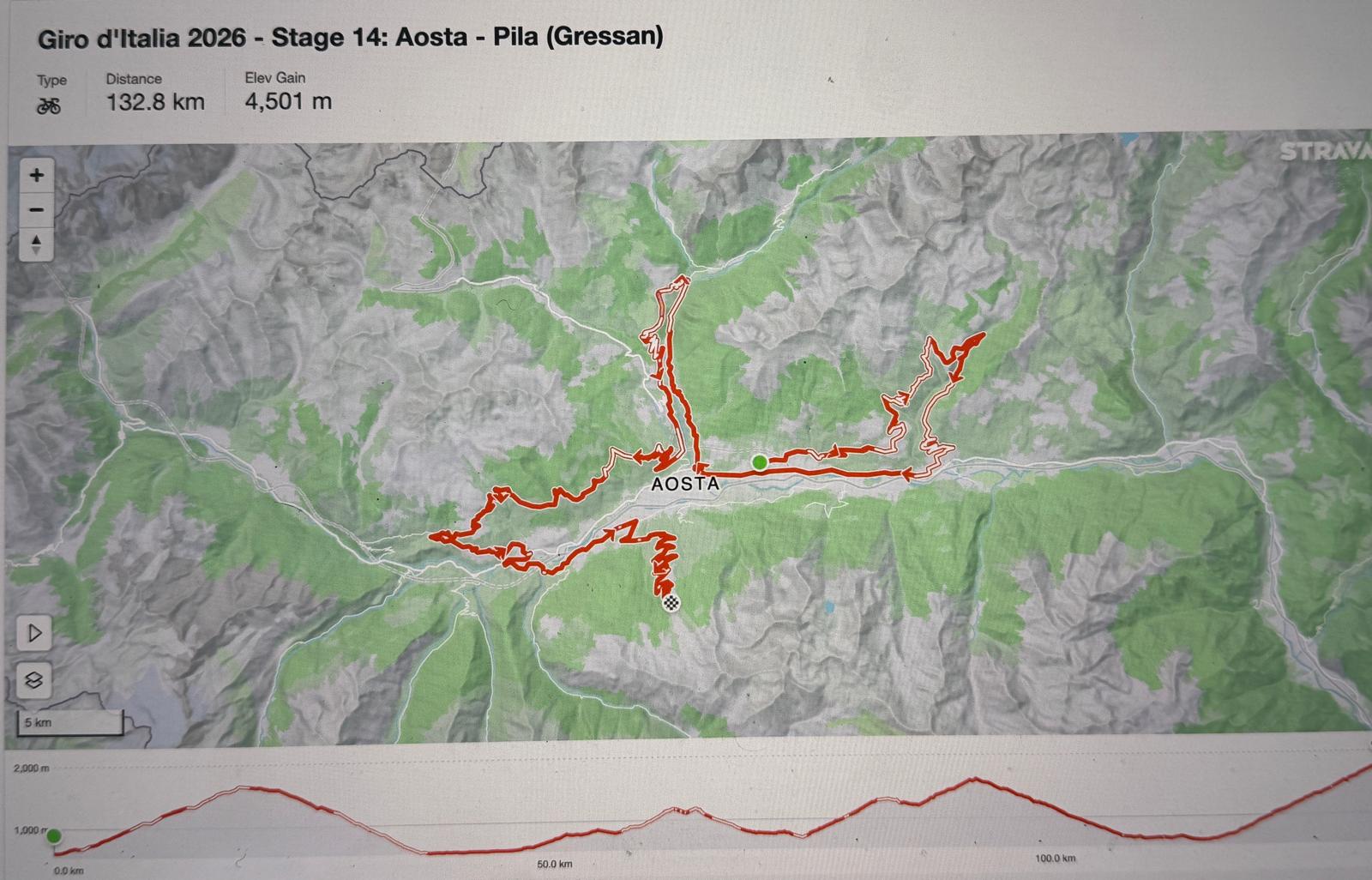
Etape of the Giro d'Italia. Strava.

The Giro d’Italia 2026 is returning to the Aosta Valley this May with one of the most important Alpine stages of the race, as Stage 14 finishes in Pila on Saturday 23 May.

The stage, officially running from Aosta to Pila (Gressan), is already being described as one of the decisive mountain stages of the 2026 Giro. The route packs more than 4,000 metres of climbing into just 133km, with the final ascent to Pila expected to create major time gaps between the race favourites. 

According to the official race route, riders will tackle a series of climbs across the Aosta Valley before the final ascent from Gressan to Pila, a climb measuring approximately 16.5km at an average gradient above 7%. The finish line will sit high above the valley with views toward Mont Blanc, Monte Rosa, the Matterhorn and Gran Paradiso. 

Continue reading “Giro d’Italia Returns to Val d’Aosta With Major Summit Finish in Pila”

Courmayeur’s New Gondolas Signal a Deeper Shift in Alpine Ski Infrastructure

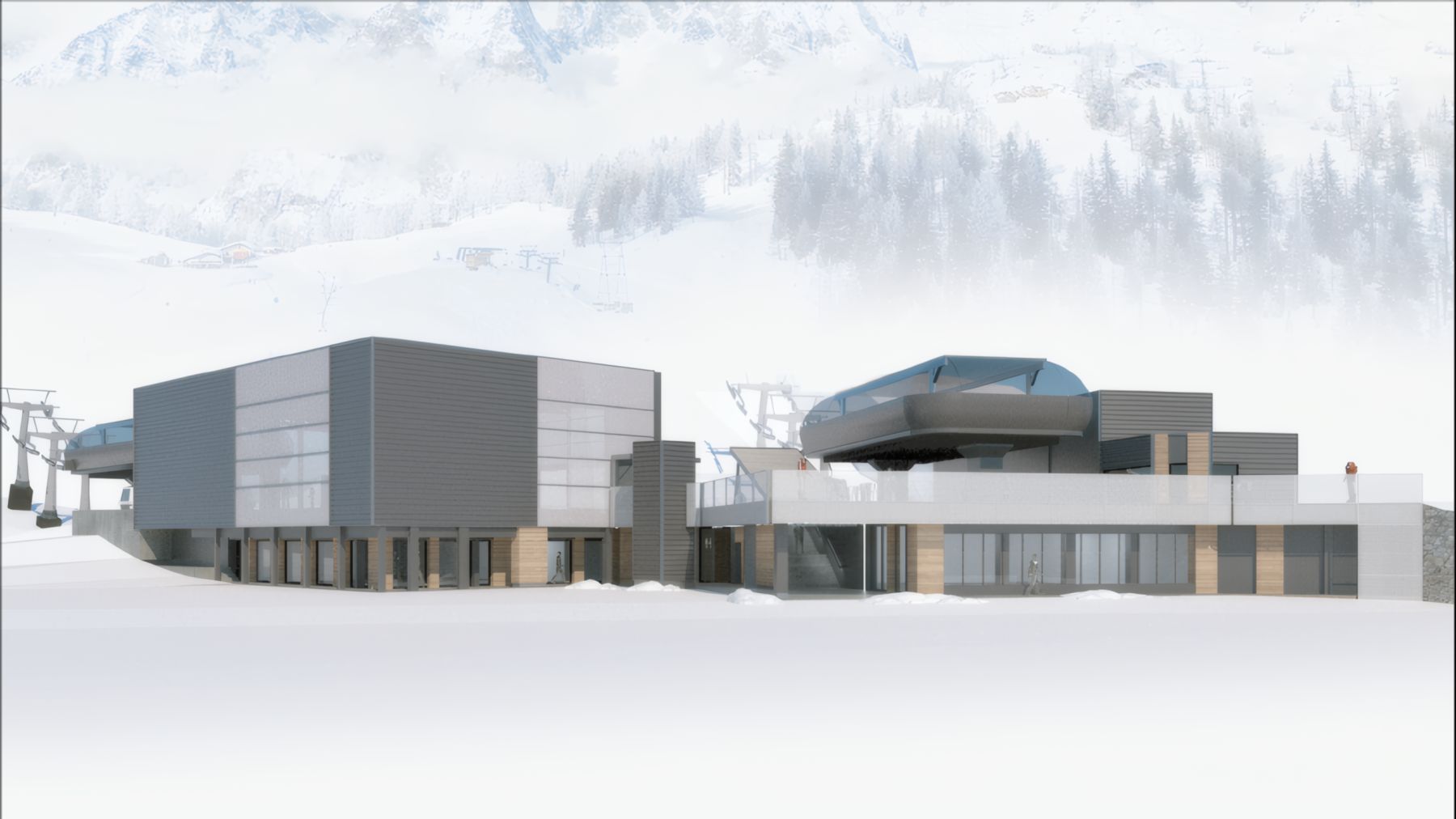
Rendering Courmayeur. Neveitalia.

Courmayeur is preparing a significant lift upgrade, with two new gondolas scheduled to open for the winter 2026–2027 season. On the surface, the project follows a familiar Alpine pattern of replacing ageing infrastructure. But looked at more closely, it reflects a deeper shift in how resorts are adapting to operational pressure, changing demand, and increasingly compressed winter seasons.

The project focuses on the core Plan Chécrouit sector, where one of the new gondolas will replace the existing Chécrouit lift. The upgrade to modern 10-seater cabins is expected to increase uphill capacity and reduce congestion on one of the resort’s main arteries. At the same time, the long-standing Maison Vieille chairlift will be removed and replaced with a gondola along the same alignment, fundamentally changing access to that side of the mountain.

While the manufacturer has not yet been officially confirmed, the renderings published with the project strongly resemble recent Leitner gondola designs. That said, in the Aosta Valley both Leitner and Doppelmayr regularly deliver installations of this scale, so formal confirmation will likely only come once contracts are finalised.

Continue reading “Courmayeur’s New Gondolas Signal a Deeper Shift in Alpine Ski Infrastructure”

Up to 1 Meter of Snow Forecast in Aosta Valley as Major March Storm Hits the Alps

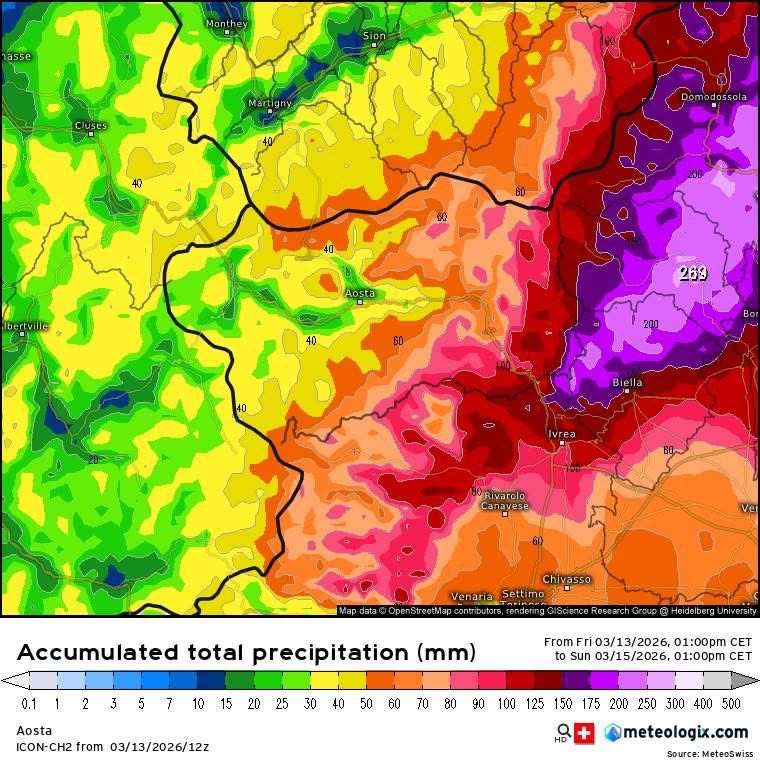
Totally acumulated snow 13-15 April. Meteo Valle d'Aosta.

A major late-season winter storm is expected to bring significant snowfall across Italy’s Aosta Valley this weekend, with forecasts indicating up to 80–100 cm of new snow in the eastern valleys, including areas around Cervinia and Monterosa Ski.

After nearly two weeks of mild conditions across the Alps, the return of winter weather could bring rapidly changing mountain conditions and elevated avalanche risk across parts of the region.

Meteorologists expect precipitation to begin early Saturday morning, first affecting the Cervino (Matterhorn) and Monte Rosa valleys before spreading across the rest of the region during the day.

These intense snowfall events are increasingly linked to extreme weather in the Alps, where rapid shifts between storms and warming phases are becoming more common.

Comparable instability has also led to fatal incidents elsewhere, including multiple avalanche deaths in northern British Columbia following recent snowfall cycles.

Continue reading “Up to 1 Meter of Snow Forecast in Aosta Valley as Major March Storm Hits the Alps”

Saharan Dust Reaches the Alps as Freezing Levels Rise Above 3000 m

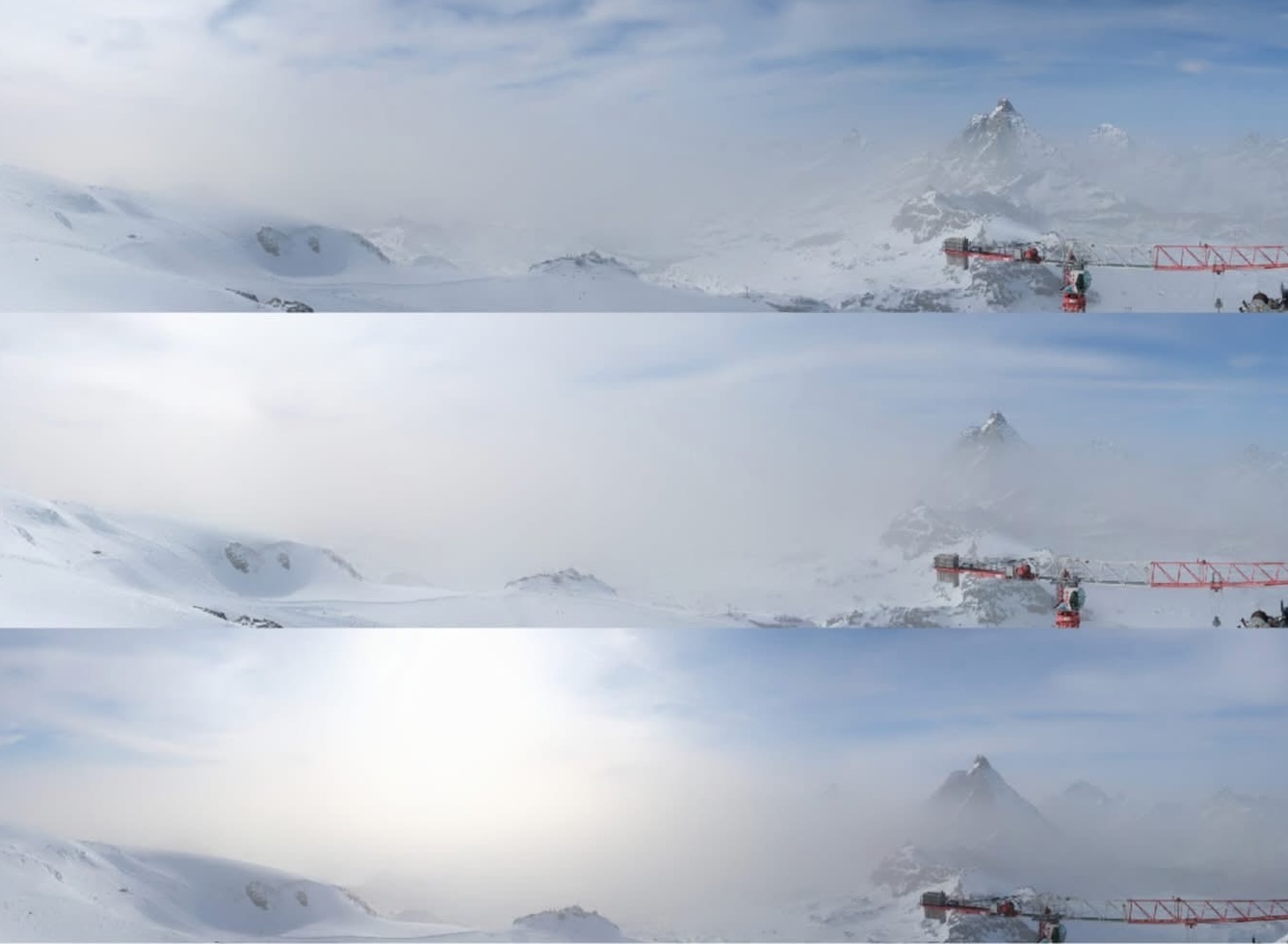
Saharan dust haze visible over the Alps at Piccolo Cervino above Cervinia

A hazy sky observed across parts of the Aosta Valley and the wider Alps in early March has an unusual origin: Saharan dust transported north across the Mediterranean.

Meteorological observations indicate that large quantities of fine sand particles from the Sahara Desert have been carried into Alpine air masses during a prolonged period of high pressure.

Similar Saharan dust events have been documented by atmospheric monitoring services across Europe, including observations from the Copernicus Atmosphere Monitoring Service, which regularly tracks large dust plumes transported from North Africa into the Mediterranean and Alpine regions. These atmospheric events can influence visibility, air quality and — when dust settles on snow surfaces — the evolution of the mountain snowpack.

The result has been a visible veil of haze in the atmosphere and dust deposition on snow surfaces at high altitude, something that can have important consequences for the evolution of the snowpack.

Webcam images from Piccolo Cervino (3883 m), above Breuil-Cervinia, show the progressive increase of dust suspended in the air during the day.

Meteorologists across the region also report exceptionally mild temperatures for the time of year, with freezing levels remaining unusually high for several consecutive days.

These episodes are part of a broader pattern of extreme weather in the Alps, affecting snow quality and melt rates.

Similar patterns are now visible beyond the Alps, where extreme heat has forced early resort closures in North America.

Continue reading “Saharan Dust Reaches the Alps as Freezing Levels Rise Above 3000 m”

Three Mountaineers Fall into Crevasse on Colle Vincent, Monte Rosa

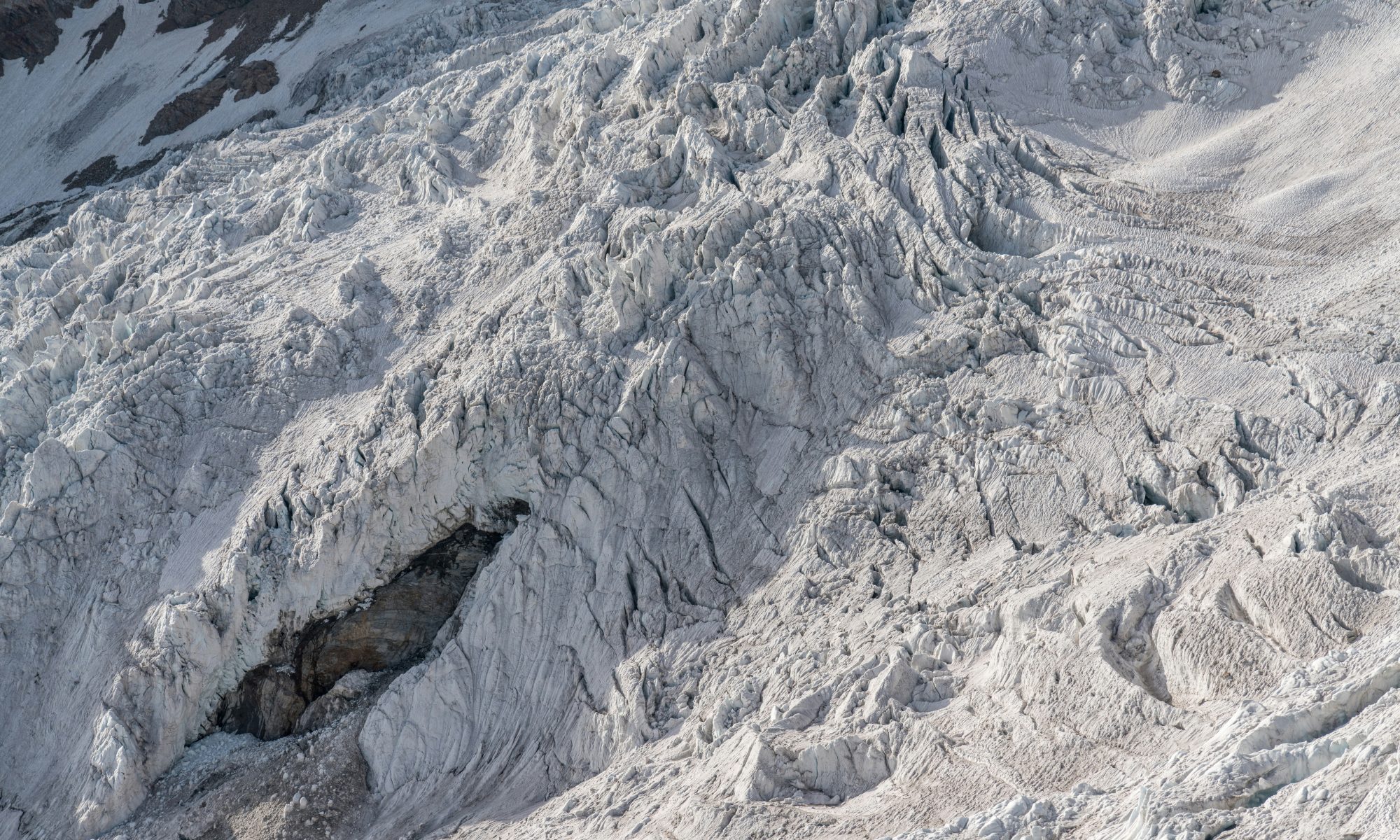
Monte Rosa- Photo by Federico di Dio Photography. Unsplash.

Three mountaineers were involved in a serious Colle Vincent crevasse accident on 28 February 2026 in the Monte Rosa massif on the Italian–Swiss border.

According to reporting by AostaSera, the incident occurred shortly after 13:30 at approximately 4,000 metres altitude, when the roped team fell into a deep glacier crevasse during their ascent.


Rescue Operation After Colle Vincent Crevasse Fall

Emergency services were immediately activated. Helicopters SA1 and SA3 responded alongside mountain rescue personnel from the Soccorso Alpino Valdostano, the Guardia di Finanza alpine unit (SAGF) from Cervinia and Alagna, and rescue teams from Alagna.

Continue reading “Three Mountaineers Fall into Crevasse on Colle Vincent, Monte Rosa”

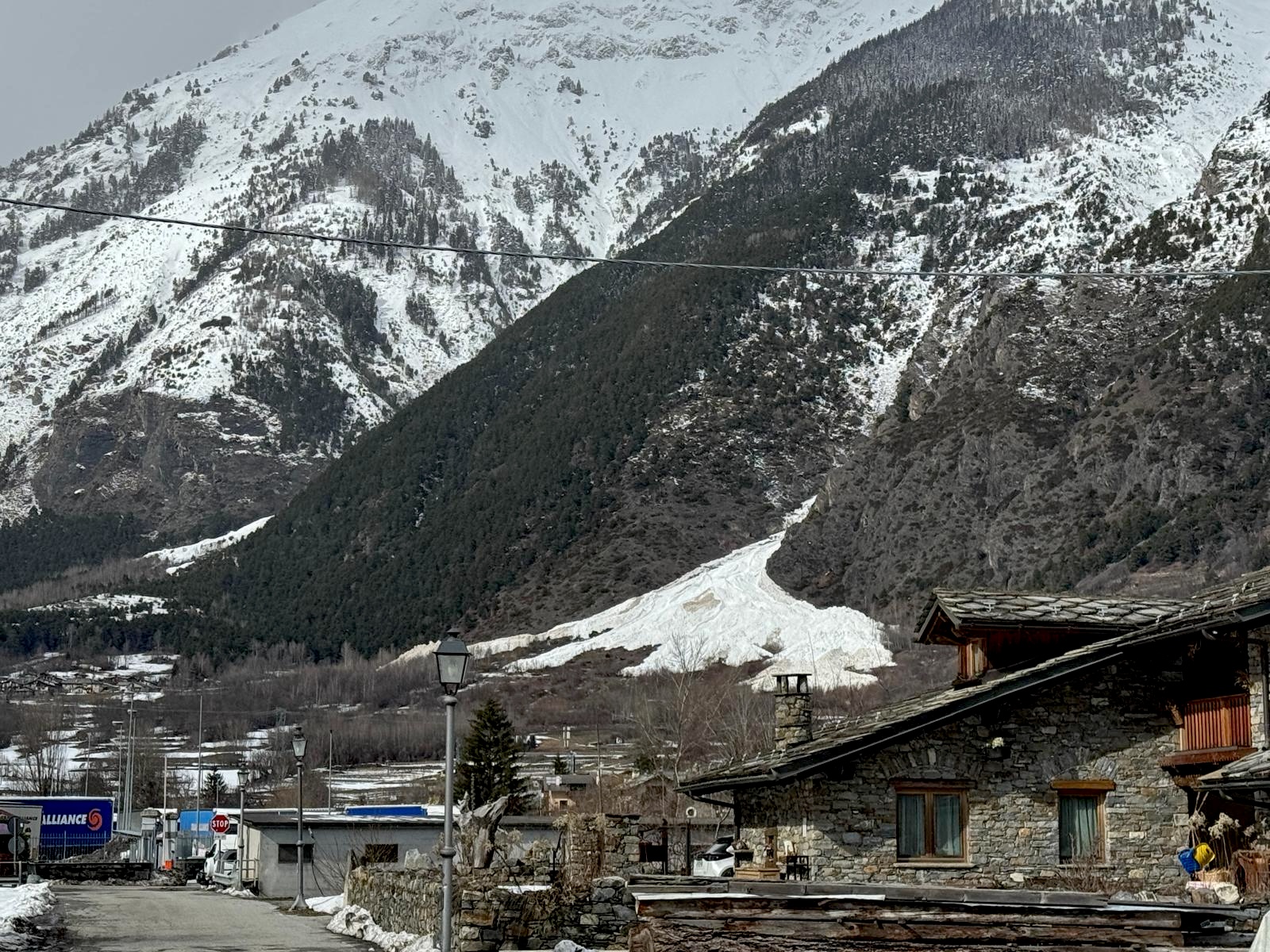
Aosta Valley Avalanche Alert: Wet Snow Slides Reach Valley Floors (27 Feb 2026)

Wet snow avalanche descending toward Lavancher near Morgex, Aosta Valley, February 2026

Following a week of heavy snowfall and strong winds, the Aosta Valley has entered a new avalanche phase characterised by large spontaneous releases and widespread wet snow instability.

According to the official bulletin issued on 27 February 2026, numerous avalanches have reached valley bottoms, affecting accessibility and prompting evacuations. Fatal accidents during this period underline once again the seriousness of the current winter conditions.

This update reflects the ongoing evolution of the February 2026 Alpine avalanche cycle.


New Spontaneous Avalanche Cycle

Heavy snowfall combined with wind loading triggered:

  • Large spontaneous avalanches
  • Events involving significant powder cloud components
  • Several avalanches reaching valley floors

In multiple cases, infrastructure and access routes were affected.

Continue reading “Aosta Valley Avalanche Alert: Wet Snow Slides Reach Valley Floors (27 Feb 2026)”

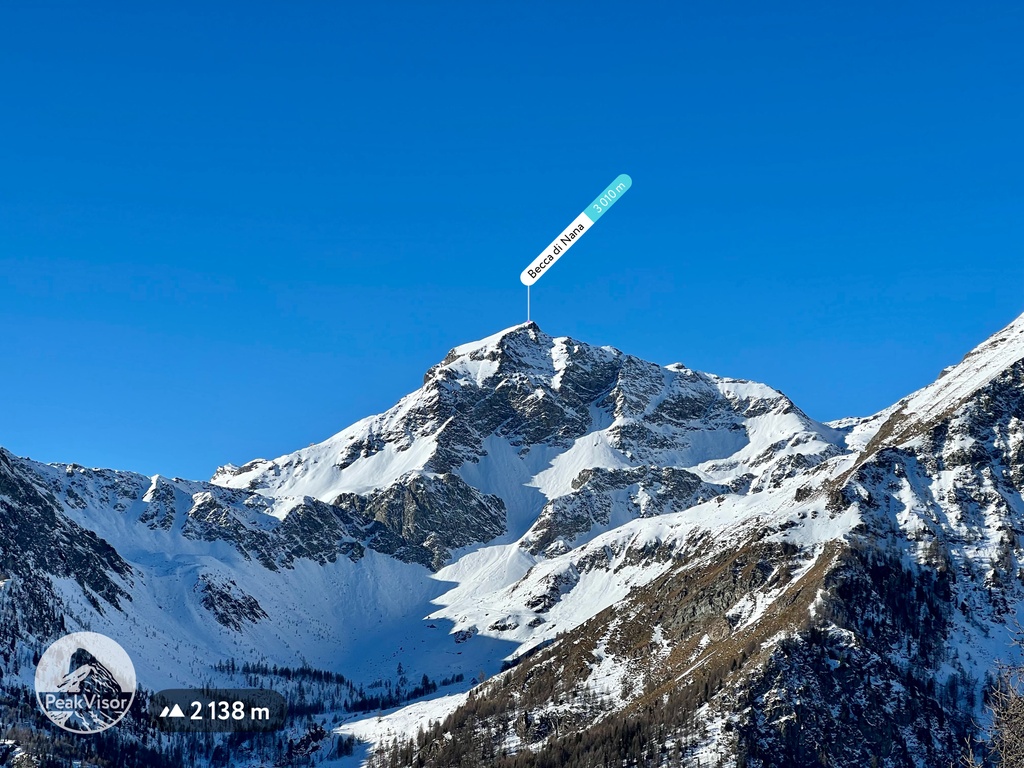
Avalanche on Becca di Nana, Aosta Valley – Ski Tourer Killed in Val d’Ayas

Becca di Nana. Peakvisor.

A ski mountaineer has died after being caught in an avalanche on Becca di Nana in Val d’Ayas, Aosta Valley, on 22 February 2026.

The victim, identified in Italian media as a 50-year-old man from Lombardy, had set out alone for a ski tour in the high-altitude terrain above Champoluc. When he failed to return, his wife alerted emergency services.

This incident forms part of the broader February 2026 avalanche cycle across the Alps, which saw widespread Level 4 and Level 5 danger across multiple countries.

Rescue Operation at 3,000 Metres

Mountain Rescue teams from the Valle d’Aosta Alpine Rescue Service (Soccorso Alpino Valdostano) and the Guardia di Finanza located the victim at approximately 3,000 metres on the slopes of Becca di Nana.

Continue reading “Avalanche on Becca di Nana, Aosta Valley – Ski Tourer Killed in Val d’Ayas”