A Level 2 — Moderate avalanche danger rating is one of the most misunderstood conditions in the mountains.
For many recreational skiers and occasional ski tourers, a Level 2 bulletin can sound relatively reassuring. The word “moderate” often creates the impression that conditions are largely stable and that avalanche risk is limited.
In reality, many serious avalanche accidents still occur during Level 2 conditions.
Nearly One Metre of Snow in Five Days: Renewed Avalanche Instability in the French Alps
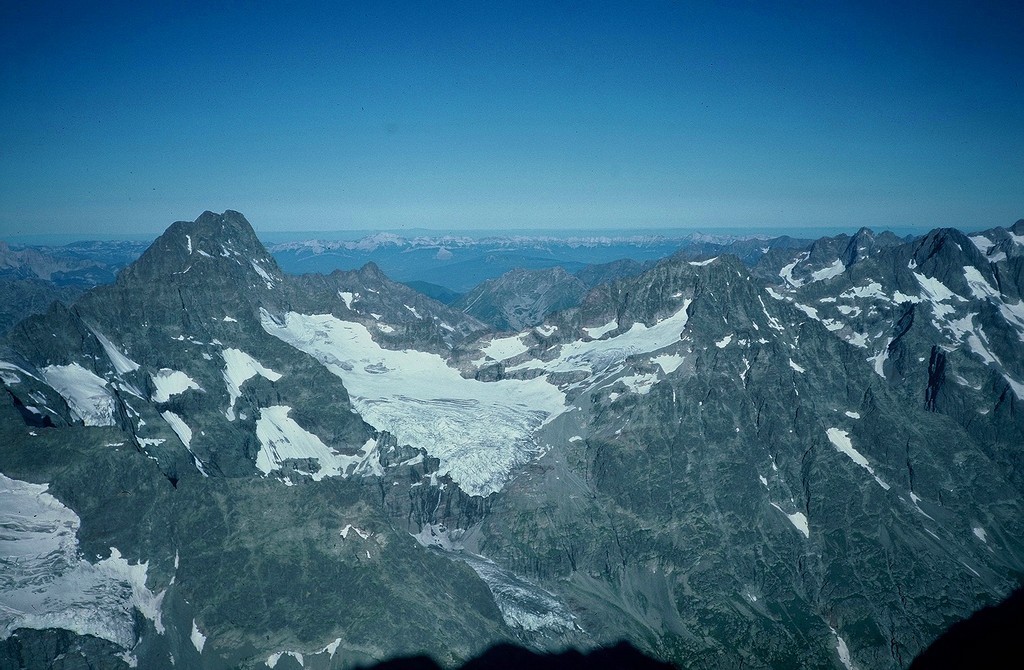
A fatal avalanche accident in the Écrins massif and multiple recent avalanche observations across the French Alps are highlighting how rapidly spring mountain conditions can deteriorate following late-season snowfall and wind transport.
On Friday morning, a Savoyard high mountain guide died after being swept away by a wind slab avalanche near the summit of the north face of the Aiguille de l’Olan in the Oisans massif. According to early reports, the guide and a companion were close to the summit and had reportedly intended to ski the descent when a wind slab suddenly released, carrying one of the climbers approximately 400 metres down the face.
A second fatal avalanche accident was reported the following day in the Mont Blanc massif, where a young French skier died on Saturday 9 May after being swept away on the north face of the Aiguille du Plan above Chamonix. According to Le Dauphiné Libéré, three skiers aged around 20 to 25 were descending the face when they triggered a fresh-snow avalanche shortly after midday. One skier was carried away and later found dead by PGHM Chamonix rescuers, while his two companions were evacuated from the route. The accident adds further weight to warnings about late-spring instability following recent snowfall across the northern French Alps.
A series of avalanches were reported across several French Alpine massifs on Sunday 15 March 2026, highlighting unstable snow conditions following recent snowfall, strong winds and a rapid warming trend.
Field observations from ski tourers and mountain safety reports indicate numerous avalanche releases across the northern and southern French Alps, including incidents involving backcountry skiers and at least one fatal accident.
Reports were recorded in several mountain ranges including Aravis, Belledonne, Grandes Rousses, Chartreuse, Bauges, Dévoluy, Champsaur, Queyras and Lauzière.
This cycle reflects broader shifts linked toextreme weather in the Alps, with more volatile snowfall and rapid warming phases.
Natural D3 Avalanche Observed from Chairlift at Orcières
A natural avalanche likely classified as Destructive Size 3 (D3) was observed at Orcières Merlette 1850 in the Hautes-Alpes during the current Alpine instability cycle.
The slide occurred on steep terrain beneath an operating chairlift. No skiers were caught and no injuries have been reported.
On the North American destructive size scale, a D3 avalanche is capable of:
Destroying a wood-frame house
Breaking large trees
Damaging small buildings
Producing significant debris fields
While European bulletins primarily use the 1–5 danger scale, destructive size classifications provide additional context for the physical power of a slide.
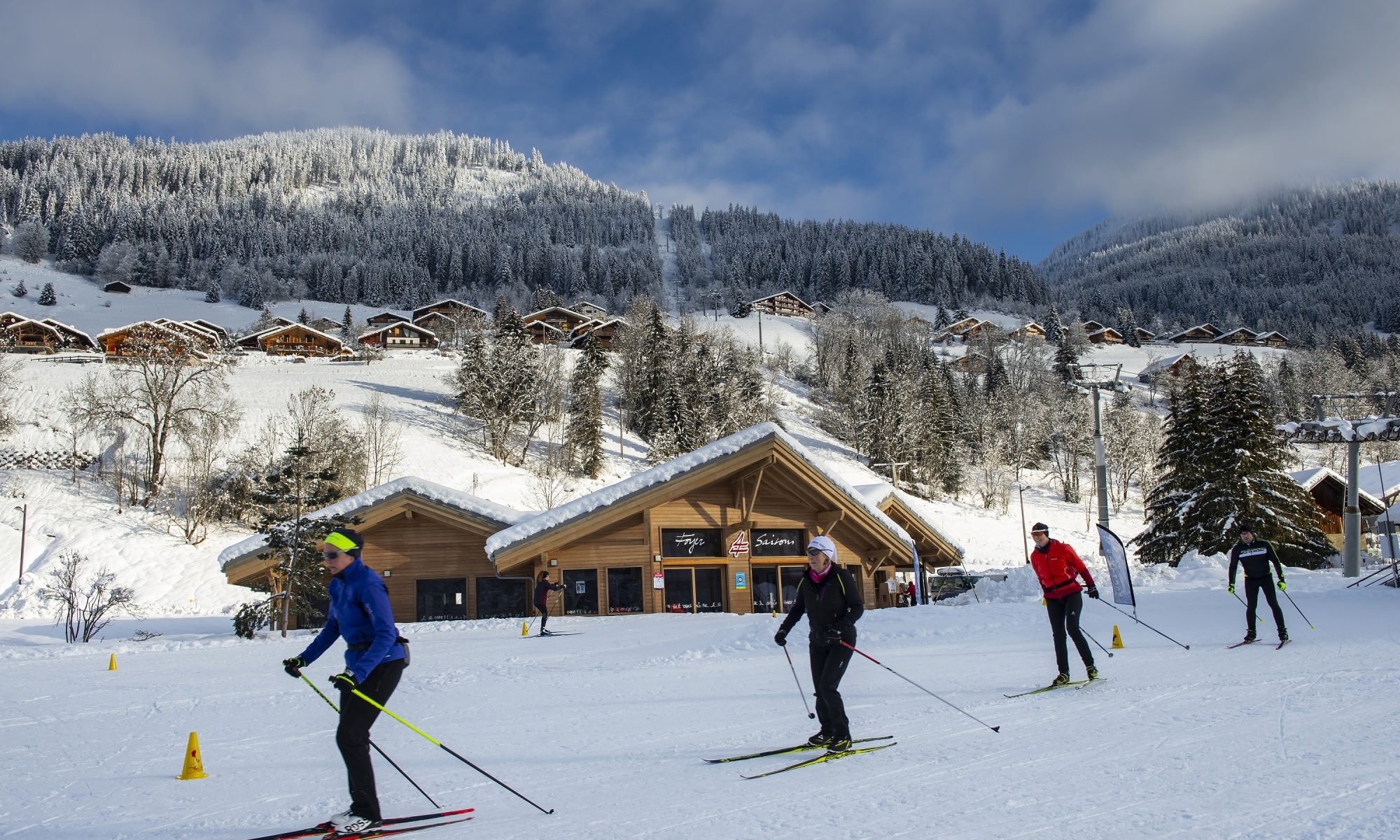
Two female ski tourers lost their lives in an avalanche near La Chapelle-d’Abondance, in Hautes-Savoie, on Sunday, 22 February 2026, according to regional French media including Le Dauphiné Libéré.
The accident occurred in backcountry terrain above the village in the northern French Alps, an area popular with ski touring enthusiasts during winter conditions.
Emergency services were deployed to the scene, but the two women could not be revived.
This event is part of a wider pattern of extreme weather in the Alps, where increasingly unstable conditions are affecting snowpack and safety.
La Chapelle-d’Abondance lies in the Abondance Valley, part of the wider Portes du Soleil region in Haute-Savoie, close to the Swiss border.
While the resort area offers managed pistes, the surrounding terrain includes steep backcountry slopes that can become unstable following snowfall and wind transport.
An avalanche struck two marked ski runs in the La Flégère sector of the Chamonix-Mont-Blanc ski area on Tuesday, briefly burying three skiers before they were rescued safely.
The slide crossed sections of the red Crochues piste and the black Floria run around midday. According to regional newspaper Le Dauphiné Libéré, the avalanche debris spread across approximately 100 metres of terrain within the ski domain.
What Happened at La Flégère?
The avalanche released above the pistes in the Floria sector of La Flégère, one of the main lift-accessed areas in Chamonix.
Three skiers were partially buried — reportedly up to chest height — but were quickly located and freed by piste patrol and rescue teams. None are believed to have suffered life-threatening injuries.
Given the scale of the slide, a full rescue operation was launched as a precaution.
🏔 Official Statement from Compagnie du Mont Blanc
Following the avalanche that struck two pistes at La Flégère, Mont Blanc Natural Resort — operated by Compagnie du Mont Blanc — issued a detailed statement via social media describing the event as:
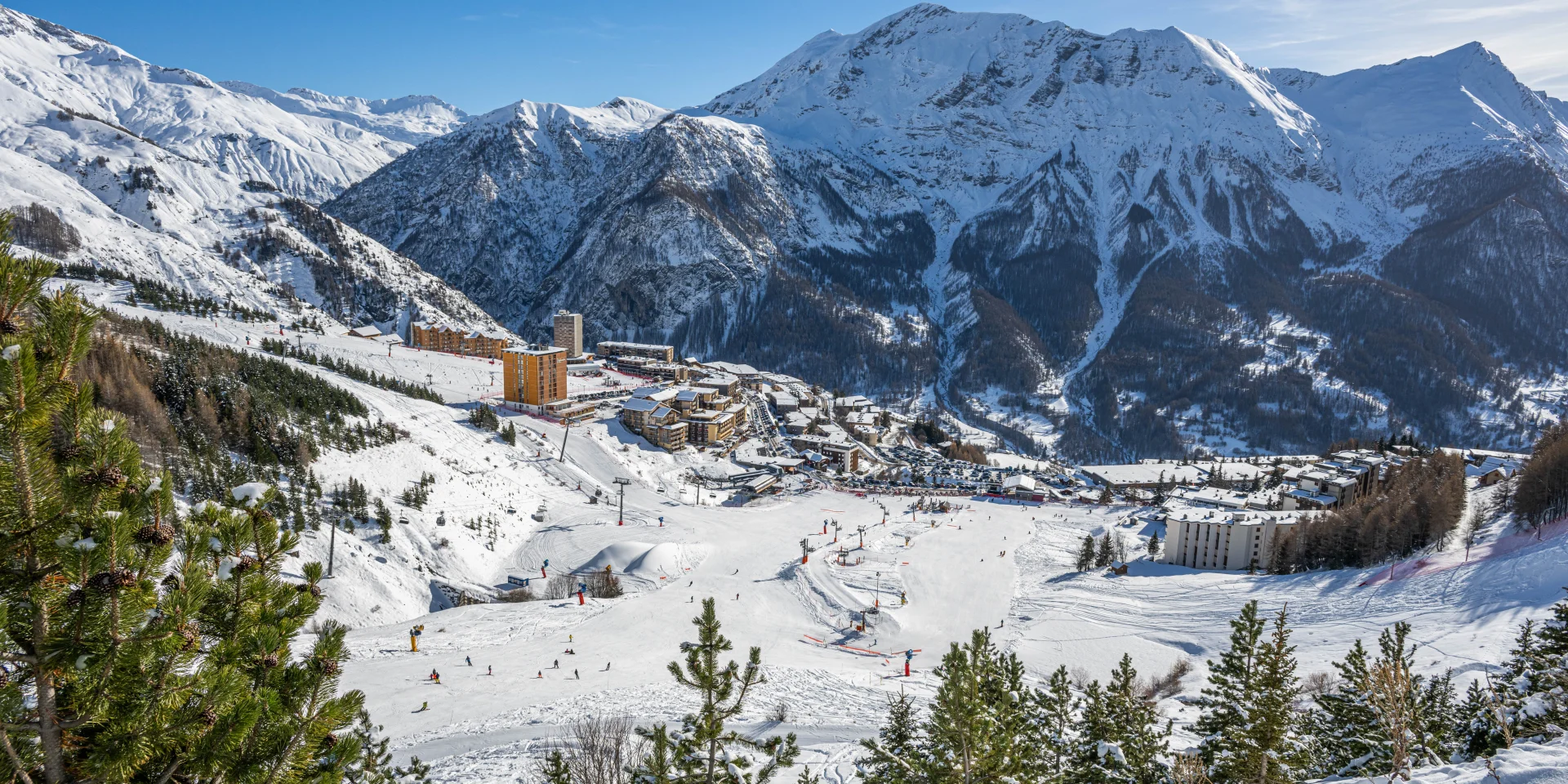
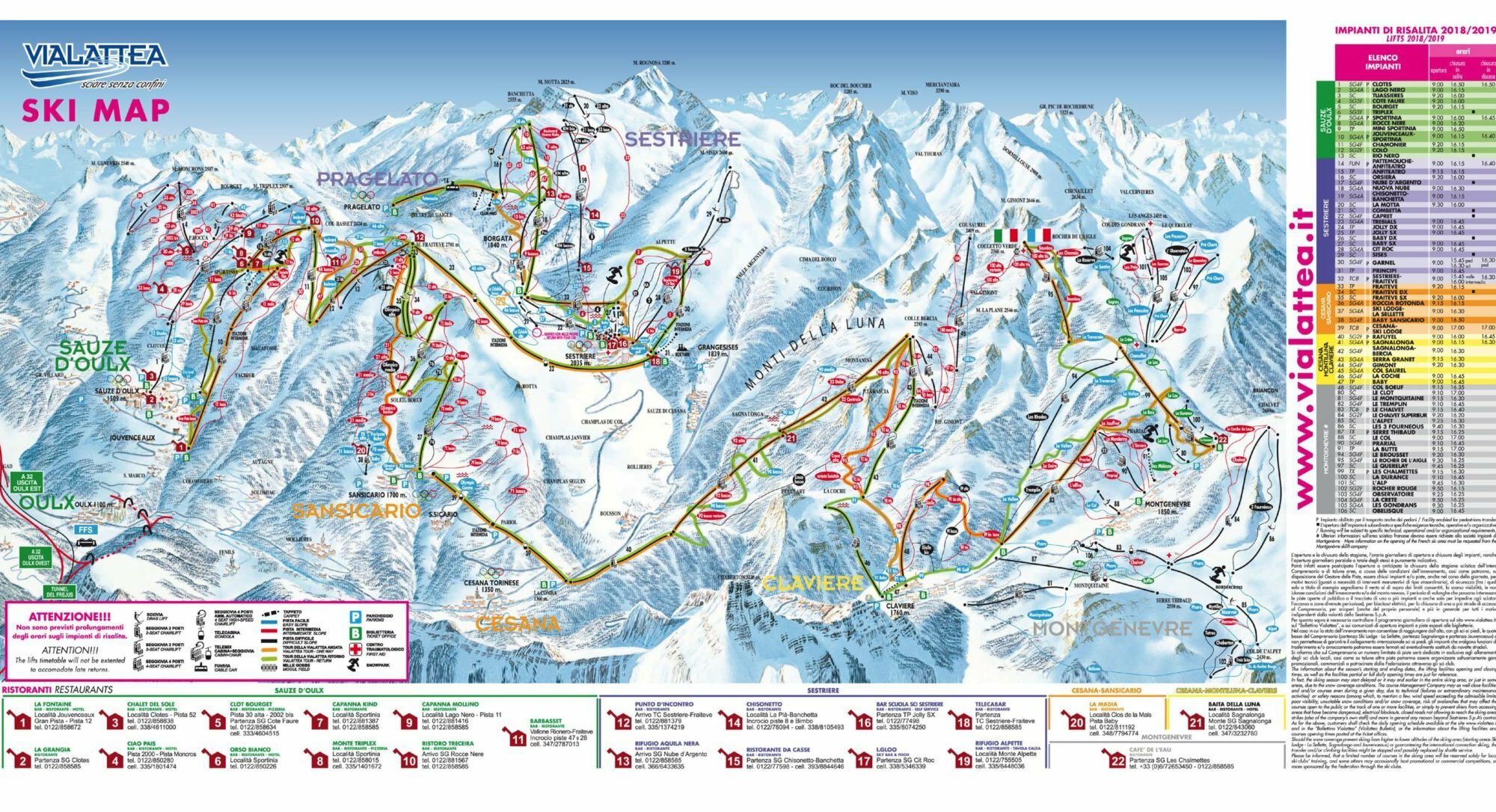
A skier has died after being caught in an avalanche while skiing off-piste near Montgenèvre, close to the French-Italian border.
According to local authorities, the avalanche occurred in steep, unsecured terrain outside marked pistes. Rescue services were deployed, but the victim could not be saved. A companion was reportedly unharmed.
An official investigation has been opened to determine the precise circumstances of the incident.
Over the past week, avalanche activity across the Alps has followed a clear and worrying pattern. From the Mont Blanc massif to the Queyras and across into the Swiss Valais, numerous skier-triggered and spontaneous avalanches point to a snowpack that remains structurally unstable, despite periods of fair weather and already-tracked slopes.
Rather than isolated incidents, the reports collected since late January describe reactive slabs, remote triggers, and persistent weak layers affecting a wide range of aspects and elevations.
Much of the recent instability is consistent with wind-loaded slabs and foehn-driven snow transport, which can rapidly overload weak layers and create large, reactive avalanche conditions.
Avalanche Death in Tignes and Multiple Incidents in the Alps as Risk Remains High
A skier in his fifties, reported to be Spanish, died after being caught in an avalanche while skiing off-piste in the Tignes area (Savoie).
According to regional authorities, the avalanche occurred in a non-secured, off-piste sector of the resort. The skier was fully buried by the slide and despite the rapid intervention of mountain rescue services, he could not be revived.
If you’re unsure how to interpret avalanche bulletins and forecasts, this step-by-step guideexplains how to use them properly when planning a mountain day.
The accident highlights once again the high risk currently affecting off-piste terrain, even in well-known and highly frequented ski resorts such as Tignes.
⛷️ Important: Off-piste areas, even when accessed directly from ski lifts, are not secured or controlled by ski patrols and remain subject to natural avalanche risk.
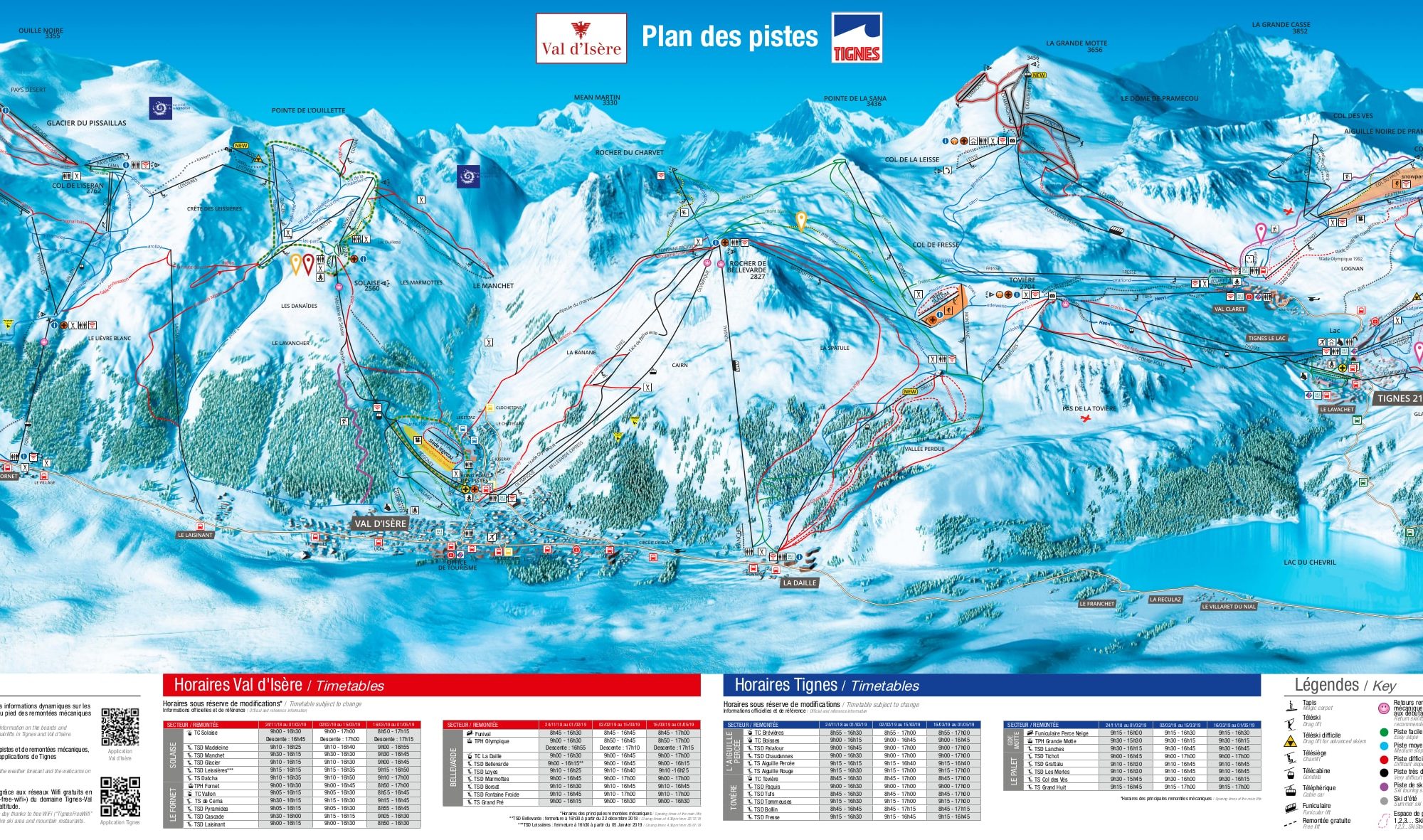
Map of the area. Avalanche Fatalities in the French Alps: What Happened in Tignes and Across Savoie.
Avalanches Across the Alps: One Dead, Several Injured on the Same Day
The fatal avalanche in Tignes was not an isolated incident.
On 23 January, multiple avalanche accidents were reported across the French Alps, particularly in Savoie and neighbouring Alpine departments. According to emergency services:
Enjoyed this post? Get my latest ski guides, weather insights, resort updates and travel tips directly in your inbox. Subscribe to The-Ski-Guru here.
Manage Cookie Consent
To provide the best experiences, we use technologies like cookies to store and/or access device information. Consenting to these technologies will allow us to process data such as browsing behavior or unique IDs on this site. Not consenting or withdrawing consent, may adversely affect certain features and functions.
Functional
Always active
The technical storage or access is strictly necessary for the legitimate purpose of enabling the use of a specific service explicitly requested by the subscriber or user, or for the sole purpose of carrying out the transmission of a communication over an electronic communications network.
Preferences
The technical storage or access is necessary for the legitimate purpose of storing preferences that are not requested by the subscriber or user.
Statistics
The technical storage or access that is used exclusively for statistical purposes.The technical storage or access that is used exclusively for anonymous statistical purposes. Without a subpoena, voluntary compliance on the part of your Internet Service Provider, or additional records from a third party, information stored or retrieved for this purpose alone cannot usually be used to identify you.
Marketing
The technical storage or access is required to create user profiles to send advertising, or to track the user on a website or across several websites for similar marketing purposes.







 Subscribe to The-Ski-Guru here.
You must be logged in to post a comment.