Pila–Cogne Cable Car: €150–190 Million Link Moves Closer to Political Decision

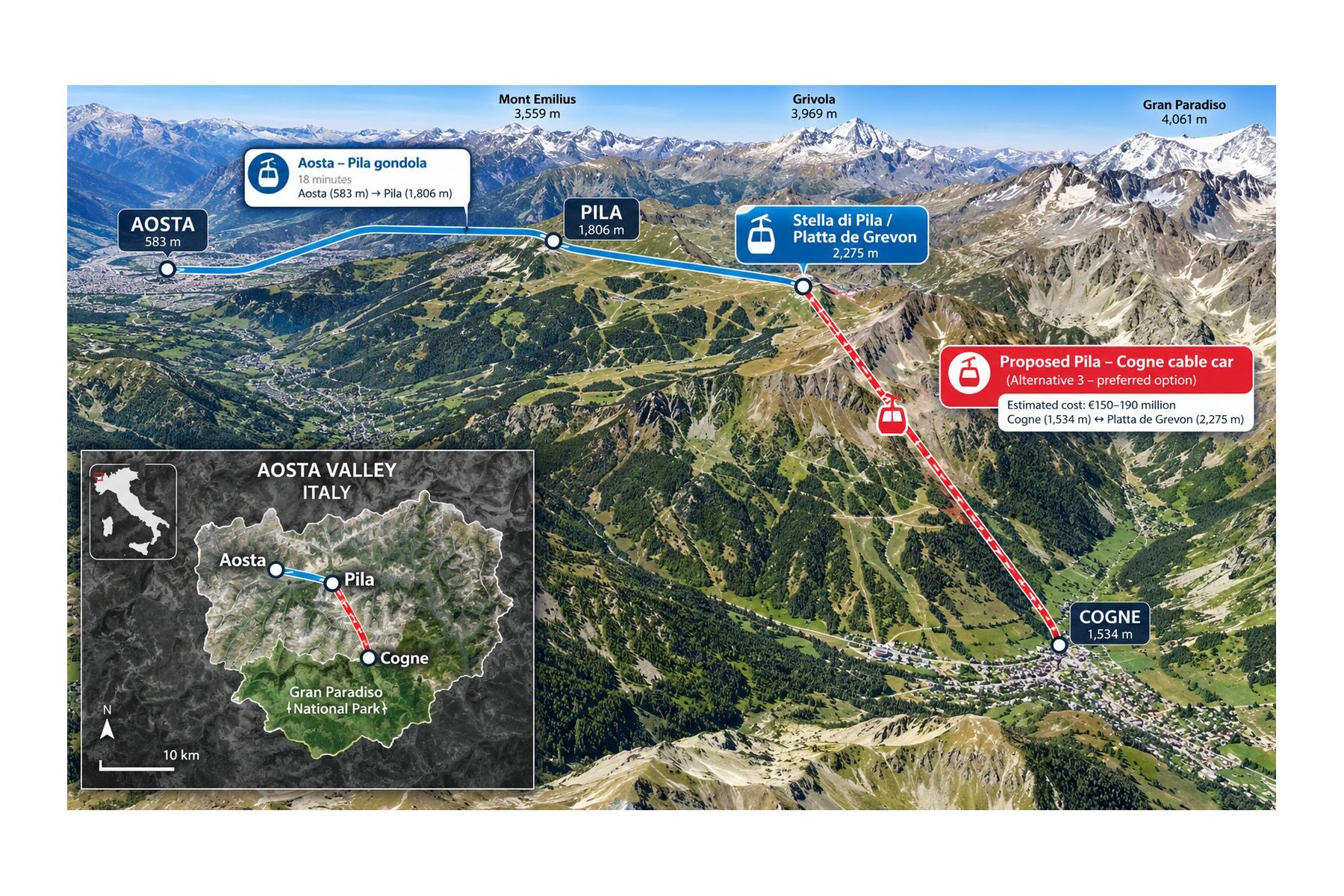
The proposed Pila–Cogne cable car would connect Cogne with Platta de Grevon/Stella di Pila, creating a potential lift-linked route through Pila to Aosta. Illustration: The-Ski-Guru.

A long-discussed cable-car connection between Pila and Cogne in Italy’s Aosta Valley has taken another step forward, with three possible routes now emerging from an initial nine alternatives — and one identified by the technical study as the preferred option.

If eventually built, the project could create something much bigger than a new ski lift. By connecting Cogne with Pila, which is already linked directly by gondola to the city of Aosta, it could effectively create an integrated Aosta–Pila–Cogne mountain destination, combining a regional capital, an alpine ski resort and one of the best-known gateways to the Gran Paradiso National Park.

But this is important: the cable car has not yet been approved for construction.

The latest step concerns the technical feasibility study, while the project is now entering a political and public consultation phase before decisions are made on whether to proceed.

Nine alternatives reduced to three

The project was examined by the Aosta Valley Regional Council’s Economic Development Commission on 1 October 2026.

The technical team initially considered nine different alternatives for connecting Cogne with the Pila ski area.

Three have now been identified as the most practicable solutions, all connecting Cogne with the area of Platta de Grevon, high above Pila.

Continue reading “Pila–Cogne Cable Car: €150–190 Million Link Moves Closer to Political Decision”
Around 40 Evacuated After Debris Flows Hit Rhêmes-Notre-Dame

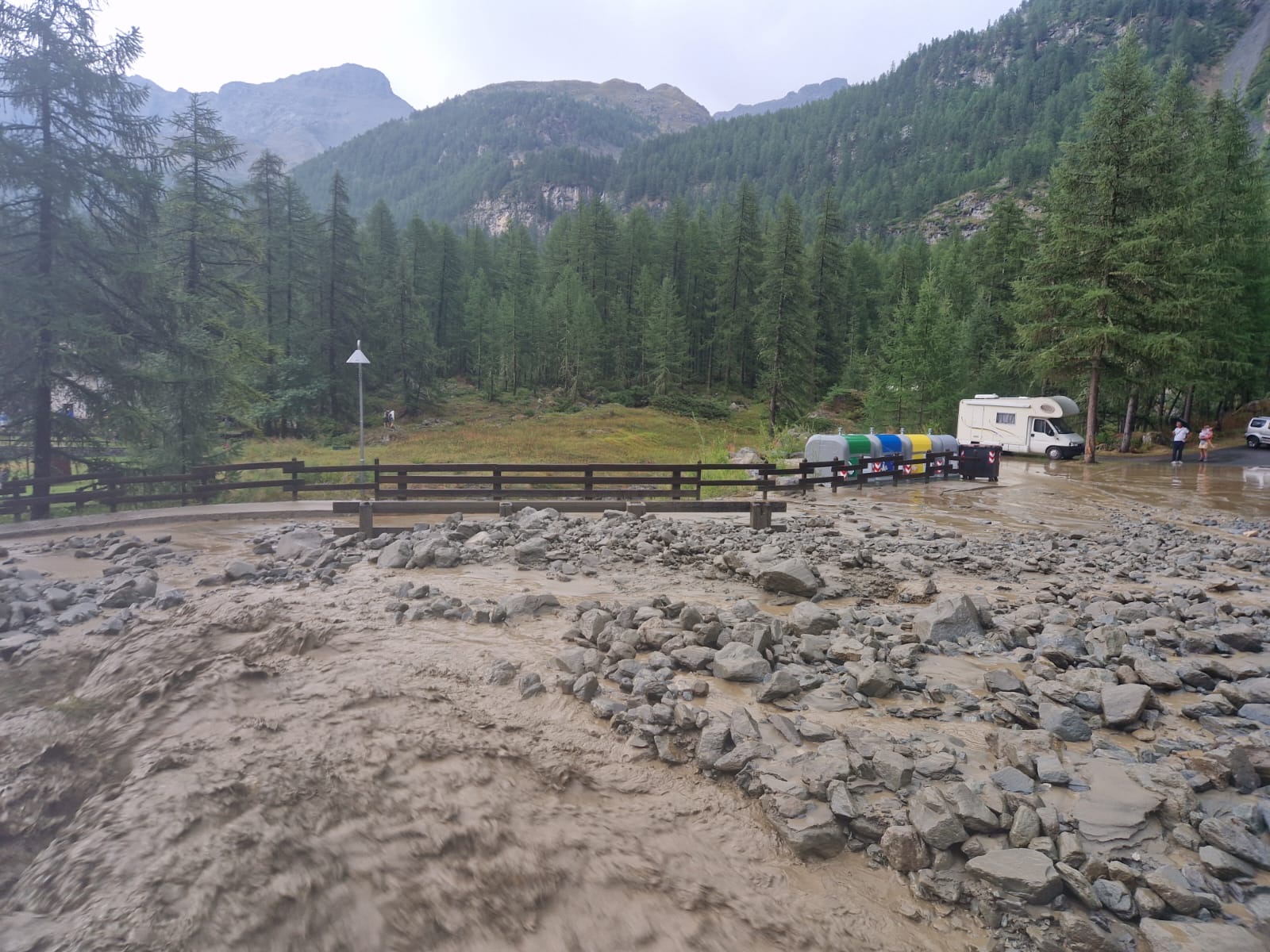
Val di Rhêmes, photo credit: Aostasera.it

Around 40 people were evacuated from the upper Rhêmes Valley in Italy’s Aosta Valley after thunderstorms triggered debris flows that blocked the road towards Thumel on Thursday 13 August.

The incident occurred at Rhêmes-Notre-Dame, in the Gran Paradiso area, after heavy rain caused the Pellaud stream and several smaller watercourses to overflow, sending mud, rocks and debris across the valley.

The debris blocked the municipal road upstream of Thumel, temporarily cutting off people who were returning from the upper part of the valley.

Early reports put the number affected at around 30, but authorities subsequently said approximately 40 people had to be evacuated from areas above the debris flows.

No injuries have been reported.

Continue reading “Around 40 Evacuated After Debris Flows Hit Rhêmes-Notre-Dame”

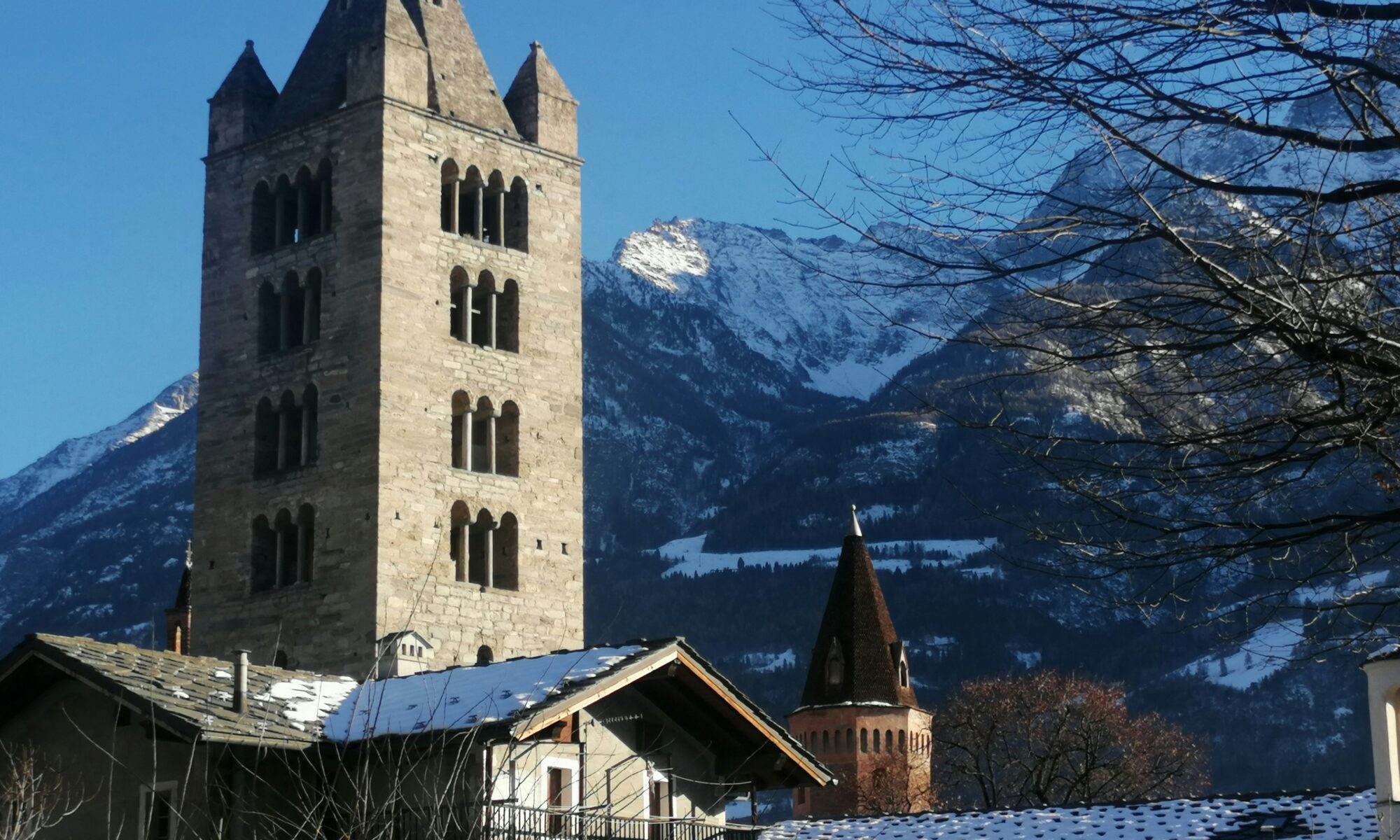
Aosta, Italy: The Complete Guide to the Roman City in the Alps and the Best Base For Exploring the Aosta Valley

Aosta. Photo Credit: GP. Unsplash.

This article may contain affiliate/compensated links. For full information, please see our disclaimer here. Some links on my website may not function properly if ad blocker is enabled.

Many visitors pass through Aosta on their way to Courmayeur, Cervinia or Pila without ever stopping to explore the city itself.

That is a mistake.

Known as the “Rome of the Alps”, Aosta combines remarkably preserved Roman monuments, medieval churches, mountain scenery, excellent restaurants and easy access to some of the most famous destinations in the Alps.

More importantly, Aosta may be the best base in the entire Aosta Valley. From here you can ski in Pila, visit Courmayeur beneath Mont Blanc, explore Gran Paradiso National Park, discover medieval castles, cross into Switzerland via the Great St Bernard Pass or even spend a day in Chamonix.

Unlike many mountain resorts, Aosta is a real city that functions year-round. Visitors benefit from a wide range of restaurants, shops, supermarkets, sports facilities and services while remaining within easy reach of the mountains.

Continue reading “Aosta, Italy: The Complete Guide to the Roman City in the Alps and the Best Base For Exploring the Aosta Valley”

Fatal Week In The Alps Highlights Early Summer Mountain Hazards

Parco Nazionale Gran Paradiso. Photo credit: Fabio Fistarol. Unsplash.

A series of serious mountaineering accidents and rescue operations across the Aosta Valley has highlighted the risks currently facing climbers in the Alps. Over the past two weeks, incidents on the Monte Bianco (Mont Blanc), Matterhorn and Gran Paradiso massifs have resulted in multiple fatalities, lightning strikes, glacier-related rescues and complex helicopter operations.

While mountain conditions are generally considered good for the time of year, experienced local rescuers warn that the combination of an unusually low winter snowpack, exposed ice, rapidly changing weather and increasing numbers of climbers is creating hazards that should not be underestimated. 

A Difficult Week For Alpine Rescue Teams

The latest incidents occurred over the weekend of 13–14 June.

On the Matterhorn, a climber lost his life after a fall on the Italian side of the mountain. On Monte Bianco, rescue teams were also called out following another fatal accident involving climbers on one of the high-altitude routes. Several additional rescue operations were carried out across the region as teams responded to emergencies in difficult terrain. 

Continue reading “Fatal Week In The Alps Highlights Early Summer Mountain Hazards”

🌿🚡 The Cogne–Pila Cable Car: Environmental and Economic Questions Behind a Transformative Project

The lights sets on the mountains in Cogne. Photo: The-Ski-Guru.🌿🚡 The Cogne–Pila Cable Car: Environmental and Economic Questions Behind a Transformative Project.

Cogne–Pila Cable Car: Environmental and Economic Impacts

The debate around the proposed Cogne–Pila–Aosta cable-car link is far from over. While the Cogne municipal council recently voted unanimously to support the motion, the project raises deeper questions that go well beyond tourism and mobility to environmental and economic impacts.

UPDATE – October 2026: The Pila–Cogne cable car project has moved forward. Nine initial alternatives have now been narrowed down to three, with Alternative 3 emerging as the preferred option and estimated costs of €150–190 million. Read our latest update on the Pila–Cogne cable car project.

At its core, the project forces the Aosta Valley to confront a defining issue for Alpine regions today:
How do you balance economic development with environmental protection and cultural identity?

A winter's evening in Cogne. Photo: The-Ski-Guru. 🌿🚡 The Cogne–Pila Cable Car: Environmental and Economic Questions Behind a Transformative Project.
A winter’s evening in Cogne. Photo: The-Ski-Guru. 🌿🚡 The Cogne–Pila Cable Car: Environmental and Economic Questions Behind a Transformative Project.

🌱 1. Environmental Concerns: A Delicate Alpine Balance

Cogne is not a typical resort village. It sits at the entrance to Gran Paradiso National Park, one of Italy’s oldest and most protected natural areas. Its landscape, wildlife corridors, silence, and sense of pristine isolation are not accidents — they are the result of decades of careful restrictions, zoning, and community values.

Building a cable-car system in or near this protected environment raises several key concerns:

🦌 Wildlife Impact

Alpine ecosystems are fragile. Any infrastructure — pylons, cables, stations — may disrupt animal movement patterns, especially for species like ibex, chamois, and foxes that rely on quiet corridors.

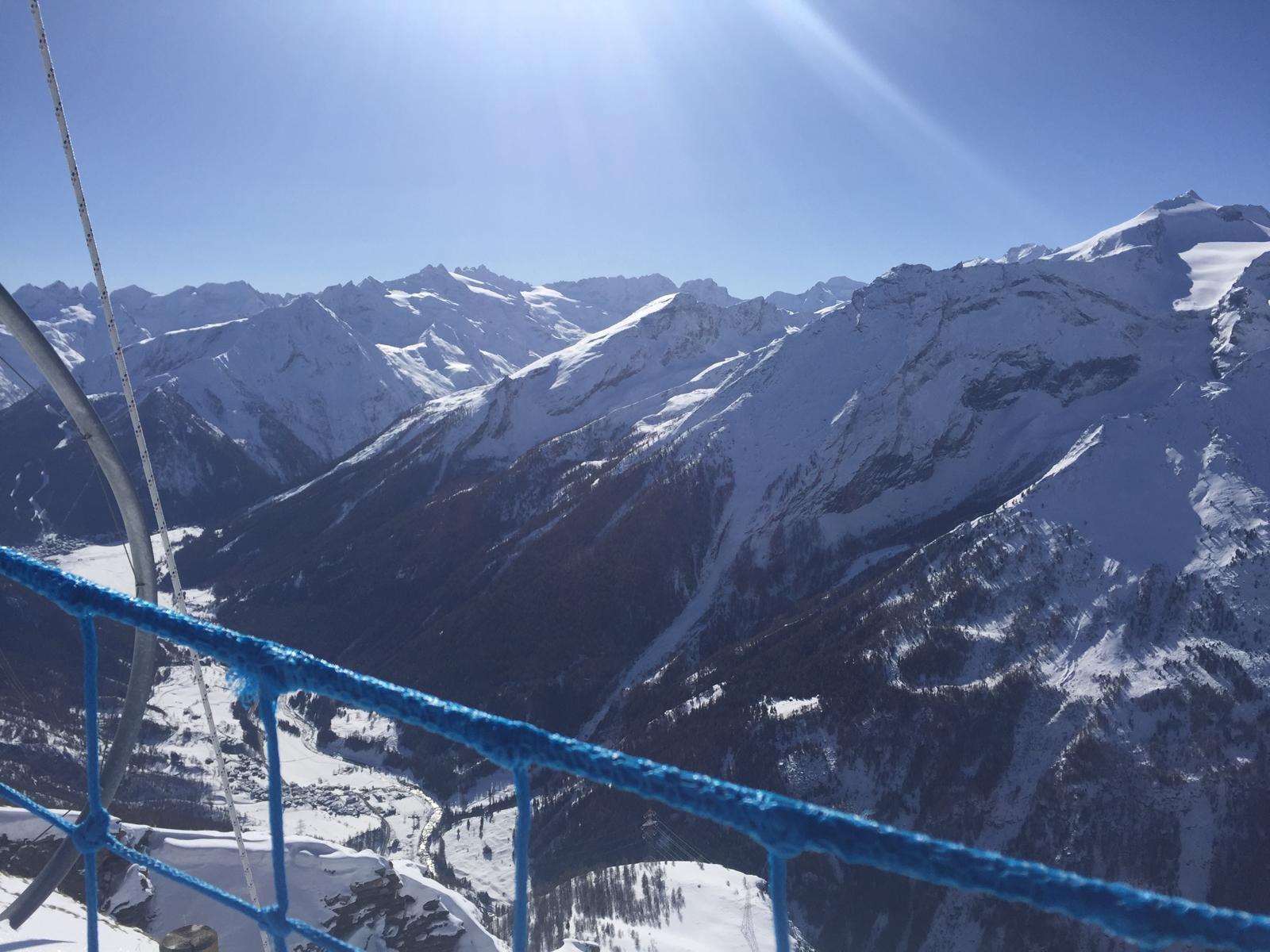
View from the top of Couis towards the Cogne valley. Photo: The-Ski-Guru.🌿🚡 The Cogne–Pila Cable Car: Environmental and Economic Questions Behind a Transformative Project.

Continue reading “🌿🚡 The Cogne–Pila Cable Car: Environmental and Economic Questions Behind a Transformative Project”

🚡 The Cogne–Pila Cable Car: Why the Debate Is Heating Up in the Aosta Valley

Cogne seen from the top of Pila in Couis. 🌿🚡 The Cogne–Pila Cable Car: Environmental and Economic Questions Behind a Transformative Project.

Cogne–Pila Cable Car Debate: What’s at Stake in Aosta Valley

The long-discussed idea of creating a cable-car connection between Cogne, Pila, and Aosta has resurfaced — and this time, it is gaining political momentum. On 28 November 2025, the municipal council of Cogne voted unanimously to support a motion backing the potential lift, calling it a strategic project for the future of the community.

But if local institutions appear aligned, public opinion certainly is not.
Few topics in recent years have sparked such a lively, emotional, and polarised debate in the Aosta Valley.

UPDATE – October 2026: The Pila–Cogne cable car project has moved forward. Nine initial alternatives have now been narrowed down to three, with Alternative 3 emerging as the preferred option and estimated costs of €150–190 million. Read our latest update on the Pila–Cogne cable car project.

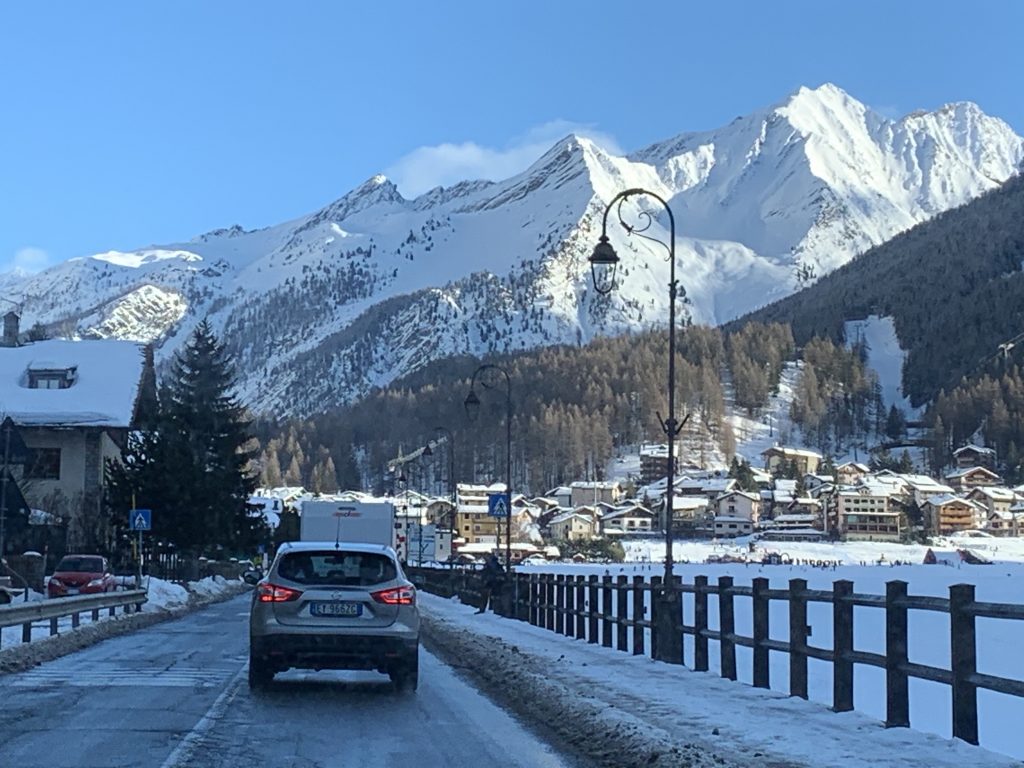
Arriving in Cogne. Gran Paradiso National Park.
Arriving in Cogne. Gran Paradiso National Park. Cogne is a valley behind and kind of completely disconnected to the main road that connects Aosta to the Mont Blanc Tunnel. That is part of its attraction. Photo: The-Ski-Guru. 🚡 The Cogne–Pila Cable Car: Why the Debate Is Heating Up in the Aosta Valley.

🌄 Why the Proposal Matters

Cogne sits at the gateway to the Gran Paradiso National Park, one of the most iconic and untouched mountain valleys in Italy. Its charm has always been tied to its remoteness: a destination you choose to reach, not one you stumble upon.

A direct lift to Pila would change that dynamic entirely.
Supporters argue that this is exactly the point.

According to the council’s motion, the cable-car could bring:

  • Better connectivity, linking the upper valley to Aosta without relying solely on the long, winding road.

  • Economic opportunities, by making Cogne more accessible for both winter and summer tourism.

  • A more sustainable mobility model, reducing car traffic and integrating with existing lifts such as the Aosta–Pila gondola.

The project is not new. In late 2024, Pila S.p.A. had already begun preparing procedures to update the feasibility study, with preliminary estimates ranging from €50 to €150 million, depending on the final route and technology.

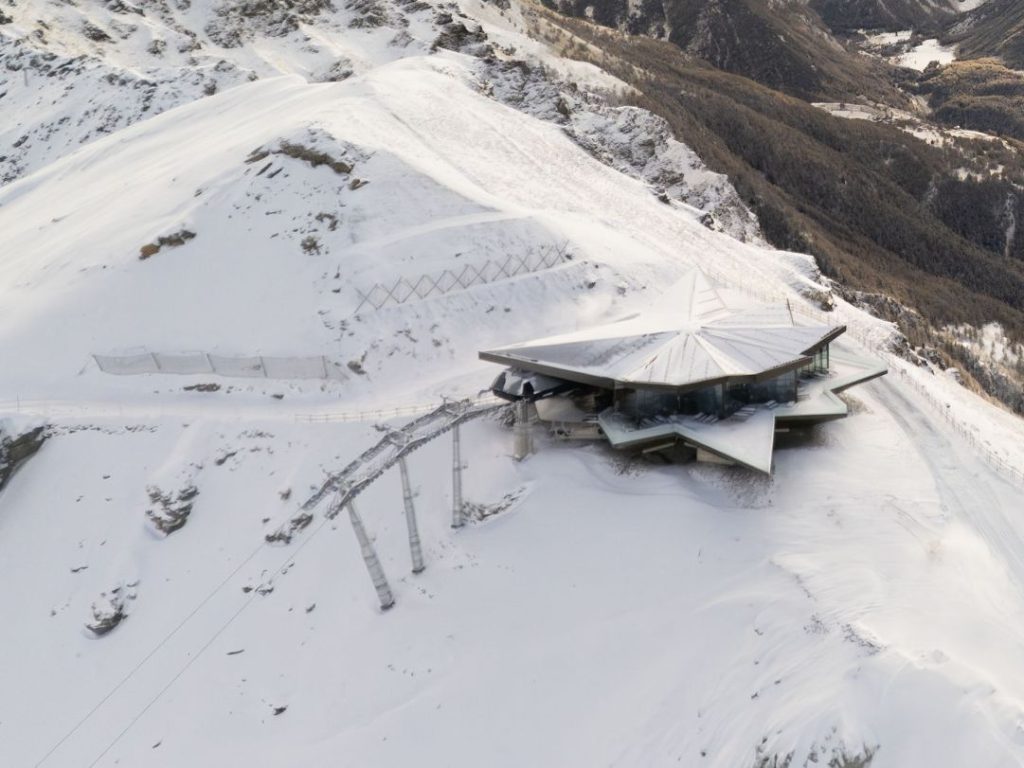
The plan was to connect the top of Pila to Cogne, making it a reality to connect Aosta all the way to Cogne and increasing. the visitors to the region. Stella di Pila on the top of Couis 1. Photo: Pila sPa. 🚡 The Cogne–Pila Cable Car: Why the Debate Is Heating Up in the Aosta Valley.

Continue reading “🚡 The Cogne–Pila Cable Car: Why the Debate Is Heating Up in the Aosta Valley”