La Chapelle-d’Abondance Avalanche – Two Ski Tourers Killed in Haute-Savoie

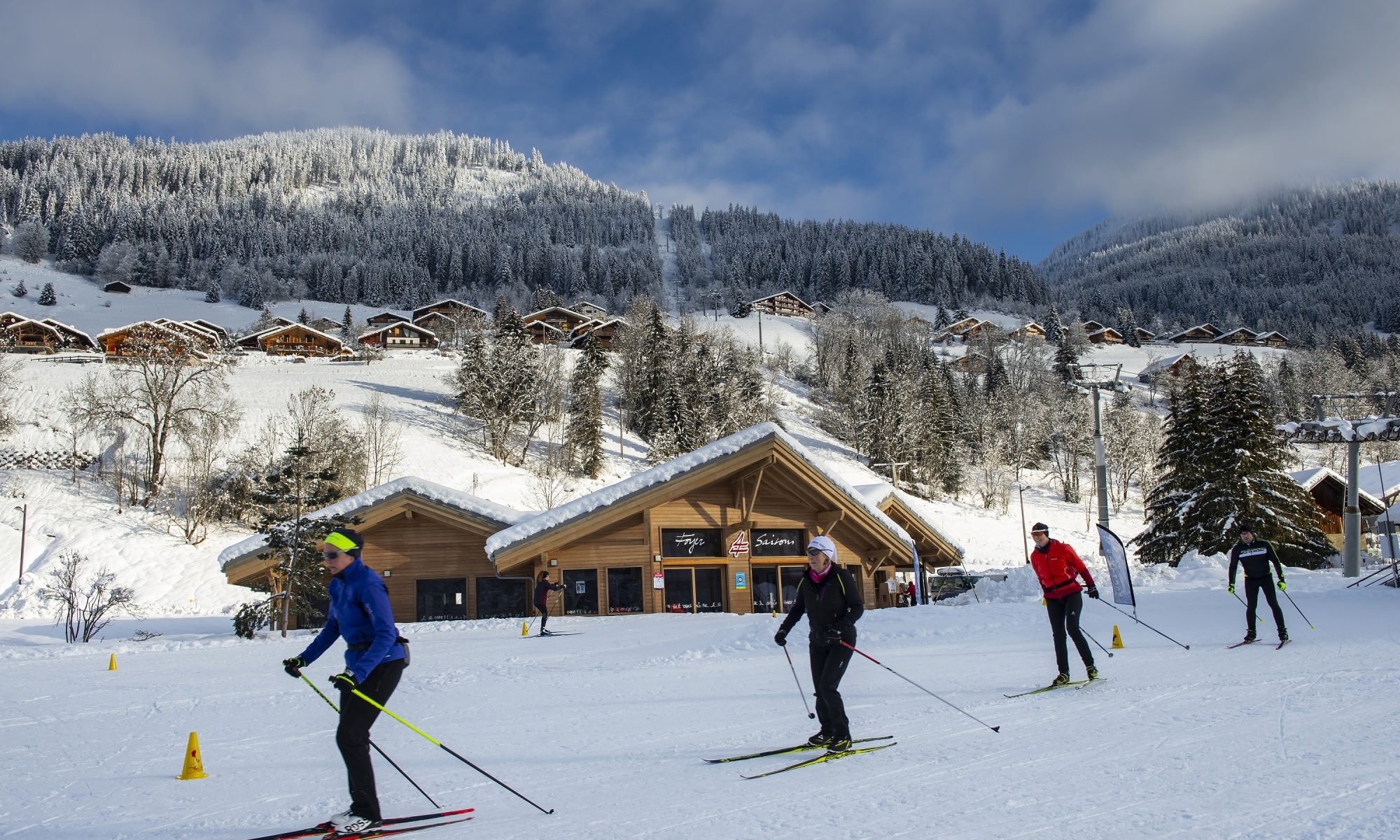
La Chapelle d'Abondance. Photo: Auvergne Rhône Alpes Tourisme.

Two female ski tourers lost their lives in an avalanche near La Chapelle-d’Abondance, in Hautes-Savoie, on Sunday, 22 February 2026, according to regional French media including Le Dauphiné Libéré.

The accident occurred in backcountry terrain above the village in the northern French Alps, an area popular with ski touring enthusiasts during winter conditions.

Emergency services were deployed to the scene, but the two women could not be revived.

This incident forms part of the broader February 2026 avalanche cycle across the Alps, which saw widespread Level 4 and Level 5 danger across multiple countries.

This event is part of a wider pattern of extreme weather in the Alps, where increasingly unstable conditions are affecting snowpack and safety.

La Chapelle-d’Abondance lies in the Abondance Valley, part of the wider Portes du Soleil region in Haute-Savoie, close to the Swiss border.

While the resort area offers managed pistes, the surrounding terrain includes steep backcountry slopes that can become unstable following snowfall and wind transport.

Continue reading “La Chapelle-d’Abondance Avalanche – Two Ski Tourers Killed in Haute-Savoie”
Avalanche on Becca di Nana, Aosta Valley – Ski Tourer Killed in Val d’Ayas

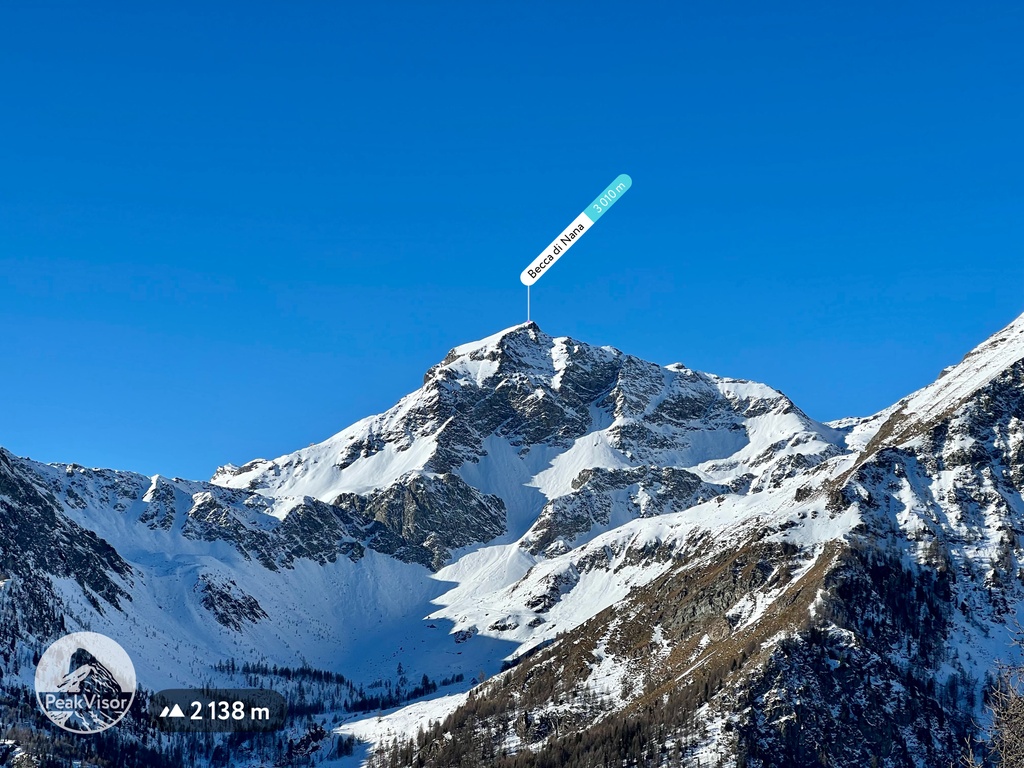
Becca di Nana. Peakvisor.

A ski mountaineer has died after being caught in an avalanche on Becca di Nana in Val d’Ayas, Aosta Valley, on 22 February 2026.

The victim, identified in Italian media as a 50-year-old man from Lombardy, had set out alone for a ski tour in the high-altitude terrain above Champoluc. When he failed to return, his wife alerted emergency services.

This incident forms part of the broader February 2026 avalanche cycle across the Alps, which saw widespread Level 4 and Level 5 danger across multiple countries.

Rescue Operation at 3,000 Metres

Mountain Rescue teams from the Valle d’Aosta Alpine Rescue Service (Soccorso Alpino Valdostano) and the Guardia di Finanza located the victim at approximately 3,000 metres on the slopes of Becca di Nana.

Continue reading “Avalanche on Becca di Nana, Aosta Valley – Ski Tourer Killed in Val d’Ayas”

Avalanche Danger Levels Explained: What “Level 3 – Considerable” Really Means

Avalanche Danger explained. Graphic by Swissinfo.com Avalanche Danger Levels Explained: What “Level 3 – Considerable” Really Means

Avalanche Danger Levels Explained: What Level 3 “Considerable” Really Means

After many avalanche accidents, reports often mention that the danger level was “3 – Considerable.”
This confuses many skiers — especially because Level 3 is not the highest rating.

In fact, most fatal avalanches occur at Level 3, making it one of the most misunderstood danger levels in the Alps.

Many accidents occur during periods shaped by extreme weather in the Alps, particularly when conditions change rapidly.

A recent example can be seen in this analysis of wind slab avalanches across the French Alps following strong winds and fresh snow, where multiple incidents were reported in Tarentaise and Maurienne.

Recent events continue to underline this pattern, including four fatalities in separate avalanches in northern British Columbia during Level 3 conditions, and in the  French Alps avalanches during April 2026, where similar instability patterns were observed.


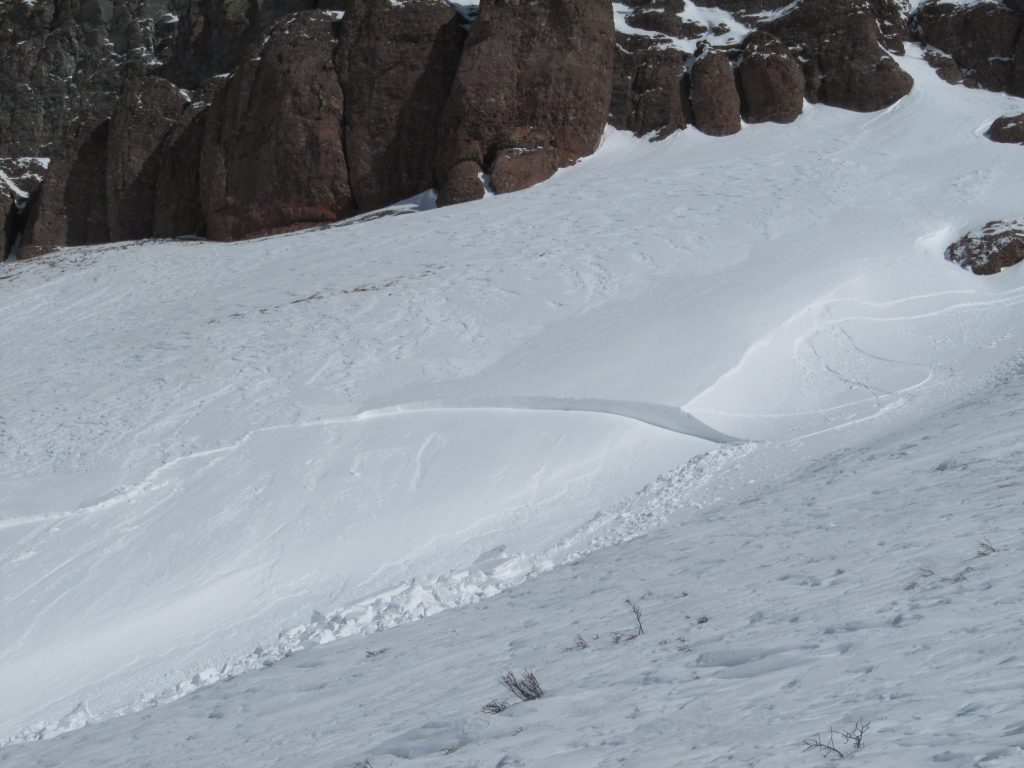
Windslab avalanche. Photo: Andrew Temple. Colorado Avalanche Information Center. Avalanche Danger Levels Explained: What “Level 3 – Considerable” Really Means.

The European avalanche danger scale (1–5)

Avalanche danger in Europe is reported using the European Avalanche Danger Scale, which classifies conditions from Level 1 (Low) to Level 5 (Very High).

  • Level 1 – Low
  • Level 2 – Moderate
  • Level 3 – Considerable
  • Level 4 – High
  • Level 5 – Very High

While Level 4 and 5 sound more dramatic, they are often associated with obvious danger, closed areas, and fewer people skiing.


For readers seeking a full breakdown of what Level 4 avalanche danger means and how it affects safety and travel choices, see what Level 4 avalanche danger means.


Level 3 is different.

Continue reading “Avalanche Danger Levels Explained: What “Level 3 – Considerable” Really Means”