Southern Alps Avalanches February 2026 (Western Alps Overview)

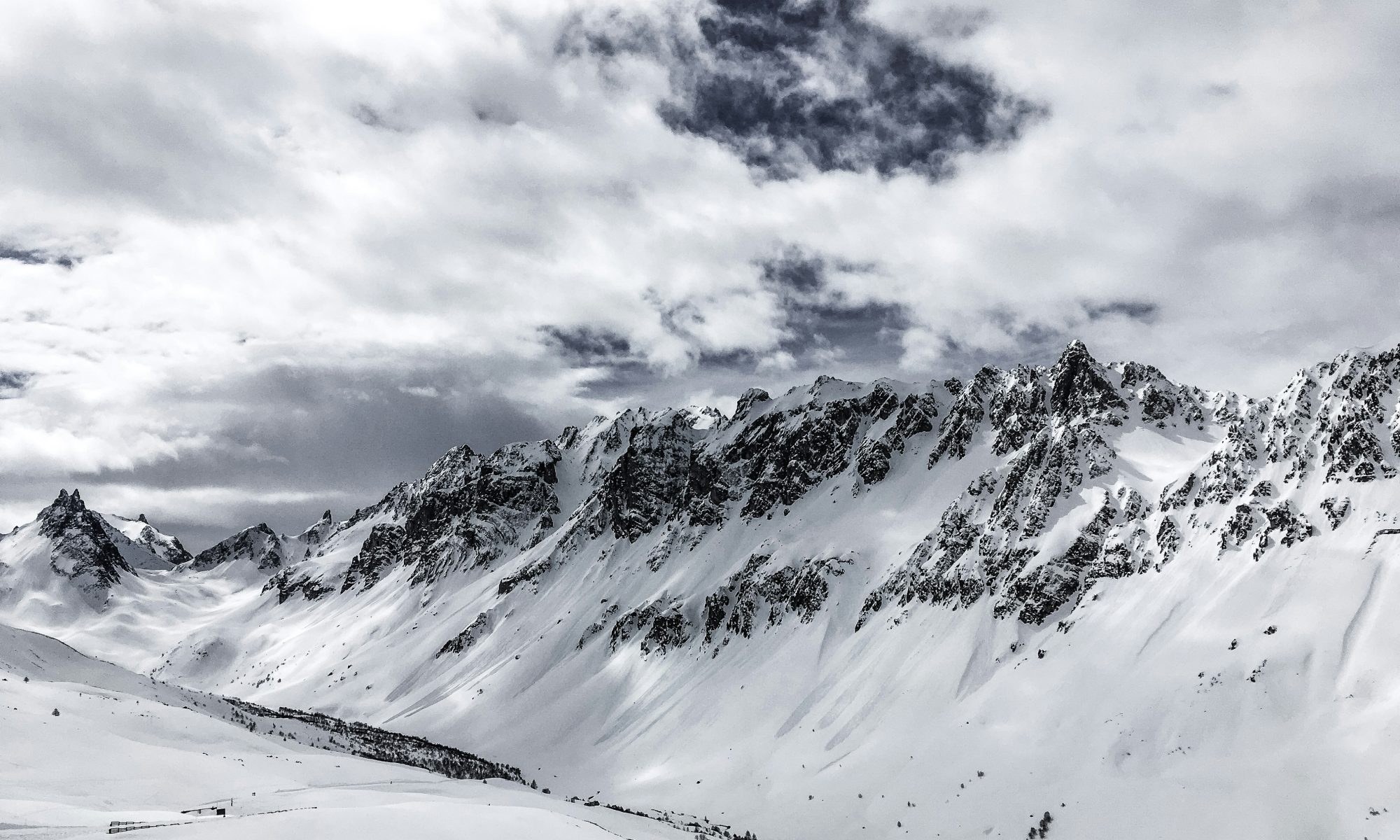
St. Foy-Tarentaise-Photo: Valdemaras Januska. Unsplash. Southern Alps avalanches February 2026.

Southern Alps avalanches February 2026 highlight a continued instability phase across multiple Alpine massifs between 21 and 26 February.

Between 21 and 26 February 2026, widespread avalanche activity was observed across the Southern and Western Alps, including the Écrins, Queyras, Vanoise, Beaufortain, Haute Tarentaise and the Aosta Valley.

Unlike isolated accident reports, these observations show a broader structural pattern:
• Deep slab failures
• Spontaneous releases during warming
• Glide avalanches and reptation
• Hard slabs transitioning into wet snow on south-facing slopes

This phase followed the intense storm cycle and coincided with rising freezing levels across the Alps.

Most of the following observations are drawn from the public database at data-avalanche.org, complemented where possible by regional reporting.

Continue reading “Southern Alps Avalanches February 2026 (Western Alps Overview)”
Avalanche Control on Ski Slopes: The System Behind “Safe In-Bounds Skiing”

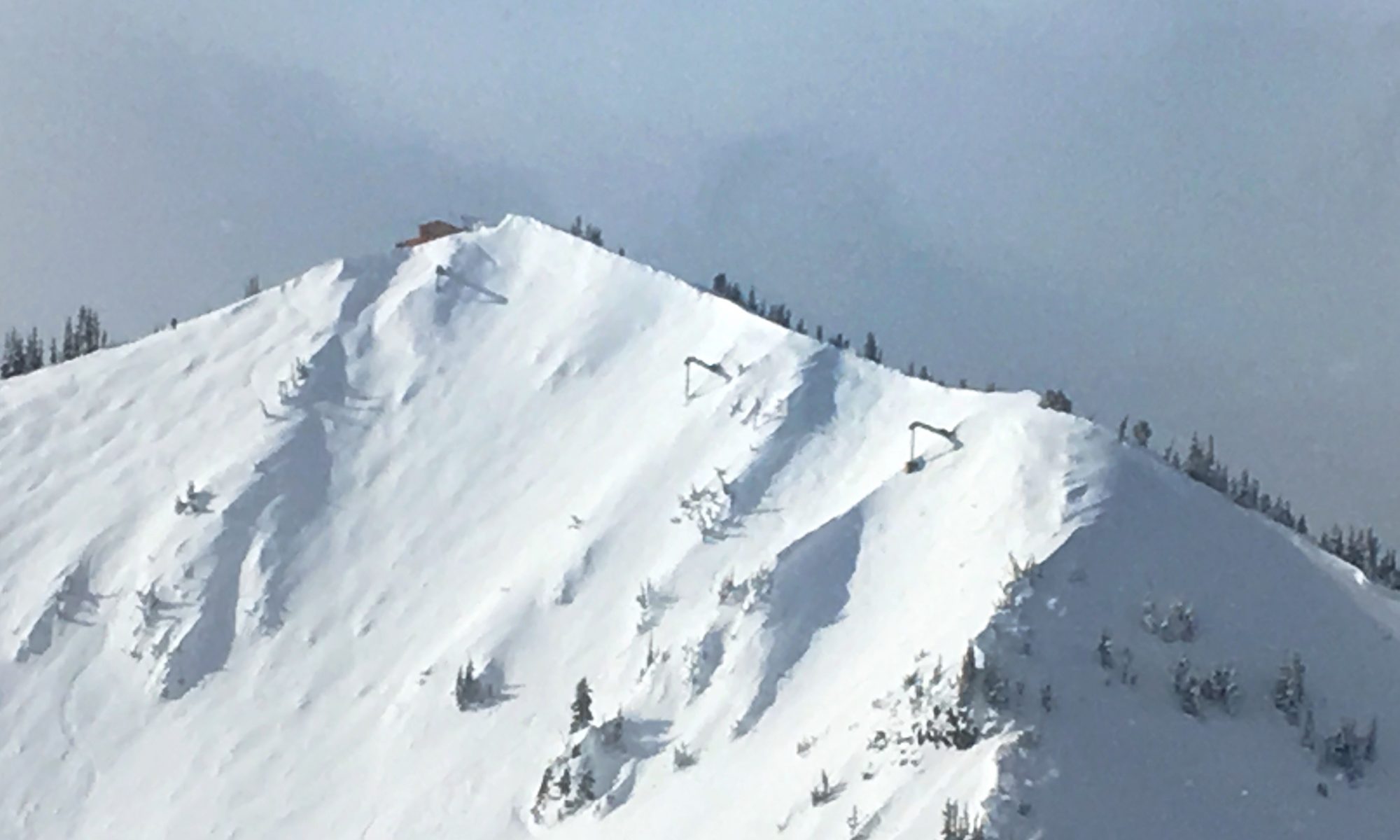
Detail of the Gaz-ex installed at Powder Bowl - photos by Kim Kirchner. High prone avalanche terrain

Most skiers assume that if a run is open, it is avalanche-proof. In reality, ski resorts reduce avalanche risk dramatically — but they cannot eliminate it completely, especially during Level 4 (Strong) and Level 5 (Very Strong) danger periods on the European avalanche danger scale.

During recent Alpine storm cycles, including February 2026, several incidents raised an important operational question: how can an avalanche reach or cross an open piste — and what systems are supposed to prevent that?

This explainer walks through the real-world avalanche control toolkit used by Alpine resorts, and what “extreme conditions” mean for in-bounds safety.


What Is PIDA?

In France, avalanche control on or near ski slopes is typically organised under a PIDA:

Continue reading “Avalanche Control on Ski Slopes: The System Behind “Safe In-Bounds Skiing””

Walker Killed in Valloire Avalanche as Rare Large Slides Sweep French Alps

Valloire. Photo: Merlin Janke. Unsplash.

A major avalanche cycle continues across the French Alps following heavy snowfall and strong winds, with a confirmed fatality in Valloire and multiple large natural releases affecting roads, hamlets and ski infrastructure.

Authorities had issued Level 5 (maximum) avalanche danger in parts of Savoie at the time of the incident.

The Valloire incident follows other serious avalanche accidents in the region, including the recent Val d’Isère avalanche that killed two British skiers after a Level 5 warning.

This incident forms part of the broader February 2026 avalanche cycle across the Alps, which saw widespread Level 4 and Level 5 danger across multiple countries.


Fatal Avalanche in Valloire (Savoie) – 17 February 2026

According to Le Dauphiné Libéré, TF1 Info, and Reuters, a very large natural avalanche struck near the hamlet of La Rivine in Valloire around midday on 17 February.

The avalanche descended from natural slopes above the hamlet, crossed a road and pedestrian path, and swept through an area below the slope.

One person walking along the path was killed. Three others were injured, including two reported to be in critical condition. Rescue operations involved mountain police (PGHM), firefighters, search dogs and medical teams. Two hamlets — La Rivine and La Borgé — were evacuated as a precaution.

French media described the avalanche as “de grande ampleur” (of great magnitude). The incident occurred during a Level 5 avalanche danger period, the highest rating on the European avalanche scale.

Continue reading “Walker Killed in Valloire Avalanche as Rare Large Slides Sweep French Alps”