Stubai Glacier avalanche kills US skier in Austria’s first fatal slide of the winter

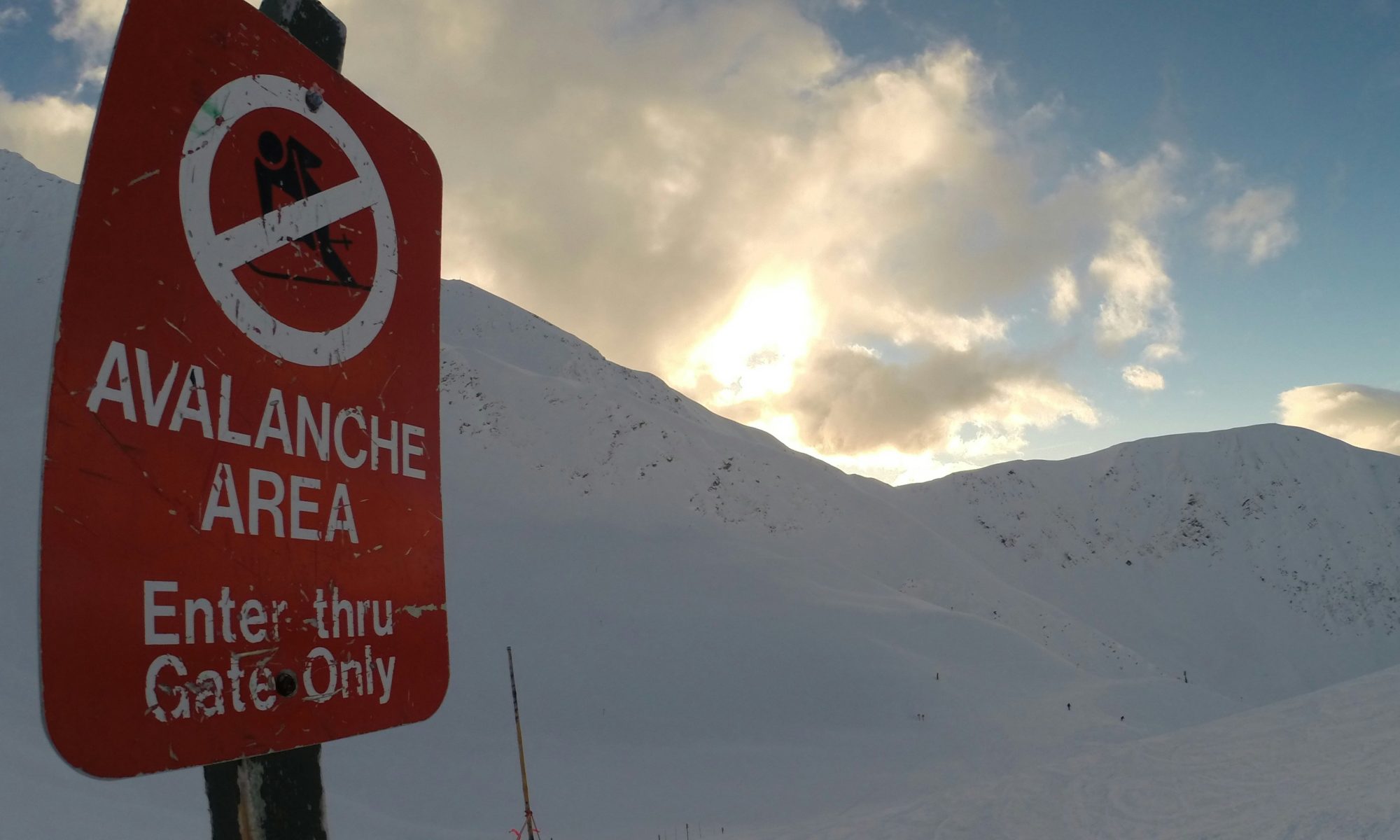
Avalanche danger sign. Photo: Bruce Warrington- Unsplash. Avalanche Activity Across the Alps & Pyrenees: Widespread Instability Raises Concerns (11–12 January 2026).

A 72-year-old American skier has died after an avalanche swept him into a deep glacier crevasse at Austria’s Stubai Glacier on Saturday, 14 November 2026.

According to ORF Tirol, citing the emergency coordination centre, this was Austria’s first avalanche fatality of the current winter season.

Avalanche struck off-piste at Daunferner

The Tyrol Police statement places the accident at approximately 11:30am in the Daunferner sector, at around 2,970 metres.

A group of young winter sports enthusiasts witnessed a slab avalanche sweep a person into a glacier margin crevasse and raised the alarm.

A piste rescuer and an Alpine police officer reached the site and used an avalanche transceiver to locate the skier in the approximately 20-metre-deep crevasse. They freed him from the snow and began resuscitation, but he could not be revived.

Mountain rescuers recovered his body with support from the police helicopter. Police confirmed on Sunday that the victim was a 72-year-old US citizen.
Continue reading “Stubai Glacier avalanche kills US skier in Austria’s first fatal slide of the winter”

Ski Tourer Found Alive More Than 24 Hours After Maurienne Avalanche

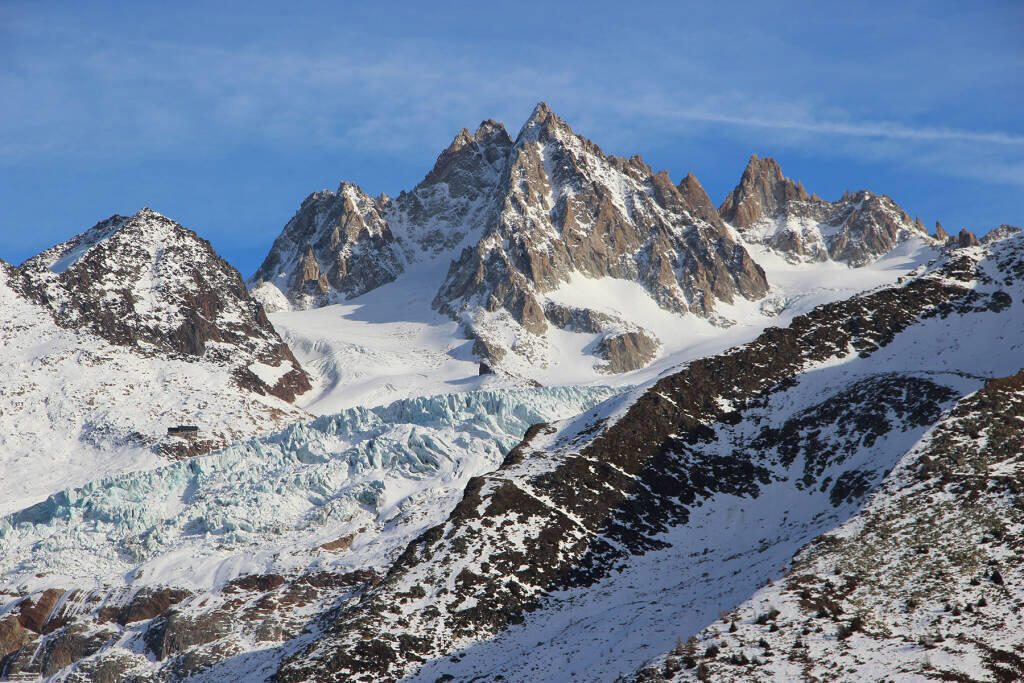
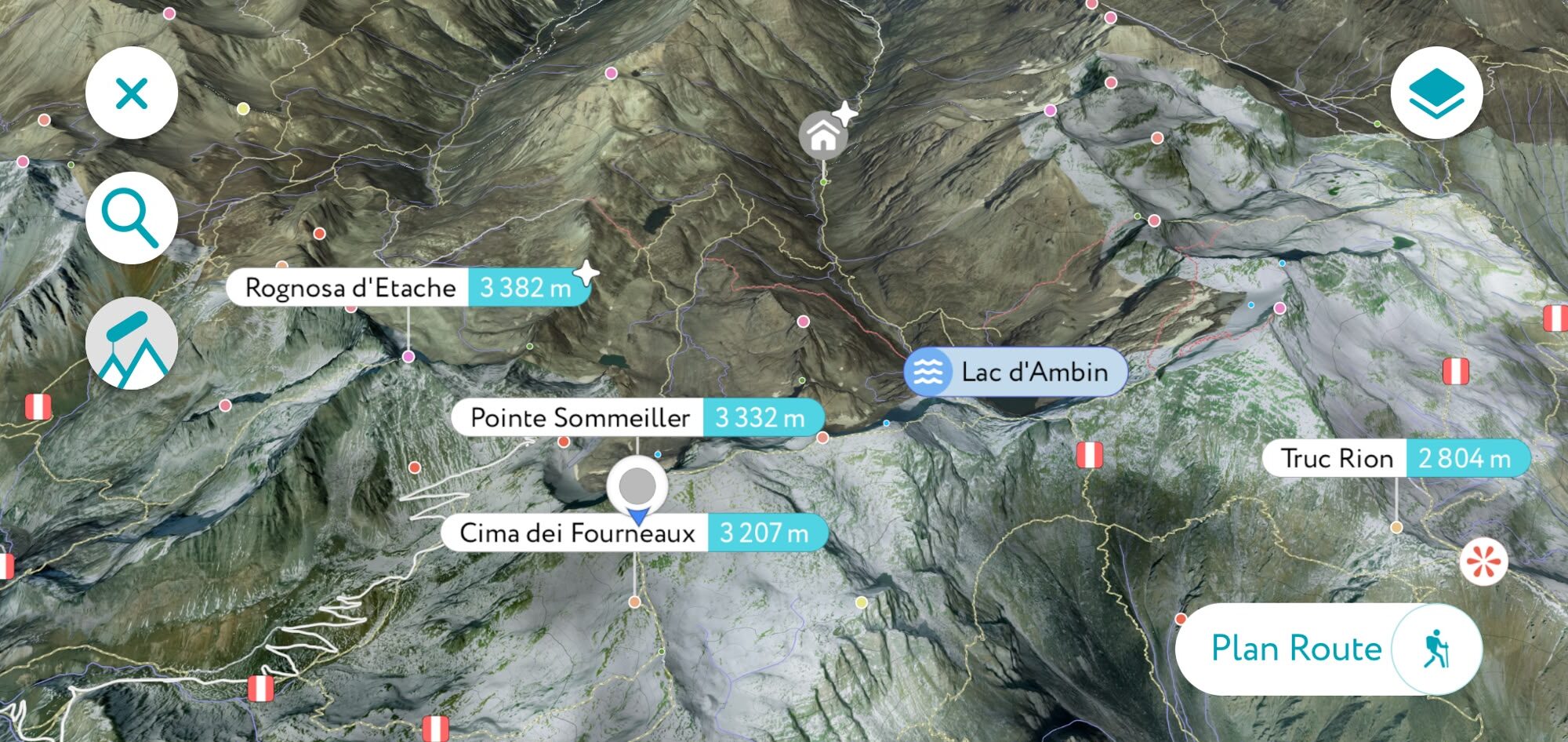
Pointe Sommelier- Image capture on Peak Visor.

A 39-year-old ski tourer has been rescued alive in the French Alps more than 24 hours after an avalanche swept him into a crevasse in the Maurienne valley, Savoie.

The accident happened on Sunday 8 November 2026 during an ascent towards Pointe Sommeiller. Rescuers recovered him on Monday 9 November with serious leg injuries and hypothermia.

A new TF1 report, broadcast on Tuesday 10 November, includes his account from hospital in Grenoble, adding details about how he survived until help arrived.

A weekend tour followed by an avalanche

According to Le Dauphiné Libéré, the man left Bramans on Saturday 7 November and spent the night at the Ambin refuge.

He continued towards Sommeiller on Sunday morning. The newspaper reports that he removed his skis and began climbing a steep couloir on crampons when a slab avalanche released, sweeping him into a crevasse.

The sequence explains the different dates in early coverage: his outing began on Saturday, while the avalanche occurred on Sunday.

Continue reading “Ski Tourer Found Alive More Than 24 Hours After Maurienne Avalanche”

Who Pays for Ski Rescue in the Alps and Pyrenees? Winter Costs and Insurance Explained

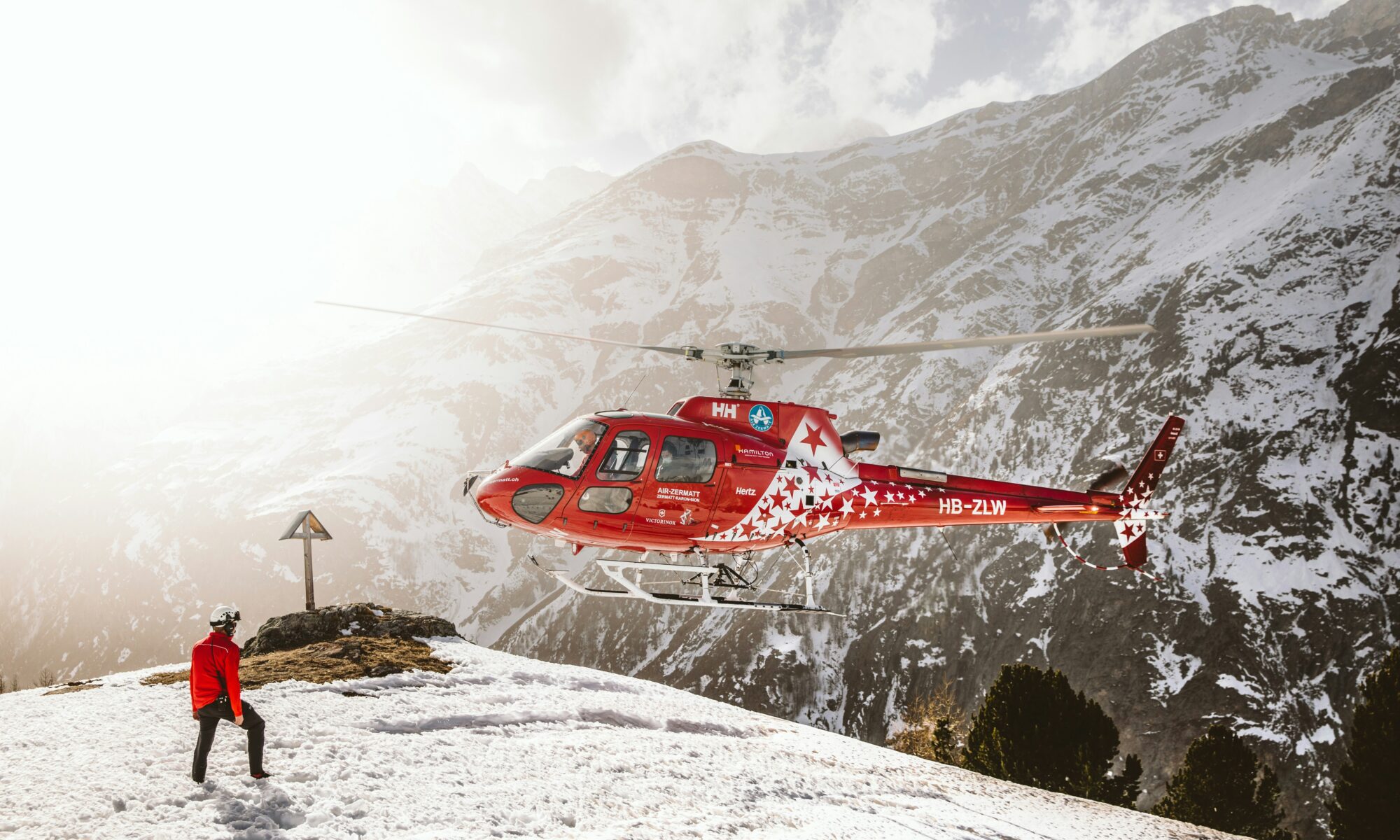
Featured Image: Patrick Robert Doyle. Zermatt. Unsplash.

A fall on a marked ski run can leave you with more than an injury. Depending on where you are skiing, you may also receive bills for ski patrol, evacuation by sledge, a helicopter, an ambulance and medical treatment.

There is no single system across the Alps and Pyrenees. Nor does a country’s approach to summer mountain rescue necessarily tell you what happens on its winter pistes.

Our summer mountain rescue guide explains the hiking and mountaineering picture. This winter guide looks at the distinctions skiers and snowboarders need to understand.

Information checked on 4 November 2026. Prices are examples published by the named operators, not national tariffs. Insurance examples explain differences in cover; availability, eligibility and the contract supplied at purchase must be checked.

Continue reading “Who Pays for Ski Rescue in the Alps and Pyrenees? Winter Costs and Insurance Explained”

Teenager or Claude AI: Who Was to Blame for Mountain Rescue?

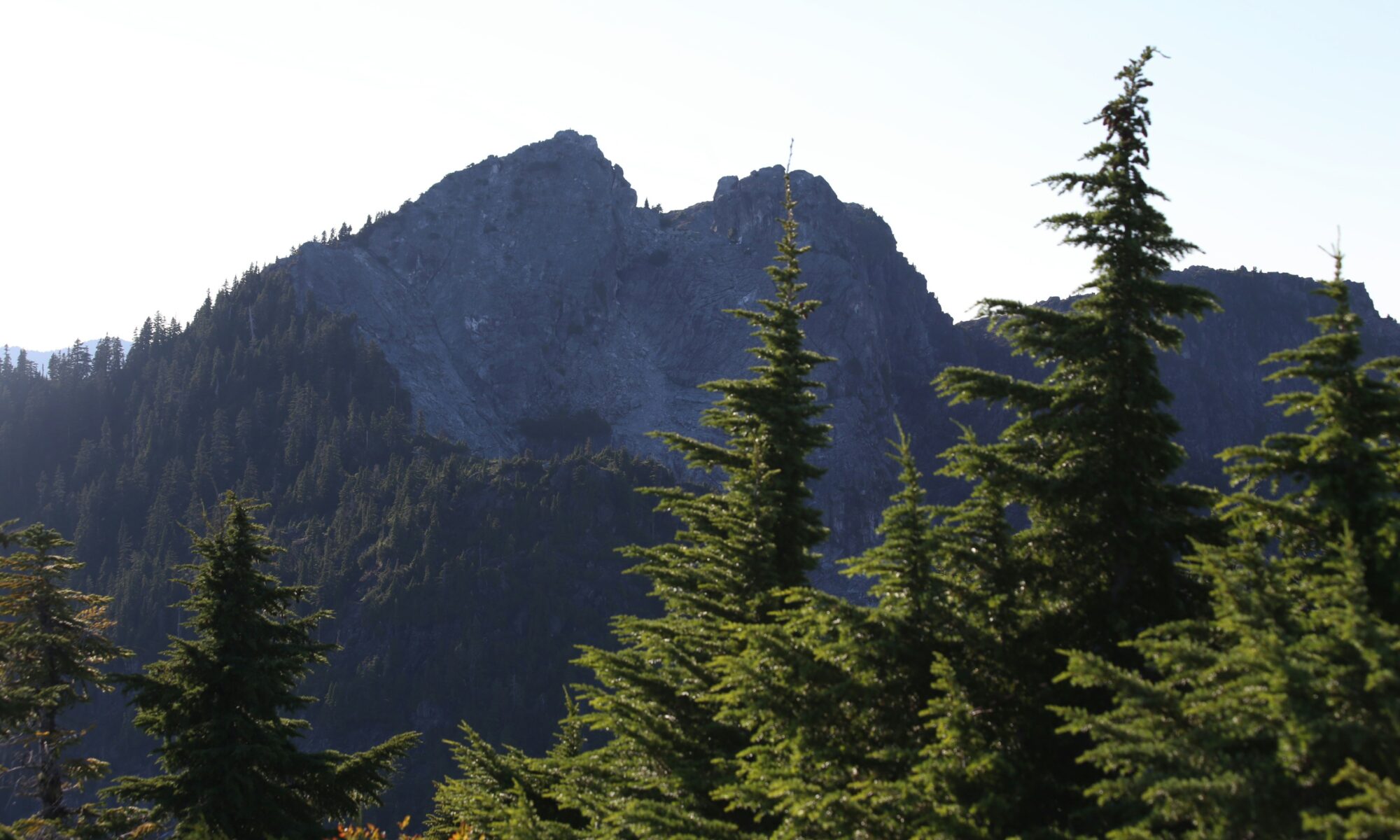
Crown Mountain in British Columbia, Canada, where a teenager was rescued after becoming stranded on a technical climbing route

A 16-year-old hiker was rescued from a dangerous cliff in British Columbia after using artificial intelligence during his mountain preparations. But was it human error, misleading AI guidance, or a combination of both?

A 16-year-old Canadian teenager was rescued by helicopter on 3 October 2026 after becoming stranded on a steep rock face on Crown Mountain, near Vancouver, British Columbia.

The teenager, Bryce Vincent Gowryluk, had consulted Claude, the artificial intelligence chatbot developed by Anthropic, while preparing his mountain excursion.

Initial reports suggested that AI-generated directions had contributed to his navigational mistake. However, the teenager subsequently challenged that interpretation, saying he had accidentally entered a technical climbing route and that Claude had not instructed him to take it.

The incident has sparked a wider debate about the reliability of artificial intelligence for mountain navigation — and the responsibility of those using it.

Continue reading “Teenager or Claude AI: Who Was to Blame for Mountain Rescue?”

Who Pays for a Mountain Rescue in the Alps? Summer Hiking, Insurance and Rescue Costs Explained

Photo: Kevin Schmid. Unsplash. Zermatt. Switzerland.

The rescue of 36 hikers, including babies in strollers, in Austria made headlines around the world. But beyond the unusual circumstances, it highlighted a question many visitors never think about until it’s too late:

Who pays if you need to be rescued in the Alps?

The answer depends on where you are. Rules vary significantly between Austria, France, Italy and Switzerland, and what applies to summer hiking or mountaineering is not necessarily the same as skiing in winter.

This guide focuses on summer mountain activities—including hiking, mountaineering, via ferratas and glacier trekking. Rescue rules on managed ski slopes during winter are often different and are covered by separate insurance systems.

Continue reading “Who Pays for a Mountain Rescue in the Alps? Summer Hiking, Insurance and Rescue Costs Explained”

Mount Blanc Climber Dies After Falling Through Snow Bridge on Glacier du Tour

Glacier du Tour. Photo credit: Chamonix.com

A female climber has died after falling into a crevasse on the Glacier du Tour, one of the Mont Blanc massif’s most popular glacier routes, in an accident that has prompted another reminder from French mountain rescue teams about the hidden dangers of late-summer glacier travel. 

The victim, a Russian woman in her 60s, had been travelling alone. She visited the Refuge Albert 1er on Tuesday and planned to return later that evening to spend the night. When she failed to come back, the refuge wardens alerted the Peloton de Gendarmerie de Haute Montagne (PGHM) in Chamonix, which launched a search operation the following day. 

After an unsuccessful search on Wednesday, rescuers resumed operations on Thursday morning and located her body at the bottom of a crevasse on the nearby Glacier du Tour. 

Continue reading “Mount Blanc Climber Dies After Falling Through Snow Bridge on Glacier du Tour”

Fatal Week In The Alps Highlights Early Summer Mountain Hazards

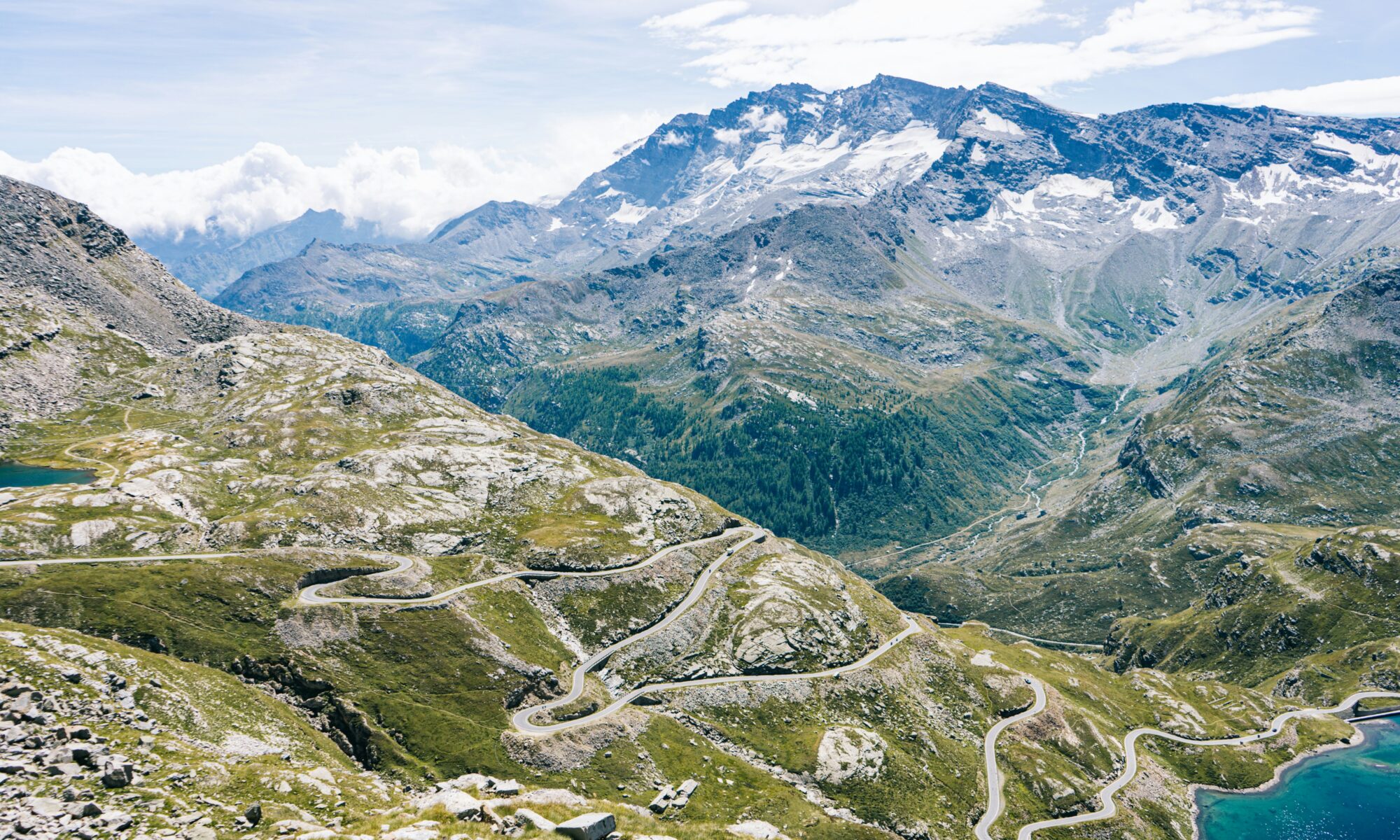
Parco Nazionale Gran Paradiso. Photo credit: Fabio Fistarol. Unsplash.

A series of serious mountaineering accidents and rescue operations across the Aosta Valley has highlighted the risks currently facing climbers in the Alps. Over the past two weeks, incidents on the Monte Bianco (Mont Blanc), Matterhorn and Gran Paradiso massifs have resulted in multiple fatalities, lightning strikes, glacier-related rescues and complex helicopter operations.

While mountain conditions are generally considered good for the time of year, experienced local rescuers warn that the combination of an unusually low winter snowpack, exposed ice, rapidly changing weather and increasing numbers of climbers is creating hazards that should not be underestimated. 

A Difficult Week For Alpine Rescue Teams

The latest incidents occurred over the weekend of 13–14 June.

On the Matterhorn, a climber lost his life after a fall on the Italian side of the mountain. On Monte Bianco, rescue teams were also called out following another fatal accident involving climbers on one of the high-altitude routes. Several additional rescue operations were carried out across the region as teams responded to emergencies in difficult terrain. 

Continue reading “Fatal Week In The Alps Highlights Early Summer Mountain Hazards”

Skier Found Dead Outside Boundary at Whistler Blackcomb After Going Missing

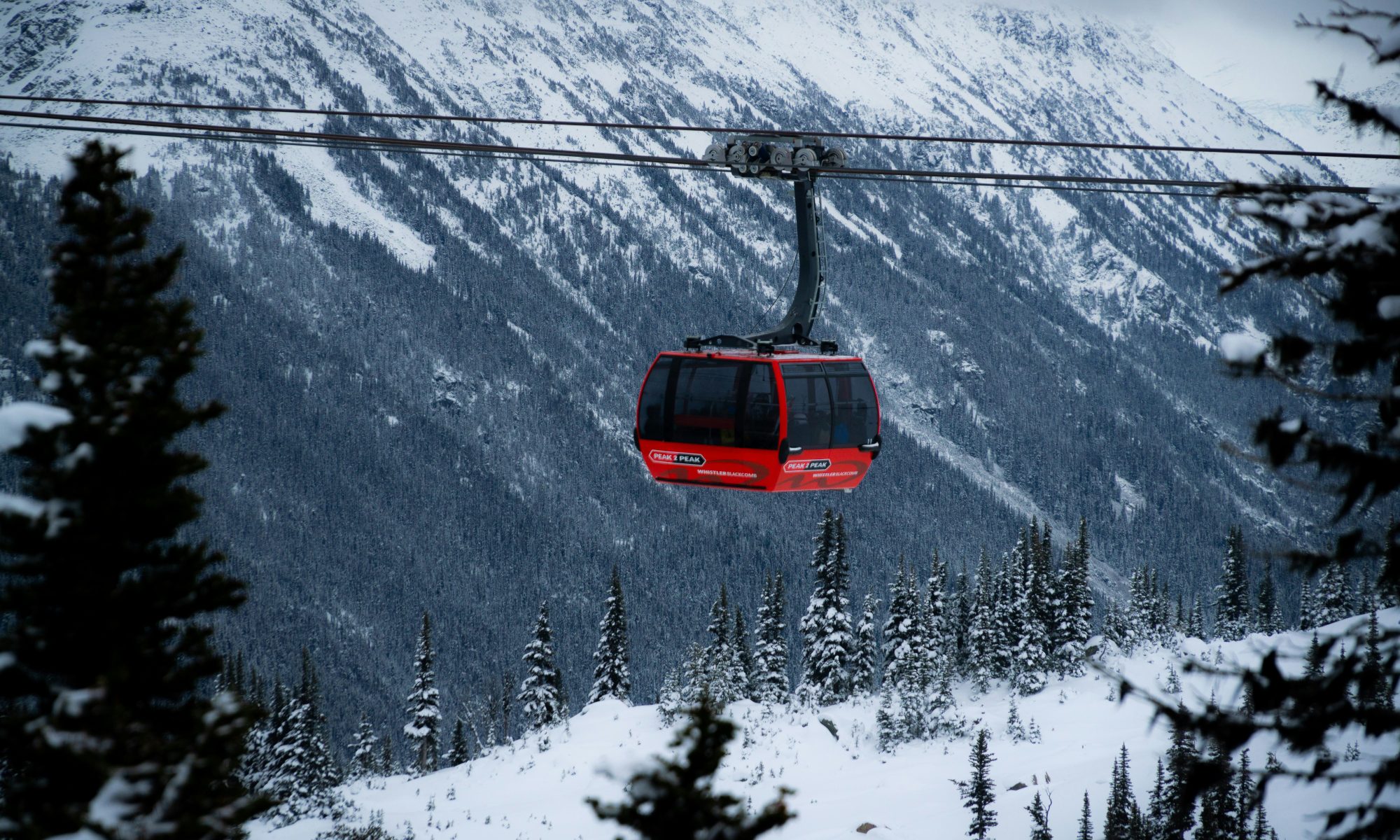
Whistler Peak 2 Peak Gondola. Photo: Yin Yin Low. Unsplash.

The Whistler Blackcomb skier death follows the discovery of a 78-year-old Vancouver man who had been missing for several days after skiing at the resort.

The man was found on 5 March 2026 outside the ski-area boundary at Whistler Blackcomb, one of the largest ski resorts in North America located in British Columbia, Canada.

He had last been seen skiing on 28 February, prompting a search operation after he failed to return.

Crossing ski-area boundaries is a factor in a number of mountain incidents each winter, particularly at large resorts where backcountry terrain is easily accessible from lift-served areas. Even a short distance beyond the boundary can place skiers in uncontrolled terrain where avalanche mitigation, route marking and rapid rescue response are no longer guaranteed.

Authorities say the death is not considered suspicious, and early reports suggest the skier may have unintentionally crossed the resort boundary.

Related news:
Rockslide closes Peak Express area at Whistler Blackcomb (March 2026)

Continue reading “Skier Found Dead Outside Boundary at Whistler Blackcomb After Going Missing”

South Tyrol Avalanche: Ski Tourer Killed at Merano 2000

Merano. Photo: Markus Spiske. Unsplash.

A ski tourer has died after being caught in an avalanche in South Tyrol (Alto Adige) in the Merano 2000 area, according to Italian media reports on Sunday, 22 February 2026. 

This incident forms part of the broader February 2026 avalanche cycle across the Alps, which saw widespread Level 4 and Level 5 danger across multiple countries.

What happened (early reports)

The avalanche released shortly after midday from Monte Plattinger, near Passo Missensteiner, in the Merano 2000 sector. A large rescue operation was launched, involving around 50–70 responders (reported by Corriere dell’Alto Adige) including dog teams, probes, helicopters and RECCO search capability. The victim was located, but could not be saved. 

Local reporting also described a particularly complex rescue environment, noting the slide involved two fronts, and that a very large number of responders were mobilised overall (including mountain rescue, emergency services and specialist units). 

Note: This is an evolving story. Names and additional details are not always released immediately, and official confirmation may follow later. 

This incident forms part of the broader February 2026 avalanche cycle across the Alps, which saw widespread Level 4 and Level 5 danger across multiple countries.

Continue reading “South Tyrol Avalanche: Ski Tourer Killed at Merano 2000”

Avalanche Warnings Ignored in the 2025–26 Ski Season: When Rescuers Risk Their Lives to Save Others

Photo: Yoshiki 787. Unsplash. Avalanche Warnings Ignored in the 2025–26 Ski Season: When Rescuers Risk Their Lives to Save Others.

🔹 TL;DR – Read This First

The 2025–26 winter season has seen unusually unstable snowpacks across both the Alps and North America.
Despite repeated avalanche warnings from ski patrols, mountain guides and rescue services, many skiers and snowboarders continue to go off-piste during high-risk periods — sometimes ignoring advice, challenging warnings, or reacting aggressively when asked to turn back.

When accidents happen, the same professionals who tried to prevent these decisions are forced to carry out complex and dangerous rescue operations, often in extremely unstable terrain. Respecting avalanche bulletins and closures doesn’t just protect skiers — it protects the rescuers who put their lives at risk to save others.

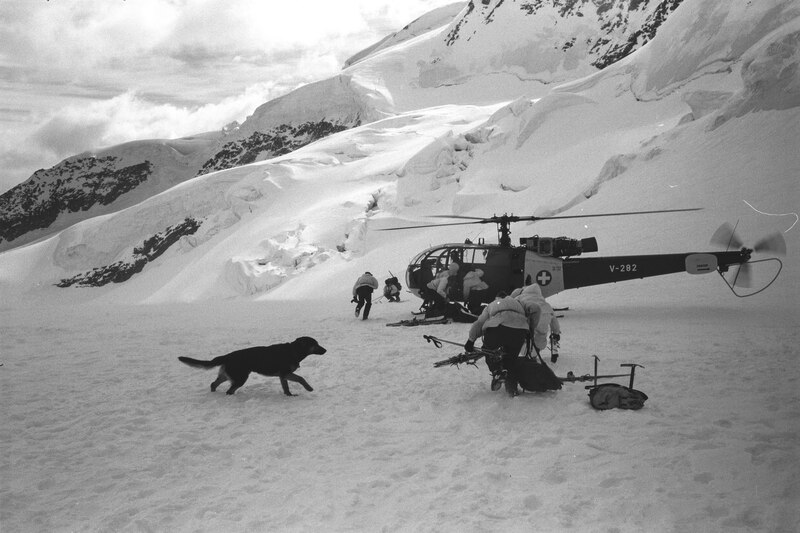
Photo: Herbert Maeder. Wikipedia Commons. Marco e Rosa Hutte. 1974. Avalanche Warnings Ignored in the 2025–26 Ski Season: When Rescuers Risk Their Lives to Save Others.

A Season Marked by Persistent Avalanche Danger

This winter has been characterised by fragile snowpacks, with weak layers buried under fresh snowfall across large parts of the Alps and several mountain regions in North America. Avalanche danger ratings have repeatedly reached considerable or high levels, particularly after storms, wind events, or rapid temperature changes.

Continue reading “Avalanche Warnings Ignored in the 2025–26 Ski Season: When Rescuers Risk Their Lives to Save Others”