Major Landslide Blocks Main Oisans Road in French Alps

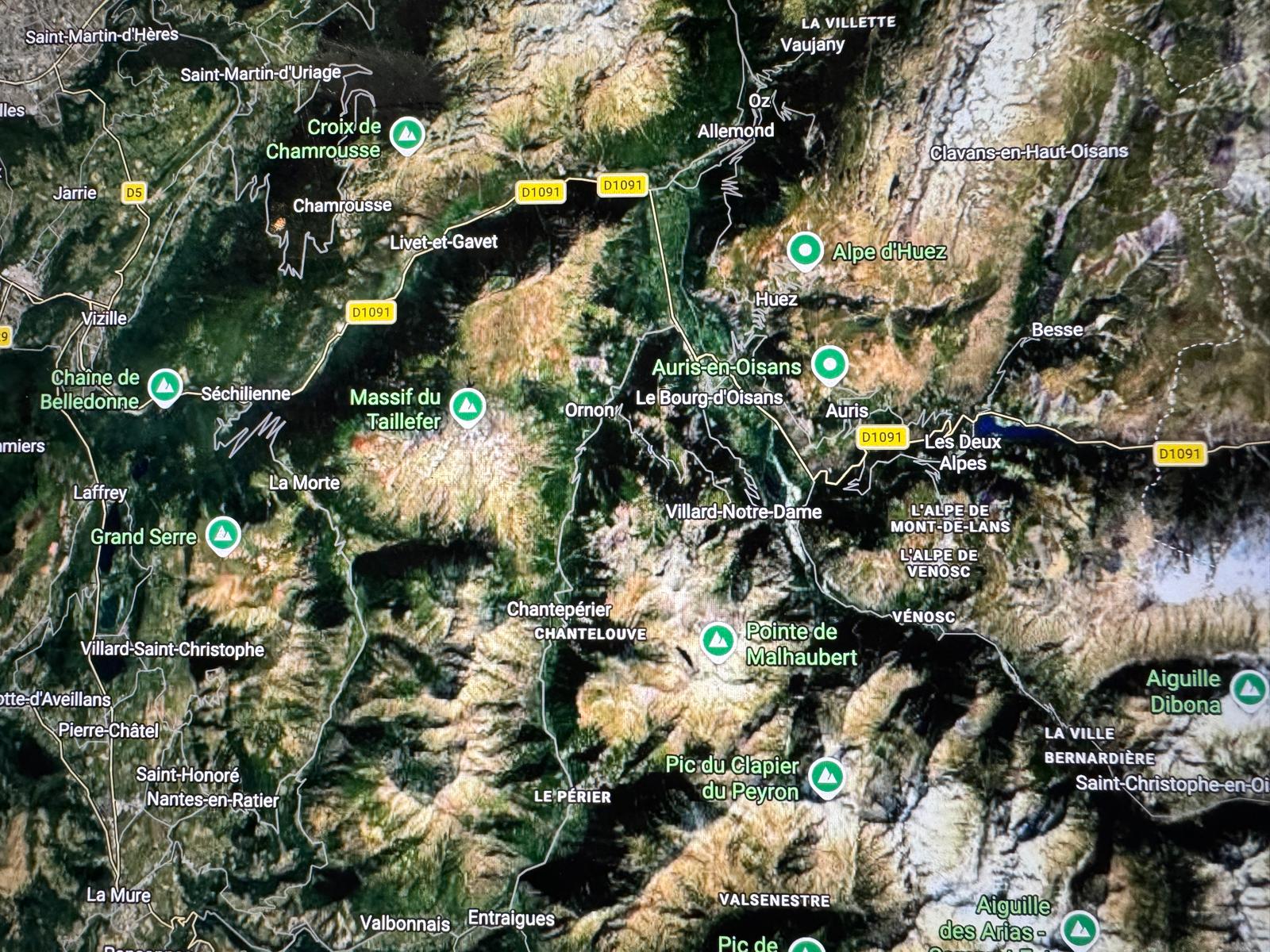
Oisans Major Road Blocked by Landslide in France. Google Maps.

A powerful landslide has completely blocked the main RD1091 road in the Oisans region of the French Alps on Sunday, 22 February 2026, cutting vehicular traffic between the barrage du Chambon and La Grave. 

The rockfall occurred on the RD1091 route — the principal road linking key Alpine towns and serving as a heavily trafficked corridor for residents and tourists alike. 

What happened

According to reports from TG+, large rocks and debris fell onto the road surface, prompting authorities to close the route in both directions on Sunday evening. No vehicles were struck by falling rocks at the time of the incident, and no injuries have been reported so far. 

Continue reading “Major Landslide Blocks Main Oisans Road in French Alps”

French Alps avalanche incidents (Feb 5–7, 2026): what was reported across several massifs

Avalanche-Haute-Tarentaise-Sectuer-Tignes-Plan-du-Cheval-Photo: Cédric Perillat. data-avalanche.org.

Summary: Between February 5 and February 7, 2026, multiple avalanches were reported to Data-Avalanche across the French Alps, spanning the Queyras, Haute Maurienne/Thabor, Belledonne, Lauzière, Vanoise, Écrins, Oisans and Haute Tarentaise (Tignes). Two incidents were reported as fatal: two ski tourers died near Saint-Véran (Queyras), and one skier died after a long burial near Valfréjus.

This post compiles the available descriptions from Data-Avalanche and early local reporting. Details can evolve as official investigations and rescue services publish more information.

BERA Reference. Meteo France. savoie.gouv.fr. French Alps avalanche incidents (Feb 5–7, 2026): what was reported across several massifs.

Fatal incidents reported on Saturday, February 7, 2026

Queyras (Saint-Véran) – Tête de Longet: two ski tourers killed

Local media reported that an avalanche occurred on the north side of Tête de Longet above Saint-Véran (around 2,300m in initial reports). Two ski tourers died; two other members of the party were not injured, and searches continued until nightfall.

Continue reading “French Alps avalanche incidents (Feb 5–7, 2026): what was reported across several massifs”

French Alps Avalanche Danger: 48-Hour Roundup & Current Risk by Massif

Les Deux Alpes, near to St Christoph-en-Oisans. French Alps Avalanche Danger: 48-Hour Roundup & Current Risk by Massif.

Avalanche activity has remained elevated across several French Alpine massifs over the past 48 hours, with confirmed incidents, multiple rescue checks, and continued warnings from Météo-France.

Below is a clear roundup of what has happened, followed by current avalanche danger by massif and direct links to the official bulletins skiers should consult before heading into the mountains.


Latest updates (1–2 February 2026): Avalanche activity in France & Switzerland – what the snowpack is telling us


48-Hour Avalanche Roundup (28–29 January)

Les Deux Alpes (Isère – Oisans)

On Thursday 29 January, an off-piste avalanche occurred in the La Fée sector at Les Deux Alpes.
A 59-year-old skier was recovered and taken to hospital in critical condition. Regional reporting indicates the skier suffered a cardiac arrest, was resuscitated on scene, and transferred to hospital in Grenoble.

The incident occurred mid-morning, around 2,500 m, in a well-known off-piste area frequently accessed from the ski domain.

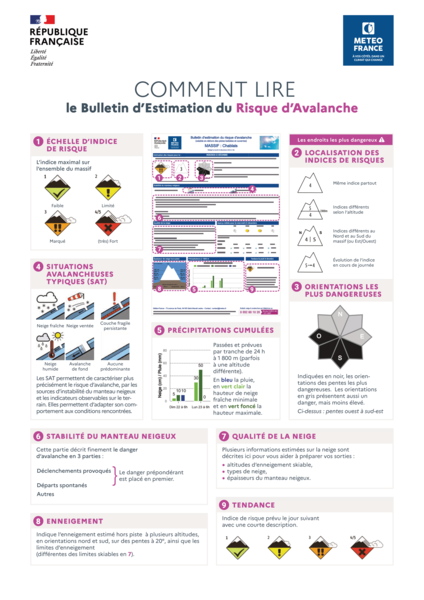
For a practical explanation of how to apply avalanche bulletins in real conditions, this step-by-step guide is worth reading before heading out.

Les Deux Alpes, near to St Christoph-en-Oisans. Photo: Toa Heftiba/Unsplash. French Alps Avalanche Danger: 48-Hour Roundup & Current Risk by Massif.

Continue reading “French Alps Avalanche Danger: 48-Hour Roundup & Current Risk by Massif”