Walker Killed in Valloire Avalanche as Rare Large Slides Sweep French Alps

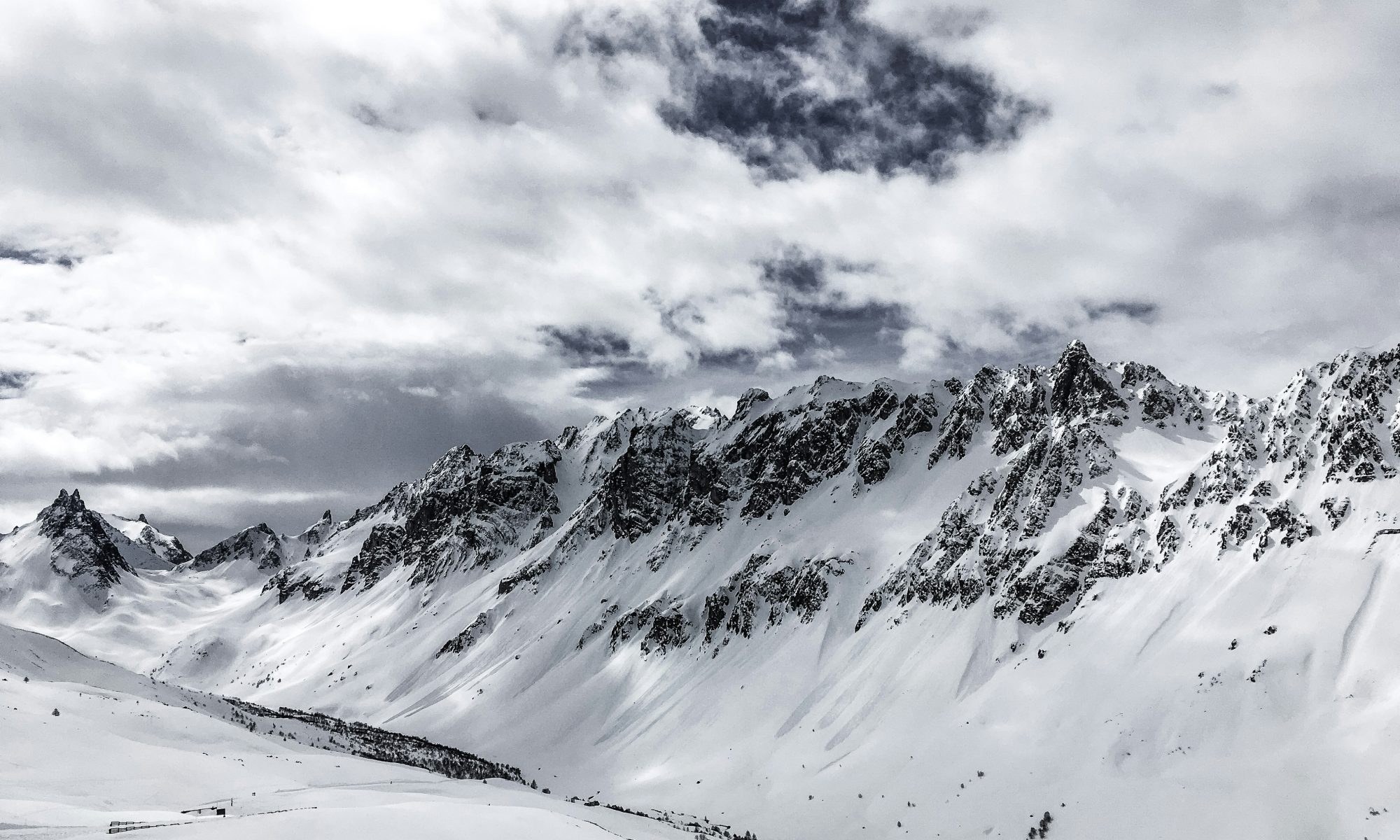
Valloire. Photo: Merlin Janke. Unsplash.

A major avalanche cycle continues across the French Alps following heavy snowfall and strong winds, with a confirmed fatality in Valloire and multiple large natural releases affecting roads, hamlets and ski infrastructure.

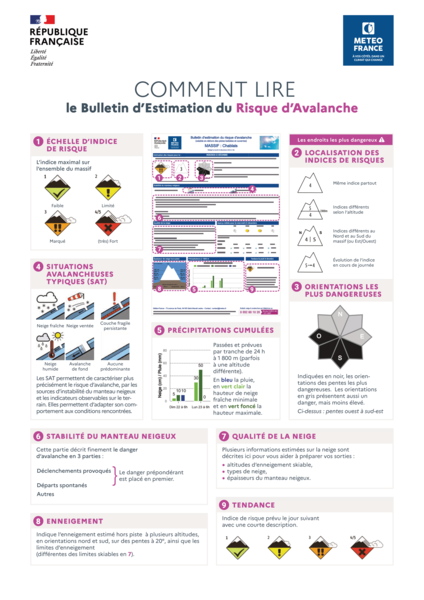
Authorities had issued Level 5 (maximum) avalanche danger in parts of Savoie at the time of the incident.

The Valloire incident follows other serious avalanche accidents in the region, including the recent Val d’Isère avalanche that killed two British skiers after a Level 5 warning.

This incident forms part of the broader February 2026 avalanche cycle across the Alps, which saw widespread Level 4 and Level 5 danger across multiple countries.


Fatal Avalanche in Valloire (Savoie) – 17 February 2026

According to Le Dauphiné Libéré, TF1 Info, and Reuters, a very large natural avalanche struck near the hamlet of La Rivine in Valloire around midday on 17 February.

The avalanche descended from natural slopes above the hamlet, crossed a road and pedestrian path, and swept through an area below the slope.

One person walking along the path was killed. Three others were injured, including two reported to be in critical condition. Rescue operations involved mountain police (PGHM), firefighters, search dogs and medical teams. Two hamlets — La Rivine and La Borgé — were evacuated as a precaution.

French media described the avalanche as “de grande ampleur” (of great magnitude). The incident occurred during a Level 5 avalanche danger period, the highest rating on the European avalanche scale.

Continue reading “Walker Killed in Valloire Avalanche as Rare Large Slides Sweep French Alps”

French Alps avalanche incidents (Feb 5–7, 2026): what was reported across several massifs

Avalanche-Haute-Tarentaise-Sectuer-Tignes-Plan-du-Cheval-Photo: Cédric Perillat. data-avalanche.org.

Summary: Between February 5 and February 7, 2026, multiple avalanches were reported to Data-Avalanche across the French Alps, spanning the Queyras, Haute Maurienne/Thabor, Belledonne, Lauzière, Vanoise, Écrins, Oisans and Haute Tarentaise (Tignes). Two incidents were reported as fatal: two ski tourers died near Saint-Véran (Queyras), and one skier died after a long burial near Valfréjus.

This post compiles the available descriptions from Data-Avalanche and early local reporting. Details can evolve as official investigations and rescue services publish more information.

BERA Reference. Meteo France. savoie.gouv.fr. French Alps avalanche incidents (Feb 5–7, 2026): what was reported across several massifs.

Fatal incidents reported on Saturday, February 7, 2026

Queyras (Saint-Véran) – Tête de Longet: two ski tourers killed

Local media reported that an avalanche occurred on the north side of Tête de Longet above Saint-Véran (around 2,300m in initial reports). Two ski tourers died; two other members of the party were not injured, and searches continued until nightfall.

Continue reading “French Alps avalanche incidents (Feb 5–7, 2026): what was reported across several massifs”

Avalanche Activity in France & Switzerland: What the Snowpack Is Telling Us

Windslab avalanche. Photo: Avalanche.org. Avalanche Activity in France & Switzerland: What the Snowpack Is Telling Us.

Late January – 1 February 2026

Over the past week, avalanche activity across the Alps has followed a clear and worrying pattern. From the Mont Blanc massif to the Queyras and across into the Swiss Valais, numerous skier-triggered and spontaneous avalanches point to a snowpack that remains structurally unstable, despite periods of fair weather and already-tracked slopes.

Rather than isolated incidents, the reports collected since late January describe reactive slabs, remote triggers, and persistent weak layers affecting a wide range of aspects and elevations.

Much of the recent instability is consistent with wind-loaded slabs and foehn-driven snow transport, which can rapidly overload weak layers and create large, reactive avalanche conditions.

Continue reading “Avalanche Activity in France & Switzerland: What the Snowpack Is Telling Us”