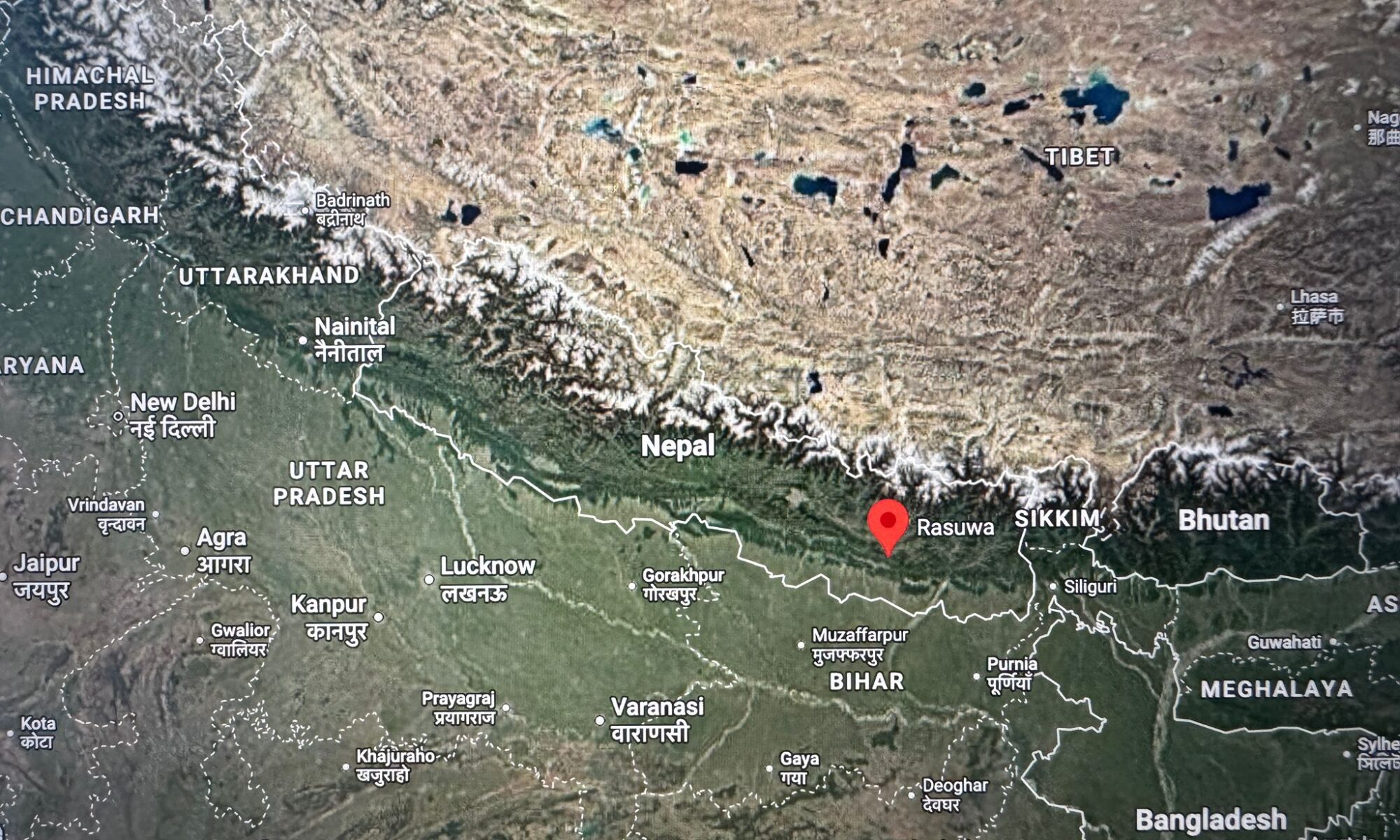
A catastrophic glacier-related collapse in the Himalayas has killed hundreds of people across Nepal and Tibet and left many more missing.
But beyond the shocking images and the rapidly evolving casualty figures lies a much bigger question for mountain regions around the world:
Could something similar happen in the Alps?
The answer is uncomfortable.
The precise sequence that produced the Nepal disaster is still being investigated. But glacier collapses, rock avalanches, sudden releases of glacial water, debris flows and naturally dammed lakes are not unique to the Himalayas. They are hazards that also exist in the Alps — and Alpine history provides some dramatic examples.
What can be very different is the ability to identify certain dangers in advance, monitor them and evacuate people before the mountain moves.
And even in the best-monitored Alpine countries, that warning cannot always be guaranteed.
The Planpincieux Glacier retreat is accelerating on the Italian side of Mont Blanc, seven years after the hanging glacier above Courmayeur first made international headlines over fears of a major collapse.
The hanging glacier, located above Val Ferret on the Italian side of the Mont Blanc massif, accelerated again during July 2026, reaching movement of around 80 centimetres per day. The figure was confirmed by the Valle d’Aosta regional authorities, which placed the glacier under continuous monitoring during the period of heightened activity.
The situation has since improved. Jean-Pierre Fosson of Fondazione Montagna Sicura said during the Valle d’Aosta stage of Legambiente’s Carovana dei Ghiacciai that Planpincieux has now fallen below the critical thresholds and that current conditions are considered favourable.
But the longer-term picture is far less reassuring.
Planpincieux Glacier retreat reaches 50 metres in three years
According to a report from Corriere della Sera, the front of Planpincieux has retreated by around 50 metres in just three years.
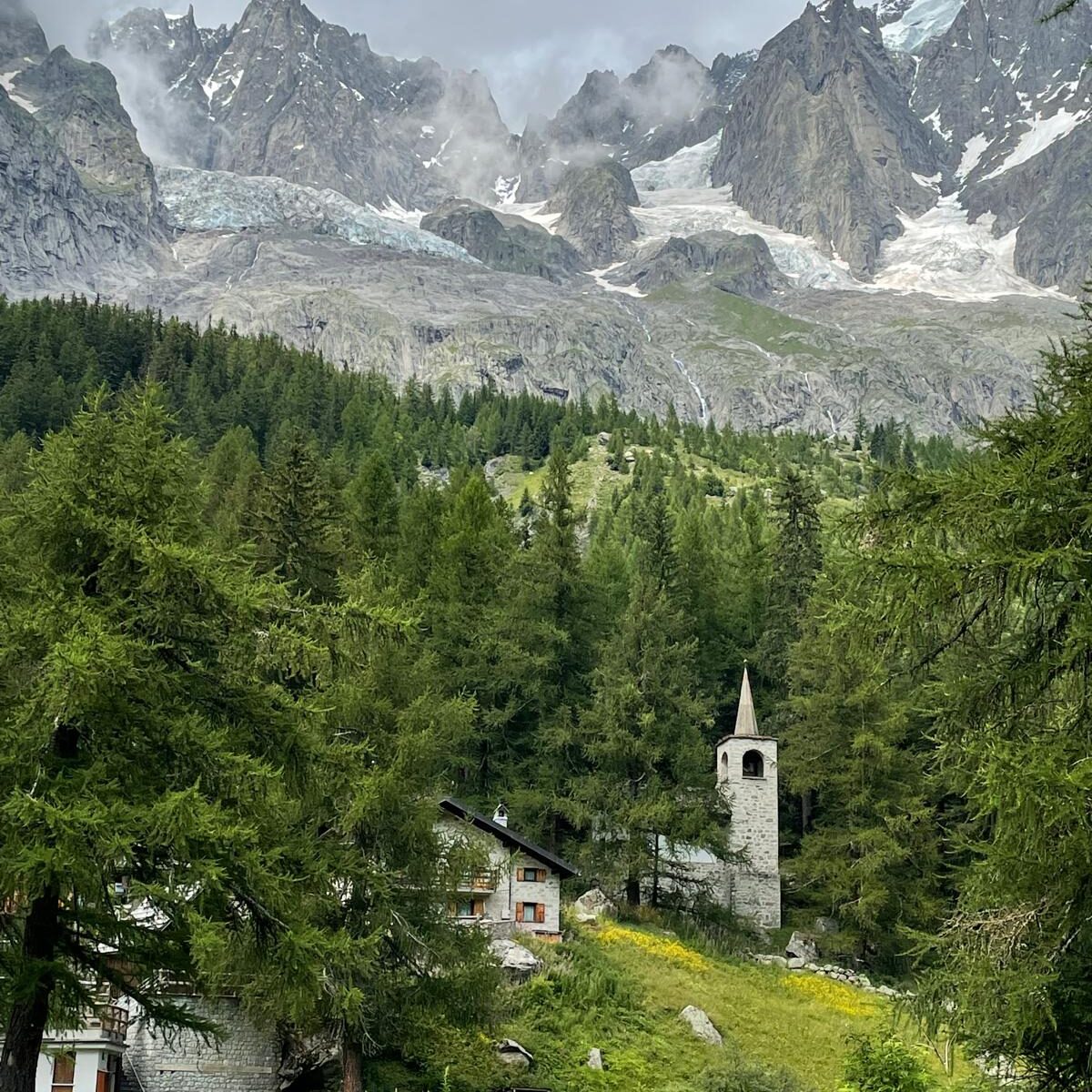
The glacier hangs at around 2,600 metres beneath the Grandes Jorasses, high above Val Ferret. Ice and debris continue periodically to break away from its front and descend towards the valley.
The glacier is particularly closely monitored because of its position above an inhabited and heavily visited valley.
During July’s acceleration, Courmayeur introduced Civil Protection restrictions in the areas potentially exposed to a collapse. Access restrictions were subsequently eased as conditions stabilised.
Read more:Nepal Glacier Disaster: Could It Happen in the Alps? — Following the catastrophic glacier-related disaster in Nepal, we look at whether similar high-mountain hazards could occur in the Alps, and how monitoring at Planpincieux, Blatten and elsewhere can provide crucial warning time.
The Aosta Valley is beginning to recover after a week marked by intense storms, flooding and rockfalls, but scientists warn that the longer-term picture remains deeply concerning. While tourist facilities are reopening and emergency conditions are easing, 2026 has already become the worst year on record for glacier loss in Italy’s smallest Alpine region, underlining the accelerating impact of climate change.
One of the clearest signs of recovery has come from Breuil-Cervinia, where the local golf course has partially reopened following the severe thunderstorms that hit the resort earlier this week. Although only a temporary nine-hole course is currently available while repairs continue, the reopening is an important step for the resort’s summer tourism industry after heavy rain and mudflows disrupted the area.
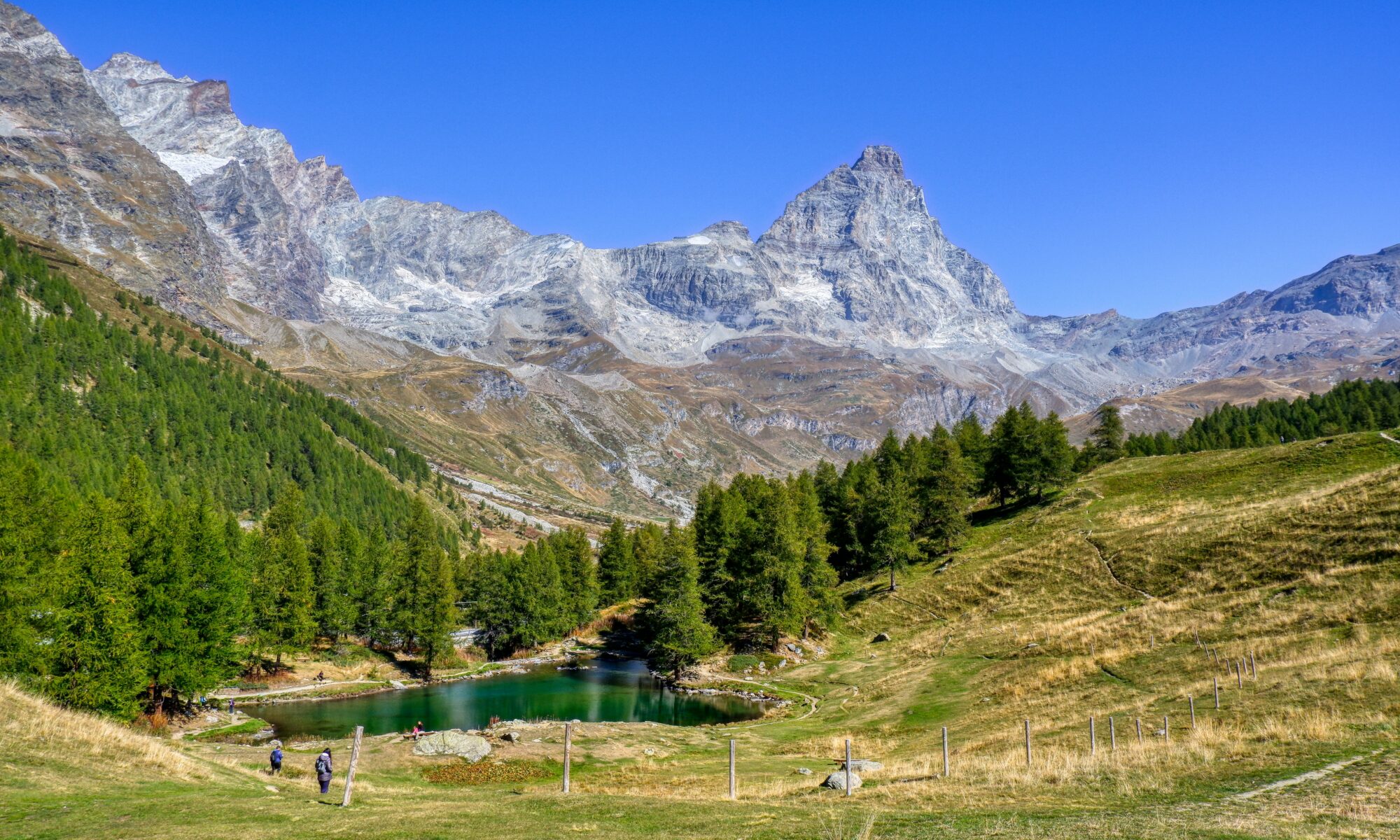
Just one day after a large rockfall on the Matterhorn shocked the Alpine community, authorities and scientists across the Alps are warning that the exceptional heat gripping southern Europe is accelerating glacier melt and increasing instability in high mountain areas.
Italy remains under widespread red heat alerts, with meteorologists expecting the heatwave to continue through at least Ferragosto. While cities are enduring record temperatures, the impact is proving just as dramatic in the mountains, where glaciers are retreating at unprecedented rates and frozen rock is beginning to thaw.
One of the clearest indicators of the current conditions is the zero-degree isotherm. Normally found between 3,500 and 4,000 metres during summer, it remained between 5,500 and 5,800 metres for several days in July—around 1,400 metres higher than normal. This meant that even the highest Alpine peaks were experiencing temperatures above freezing, dramatically accelerating glacier melt while weakening the permafrost that helps hold mountain rock together.
The Planpincieux hanging glacier above Val Ferret near Courmayeur in the Mont Blanc massif raised alarm among scientists after monitoring systems detected accelerated movement in the ice mass.
Experts warned that a section of ice estimated at around 8.8 million cubic feet could potentially detach from the glacier, which sits on steep slopes overlooking the valley.
UPDATE — August 2026:Nepal Glacier Disaster: Could It Happen in the Alps? — Seven years after this article was published, Planpincieux remains under close surveillance. Following the catastrophic glacier-related disaster in Nepal, we examine how monitoring has evolved in the Alps and what happens when a mountain failure develops too quickly for conventional warning systems.
The Planpincieux hanging glacier on the Mont Blanc massif has remained under close observation in recent years due to the risk of large ice blocks detaching from the slope above Val Ferret near Courmayeur.
Authorities monitor the glacier using radar systems, satellite measurements and ground sensors that track the movement of the ice mass. During periods when the glacier accelerates, precautionary evacuations have been ordered in parts of Val Ferret as a safety measure.
Monitoring unstable mountain slopes has become increasingly common across the Alps.
A helicopter rides on top of the glacier. Photo: Antonio Calanni AP – The Guardian. A fast-melting glacier in the Mont Blanc raised an alarm in the area of Val Ferret of Courmayeur.
The Planpincieux glacier is a hanging glacier, meaning a large mass of ice resting on steep rock slopes that can break off suddenly when fractures develop or temperatures rise.
The glacier overlooks the Val Ferret and Planpincieux, 7 km up from Courmayeur. Experts from Fondazione Montagna Sicura (Safe Mountain Foundation), a charity in charge of monitoring the glaciers of Aosta Valley, said that this glacier has been moving since they have been monitoring it closely starting in 2013, but the size of a recent fracture and the increase of the speed at which the ice is melting raised the alarm.
This area is popular with hikers, so Courmayeur’s Major Miserocchi closed as a safety measure, mountain refuges and part of a road upon which the ice could directly fall. Contrary to first reported, only one home had to be evacuated. The rest of the 10 homes in the hamlet beneath the glacier are empty summer holiday homes.
Enjoyed this post? Get my latest ski guides, weather insights, resort updates and travel tips directly in your inbox. Subscribe to The-Ski-Guru here.
Manage Cookie Consent
To provide the best experiences, we use technologies like cookies to store and/or access device information. Consenting to these technologies will allow us to process data such as browsing behavior or unique IDs on this site. Not consenting or withdrawing consent, may adversely affect certain features and functions.
Functional
Always active
The technical storage or access is strictly necessary for the legitimate purpose of enabling the use of a specific service explicitly requested by the subscriber or user, or for the sole purpose of carrying out the transmission of a communication over an electronic communications network.
Preferences
The technical storage or access is necessary for the legitimate purpose of storing preferences that are not requested by the subscriber or user.
Statistics
The technical storage or access that is used exclusively for statistical purposes.The technical storage or access that is used exclusively for anonymous statistical purposes. Without a subpoena, voluntary compliance on the part of your Internet Service Provider, or additional records from a third party, information stored or retrieved for this purpose alone cannot usually be used to identify you.
Marketing
The technical storage or access is required to create user profiles to send advertising, or to track the user on a website or across several websites for similar marketing purposes.




 Subscribe to The-Ski-Guru here.
You must be logged in to post a comment.