

Why Detachable Ski Lifts Are Often Emptied at the End of the Season

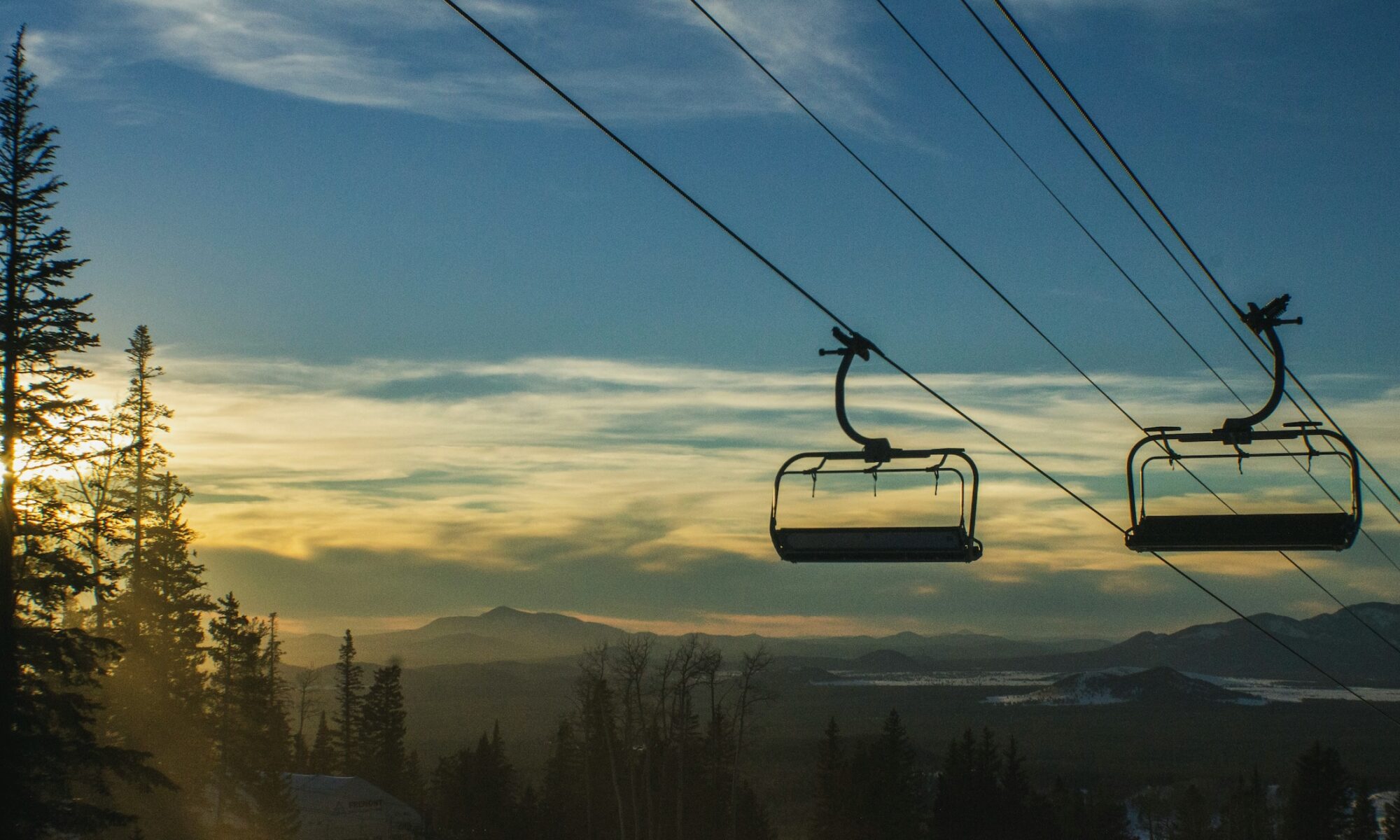
An empty chairlift. Arizona Snowbowl. Photo: Spencer James Lucas. Unsplash.

Why Detachable Ski Lifts Are Removed After Winter

At the end of the ski season, many mountain resorts remove the chairs, gondola cabins or bubbles from their high-speed detachable lifts and store them in a garage. Visitors often notice the empty cables in spring or summer and wonder why some lifts have no chairs on the line, while older chairlifts nearby still have all their chairs hanging.

The answer lies in the way the two types of lift are engineered, but it also connects to a wider question of mountain infrastructure risk in the Alps and how resorts protect expensive mechanical systems in harsh high-altitude environments.

On a high-speed detachable lift, the chair or cabin is attached to the main cable by a detachable grip. The main cable, known as the haul rope, moves continuously at high speed along the lift line. But when the chair or cabin enters the station, the grip opens and releases the haul rope.

This does not usually mean that there are two separate cables. The main cable continues moving through the station, but the chair or cabin is no longer being pulled by it. Instead, once detached, the carrier is moved through the station by a separate mechanical system, usually a series of tyres, wheels, rails, chains or a carousel-style mechanism. This system moves the chair or cabin much more slowly, giving passengers time to get off and on safely.

Continue reading “Why Detachable Ski Lifts Are Often Emptied at the End of the Season”

Investment as “Multi-Risk Insurance”: How Ski Resorts Are Reinventing Infrastructure Across the Alps and North America

A chairlift in Grandvalira full of snow. Photo Grandvalira. Grandvalira, Pal Arinsal and Ordino Arcalis have opened thanks to the latest snowstorm.

The global ski industry is entering a new phase of infrastructure investment. Across the Alps and North America, ski resort investment is accelerating as operators modernise lifts, expand snowmaking systems and adopt new digital technologies.

While modernisation has always been part of the ski resort business model, the nature of investment is changing. Resorts are no longer investing solely to improve comfort or capacity. Increasingly, infrastructure spending is designed to manage a combination of risks: climate variability, visitor flow management, regulatory pressure and rising operating costs.

In France, where investment data is closely monitored through an industry barometer conducted by Montagne Leaders in partnership with Atout France and Domaines Skiables de France (DSF), ski areas invested €555 million in 2025, roughly 32% of pre-tax turnover. This level of reinvestment is significantly above the long-term average and illustrates the structural importance of infrastructure investment in mountain economies.

Across the Alpine region and North America, similar patterns are emerging.

Continue reading “Investment as “Multi-Risk Insurance”: How Ski Resorts Are Reinventing Infrastructure Across the Alps and North America”