

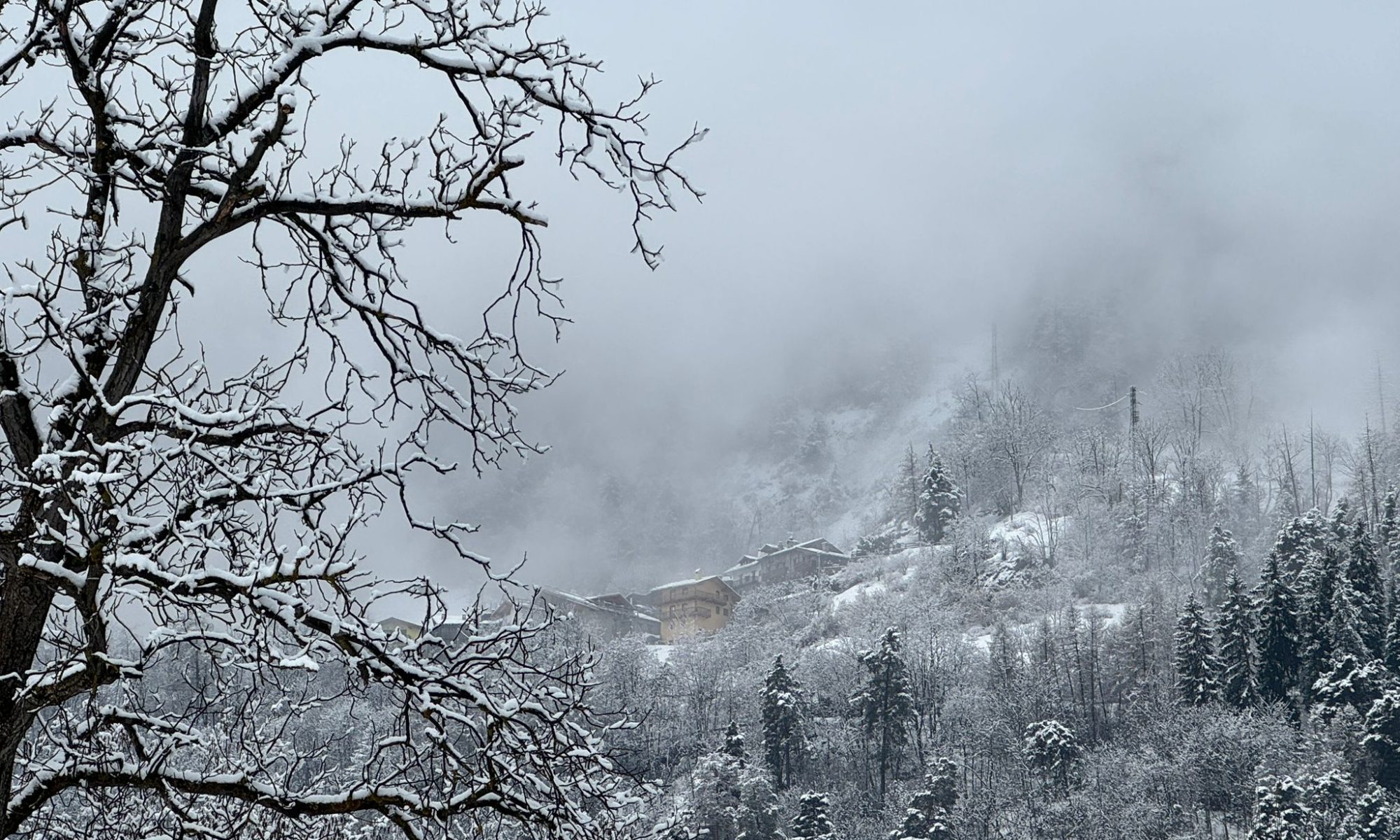
What the 2026 Winter Season Is Showing
A Winter of Extremes
Snow conditions in a warming Alpine climate are becoming more variable, more intense and more dependent on artificial support.
Across the Alps, long-term climate warming is reshaping snowfall patterns, snowline altitude, avalanche behaviour and the economics of winter tourism. The 2026 winter season provides a recent example of these broader trends.
In recent weeks alone, the region has experienced:
- Intense multi-day storm cycles delivering 80–100 cm in short periods
- Rapid wind loading and unstable snowpack development
- Elevated avalanche danger levels across multiple massifs
- Simultaneous reliance on artificial snow at lower altitudes
Rather than a simple story of “less snow,” the pattern emerging is one of greater variability and concentration. This growing instability is not confined to the Alps. Recent extreme heat events shortening the ski season in North America show how quickly conditions can deteriorate, even in traditionally more snow-reliable regions.
Heavier Storms, Faster Loading
Several recent cycles across the Western Alps demonstrated how quickly snowpack instability can build.
Large accumulations over 24–48 hours — combined with wind transport — created fragile layers and widespread avalanche danger. In many regions, danger levels rose to Level 4 (Strong), and in parts of the French Alps even Level 5 (Very Strong).
Continue reading “Snow Conditions in a Warming Alpine Climate”
 Subscribe to The-Ski-Guru here.