Wind Slabs Trigger Multiple Avalanches Across the French Alps After Storm Cycle

A wind slab- photo: Avalanche.org. Why Wind Is One of the Most Dangerous Avalanche Triggers.

A series of avalanche incidents reported on 26 March 2026 across the French Alps, particularly in Haute Tarentaise, Maurienne and Vanoise, point to a renewed phase of instability driven by strong winds, very cold temperatures, and fresh snow accumulation.

According to field observations and local reporting including Le Dauphiné Libéré, current conditions are favouring the formation of wind slabs (plaques à vent) — one of the most dangerous and unpredictable avalanche problems in the Alps.

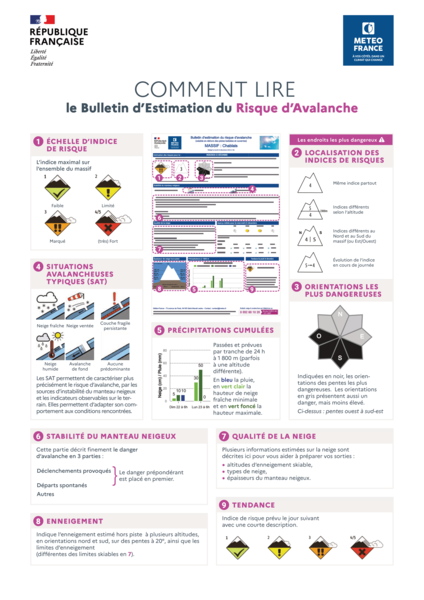
These types of conditions are typically reflected within the
👉 European avalanche danger scale (Levels 1–5 explained)
https://www.the-ski-guru.com/2026/03/14/european-avalanche-danger-scale-levels/


PIDA Operations in Tignes: Wind Slabs Forming Under Extreme Conditions

In Tignes (Col de la Leisse, above the Génépi piste), avalanche control teams carried out manual PIDA operations as activity resumed under severe weather conditions.

Continue reading “Wind Slabs Trigger Multiple Avalanches Across the French Alps After Storm Cycle”
Western Alps Avalanche Cycle Intensifies (Feb 16–17, 2026): Fatalities, Road Closures and Widespread Instability

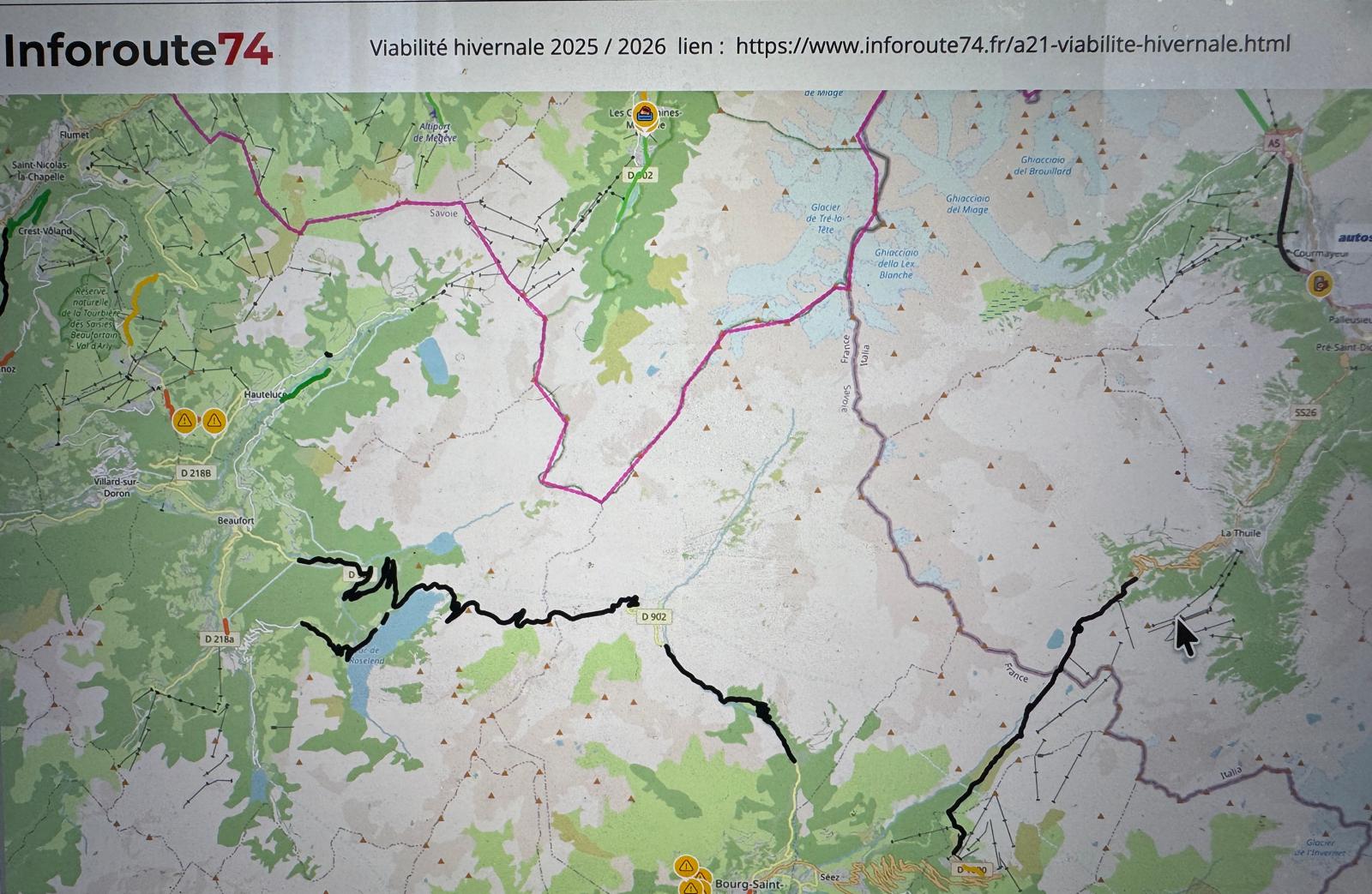
Inforoute74 map today 18 Feb 26.

A Regional Instability Pattern Across the French Alps

A significant Western Alps avalanche cycle developed on 16–17 February 2026, affecting multiple French Alpine massifs following heavy snowfall and strong winds.

Reports from the Écrins, Vanoise, Beaufortain, Haute Maurienne, Lauzière, Queyras and Matheysine sectors indicate widespread natural releases, control-triggered avalanches (PIDA), and impacts to infrastructure.

This activity reflects a broad instability phase rather than isolated local incidents.

This incident forms part of the broader February 2026 avalanche cycle across the Alps, which saw widespread Level 4 and Level 5 danger across multiple countries.


Fatal Avalanche in La Grave (Écrins Massif)

On Tuesday 17 February, a large avalanche in the Côte Fine couloir near La Grave (Écrins massif) resulted in the deaths of two skiers.

According to Le Dauphiné Libéré, both individuals were found in cardiac arrest and could not be revived.

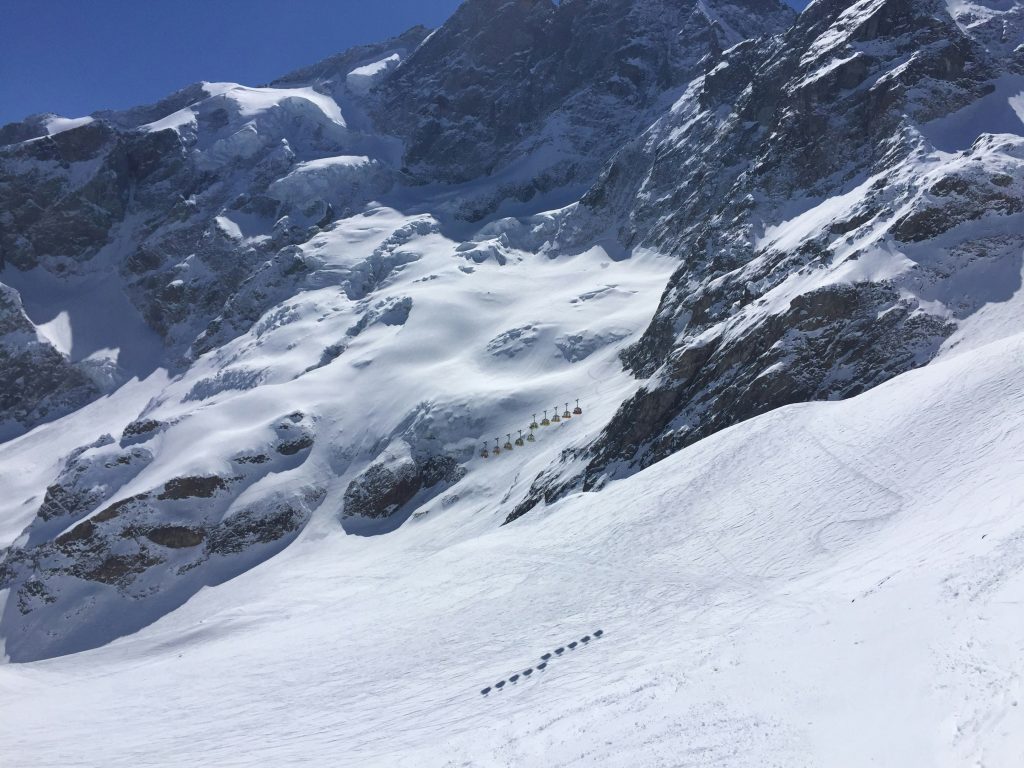
La Grave. Photo: Christian ter Maat. Unsplash.

Continue reading “Western Alps Avalanche Cycle Intensifies (Feb 16–17, 2026): Fatalities, Road Closures and Widespread Instability”

French Alps avalanche incidents (Feb 5–7, 2026): what was reported across several massifs

Avalanche-Haute-Tarentaise-Sectuer-Tignes-Plan-du-Cheval-Photo: Cédric Perillat. data-avalanche.org.

Summary: Between February 5 and February 7, 2026, multiple avalanches were reported to Data-Avalanche across the French Alps, spanning the Queyras, Haute Maurienne/Thabor, Belledonne, Lauzière, Vanoise, Écrins, Oisans and Haute Tarentaise (Tignes). Two incidents were reported as fatal: two ski tourers died near Saint-Véran (Queyras), and one skier died after a long burial near Valfréjus.

This post compiles the available descriptions from Data-Avalanche and early local reporting. Details can evolve as official investigations and rescue services publish more information.

BERA Reference. Meteo France. savoie.gouv.fr. French Alps avalanche incidents (Feb 5–7, 2026): what was reported across several massifs.

Fatal incidents reported on Saturday, February 7, 2026

Queyras (Saint-Véran) – Tête de Longet: two ski tourers killed

Local media reported that an avalanche occurred on the north side of Tête de Longet above Saint-Véran (around 2,300m in initial reports). Two ski tourers died; two other members of the party were not injured, and searches continued until nightfall.

Continue reading “French Alps avalanche incidents (Feb 5–7, 2026): what was reported across several massifs”

French Alps Avalanche Danger: 48-Hour Roundup & Current Risk by Massif

Les Deux Alpes, near to St Christoph-en-Oisans. French Alps Avalanche Danger: 48-Hour Roundup & Current Risk by Massif.

Avalanche activity has remained elevated across several French Alpine massifs over the past 48 hours, with confirmed incidents, multiple rescue checks, and continued warnings from Météo-France.

Below is a clear roundup of what has happened, followed by current avalanche danger by massif and direct links to the official bulletins skiers should consult before heading into the mountains.


Latest updates (1–2 February 2026): Avalanche activity in France & Switzerland – what the snowpack is telling us


48-Hour Avalanche Roundup (28–29 January)

Les Deux Alpes (Isère – Oisans)

On Thursday 29 January, an off-piste avalanche occurred in the La Fée sector at Les Deux Alpes.
A 59-year-old skier was recovered and taken to hospital in critical condition. Regional reporting indicates the skier suffered a cardiac arrest, was resuscitated on scene, and transferred to hospital in Grenoble.

The incident occurred mid-morning, around 2,500 m, in a well-known off-piste area frequently accessed from the ski domain.

For a practical explanation of how to apply avalanche bulletins in real conditions, this step-by-step guide is worth reading before heading out.

Les Deux Alpes, near to St Christoph-en-Oisans. Photo: Toa Heftiba/Unsplash. French Alps Avalanche Danger: 48-Hour Roundup & Current Risk by Massif.

Continue reading “French Alps Avalanche Danger: 48-Hour Roundup & Current Risk by Massif”