Crevasses & Glaciers: The Hidden Winter Danger

Crevasses in Passo dello Stelvio. Photo: Dario Morandotti. Unsplash. Crevasses & Glaciers: The Hidden Winter Danger.

Crevasses & Glaciers: The Hidden Winter Danger

Glaciers are often associated with summer mountaineering — ropes, harnesses and visible crevasses. In winter, however, glaciers can appear deceptively smooth, white and skiable.

This illusion of safety is one of the reasons crevasses and glaciers remain among the most underestimated winter dangers in the mountains.

This article explains why glaciers are still hazardous in winter, how crevasses behave under snow, and why even experienced skiers can fall victim to hidden traps.
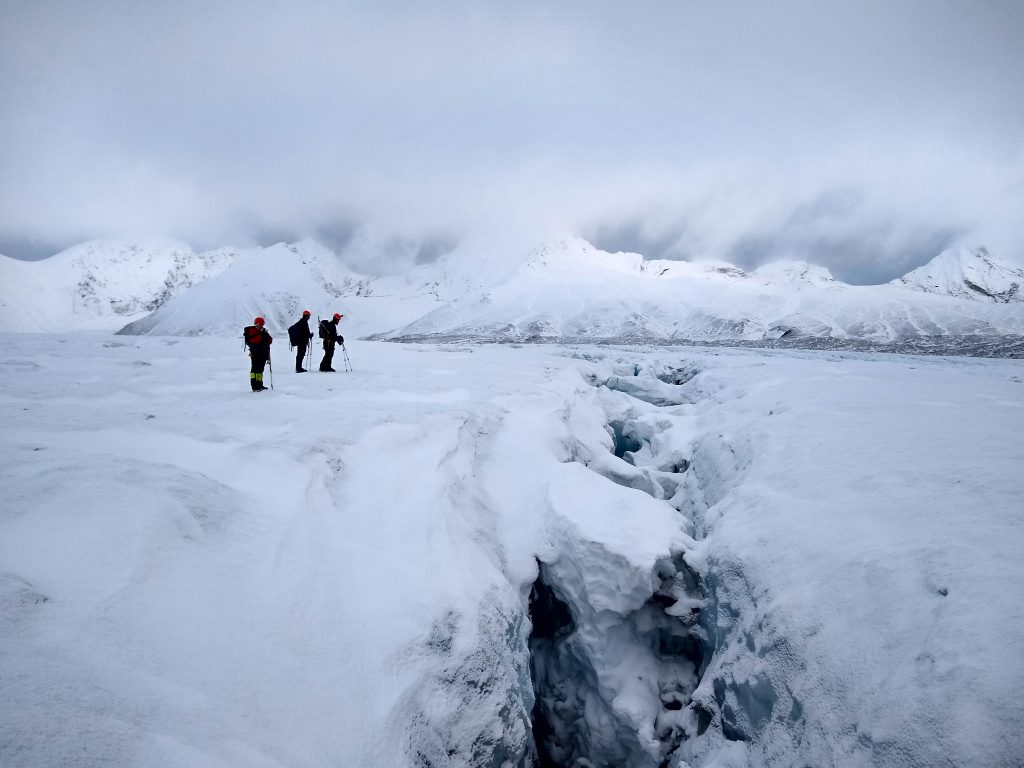

Hansbreen Glacier, Svalsbard. Photo: Bartek Luks Aya. Unsplash. Crevasses & Glaciers: The Hidden Winter Danger.

Why Glaciers Are Still Dangerous in Winter

Snow does not remove crevasses — it hides them.

During winter:

  • Crevasses are covered by snow bridges
  • Surface terrain appears uniform
  • Visual warning signs are often absent

Snow bridges can collapse suddenly under the weight of a skier, snowboarder or group — often without warning.

Unlike avalanches, crevasse falls:

  • Are silent
  • Are highly localised
  • Often involve a single victim

Rescue is complex and time-critical.

Continue reading “Crevasses & Glaciers: The Hidden Winter Danger”
Why Skiing Alone Is Dangerous in the Mountains

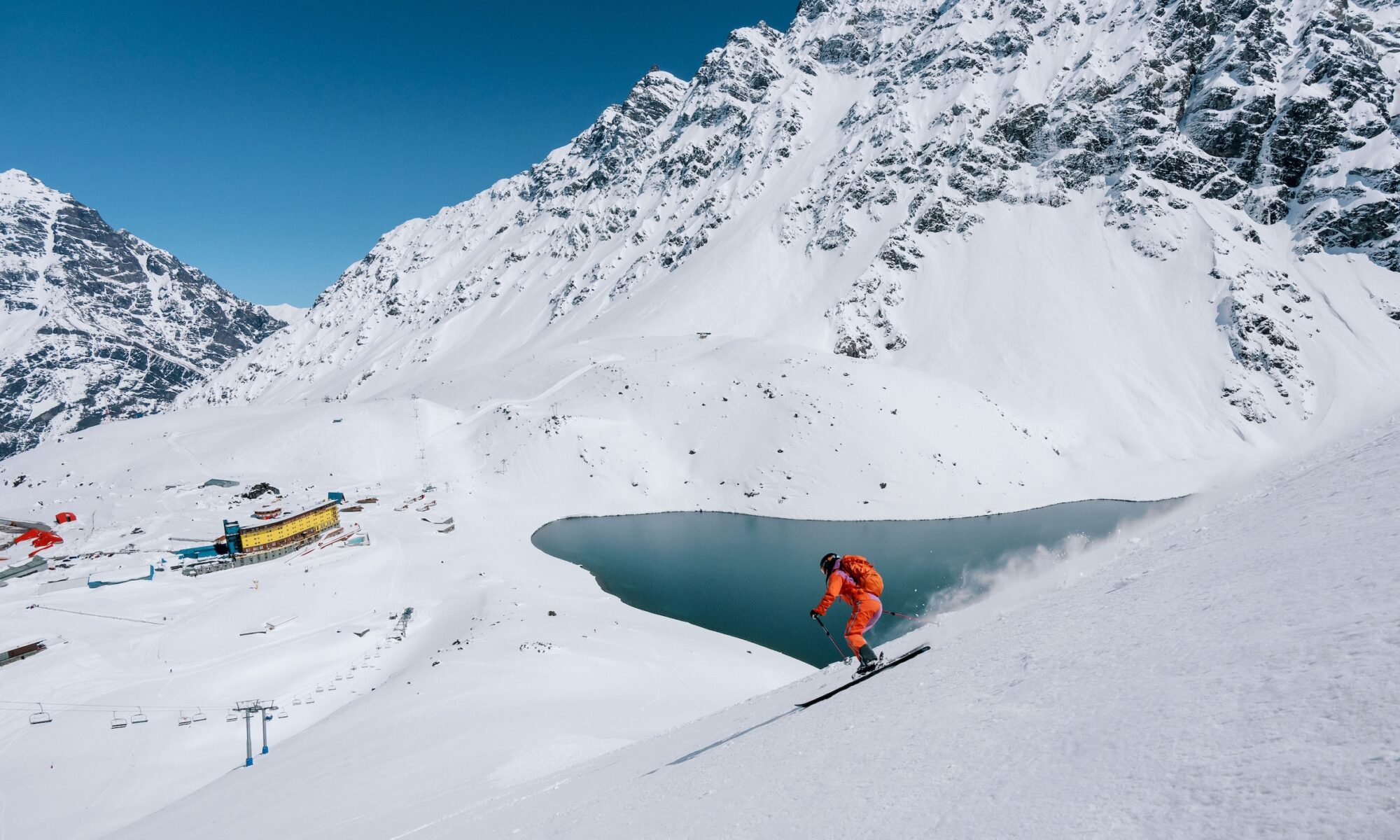
Skier coming down the slopes- views of the hotel and the Laguna del Inca. Photo by Tamara Susa. Courtesy Ski Portillo.

Why Skiing Alone Is Dangerous in the Mountains

Skiing alone is often seen as peaceful, efficient or even safer — fewer people, fewer variables, fewer mistakes. For experienced skiers in particular, solo skiing can feel controlled and familiar.

In reality, skiing alone is one of the strongest risk factors in fatal mountain accidents, whether caused by avalanches, collisions, falls or medical emergencies.

This article explains why skiing alone dramatically increases danger, even for skilled and cautious skiers.


The Most Critical Factor: No Immediate Help

When skiing alone, there is no margin for error.

In many mountain accidents:

  • The victim is unable to call for help
  • Injuries prevent movement or communication
  • Time becomes the decisive factor

Continue reading “Why Skiing Alone Is Dangerous in the Mountains”

21-Year-Old Skier Dies After Leaving the Piste in Courmayeur

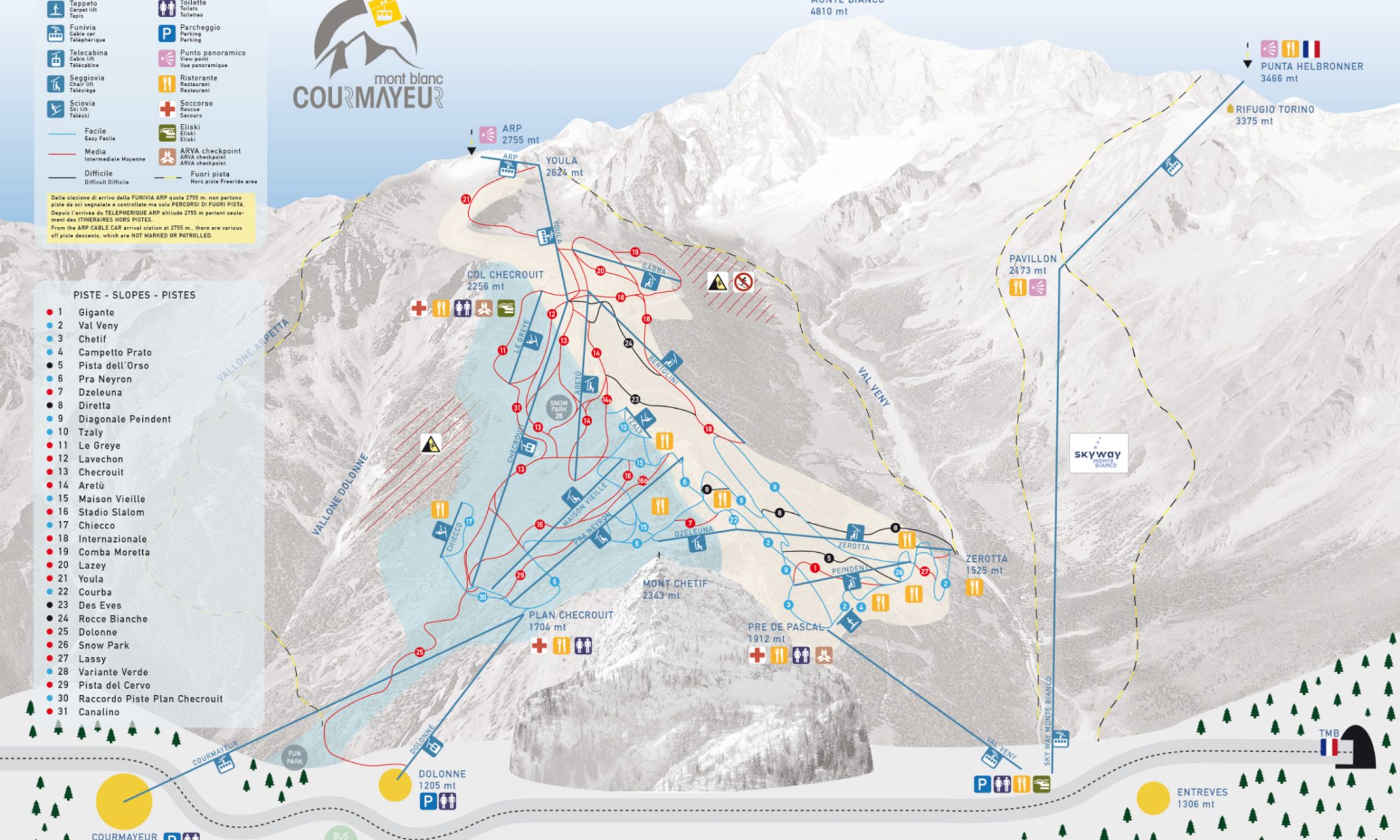
Courmayeur Ski Map. 21-Year-Old Skier Dies After Leaving the Piste in Courmayeur.

21-Year-Old Skier Dies After Leaving the Piste in Courmayeur

A tragic ski accident has claimed the life of a 21-year-old skier in Courmayeur, in Italy’s Aosta Valley, after he left a marked piste and collided with a tree.

According to reporting by Corriere Torino, the young skier was descending a return run in the Dolonne area of the Courmayeur ski domain when he lost control, exited the piste and struck a tree at high speed. The impact was fatal, and the skier died at the scene.

Emergency services, including piste patrol, local police and the Aosta Valley Mountain Rescue Service, were immediately dispatched. Despite rapid intervention, there was nothing rescuers could do to save him. Authorities carried out the necessary procedures to recover the body and investigate the circumstances of the accident.

Continue reading “21-Year-Old Skier Dies After Leaving the Piste in Courmayeur”

Avalanche Awareness: What Every Skier Needs to Know

Avalanche signs- Photo credit: CPR.org. Avalanche Awareness: What Every Skier Needs to Know.

Avalanche Awareness: What Every Skier Needs to Know

Avalanches are one of the most serious and misunderstood dangers in the mountains. Every winter, experienced skiers, snowboarders and mountaineers are caught — often in familiar terrain, sometimes close to marked pistes, and frequently during days that do not feel dangerous.

Avalanche awareness is not about fear. It is about understanding risk, recognising patterns, and making better decisions in winter mountain environments.

This guide explains the essentials every skier should know: how avalanches form, who is most at risk, why forecasts matter, and where accidents most often happen — with links to more in-depth resources throughout.


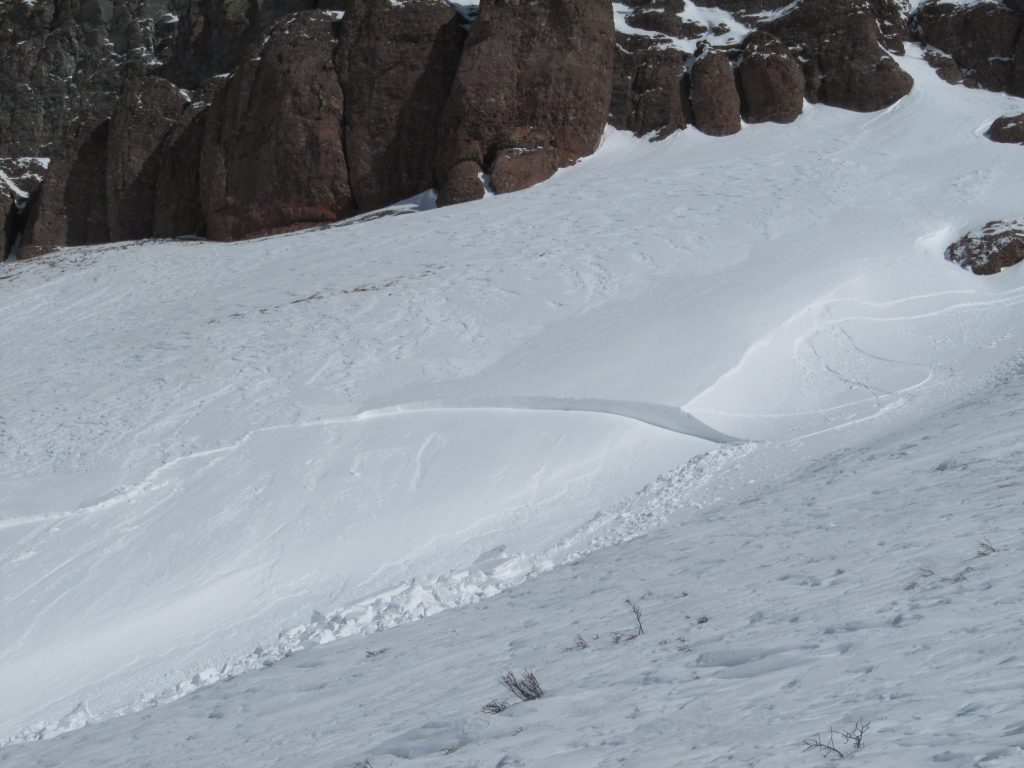
Windslab avalanche. Photo: Andrew Temple. Colorado Avalanche Information Center. Avalanche Danger Levels Explained: What “Level 3 – Considerable” Really Means. Windslab avalanche. Photo: Andrew Temple. Colorado Avalanche Information Center. Continue reading “Avalanche Awareness: What Every Skier Needs to Know”

Colorado Snowpack at Record Lows — National and Local Media Weigh In

Credit: Image via Vail Daily / Facebook post on historic low snowpack levels.Vail Mountain now facing worst snowpack on record — data from local SNOTEL station.

Colorado’s Snowpack Hits Historic Lows — What the Latest Media Is Reporting

Colorado’s snowpack — the lifeblood of Western water systems and mountain recreation — has fallen to historically low levels this winter season, drawing concern from local and national media alike. According to reporting by The Aspen Times, snowpack across many Colorado basins “remains at record lows with little relief in sight” as dry conditions persist. 

Credit: Image via The Aspen Times / Facebook post showing snowpack conditions.
“Colorado’s snowpack remains at record lows with little relief in sight.”
Credit: Image via The Aspen Times / Facebook post showing snowpack conditions.
“Colorado’s snowpack remains at record lows with little relief in sight.”

What the Data Shows

Government observations confirm these media reports. As of early January 2026, Colorado’s statewide snowpack sat at roughly 56 – 62 % of the median for this time of year, with some river basins — especially in central and northern mountains — recording the lowest levels on record for many stations. 

The Natural Resources Conservation Service (NRCS) reports that while overall precipitation isn’t dramatically below median levels, a larger share of it has fallen as rain instead of snow due to warm temperatures — a key reason for the depressed snowpack. 

Aiguille des Drus et Aiguille Verte, in my shop. Soft Pastels, Pan Pastels and Charcoal on La Carte Pastel. 50 x 65 cm. Check it out here.

Continue reading “Colorado Snowpack at Record Lows — National and Local Media Weigh In”

Avalanche Danger Levels Explained: What “Level 3 – Considerable” Really Means

Avalanche Danger explained. Graphic by Swissinfo.com Avalanche Danger Levels Explained: What “Level 3 – Considerable” Really Means

Avalanche Danger Levels Explained: What Level 3 “Considerable” Really Means

After many avalanche accidents, reports often mention that the danger level was “3 – Considerable.”
This confuses many skiers — especially because Level 3 is not the highest rating.

In fact, most fatal avalanches occur at Level 3, making it one of the most misunderstood danger levels in the Alps.

Many accidents occur during periods shaped by extreme weather in the Alps, particularly when conditions change rapidly.

A recent example can be seen in this analysis of wind slab avalanches across the French Alps following strong winds and fresh snow, where multiple incidents were reported in Tarentaise and Maurienne.

Recent events continue to underline this pattern, including four fatalities in separate avalanches in northern British Columbia during Level 3 conditions, and in the  French Alps avalanches during April 2026, where similar instability patterns were observed.


Windslab avalanche. Photo: Andrew Temple. Colorado Avalanche Information Center. Avalanche Danger Levels Explained: What “Level 3 – Considerable” Really Means.

The European avalanche danger scale (1–5)

Avalanche danger in Europe is reported using the European Avalanche Danger Scale, which classifies conditions from Level 1 (Low) to Level 5 (Very High).

  • Level 1 – Low
  • Level 2 – Moderate
  • Level 3 – Considerable
  • Level 4 – High
  • Level 5 – Very High

While Level 4 and 5 sound more dramatic, they are often associated with obvious danger, closed areas, and fewer people skiing.


For readers seeking a full breakdown of what Level 4 avalanche danger means and how it affects safety and travel choices, see what Level 4 avalanche danger means.


Level 3 is different.

Continue reading “Avalanche Danger Levels Explained: What “Level 3 – Considerable” Really Means”

Avalanche Safety Equipment Explained: What Every Skier Should Carry Off-Piste

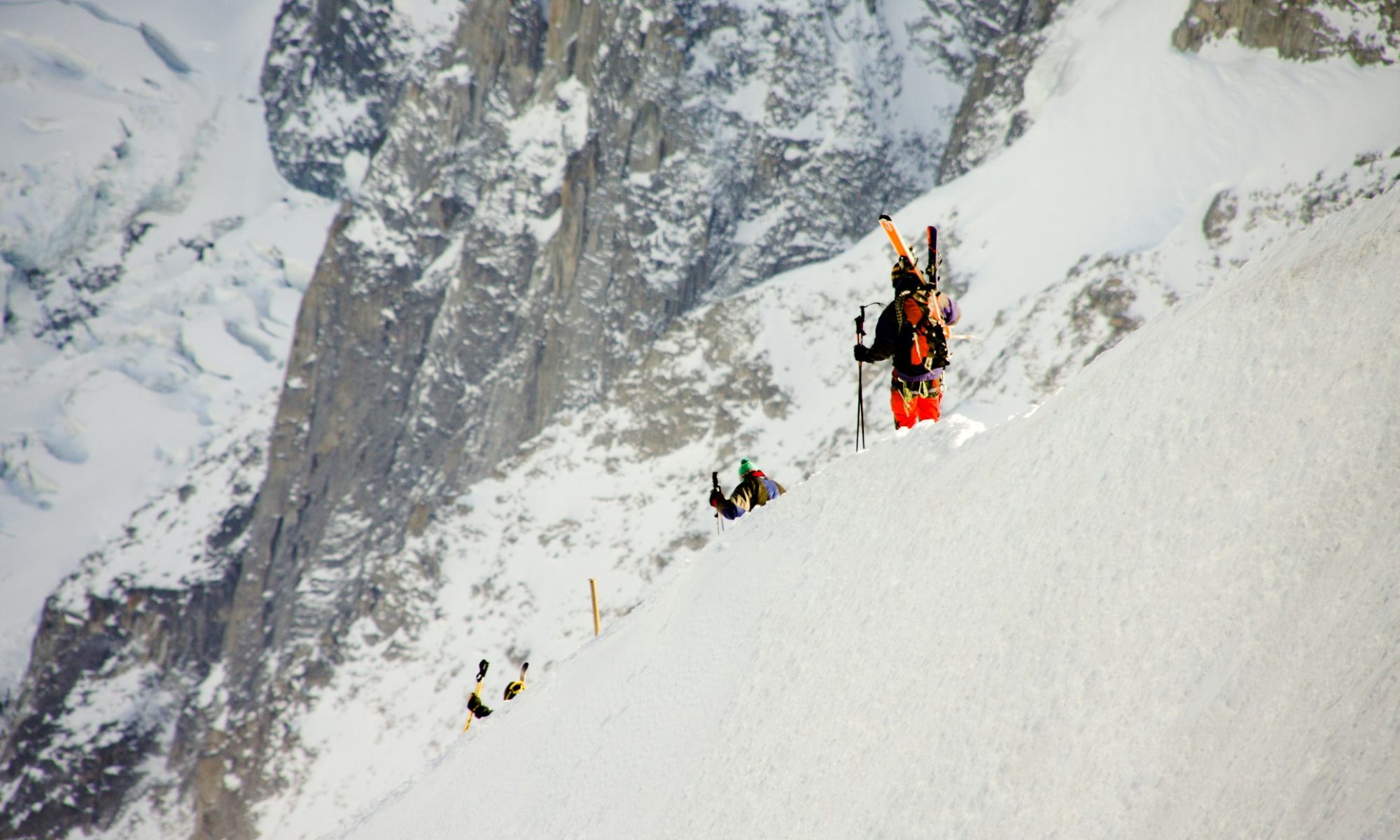
Skiing off-piste carries its risks. Photo: Hannes du Plessis. Unsplash. Avalanche Safety Equipment Explained: What Every Skier Should Carry Off-Piste.

Avalanche Safety Equipment Explained: What Every Skier Should Carry Off-Piste

Avalanche accidents across the Alps are a stark reminder that leaving marked ski runs comes with real risks, even close to ski resorts. While equipment can never eliminate danger, carrying the right avalanche safety gear can make the difference between life and death — both for yourself and for those skiing with you.

This guide explains what avalanche equipment is essential, what is optional, and what equipment cannot do, so skiers can make informed decisions before heading off-piste.


The three essential items: never optional

If you ski off-piste, even briefly, three items are considered non-negotiable.

1. Avalanche transceiver (beacon)

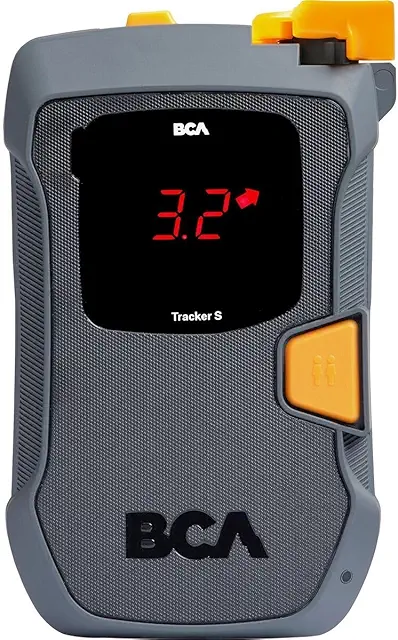
A transceiver allows companions to locate a buried skier quickly after an avalanche. Speed is critical: survival chances drop dramatically after the first 15 minutes.

BCA Avalanche Transceiver, or how is often called a "beacon". Avalanche Safety Equipment Explained: What Every Skier Should Carry Off-Piste.
BCA Avalanche Transceiver, or how is often called a “beacon”. Avalanche Safety Equipment Explained: What Every Skier Should Carry Off-Piste.

Key points:

  • Every person in the group must wear one
  • It must be turned on and checked before skiing
  • A transceiver is only effective if others know how to use it

A beacon does not prevent avalanches. It only helps after something has gone wrong.

Continue reading “Avalanche Safety Equipment Explained: What Every Skier Should Carry Off-Piste”

Avalanche in Tyrol, Austria: One Dead, No Other Victims Found as Searches Continue

The beautiful resort of Ischgl. Photo: Justus. Unsplash. Avalanche in Tyrol, Austria: One Dead, No Other Victims Found as Searches Continue.

Avalanche in Tyrol, Austria: One Dead, Searches Confirm No Other Victims

A fatal avalanche in Tyrol, Austria, has claimed the life of one skier, prompting an extensive rescue operation and renewed warnings about unstable snow conditions across the Alps.

The avalanche occurred off-piste near the Pardatschgratbahn lift area in Ischgl, one of Austria’s most popular ski resorts. The victim was reported missing after failing to return to their accommodation, triggering a search by local authorities and mountain rescue teams.

Rescuers later located the body beneath the avalanche debris. Following intensive probing and searches of the surrounding area, authorities have confirmed that no other people appear to be buried, though checks continued for several hours as a precaution.

Across the Alps, these incidents occur against a backdrop of labour and housing challenges in mountain communities, which can affect staffing levels and safety resources.

Continue reading “Avalanche in Tyrol, Austria: One Dead, No Other Victims Found as Searches Continue”

Avalanche Crosses Blue Ski Run in Savoie: What Happened?

Sainte Foy Tarentaise photo by Valdemaras Januska. Unsplash. Avalanche Crosses Blue Ski Run in Savoie: What Happened?

Savoie Avalanche Crosses Blue Piste at Sainte-Foy-Tarentaise, Four Skiers Involved

On 13 January 2026, a significant avalanche crossed a marked blue ski run at the Grand Solliet area of Sainte-Foy-Tarentaise in the French Alps (Savoie). The incident occurred during open piste hours, surprising skiers and prompting an immediate rescue response. 

This incident highlights the importance of using avalanche bulletins to plan a mountain day, even when skiing close to marked pistes.

Details of the Incident

According to reports, four people were involved when an avalanche — reportedly triggered by a skier off the marked piste — swept across the blue run. Three of those caught were knocked off balance by the force of the snow, while the fourth was briefly buried under the avalanche debris, with only their hand visible before rescuers reached them. 

Rescue teams — including piste patrol, the CRS Alpes, ski school instructors, and avalanche dogs — quickly searched the area. The buried skier was located about 50 metres below the piste and transported to hospital in Bourg-Saint-Maurice for further care. Authorities confirmed that no others were missing before ending the rescue operation later in the afternoon. 

Events like this raise questions about how ski resorts manage safety under operational pressure, particularly during busy winter periods.

Continue reading “Avalanche Crosses Blue Ski Run in Savoie: What Happened?”

Vallorcine Avalanche Kills Ski Patroller as Deadly Alpine Weekend Unfolds

Ski de Randonnée in Chamonix. Photo: Christophe Raylat. OT Chamonix. Best ski resorts for a weekend trip

Vallorcine Avalanche Kills Ski Patroller Amid Deadly Alpine Weekend

A fatal avalanche in Vallorcine has claimed the life of a ski patroller working in the La Flégère sector of the Chamonix-Mont-Blanc domain.
The tragedy occurred on Sunday and has since been confirmed as part of a deadly avalanche weekend across the French Alps, with at least six fatalities reported nationwide.

According to updated reporting, the victim was a 32-year-old pisteur-secouriste, a father of young children, who was working on the mountain at the time of the avalanche. Despite a rapid response, he did not survive his injuries.

Continue reading “Vallorcine Avalanche Kills Ski Patroller as Deadly Alpine Weekend Unfolds”