Where to See the Alps’ Traditional Cow Parades in Autumn 2026

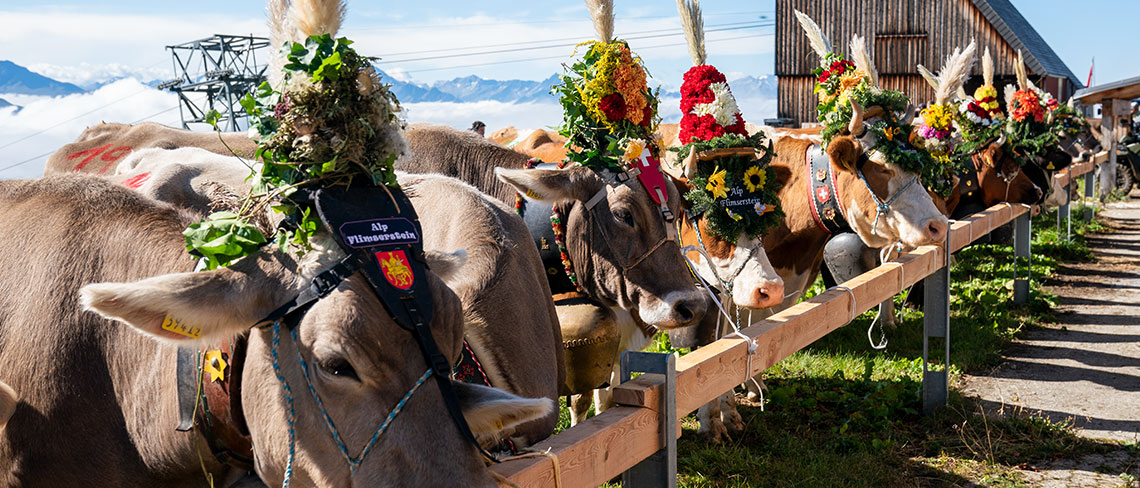
Laax Much Loved Descent of the Cows Festival Returns this September. Photo credit: Laax/Rooster PR

From the Dézarpa in Italy’s Aosta Valley to Switzerland’s Désalpe and Austria’s colourful Almabtrieb, September and October mark one of the Alps’ most atmospheric traditions: the return of cattle from their high summer pastures.

As summer draws to an end in the Alps, another season begins — announced not by ski lifts or the first snowfall, but by the sound of cowbells.

Across Italy, Switzerland, Austria and France, cattle that have spent the warmer months grazing on high-altitude pastures begin their journey back down to farms in the valleys.

The tradition has different names across the Alps. In the Aosta Valley it is known as the Dézarpa, or Devétéya around Cogne. In French-speaking Switzerland it is the Désalpe, while German-speaking regions use Alpabzug or Alpabfahrt. Across Austria and South Tyrol, visitors will hear Almabtrieb. In parts of the French Alps, the return of the herds is known as the descente des alpages or démontagnée.

Whatever the name, the principle is the same.

Continue reading “Where to See the Alps’ Traditional Cow Parades in Autumn 2026”

The Mega-Pass Wars Enter a New Phase: Ikon Expands, Epic Consolidates and Indy Goes Global

Ikon Pass sales platform. Credit: Alterramtnco.com

Ikon is pushing deeper into Asia, Indy Pass has grown beyond 300 resorts and a new Snow Pass has entered the market. Meanwhile, Epic is shifting its focus from expansion to guest experience. But across the Atlantic, Europe’s own multi-resort passes show that there is more than one way to build a ski empire.


The ski pass wars are no longer simply a battle between Epic and Ikon.

Ikon Pass has expanded its Asian footprint again for winter 2026/27, adding Madarao Mountain Resort in Japan and Beidahu and Lake Songhua in China.

On its own, that might look like another incremental expansion of an already enormous ski pass.

Look at what is happening across the wider market, however, and something more significant is emerging.

Ikon continues to build a worldwide collection of destination resorts. Epic, after years of acquisitions and international partnerships, is openly talking about improving what it already has. Indy Pass has assembled more than 300 mostly independent ski areas. Snow Pass has arrived as another lower-cost alternative.

And in Europe, regional passes such as Magic Pass, Ski amadé, Dolomiti Superski, the Valle d’Aosta regional pass and Mont Blanc Unlimited demonstrate yet another model: destinations cooperating across resorts, regions and even national borders without necessarily being owned by the same company.

The mega-pass may have won.

The next battle is over what kind of mega-pass skiers actually want.

Continue reading “The Mega-Pass Wars Enter a New Phase: Ikon Expands, Epic Consolidates and Indy Goes Global”

Action Outdoors Launches No-Frills Hakuba Ski Trip as Japan Targets a Broader UK Market

Hakuba Valley in Japan’s Northern Alps, where Action Outdoors will launch its first Japan ski programme in January 2027. Photo: Action Outdoors. Photographer: Matt Hall.

A new Hakuba package from £1,214 brings Action Outdoors’ shared-room, no-frills model to Japan—but international flights are not included.

Japan may rank high on British skiers’ bucket lists, but the destination is still commonly associated with expensive, long-haul ski holidays aimed at the luxury market. Action Outdoors is now testing whether a simpler, more social model can make skiing in Japan accessible to a broader group of travellers.

The UK operator is launching its first Japan programme for winter 2026/27, with two departures to Hakuba Valley in January and February 2027.

Prices start from £1,214 per person, based on four people sharing a room. The package includes one night in Tokyo, return Shinkansen train travel between Tokyo and Nagano, bus transfers to Hakuba, seven nights’ half-board accommodation, a six-day lift pass and six days of either instructed piste skiing or off-piste guiding.

International flights to Japan, lunches and transfers between Tokyo’s airports and the city are not included.

Continue reading “Action Outdoors Launches No-Frills Hakuba Ski Trip as Japan Targets a Broader UK Market”

Could Sheep’s Wool Replace Plastic Glacier Covers? Swiss Trial Shows Early Promise

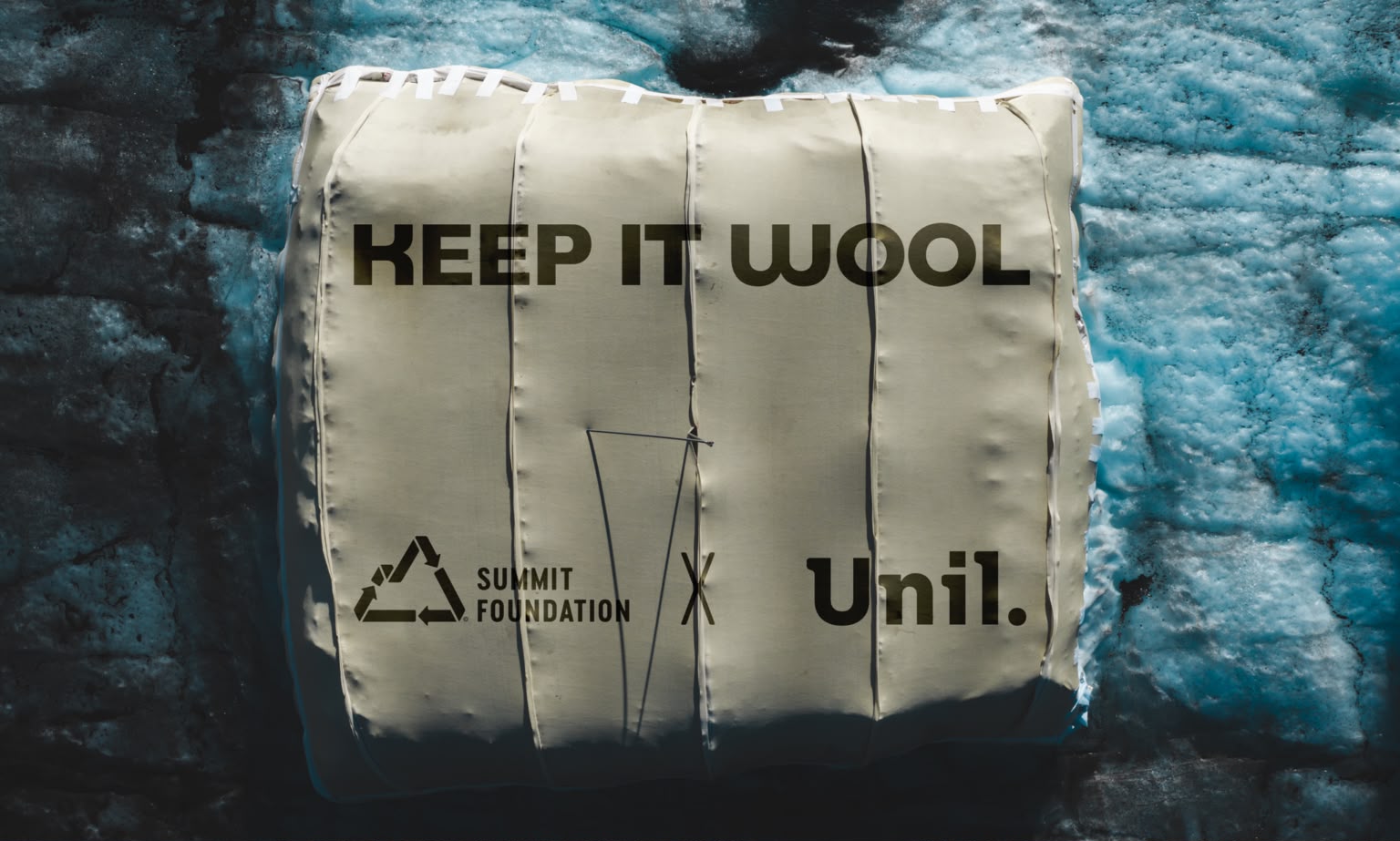
Keep it Wool. Summit Foundation.

A summer experiment on the Tsanfleuron Glacier at Glacier 3000 suggests locally sourced sheep’s wool could perform as well as conventional synthetic geotextiles — without leaving plastic fibres behind.

For around two decades, sections of glaciers in Switzerland have been covered during summer with large white geotextile sheets. The technique can reduce local melting and is also used to preserve snow from one season to the next.

Now, researchers in Switzerland are testing whether those synthetic covers could be replaced with something considerably more traditional: sheep’s wool.

At the Tsanfleuron Glacier, part of the Glacier 3000 area above Les Diablerets, two prototype wool covers were installed this summer as part of the “Keep It Wool” project, developed by environmental organisation Summit Foundation in collaboration with the University of Lausanne’s Interdisciplinary Centre for Mountain Research (CIRM).

And the first results are encouraging.

Continue reading “Could Sheep’s Wool Replace Plastic Glacier Covers? Swiss Trial Shows Early Promise”

Historic Rhône Glacier Ice Cave Faces Closure After Valais Rejects Appeal

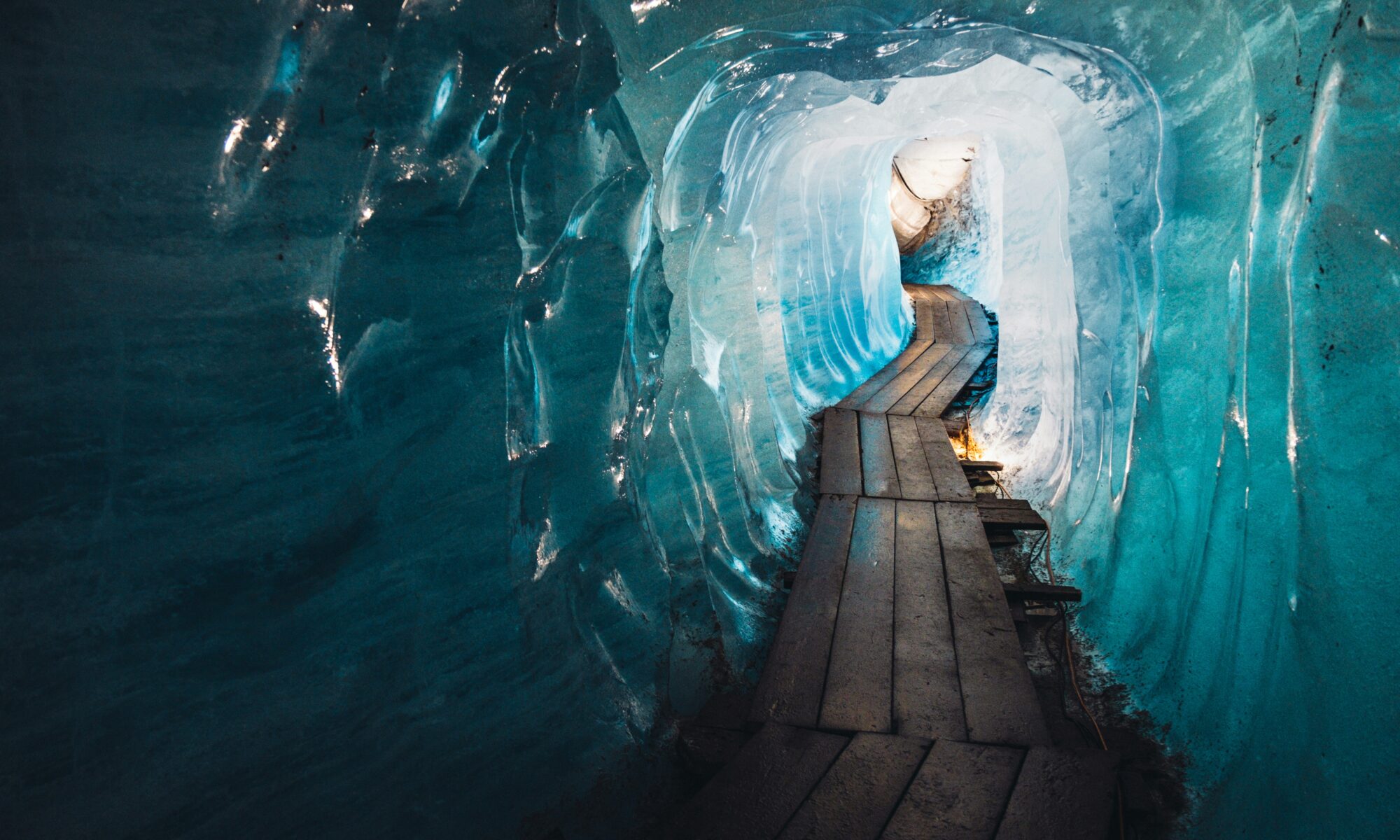
The tourist ice grotto on the Rhône Glacier has traditionally been covered with protective material to slow summer melting. Valais authorities have rejected the operator’s appeal against an order to close the attraction and restore the protected site. Photo credit: Patrick Robert Doyle. Unsplash.

Valais authorities have rejected an appeal by the operators of the historic Rhône Glacier ice cave, ordering an end to the tourist operation and the restoration of a nationally protected Alpine site. A further court appeal remains possible.

One of Switzerland’s best-known glacier attractions is facing closure after the Valais cantonal government rejected an appeal by its operators.

The decision concerns the ice grotto carved into the Rhône Glacier near the Furka Pass, an attraction reportedly visited by around 100,000 people each year.

The authorities have ordered the site to be restored and tourist operations to cease, concluding that both the excavated tunnel and the protective coverings placed over the ice should have received prior authorisation.

Continue reading “Historic Rhône Glacier Ice Cave Faces Closure After Valais Rejects Appeal”

Sestriere’s Forgotten Belvedere: A Tiny Survivor from the Birth of the Modern Ski Resort

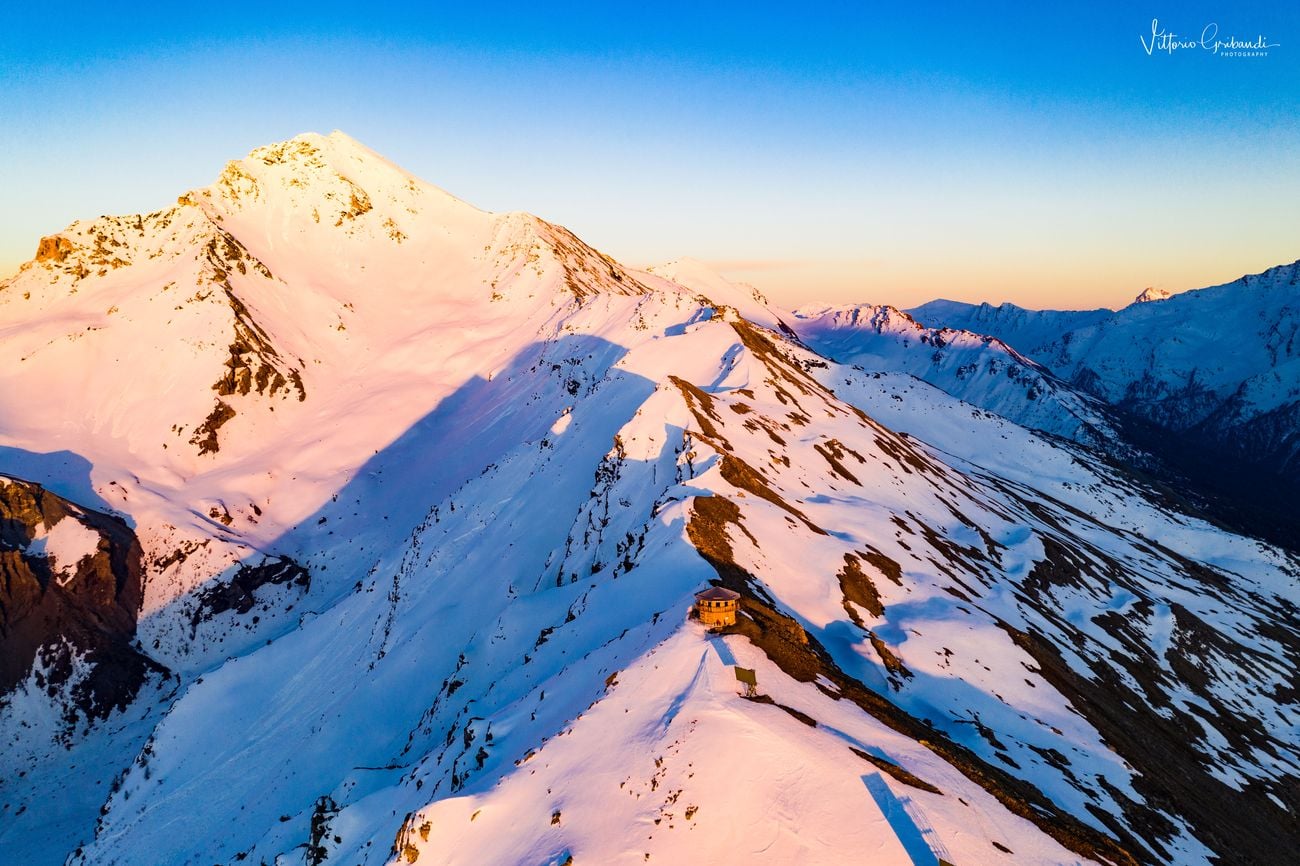
Il Belvedere on top of the mountain. Photo credit: Vittorio Gribaudi. Atribune.com

At 2,658 metres above Sestriere, a restored 1931 belvedere tells a much larger story: how an isolated Alpine plateau was transformed into one of Europe’s earliest purpose-built ski destinations.

High above Sestriere, on the summit of Monte Sises, stands a tiny concrete building surrounded by twelve square windows and an apparently limitless Alpine horizon.

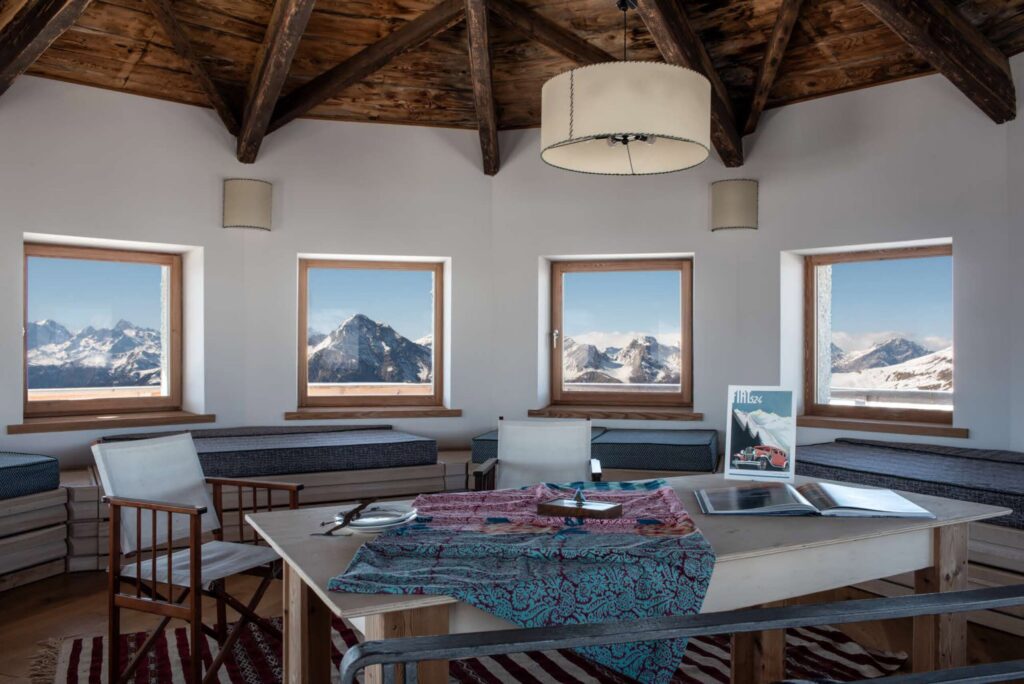
From inside, the view extends across the Rognosa di Sestriere and Monte Chaberton towards Monviso and the Écrins massif. Yet the building was never intended to be a hotel, restaurant or conventional mountain hut.

It was constructed simply as a place from which to look at the mountains.

Known as the Belvedere, the two-storey, twelve-sided structure dates from 1931 and survives from the earliest chapter in Sestriere’s development as a modern ski resort. After decades of abandonment, it has been carefully restored as a small private, largely self-sufficient mountain home.

Its story is about more than an extraordinary house. It is also a surviving fragment of the period when ski resorts, lifts lifts and purpose-built mountain architecture began to reshape the Alps.

Inside the small Belvedere. Photo: Marinella Paolina. Atribune.com

Continue reading “Sestriere’s Forgotten Belvedere: A Tiny Survivor from the Birth of the Modern Ski Resort”

Stelvio Glacier Reopens After Heat Closure – But Summer Skiing’s August Shutdown Still Matters

Summer skiing on the Stelvio Glacier in Italy

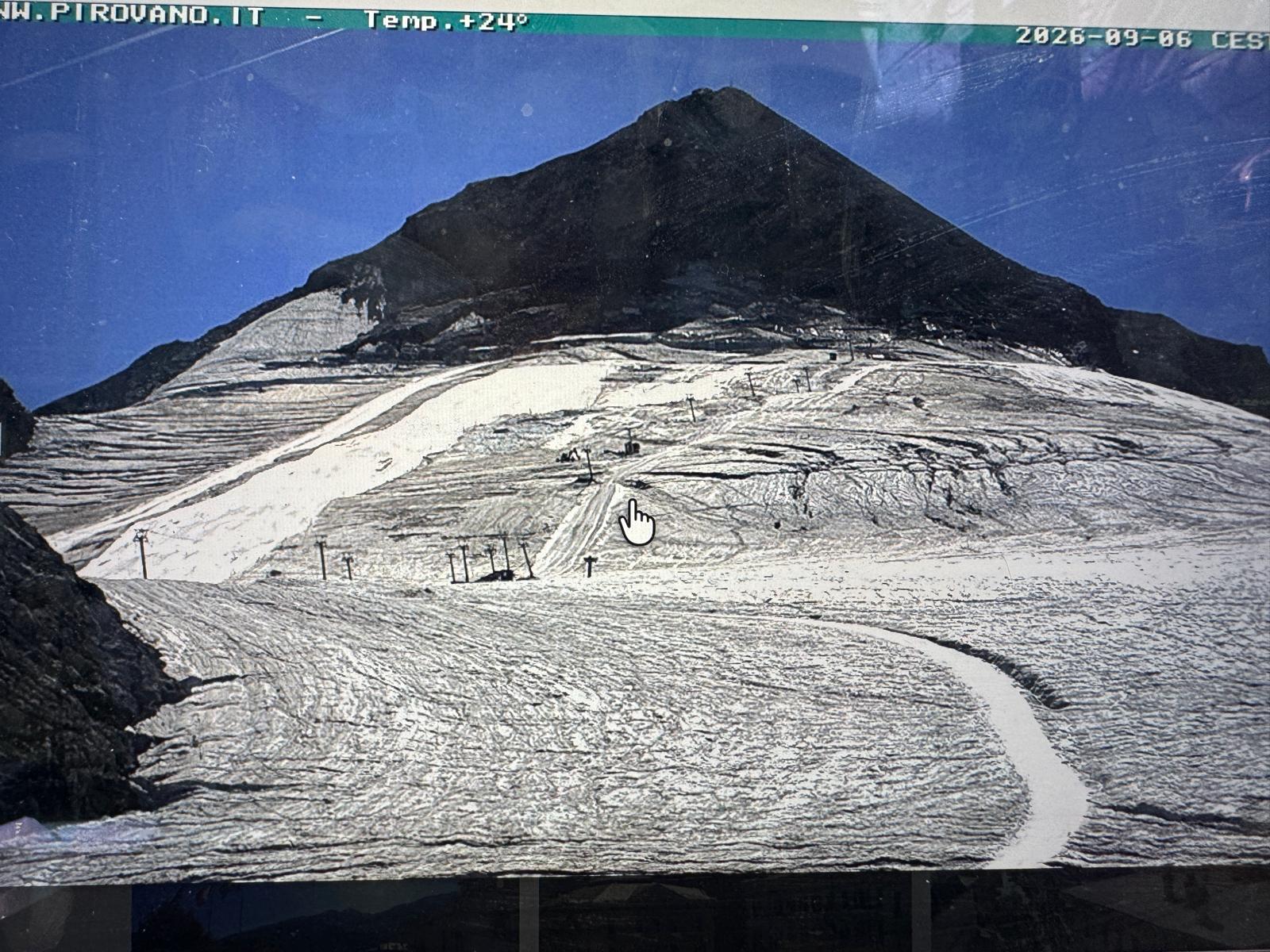
Italy’s Stelvio Glacier has reopened for summer skiing after a three-week heat-related closure. The return of skiing is welcome news, but it follows an extraordinary August in which high temperatures and poor overnight freezing temporarily brought lift-served summer skiing across the Alps to a halt.

Summer skiing returned to Italy’s Stelvio Glacier on Friday, September 4, after cooler conditions allowed operators to reopen lifts and pistes following a shutdown that began on August 15.

The official Bormio lift-status service confirmed the reopening, with all six Stelvio lift installations operating: the Cristallo, Pajer, Geister 1 and Geister 2 ski lifts, together with the Passo Stelvio–Trincerone and Trincerone–Livrio cable cars.

Not everything has returned to normal, however. Several pistes remain closed, and the Pajer and Cristallo ski lifts are operating only from 6:30 am until midday. The two cable cars operate until 4 pm.

The Stelvio summer season is officially scheduled to run from May 30 until November 1, 2026.

Why Stelvio closed

The August closure was significant because Stelvio had remained open after other Alpine summer ski areas suspended skiing during the summer heat.

SIFAS, the company operating the Stelvio facilities, announced the suspension of skiing from August 15, citing three factors: persistent heat waves reaching high altitude, the absence of sufficient overnight cooling and refreezing of the snowpack, and frequent thunderstorms that had further affected glacier conditions.

Continue reading “Stelvio Glacier Reopens After Heat Closure – But Summer Skiing’s August Shutdown Still Matters”

Switzerland Won’t Run Out of Water When Its Glaciers Disappear — But Summer Is Another Story

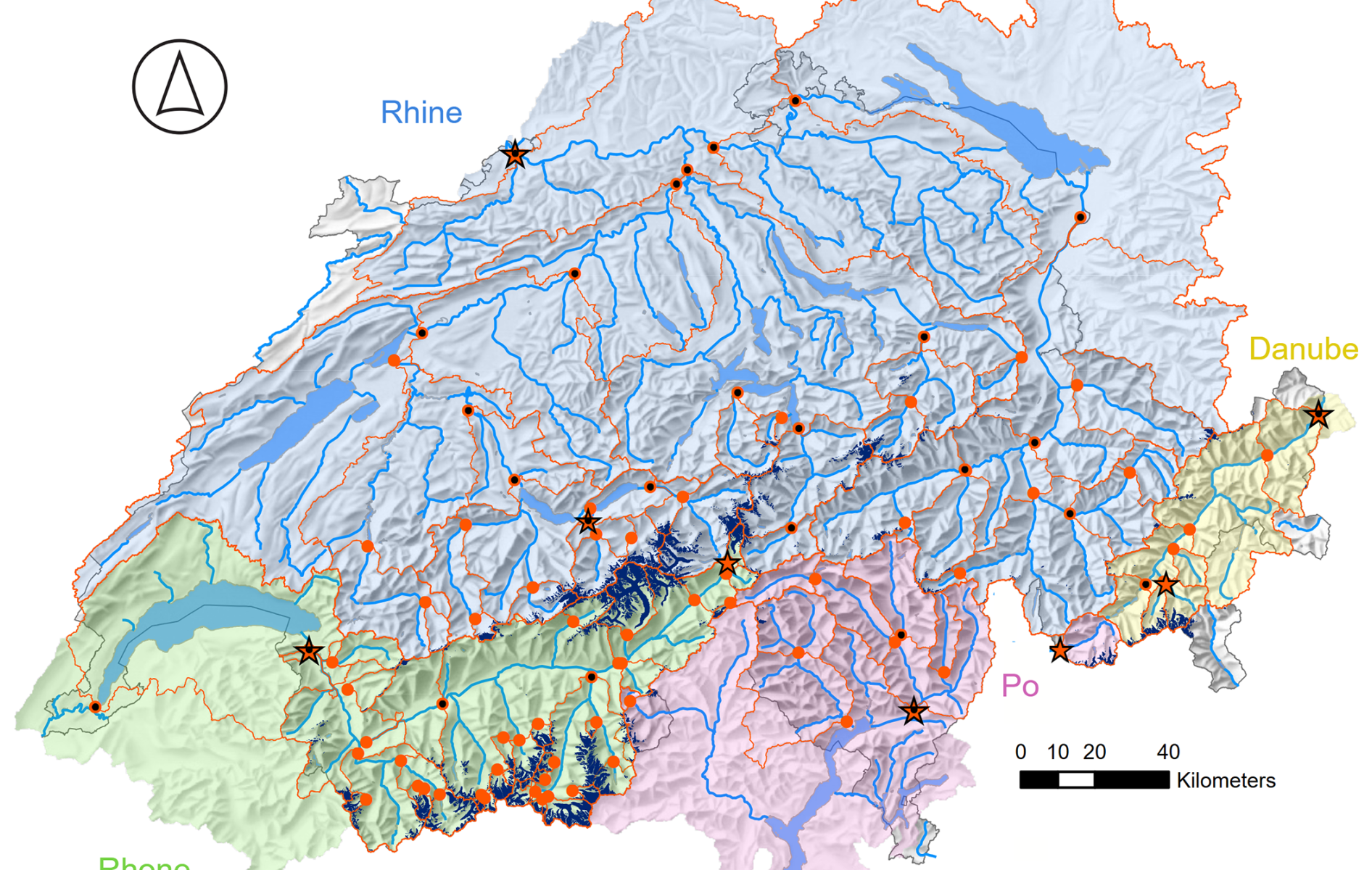
Map of hydrological Switzerland. Credit: Hess Copernicus.

Switzerland’s glaciers are shrinking rapidly, but their disappearance does not mean the country will simply run out of water. The bigger problem is when that water will be available — particularly during increasingly hot and dry Alpine summers.

Switzerland is often described as the “water tower of Europe”, while its rapidly retreating glaciers have become one of the most visible symbols of climate change in the Alps.

It is therefore easy to make a seemingly obvious connection: if the glaciers disappear, Switzerland will lose a major source of its water.

The reality is more complicated.

Swiss hydrologist Bettina Schaefli, professor at the University of Bern, recently challenged that assumption in an opinion piece published by Le Temps, arguing that Switzerland does not owe its abundant water resources primarily to its glaciers.

She is right — at least when looking at the country’s overall annual water balance.

Switzerland’s real hydrological advantage is the Alps themselves. The mountain barrier forces moist air upwards, producing substantial precipitation as rain and snow.

But that does not mean disappearing glaciers are irrelevant to Switzerland’s water supply.

Far from it.

What Switzerland is gradually losing is something particularly valuable: a natural water reserve capable of releasing water precisely when rainfall and snowmelt are no longer providing enough of it.

And during a drought, that distinction becomes crucial.

Continue reading “Switzerland Won’t Run Out of Water When Its Glaciers Disappear — But Summer Is Another Story”

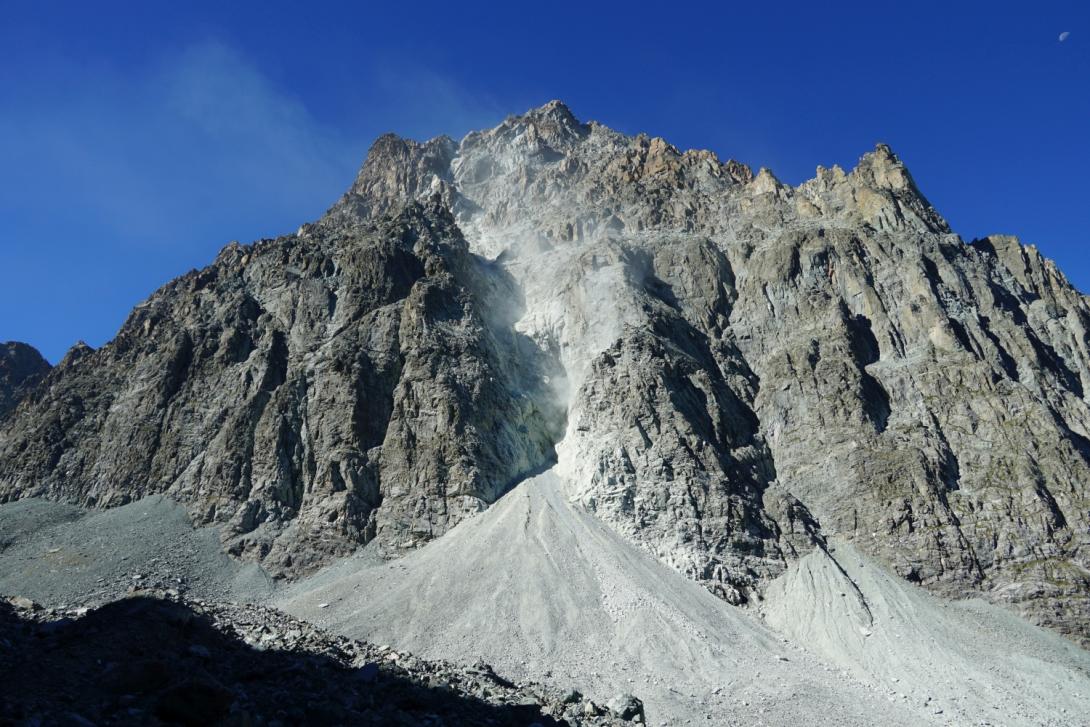
Monviso Rockfall Raises Questions Over Stability of the Italian Alps Landmark

Canalone del Monviso. Photo credit: Arpa.Piemonte.it

A rockfall on Monviso’s northeast face sent thousands of cubic metres of debris down the mountain on 1 September. No one was injured and the nearby Quintino Sella refuge and its access trail were not hit by the main collapse, but repeated failures on the same face have prompted authorities to examine how the mountain is evolving.


UPDATE — 18 September 2026: New Rockfall and Regional Action

A second significant rockfall on Monviso and new temperature data have prompted the Regione Piemonte to begin a wider assessment of the mountain, including its trails, refuge access and long-term monitoring.

At the first official Tavolo Monviso, held on 16 September, ARPA Piemonte revealed that between 10 June and 10 September temperatures at its monitoring station above 3,300 metres on Monviso did not fall below 0°C.

ARPA identifies thermal stress as a probable factor in the recent rockfalls and degradation of permafrost as a possible contributing factor within a rock mass that is already heavily fractured. However, the agency continues to stress that individual rockfalls need to be assessed on their specific geological and environmental conditions.

The meeting followed another rockfall during the night of 13–14 September, this time from the Torrioni Sari on Monviso’s southern side. Regional authorities say preliminary observations suggest that this event may have been larger than the 1 September collapse on the northeast face, although further surveys are needed to determine its scale.

The two events on different sides of the mountain have led authorities to broaden their assessment from individual rockfall sites to the Monviso massif as a whole.

Access to the mountain is also under review

The Regione Piemonte is now considering additional surveys, including drone inspections, an assessment of the most exposed trails and possible alternative routes to mountain refuges.

One proposal being examined is an alternative access route to the Rifugio Quintino Sella. Improved trail signage and temporary restrictions in particularly exposed areas are also being considered.

This does not currently amount to a general closure or restriction on access to Monviso.

Continue reading “Monviso Rockfall Raises Questions Over Stability of the Italian Alps Landmark”

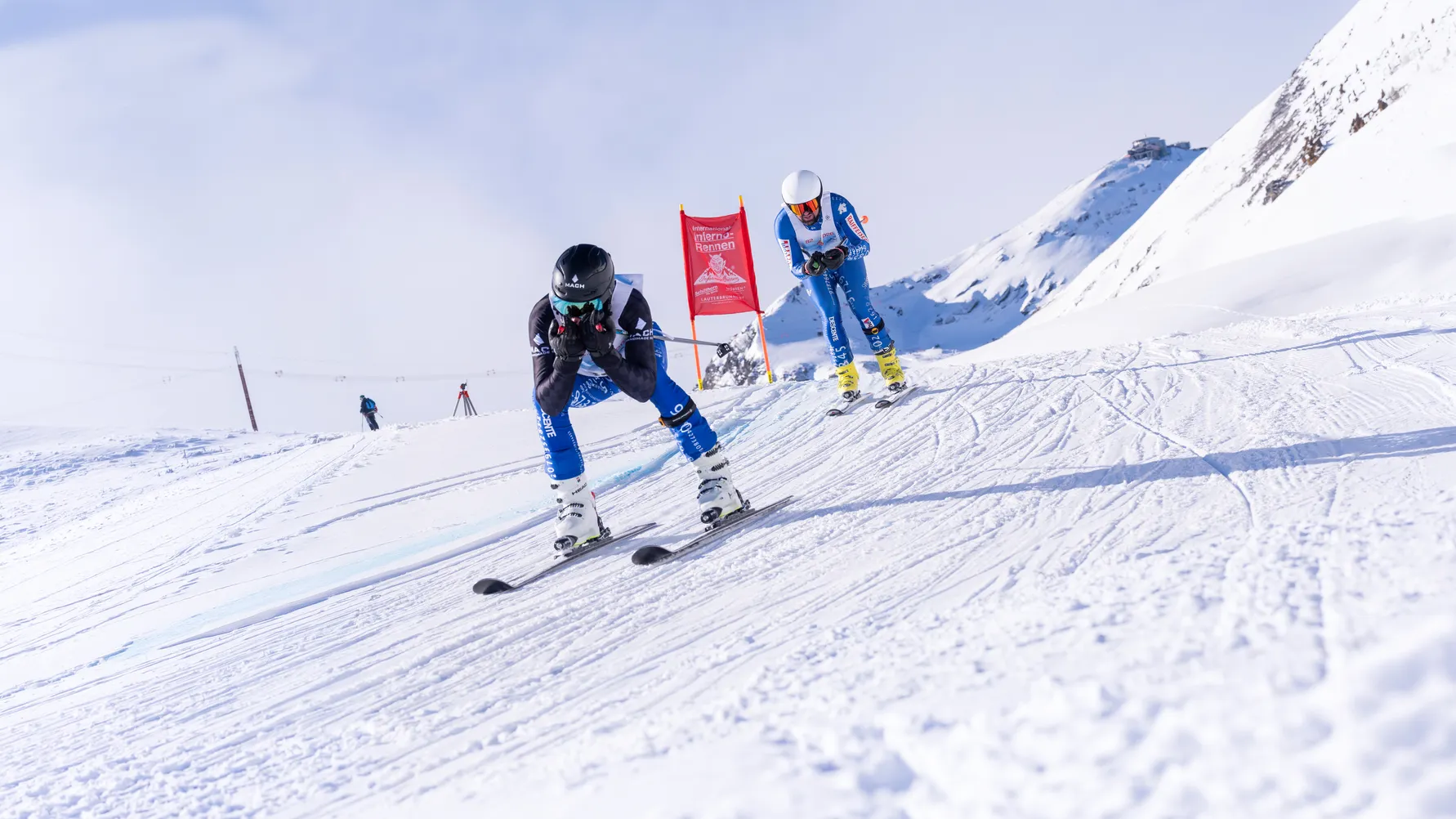
Inferno Ski Race 2027: Entries Close on 15 September

Inferno Race. Photo credit: Sam Buchli- Buchlie Fotografie Verein. Int. Inferno Rennen.

Skiers hoping to take part in the 83rd International Inferno Races in Mürren have until 15 September 2026 to register for one of the world’s most celebrated amateur ski competitions.

The 83rd International Inferno Races will take place in Mürren, Switzerland, from 20 to 23 January 2027, bringing up to 1,850 competitors to the slopes below the Schilthorn.

Online registration is already open, but prospective racers must submit their applications by 15 September 2026. The event regularly attracts more applicants than available starting places, meaning registration does not automatically guarantee entry.

The Inferno is widely described as the world’s largest amateur alpine ski race. Its signature downhill can extend for as much as 14.9 kilometres, dropping approximately 1,990 vertical metres from below the Schilthorn, through Mürren and towards Lauterbrunnen when snow and weather conditions allow the complete course to be used.

Continue reading “Inferno Ski Race 2027: Entries Close on 15 September”